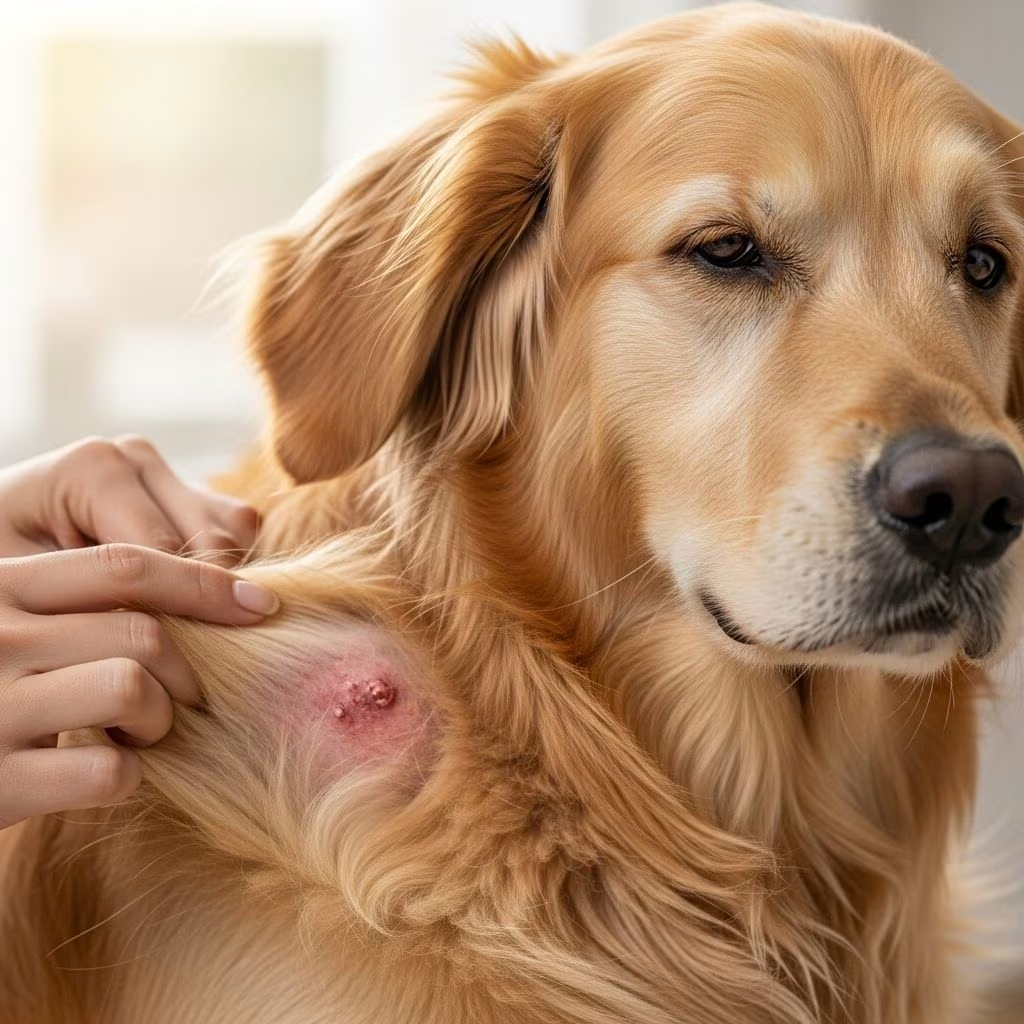
Skin problems are among the most frequently reported health concerns in dogs, often causing discomfort, persistent itching, hair loss, and infections. Early recognition and prompt veterinary care are crucial for effective management. This comprehensive guide covers the top 10 canine skin issues—how to spot them, diagnostic steps, proven treatments, and essential prevention tips for pet owners.
Overview: Why Skin Issues Are Common in Dogs
Because dogs’ skin is exposed to allergens, parasites, and environmental irritants, it can become a battleground for a variety of disorders. Underlying health issues, breed predispositions, and climate can all influence a pup’s susceptibility to dermatological problems. Understanding the unique signs of each condition is essential for successful management and prevention.
Table: Overview of the 10 Most Common Dog Skin Disorders
| Condition | Main Symptoms | Common Causes | Treatment Approaches |
|---|---|---|---|
| Allergies | Itching, redness, hair loss | Fleas, food, environment | Medications, allergen avoidance |
| Parasites | Scratching, irritation, hair loss | Fleas, ticks, mites | Prevention, anti-parasitic treatments |
| Bacterial Skin Infections | Redness, bumps, scaly patches | Overgrowth of skin bacteria | Antibiotics, medicated shampoos |
| Hot Spots | Wet, red, inflamed patches | Allergies, constant scratching | Antibiotics, anti-itch meds |
| Yeast Infections | Musty odor, dark skin, itching | Yeast overgrowth | Antifungal meds |
| Fungal Infections | Hairless, red, ring-shaped lesions | Fungi (esp. ringworm) | Antifungal meds, hygiene |
| Hormonal Disorders | Symmetrical hair loss, skin thickening | Thyroid, adrenal gland issues | Address underlying disorder |
| Autoimmune Skin Diseases | Blisters, ulcers, pigmentation changes | Immune system attacking skin | Immunosuppressive meds |
| Dry Skin | Flaking, itching, rough patches | Climate, nutrition, bathing habits | Moisturizers, nutrition changes |
| Lumps, Bumps, and Tumors | Masses, swellings, visible nodules | Benign or malignant growths | Veterinary evaluation, surgery if needed |
1. Allergies
Allergies are a leading cause of skin problems in dogs. These include flea allergy dermatitis, food allergies, and environmental allergies (atopy).
- Symptoms: Intense itching, inflamed or reddened skin, hair loss, secondary infections from scratching
- Common triggers: Flea saliva, certain proteins in dog food (e.g., beef, chicken), pollens, dust, mold spores
- Diagnosis: Veterinary allergy testing, food trials, elimination diets
- Treatment: Allergen avoidance, prescription allergy medications (antihistamines, corticosteroids, immunotherapy), flea prevention, special diets
- Note: Many dogs are allergic to multiple substances simultaneously
2. Parasites (Fleas, Ticks, and Mites)
External parasites pose a major threat to canine skin health.
- Fleas: Cause itching and skin redness; their bites can lead to intense allergic reactions or secondary infections.
- Ticks: Attach and feed for several days. Besides causing irritation, they transmit diseases. Remove promptly, making sure to extract the entire tick including the head.
- Mites: Several species affect dogs:
- Sarcoptes (Scabies): Contagious, severe itching and hair loss.
- Demodex: Usually present in low numbers, but can overgrow and cause hair loss, especially in puppies and immunocompromised dogs.
- Cheyletiella: Known as ‘walking dandruff,’ may cause white flakes and sometimes itching.
- Diagnosis: Skin scrapings, parasite detection, visual inspection for fleas and ticks
- Treatment: Topical or oral antiparasitic medications, regular preventive treatments, environmental cleaning
3. Bacterial Skin Infections (Pyoderma)
Bacterial skin infections, or pyoderma, often develop as a result of underlying allergies or skin trauma. They are usually caused by an overgrowth of normal skin bacteria, or by bacteria entering through wounds.
- Symptoms: Red, scaly patches; pustules or small bumps; moist, inflamed skin regions
- Diagnosis: Physical examination, skin cytology, culture and sensitivity tests
- Treatment: Oral antibiotics, medicated shampoos (e.g., chlorhexidine, ketoconazole). Address underlying causes to prevent recurrence.
4. Hot Spots (Acute Moist Dermatitis)
Hot spots are rapidly developing areas of moist, inflamed, or ulcerated skin. Intense itching, licking, or chewing, often tied to allergies or flea infestations, triggers these lesions.
- Symptoms: Sudden, hairless, red, and wet-looking sores that are painful and sensitive to touch
- Diagnosis: Clinical presentation, sometimes skin cytology to rule out infection
- Treatment: Antibiotics, anti-itch medications, topical sprays (such as antimicrobial solutions), and preventing further trauma by using an e-collar or bandaging as directed
- Quick action: Essential to prevent the spread and worsening of hot spots
5. Yeast Infections
Yeast skin infections are caused by Malassezia species overgrowing on the skin, commonly in moist regions such as the groin, armpits, and between toes.
- Symptoms: Musty, distinct odor; chronic itching; hyperpigmentation (darkening of the skin); greasy feel and black debris at the nail beds
- Diagnosis: Skin swabs, cytology, fungal cultures
- Treatment: Oral or topical antifungal medications; medicated baths
6. Fungal Infections (Ringworm and Others)
Fungal infections like ringworm (which is actually a fungus, not a worm), are less common but highly contagious. Symptoms may vary but typically feature circular, hairless, red lesions.
- Symptoms: Circular bald spots, scaly or crusty skin, mild to severe itching
- Diagnosis: Fungal cultures, Wood’s lamp examination
- Treatment: Oral and topical antifungal medication, maintaining strict hygiene to prevent spread
7. Hormonal Disorders
Hormonal imbalances, such as hypothyroidism or Cushing’s disease (hyperadrenocorticism), can significantly impact skin and coat health. Hormonal changes may also occur after spaying or neutering in predisposed breeds.
- Symptoms: Symmetrical hair loss, skin thickening, dandruff, recurrent skin infections, weight changes, lethargy
- Diagnosis: Blood tests, hormone level assays, thyroid panels
- Treatment: Address underlying hormonal disorder with prescription medications and manage resulting skin symptoms
8. Autoimmune Skin Diseases
Though uncommon, autoimmune skin diseases like pemphigus cause the body’s immune system to attack its own skin cells, leading to painful and often serious lesions.
- Symptoms: Blisters, ulcers, crusting, changes in skin pigmentation, painful erosions
- Diagnosis: Skin biopsy, immunological assays
- Treatment: Immunosuppressive drugs; often requires long-term veterinary management
9. Dry Skin
Dry skin in dogs can result from environmental factors, underlying health conditions, nutritional deficiencies, or over-bathing with harsh shampoos.
- Symptoms: Flaking (dandruff), itching, rough or scaly skin patches, lackluster coat
- Diagnosis: Examining diet, grooming habits, and ruling out systemic diseases
- Treatment: Increasing dietary omega-3 fatty acids, humidifying the home, using gentle shampoos; addressing primary medical causes if found
10. Lumps, Bumps, and Tumors
Lumps and tumors may be benign (like lipomas) or malignant (like mast cell tumors, squamous cell carcinoma).
- Symptoms: Raised masses, visible swellings, non-healing sores or nodules
- Diagnosis: Fine-needle aspiration, biopsy, cytology
- Treatment: Depends on the type; benign lumps may simply be monitored, but suspicious or malignant tumors often require surgical removal
Diagnosis: The Importance of Veterinary Evaluation
Given the overlap in symptoms among many skin disorders, professional veterinary diagnosis is critical. Veterinarians may use:
- Skin scrapings and cytology
- Blood tests and hormone assays
- Allergy testing and elimination diets
- Fungal cultures and Wood’s lamp exams
- Biopsies for persistent or unusual lesions
Prompt diagnosis ensures targeted treatment and a quicker return to comfort for your dog.
Treatment Options for Dog Skin Issues
- Medications: Antibiotics, anti-fungal and antiparasitic agents, allergy medications, and anti-inflammatory drugs as needed
- Topical therapies: Medicated shampoos, sprays, ointments
- Environmental management: Regular flea and tick prevention, frequent cleaning of bedding and surroundings
- Dietary adjustments: Specialized diets for allergies or skin support
- Addressing underlying disease: Hormonal therapies, immunosuppressive treatments where appropriate
Prevention and Home Care Tips
- Year-round parasite prevention using veterinarian-recommended products
- Regular grooming and inspection for early signs of skin problems
- Prompt cleaning and care of minor wounds to prevent infection
- Provide a well-balanced diet rich in omega fatty acids
- Keep bedding and living areas clean and dry
- Monitor for any changes in skin, coat, or scratching behavior
Risk Factors: When Are Dogs Most Vulnerable?
- Breed predisposition: Some breeds (like Bulldogs, Retrievers, and Terriers) are more prone to allergies, yeast infections, or autoimmune disorders
- Climate: Warm, humid environments increase risk of yeast and fungal problems, while dry climates can cause dry, flaky skin
- Age and immune status: Puppies and older dogs, or those with compromised immune systems, are more susceptible to infections and parasite infestation
- Environmental exposure: Dogs with frequent outdoor access may encounter more parasites and allergens
Frequently Asked Questions (FAQs)
Q: Why is my dog constantly itching and licking?
A: Chronic itching and licking can indicate anything from allergies and parasites to infections or dry skin. If the behavior persists or skin lesions develop, consult your veterinarian for diagnosis and treatment.
Q: Is it safe to use over-the-counter creams on my dog’s skin?
A: Pet-specific products are recommended. Never use human medications, corticosteroid creams, or ointments unless prescribed by your veterinarian, as some ingredients can be harmful to dogs.
Q: How can I prevent my dog from getting skin problems?
A: Year-round parasite prevention, regular grooming, maintaining a healthy diet, and monitoring the skin for changes are key. Early intervention is crucial if you notice abnormalities.
Q: Are dog skin conditions contagious to people?
A: Some conditions, such as certain types of mites and ringworm, can be transmitted from dogs to humans. Good hygiene, prompt treatment, and separation of affected pets are recommended.
Q: When should I see a veterinarian about my dog’s skin?
A: Seek veterinary care if skin problems last longer than a few days, worsen quickly, or are accompanied by other symptoms like lethargy, loss of appetite, or pain.
Key Takeaways for Healthy Canine Skin
- Early identification and treatment of skin issues can prevent chronic discomfort and secondary infections
- Many skin disorders share symptoms—professional diagnosis is essential
- Address underlying health conditions to break the cycle of recurrent skin problems
- Regular veterinary checkups and home monitoring are the best tools for long-term skin health
References
- https://www.petmd.com/dog/general-health/dog-skin-issues
- https://www.petmd.com/dog/conditions/skin/skin-infections-dogs
- https://www.webmd.com/pets/dogs/ss/slideshow-skin-problems-in-dogs
- https://www.vet.cornell.edu/departments-centers-and-institutes/riney-canine-health-center/canine-health-information/atopic-dermatitis-atopy
- https://www.gardensanimalhospital.com/top-5-skin-conditions-in-florida-pets-how-to-treat-them/
- https://thera-clean.com/how-to-treat-skin-conditions-in-dogs-a-vets-essential-guide/
- https://yourpetandyou.elanco.com/us/health-and-care/common-pet-skin-conditions