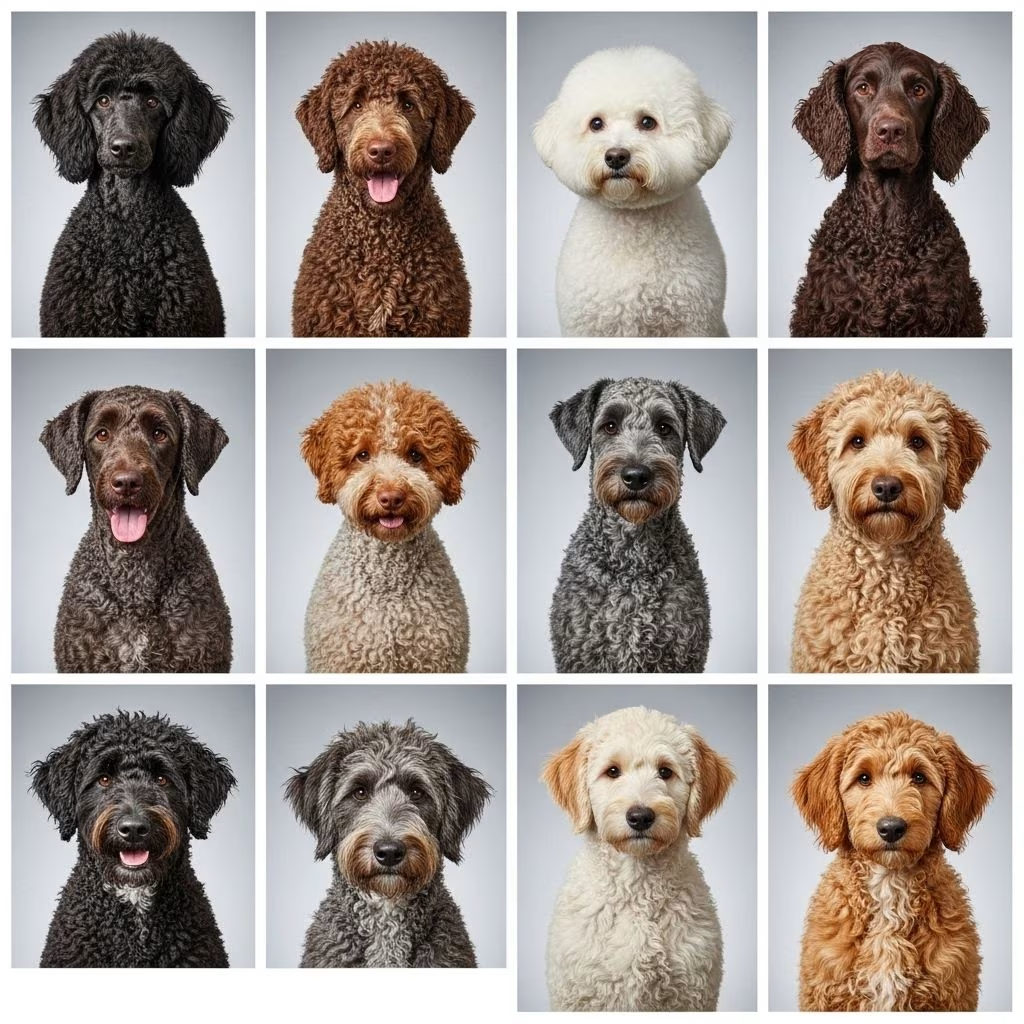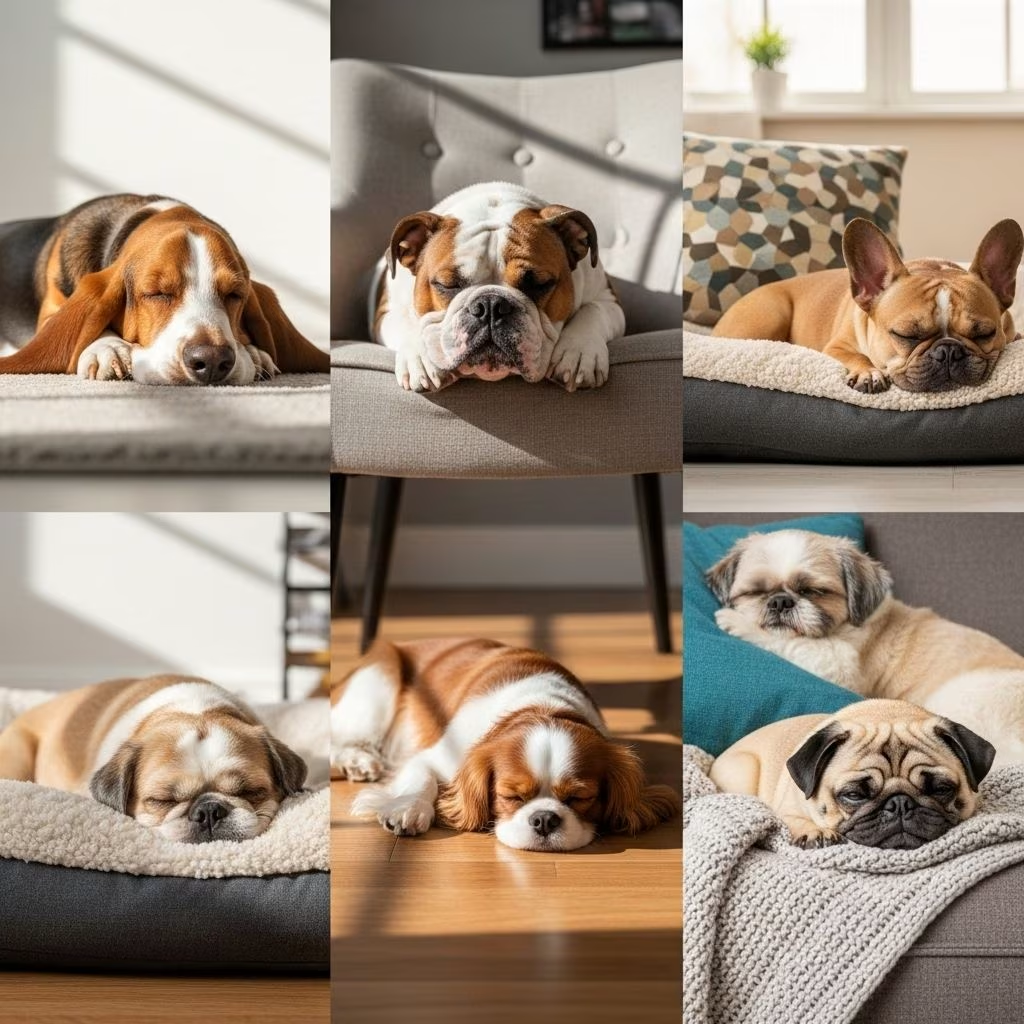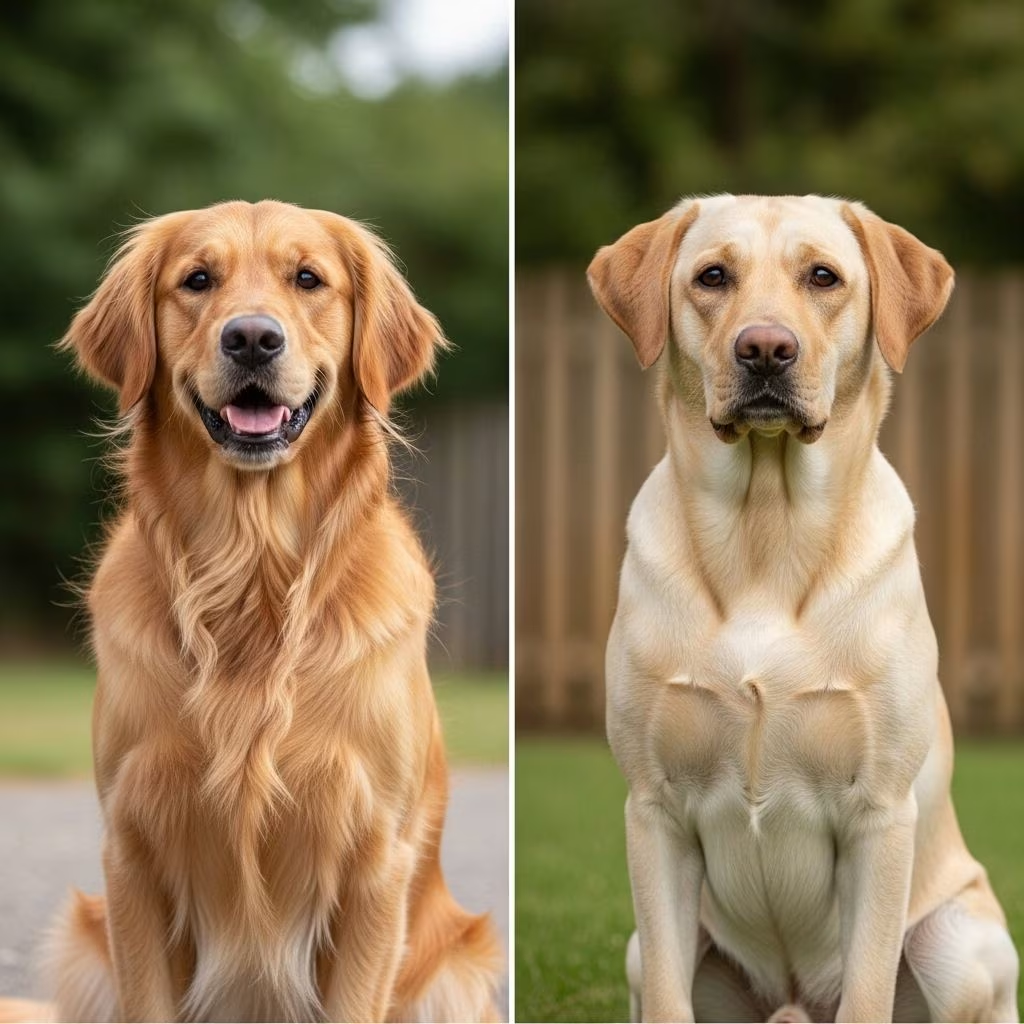
While every dog breed possesses unique characteristics that make them special, some canines share such striking similarities that even experienced dog enthusiasts find themselves doing double-takes. From muscular frames to distinctive coat patterns, certain breeds have evolved with remarkably parallel features that can make identification challenging for pet lovers and potential adopters alike.
Understanding these subtle differences becomes crucial when choosing the perfect companion for your family, as breeds that appear nearly identical often have vastly different temperaments, exercise requirements, and care needs. Whether you’re considering adoption or simply want to expand your canine knowledge, learning to distinguish between these look-alike breeds will enhance your appreciation for the remarkable diversity within the dog world.
1. English Springer Spaniel vs Welsh Springer Spaniel
These two sporting breeds represent a perfect example of how geographic origins can shape similar-looking dogs into distinct varieties. Both spaniels share the classic hunting dog silhouette with their medium-sized frames, feathered coats, and alert expressions, yet their personalities reveal significant differences that reflect their unique breeding histories.
English Springer Spaniel Characteristics:
The English Springer Spaniel stands as the more energetic and outgoing of the two breeds. Originally developed in England for flushing game birds from dense cover, these dogs exhibit boundless enthusiasm and require substantial daily exercise. Their coats typically feature liver and white or black and white combinations, with distinctive feathering on their ears, chest, and legs. Adult males typically weigh between 50-55 pounds, while females range from 40-45 pounds.
Welsh Springer Spaniel Traits:
The Welsh Springer Spaniel presents a more reserved and gentle temperament compared to their English cousins. Developed in Wales for similar hunting purposes, these dogs display a calmer demeanor that makes them excellent family companions. Their coats exclusively feature rich red and white coloring, creating a striking appearance that’s somewhat smaller and more compact than the English variety. They typically weigh between 35-45 pounds regardless of gender.
Both breeds excel as family pets and retain strong hunting instincts, but the English Springer’s higher energy levels make them better suited for active families who enjoy outdoor adventures, while Welsh Springers adapt well to more relaxed household environments.
2. Whippet vs Italian Greyhound
The sighthound family produces some of the most elegant and graceful dog breeds, with the Whippet and Italian Greyhound representing perfect examples of how size variations can create distinct breeds from similar genetic foundations. Both breeds share the characteristic lean build, arched back, and incredible speed that defines sighthounds.
Whippet Physical Features:
Whippets occupy the middle ground in the sighthound size spectrum, weighing between 25-40 pounds and standing 18-22 inches tall. Their muscular yet streamlined bodies demonstrate the perfect balance between power and grace, capable of reaching speeds up to 35 miles per hour. Their short, smooth coats come in virtually any color or pattern, requiring minimal grooming maintenance.
Italian Greyhound Characteristics:
Italian Greyhounds represent the toy version of the sighthound family, weighing just 7-14 pounds and standing 13-15 inches tall. Despite their delicate appearance, these miniature athletes possess the same hunting instincts as their larger relatives. Their fine, silky coats require extra protection in cold weather due to their minimal body fat and thin skin.
The key distinction lies in their adaptability: Whippets need moderate exercise and can handle more robust play, while Italian Greyhounds prefer gentler activities and make excellent apartment companions due to their small size and lower exercise requirements.
3. French Bulldog vs Boston Terrier
These compact, bat-eared breeds represent two of the most popular urban companions, sharing similar facial structures and sturdy builds that make them nearly indistinguishable to the untrained eye. However, their origins and specific characteristics reveal important differences for potential owners.
French Bulldog Attributes:
French Bulldogs, affectionately known as “Frenchies,” typically weigh between 20-28 pounds with a muscular, compact frame. Their distinctive “bat ears” stand erect and wide, while their flat faces feature the characteristic brachycephalic structure. Their coats come in various colors including brindle, fawn, white, and combinations thereof. Frenchies are known for their calm, adaptable nature and lower exercise requirements.
Boston Terrier Features:
Boston Terriers, dubbed “American Gentlemen” for their tuxedo-like markings, weigh between 12-25 pounds and display a more refined build. Their ears are smaller and more pointed than French Bulldogs, and their faces show less extreme brachycephalic features. Boston Terriers traditionally sport black and white coloring, though brindle and seal variations exist. They tend to be more energetic and playful than French Bulldogs.
Both breeds make excellent city companions, but French Bulldogs are generally more laid-back, while Boston Terriers retain higher energy levels and may require more mental stimulation and play time.
4. Siberian Husky vs Alaskan Malamute
These Arctic working breeds share the striking appearance of wolves with their thick double coats, pointed ears, and intense eyes. Both breeds were developed for sledding in harsh northern climates, creating remarkably similar appearances that often confuse observers.
Siberian Husky Characteristics:
Siberian Huskies typically weigh between 35-60 pounds and stand 20-24 inches tall, presenting a more compact and agile build. Their striking blue, brown, or heterochromatic eyes complement their wolf-like facial masks. These dogs were bred for speed and endurance over long distances, reflecting in their leaner muscle structure and higher energy levels.
Alaskan Malamute Traits:
Alaskan Malamutes represent the larger, more powerful version of Arctic sled dogs, weighing between 75-100 pounds and standing 23-26 inches tall. Their eyes are typically brown, and their overall build appears more substantial and muscular. Malamutes were bred for hauling heavy freight over shorter distances, resulting in their more powerful, bear-like appearance.
The temperament differences are equally significant: Huskies tend to be more vocal and escape-prone, while Malamutes display greater independence and can be more challenging to train due to their strong-willed nature.
5. Golden Retriever vs Flat-Coated Retriever
The retriever family produces some of the most beloved family dogs, with Golden Retrievers and Flat-Coated Retrievers sharing similar sizes, temperaments, and coat textures that can make identification challenging, especially when both breeds display darker coloring.
Golden Retriever Features:
Golden Retrievers typically weigh between 55-75 pounds with their characteristic medium-length, water-repellent coats ranging from light cream to deep gold. Their friendly expressions, gentle mouths, and patient temperaments have made them one of America’s most popular family pets. Their coats require regular brushing to manage shedding and prevent matting.
Flat-Coated Retriever Characteristics:
Flat-Coated Retrievers present a sleeker, more athletic appearance with coats that lie closer to their bodies. They typically weigh between 55-70 pounds and display either solid black or liver coloring. Their personalities tend to be more exuberant and puppy-like throughout their lives, earning them the nickname “Peter Pan” of the dog world.
While both breeds excel as family companions and hunting partners, Flat-Coated Retrievers often maintain higher energy levels and may require more mental stimulation to prevent destructive behaviors.
6. Australian Cattle Dog vs Australian Kelpie
Australia’s working dog heritage has produced several breeds that share similar appearances and intense work ethics. The Australian Cattle Dog and Australian Kelpie represent two of the most capable herding breeds, both displaying the compact, muscular builds necessary for managing livestock in harsh conditions.
Australian Cattle Dog Attributes:
Australian Cattle Dogs, also known as Blue or Red Heelers, typically weigh between 35-50 pounds and display the distinctive speckled coats that come in blue or red variations. Their sturdy, compact builds and intense focus reflect their breeding for controlling cattle through nipping at heels. These dogs possess incredible endurance and require substantial physical and mental exercise.
Australian Kelpie Features:
Australian Kelpies present a slightly more refined appearance with weights ranging from 25-45 pounds. Their coats come in various solid colors including black, chocolate, red, and fawn, typically without the speckled patterns seen in Cattle Dogs. Kelpies were bred primarily for sheep herding and display remarkable intelligence and problem-solving abilities.
Both breeds require experienced handlers and active lifestyles, but Kelpies tend to be more sensitive to training methods, while Cattle Dogs often display greater independence and stubbornness.
7. Belgian Malinois vs German Shepherd
These working breeds share the classic shepherd appearance with pointed ears, noble expressions, and athletic builds that make them favorites for both family protection and professional working roles. Their similarities in size and coloring often lead to confusion among dog enthusiasts.
Belgian Malinois Characteristics:
Belgian Malinois typically weigh between 40-80 pounds with a more compact, square-proportioned build. Their coats are shorter and require less maintenance than German Shepherds, usually displaying fawn to mahogany coloring with black masks and ears. These dogs possess intense drive and energy levels that require experienced handling and extensive exercise.
German Shepherd Traits:
German Shepherds represent the larger, more substantial breed, weighing between 50-90 pounds with the characteristic sloped back and longer coat. Their double coats come in various color combinations, most commonly black and tan. German Shepherds tend to be more adaptable to family life while maintaining their protective instincts.
The primary differences lie in their intensity levels: Malinois typically display higher drive and require more specialized training, while German Shepherds offer greater versatility as both working dogs and family companions.
8. Bernese Mountain Dog vs Greater Swiss Mountain Dog
Switzerland’s mountain dog breeds produce some of the most striking and gentle giants in the canine world. The Bernese Mountain Dog and Greater Swiss Mountain Dog share the distinctive tri-color coat pattern and sweet expressions that make them beloved family companions.
Bernese Mountain Dog Features:
Bernese Mountain Dogs typically weigh between 80-115 pounds with their signature long, silky coats featuring black, white, and rust coloring. Their gentle, patient temperaments make them excellent therapy dogs and family companions. However, their beautiful coats require regular maintenance and contribute to significant shedding.
Greater Swiss Mountain Dog Characteristics:
Greater Swiss Mountain Dogs present a more substantial build, weighing between 85-140 pounds with shorter, more manageable coats in the same tri-color pattern. They display greater strength and endurance, reflecting their historical use as draft dogs. Their coats require minimal grooming compared to the Bernese.
Both breeds share calm, friendly temperaments, but the Greater Swiss Mountain Dog typically shows higher energy levels and greater longevity due to fewer genetic health issues associated with their shorter coats.
9. Pharaoh Hound vs Ibizan Hound
These ancient Mediterranean breeds share striking similarities in their elegant builds, large erect ears, and noble bearing that reflects thousands of years of selective breeding for hunting small game on rocky island terrain.
Pharaoh Hound Attributes:
Pharaoh Hounds typically weigh between 45-55 pounds with their distinctive tan to chestnut coloring and minimal white markings. These dogs possess the unique ability to “blush” when excited, with their ears and nose turning bright pink. Their athletic builds and keen hunting instincts require regular exercise and mental stimulation.
Ibizan Hound Features:
Ibizan Hounds present a slightly larger frame, weighing between 45-65 pounds, with coats that come in red, white, or combinations of both colors. They display two coat varieties: smooth and wire-haired. These dogs show remarkable jumping ability and retain strong prey drives that require careful management in urban environments.
Both breeds make loyal family companions but require owners who understand their independent nature and high exercise requirements typical of sighthounds and primitive breeds.
10. Newfoundland vs Leonberger
These gentle giants represent two of the most impressive working breeds, sharing massive sizes, water-resistant coats, and sweet temperaments that belie their imposing appearances. Both breeds were developed for water rescue and heavy work, creating remarkably similar physical characteristics.
Newfoundland Characteristics:
Newfoundlands typically weigh between 100-150 pounds with their characteristic webbed feet and water-resistant double coats. Their colors include black, brown, gray, and the distinctive Landseer pattern of black and white. These gentle giants excel at water rescue and display remarkable patience with children.
Leonberger Features:
Leonbergers present a slightly more refined appearance, weighing between 90-170 pounds with their lion-like manes and golden to red coat coloring. They display greater agility despite their size and were bred to resemble lions in appearance. Their temperaments tend to be more outgoing and less reserved than Newfoundlands.
Both breeds require extensive grooming and space to accommodate their size, but Leonbergers typically show higher energy levels and may be better suited for active families who can provide adequate exercise.
Key Differences to Look For
When attempting to distinguish between look-alike breeds, focus on these critical identifying features:
- Size and Weight: Even similar breeds often have distinct size ranges that can help with identification
- Coat Texture and Length: Some breeds have double coats while others have single coats, and length variations are often breed-specific
- Ear Shape and Position: Ear set, size, and shape frequently differ between otherwise similar breeds
- Facial Structure: Muzzle length, eye shape, and overall head proportions vary significantly
- Color Patterns: Many breeds have specific color restrictions or characteristic markings
- Body Proportions: Leg length, back slope, and overall body shape provide important identification clues
Frequently Asked Questions (FAQs)
Q: Why do some dog breeds look so similar to each other?
A: Many breeds share common ancestors and were developed for similar purposes, leading to comparable physical traits. Geographic isolation and specific breeding goals eventually created distinct breeds from these shared foundations.
Q: How can I tell the difference between breed look-alikes when considering adoption?
A: Focus on size, temperament requirements, exercise needs, and grooming requirements rather than appearance alone. DNA testing can also provide definitive breed identification for mixed breeds.
Q: Do look-alike breeds have similar temperaments and care needs?
A: Not necessarily. While some similar-looking breeds share temperament traits, others can have vastly different energy levels, training requirements, and care needs despite their physical similarities.
Q: Are some breed combinations more likely to produce look-alike offspring?
A: Yes, mixed breeds from similar parent breeds (like different types of retrievers or spaniels) often produce offspring that closely resemble both parent breeds, making identification challenging.
Q: Should appearance be the primary factor when choosing between similar breeds?
A: No, temperament, exercise requirements, grooming needs, and lifestyle compatibility should be the primary considerations. A breed’s appearance should be secondary to whether their personality and care needs match your household.
References
- https://worldanimalfoundation.org/dogs/best-giant-dog-breeds-for-rural-life/
- https://grow.ifa.coop/pets/best-farm-dog-breeds
- https://www.countryliving.com/life/kids-pets/a64165108/look-alike-dog-breeds/
- https://www.purina.co.uk/articles/dog-types/breed-guides/countryside-and-farm-dog-breeds
- https://www.backwoodshome.com/finding-the-best-dog-for-the-country-life/