10 Stunning Black Cat Breeds: Traits, Care, and Mythology
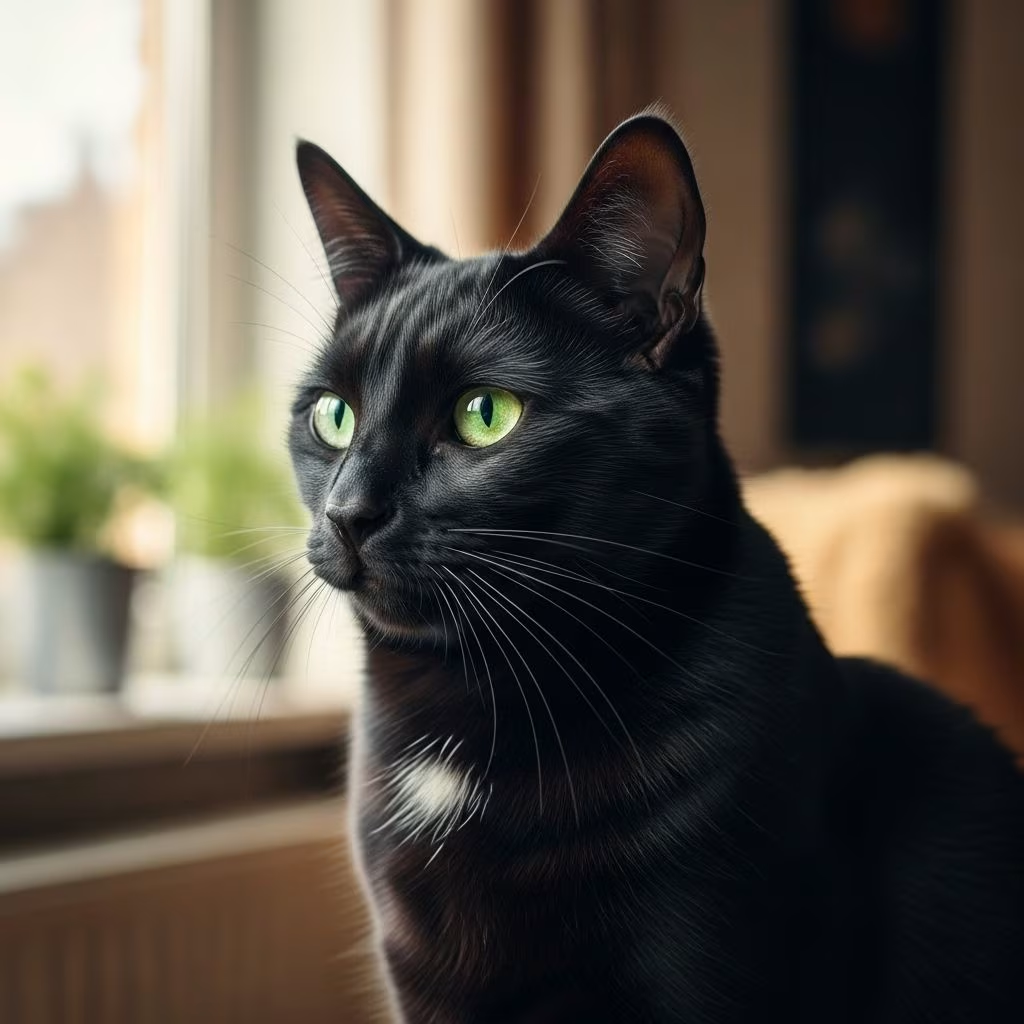
Black cats have long captivated human imagination, symbolizing magic, mystery, and—sometimes—misunderstood superstition. Whether you’re drawn to their sleek fur, their striking golden eyes, or their wide range of affectionate personalities, black cat breeds offer a fascinating blend of allure and charm. In this guide, we explore ten of the most popular black cat breeds, delving into their physical traits, temperaments, care needs, and the enduring myths that surround them.
Black Cat Mystique: History & Mythology
Throughout history, black cats have been central figures in myth and superstition. Ancient cultures often regarded them as good luck, while more recent European folklore sometimes painted them as omens of misfortune or companions of witches. Their association with the supernatural, combined with their golden eyes and glossy black coats (thanks to high melanin pigment), gives black cats a unique place in both legend and living rooms around the world.
- Ancient Egypt: Black cats were revered and considered bringers of good luck.
- Europe: Regarded with suspicion, particularly during the Middle Ages and witch hunts.
- Modern folklore: Symbolize both good and bad fortune depending on cultural context.
Understanding Black Cat Genetics & Coat Colors
Any domestic cat with solid black fur can be described as a black cat, regardless of breed. Genetics play a crucial role; most solid black cats carry a recessive gene that suppresses the tabby pattern, but faint markings may still appear under certain lighting. Some black cats display ‘rusting’ or a reddish-brown tint after prolonged exposure to sunlight, due to the fragility of the melanin pigment (eumelanin) in their coats.
| Coat Terminology | Description |
|---|---|
| Solid Black | Uniform black color from root to tip; most prized among breeders. |
| Black Smoke | Black fur with pale or white roots, giving a smoky appearance. |
| Rusting | Coat lightens to brownish-red in sunlight or due to tyrosine deficiency. |
10 Popular Black Cat Breeds
Of the many breeds recognized by cat associations, more than twenty feature solid black as a possible coat color. The following breeds are most renowned for their black coats, each with unique characteristics:
1. Bombay
Signature trait: Sleek, patent-leather black coat and copper eyes.
Bred in the 1950s to resemble a miniature black panther, the Bombay is the only breed where black is required. They’re social, playful, and typically easygoing, with a tendency to bond closely with their humans.
- Size: Medium
- Personality: Friendly, outgoing, energetic
- Coat: Short, glossy, deep black
- Care: Weekly brushing, regular play
2. Chantilly-Tiffany
Signature trait: Soft, silky black coat; golden eyes.
Known for their affectionate and human-oriented demeanor, Chantilly-Tiffany cats are loyal lap cats who follow their owners everywhere. Though they come in several colors, black is especially prized. Their eye color deepens with age.
- Size: Medium
- Personality: Affectionate, social, gentle
- Coat: Soft, semi-long, black
- Care: Moderately frequent grooming
3. Persian
Signature trait: Luxurious, fluffy black coat; flat face.
Persians are the epitome of the lap cat—gentle and calm, preferring a peaceful environment. Their dense, long fur can be high-maintenance and requires frequent grooming, especially in solid black.
- Size: Medium to large
- Personality: Quiet, sweet, laid-back
- Coat: Long, thick, can be solid black
- Care: Daily brushing, regular eye cleaning
4. Cornish Rex
Signature trait: Velvety, wavy black coat; large, expressive eyes.
Cornish Rexes stand out for their playful energy and unique fur texture. Their short, curly coat feels soft and is easy to maintain, and their gold or green eyes add to their striking appearance.
- Size: Small to medium
- Personality: Intelligent, active, affectionate
- Coat: Short, wavy, black
- Care: Minimal grooming
5. Devon Rex
Signature trait: Short, curly black coat; wide face.
Although similar to the Cornish Rex, the Devon Rex has a wider face and is unrelated genetically. They’re highly intelligent, outgoing, and love to interact with people.
- Size: Small
- Personality: Playful, sociable, curious
- Coat: Short, wavy, black
- Care: Gentle brushing, ear cleaning
6. Maine Coon
Signature trait: Majestic, thick black coat; tufted ears.
The Maine Coon is one of the largest domesticated cat breeds, sometimes topping 20 pounds. Majestic in black, these gentle giants are friendly, intelligent, and enjoy climbing. Their thick double coat requires attentive grooming.
- Size: Large
- Personality: Friendly, gentle, playful
- Coat: Double-layer, thick, black
- Care: Brushing several times a week
7. British Shorthair
Signature trait: Plush, dense black coat; round face.
Robust and sturdy, the British Shorthair sports a plush coat and often boasts copper or gold eyes. They’re famously calm and easygoing, making them ideal for multi-pet households.
- Size: Medium to large
- Personality: Calm, patient, sociable
- Coat: Dense, plush, black
- Care: Weekly brushing
8. American Bobtail
Signature trait: Bobbed tail; black, soft fur.
Sporting a trademark bobbed tail, the American Bobtail is noted for its athletic build and intelligence. Black-coated individuals have dense, rabbit-like fur, and the breed is well-suited for families and other pets.
- Size: Medium to large
- Personality: Social, adaptable, clever
- Coat: Short or long, dense black
- Care: Regular brushing
9. Japanese Bobtail
Signature trait: Unique bobbed tail; sleek black fur.
Friendly and sociable, Japanese Bobtails are beloved for their playful spirit and distinctive, short tails. Their coal-black coats are prized by breeders.
- Size: Small to medium
- Personality: Playful, interactive, affectionate
- Coat: Sleek, short, black
- Care: Minimal grooming
10. Exotic Shorthair
Signature trait: Plush black coat; oval face and large eyes.
Exotic Shorthairs resemble Persians with a short, dense coat, making them more manageable for grooming. Their oval faces and oversized eyes are distinctive, and they adapt well to various home environments.
- Size: Medium
- Personality: Calm, affectionate, adaptable
- Coat: Short, dense, black
- Care: Regular brushing
Black Cat Personality: Myths Versus Reality
Despite common stereotypes—which associate black cats with aloofness or even malevolence—research and cat owners agree that personality is determined more by breed and upbringing than fur color. Black cats display a wide range of behaviors, from outgoing and playful to tranquil and reserved.
- Bombay, Cornish Rex, Devon Rex: Social, playful, energetic
- Persian, Exotic Shorthair: Calm, affectionate, lap cats
- British Shorthair, Maine Coon: Gentle, friendly, easygoing
Caring for a Black Cat
No matter the breed, solid black coats require care and attention. Prolonged sunlight can trigger rusting, so consider sun-safe play areas. Routine grooming, proper diet (rich in amino acids like tyrosine), and veterinary checkups can keep your black cat looking their best.
- Brush regularly to distribute oils and maintain shine.
- Keep fur clean and free of mats, particularly for long-haired breeds.
- Monitor for coat rusting; consult a vet about supplementation if persistent.
- Schedule routine health checks and vaccinations.
Frequently Asked Questions (FAQs)
Are black cats rarer than other colored cats?
No, black is a common coat color across many breeds. However, the solid black gene is recessive, so not every breed frequently produces solid black kittens.
Are black cats friendlier, shyer, or more intelligent than other cats?
There’s no scientific evidence linking coat color to personality or intelligence; temperament depends mainly on breed and upbringing.
Do black cats require special grooming?
Not specifically for their color, but black coats show dandruff and dust more prominently and may rust in strong sunlight, so regular grooming and sun protection are recommended.
Which black cat breed is best for families?
Breeds such as the Bombay, British Shorthair, Maine Coon, and American Bobtail are known for their agreeable, sociable temperaments, making them ideal companions for homes with children and other pets.
Why are black cats associated with witches and magic?
European folklore often linked the mysterious nature of black cats with witchcraft and supernatural activity. In some cultures, however, they were considered lucky, especially in naval lore where black cats were believed to bring good fortune to ships.
Tips for Adopting a Black Cat
- Look beyond superstition and assess the cat’s temperament to find a great match.
- Black cats may be overlooked in shelters—adoption can save a life and dispel myths.
- Consider the breed’s energy level, grooming needs, and compatibility with your home.
Whether you’re looking for a loyal companion or a playful friend, black cat breeds offer exceptional diversity in personality, appearance, and charm. From the majestic Maine Coon to the elegant Bombay, choosing a black cat means embracing both ancient legend and modern affection.
References
- https://en.wikipedia.org/wiki/Black_cat
- https://www.rover.com/blog/black-cat-breeds/
- https://www.petmd.com/cat/general-health/black-cat-breeds
- https://basepaws.com/blog/black-cat-personality-myths-traits-and-bonds
- https://www.pumpkin.care/post/fascinating-facts-about-black-cats
- https://www.purina-arabia.com/find-a-pet/articles/cat-types/fur-type/black-cat-breeds