Sharing a home with a dog is one of life’s great joys — but managing persistent dog hair can be a challenge if shedding is an issue. For allergy sufferers, people who prefer a cleaner space, or those who just want less hair on their clothes and furniture, low-shedding breeds are a great solution. Read on for a comprehensive guide to 23 dog breeds that shed very little, along with grooming tips, care advice, and answers to common questions about “hypoallergenic” dogs.
Why Do Some Dogs Shed Less Than Others?
Shedding is a natural process as dogs lose old or damaged fur. However, the quantity and frequency of this shedding varies immensely among breeds. Several factors influence this:
- Genetics: Breed genetics largely determine shedding rates and coat types.
- Coat Type: Curly, wiry, or non-traditional coats (like hair instead of fur) tend to retain loose hair better than straight or double coats.
- Grooming Habits: Dogs requiring regular grooming often shed less visibly because loose hair is removed during brushing or trimming.
- Health and Environment: Diet, health, and the changing seasons can impact shedding intensity.
It’s important to note that “hypoallergenic” dogs do not exist — but low-shedding breeds typically produce fewer allergens and less visible hair, making them a popular choice for sensitive owners.
Top 23 Low-Shedding Dog Breeds
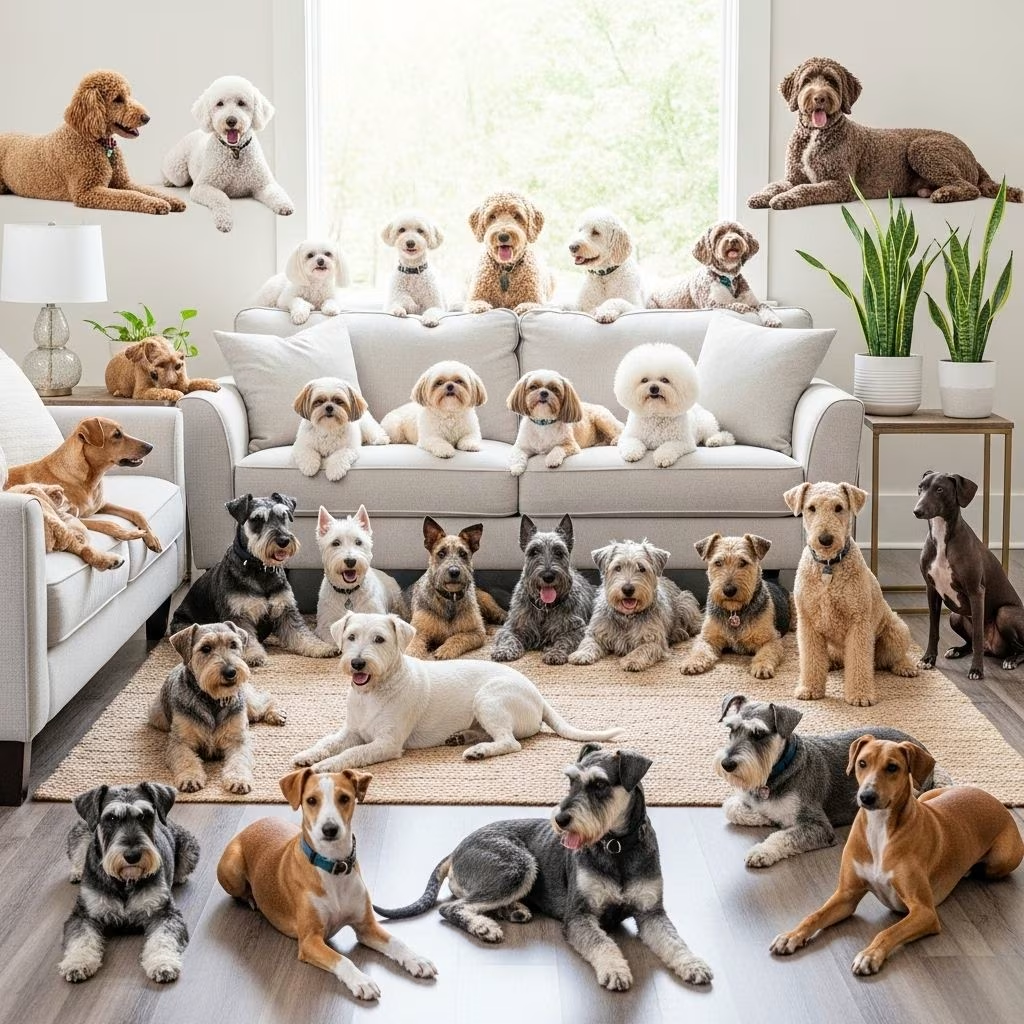
The following breeds are renowned for minimal shedding, though grooming requirements and temperament vary. This list includes both popular companions and some unique choices.
| Breed | Size | Coat Type | Shedding Level | Grooming Needs |
|---|---|---|---|---|
| Poodle (Toy, Miniature, Standard) | Small to Large | Curly, Dense | Very Low | High (Professional Grooming Recommended) |
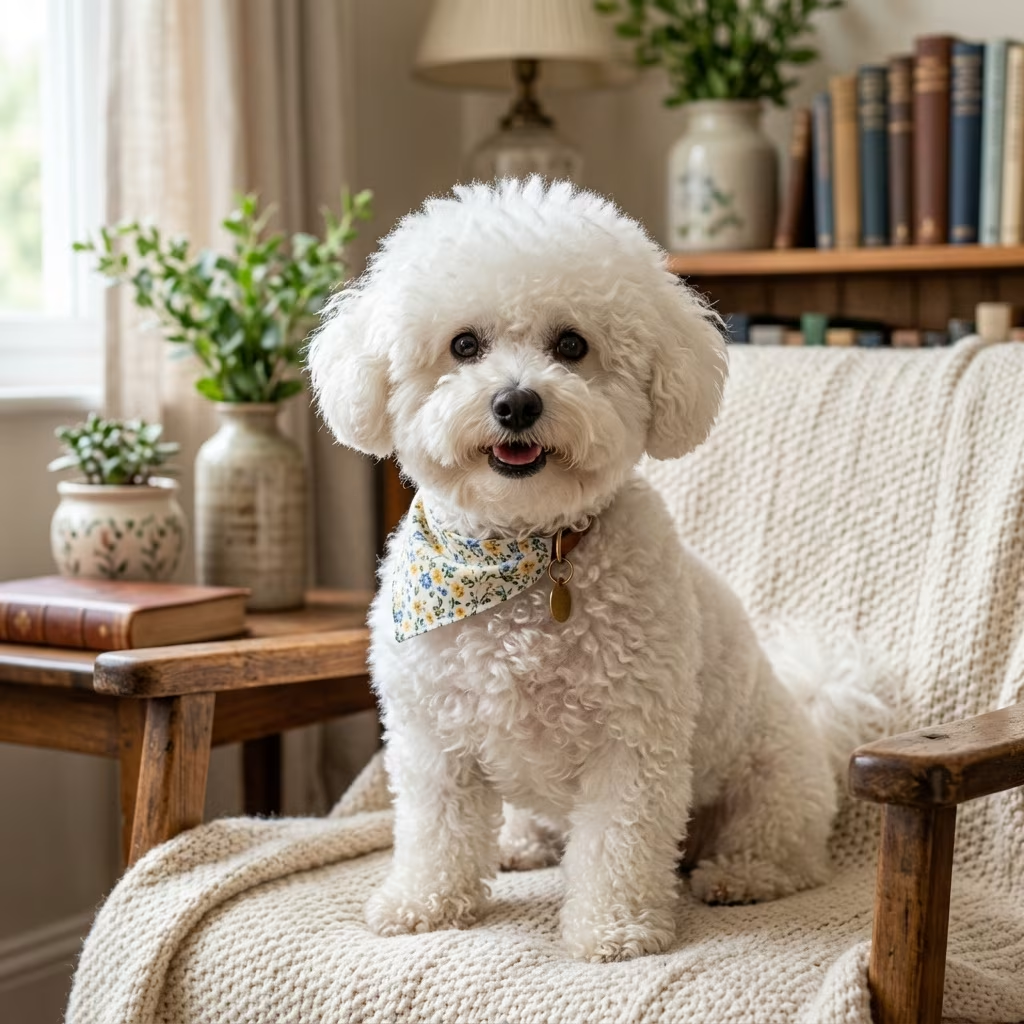
| Bichon Frise | Small | Curly, Soft | Very Low | High |
| Labradoodle / Goldendoodle | Medium to Large | Curly or Wavy, Dense | Low (Most Lines) | High |
| Portuguese Water Dog | Medium | Curly or Wavy, Water-Resistant | Very Low | Moderate to High |
| Lagotto Romagnolo | Medium | Curly, Woolly | Very Low | Moderate to High |
| Basenji | Small to Medium | Short, Fine | Very Low | Low |
| Bedlington Terrier | Medium | Curly, Woolly | Low | Moderate |
| Chinese Crested | Small | Hairless or Soft, Silky | Very Low | Low (Skin Care Essential) |
| Afghan Hound | Large | Long, Fine | Low | High |
| Irish Water Spaniel | Medium to Large | Curly, Dense | Low | High |
| Soft Coated Wheaten Terrier | Medium | Silky, Wavy | Low | Moderate to High |
| Kerry Blue Terrier | Medium | Wavy, Silky | Low | High |
| Yorkshire Terrier | Small | Long, Silky | Very Low | High |
| Shih Tzu | Small | Long, Flowing | Very Low | High |
| Havanese | Small | Silky, Flowing | Very Low | Moderate to High |
| Maltese | Small | Long, Silky | Very Low | High |
| Lhasa Apso | Small | Long, Dense | Very Low | High |
| Miniature Schnauzer | Small to Medium | Wiry, Dense | Low | Moderate |
| Scottish Terrier | Small | Wiry, Dense | Low | Moderate |
| Affenpinscher | Small | Wir, Dense | Very Low | Moderate |
| West Highland White Terrier | Small | Wiry, Dense | Low | Moderate |
| Brussels Griffon | Small | Wir, Rough or Smooth | Low | Moderate |
| Barbet | Medium | Curly, Dense | Low | High |
| Coton de Tulear | Small | Cottony, Soft | Low | High |
Spotlight: Most Popular Low-Shedding Breeds
Poodle (Toy, Miniature, Standard)
Poodles are a classic choice for families seeking a smart, affectionate, and active companion. Their tight curls trap shed hair, but require meticulous grooming: regular brushing and frequent trims are necessary to prevent matting.
Bichon Frise
With their cheerful demeanor and powder-puff appearance, Bichons are hypoallergenic favorites. Their curly coat is less likely to release dander and needs routine grooming to stay healthy and mat-free.
Labradoodle and Goldendoodle
These designer breeds combine Poodle intelligence and minimal shedding with Golden Retriever or Labrador Retriever affability. Shedding i may vary by individual, especially in early generations, so regular grooming and careful breeding are essential for truly low-shedding coats.
Portuguese Water Dog
Athletic, loyal, and energetic, this breed was historically used for aquatic work. Their hypoallergenic coat sheds little but can tangle easily, requiring routine maintenance.
Lagotto Romagnolo
This rare Italian breed is cherished for its woolly, barely-shedding curls and affectionate, energetic disposition. Regular brushing and grooming prevent mats and keep their coat in optimal condition.
What Does “Hypoallergenic” Really Mean?
Contrary to popular belief, no dog is truly “hypoallergenic.” Rather, low-shedding breeds tend to leave less hair and dander in your environment, reducing—but not eliminating—triggers for allergies. Dander (dead skin flakes) and saliva proteins, rather than just hair, are the primary culprits behind allergic reactions. Regular cleaning and grooming are always required for allergy-prone homes.
Can Mixed Breed or Designer Dogs Shed Less?
Mixed-breed dogs like Labradoodles, Goldendoodles, and Schnoodles can inherit low-shedding coats, but genetics aren’t predictable. Even pups from the same litter may vary in coat type and shedding. DNA testing can help predict shedding tendencies, especially if shedding is a primary concern in your household.
Grooming Tips for Low-Shedding Dogs
- Regular brushing removes dead hair, prevents matting, and distributes skin oils naturally.
- Professional grooming every 6-8 weeks is recommended for most curly or long-haired breeds.
- Bathing routines should be established according to your dog’s coat type — but too-frequent baths can cause skin dryness.
- Trim nails, clean ears, and brush teeth to safeguard against other health issues.
Managing Shedding and Allergies: Expert Advice
- Invest in a high-efficiency vacuum cleaner and lint rollers for any unavoidable hair.
- Use washable dog beds and blankets to catch loose fur and dander.
- Maintain a nutritious diet for skin and coat health, as poor nutrition can worsen shedding.
- Consult veterinarians about supplements (like fish oils) for optimal coat condition.
- Regularly wash your hands and your pet’s belongings to minimize allergen buildup.
Keep in mind that even the lowest-shedding dog isn’t maintenance-free—many of these breeds require more grooming to keep their coats and skin healthy.
Other Factors Influencing Shedding
- Seasonal changes can cause some shedding, even in low-shedding breeds, particularly in spring and fall.
- Hormones (spaying, neutering, pregnancy) can alter fur cycles.
- Disease and stress can lead to abnormal hair loss and should be evaluated by a veterinarian.
Frequently Asked Questions (FAQs)
Are low-shedding breeds always hypoallergenic?
Low-shedding breeds are less likely to trigger allergy symptoms, but no breed is 100% hypoallergenic. Dander, saliva, and urine still contain allergens, though these dogs produce less loose hair and dander than typical breeds.
Which large dog breeds shed the least?
Some of the largest low-shedding breeds include the Standard Poodle, Portuguese Water Dog, and Afghan Hound.
How often should I groom my low-shedding dog?
Many low-shedding breeds require daily to weekly brushing and professional grooming every 4–8 weeks. Curly or long-haired breeds may need more frequent maintenance to avoid tangles and mats.
Do short-haired dogs always shed less?
Not necessarily. Many short-haired dogs (like Labradors) are notorious shedders, while some long-haired breeds (like the Maltese) shed minimally. It’s the coat type and genetics, not the length, that matter most.
Will a low-shedding breed solve my allergy problems?
Low-shedding breeds reduce, but do not completely remove allergens. Routine cleaning and grooming, managing your environment, and speaking with your allergist are all key to minimizing symptoms.
Conclusion: Finding the Right Low-Shedding Dog
Choosing a low-shedding dog breed can significantly reduce household maintenance and help keep allergies at bay. Whether you’re seeking a loyal companion, active adventure buddy, or cuddly lapdog, there’s a low-shedding breed to fit nearly every lifestyle. Regardless of breed, providing regular veterinary care, appropriate nutrition, and consistent grooming remains the key to a healthy, happy, hair-free canine companion.
References
- https://www.wisdompanel.com/en-us/blog/dog-breeds-that-shed-the-least
- https://www.farmerpetes.com.au/blogs/blog/high-shedding-and-low-shedding-dog-breeds
- https://www.petmd.com/dog/general-health/hypoallergenic-dogs
- https://dogtime.com/dog-breeds/characteristics/amount-of-shedding/low-shed-dogs
- https://www.purina.com/dogs/dog-breeds/collections/low-shedding-dog-breeds