


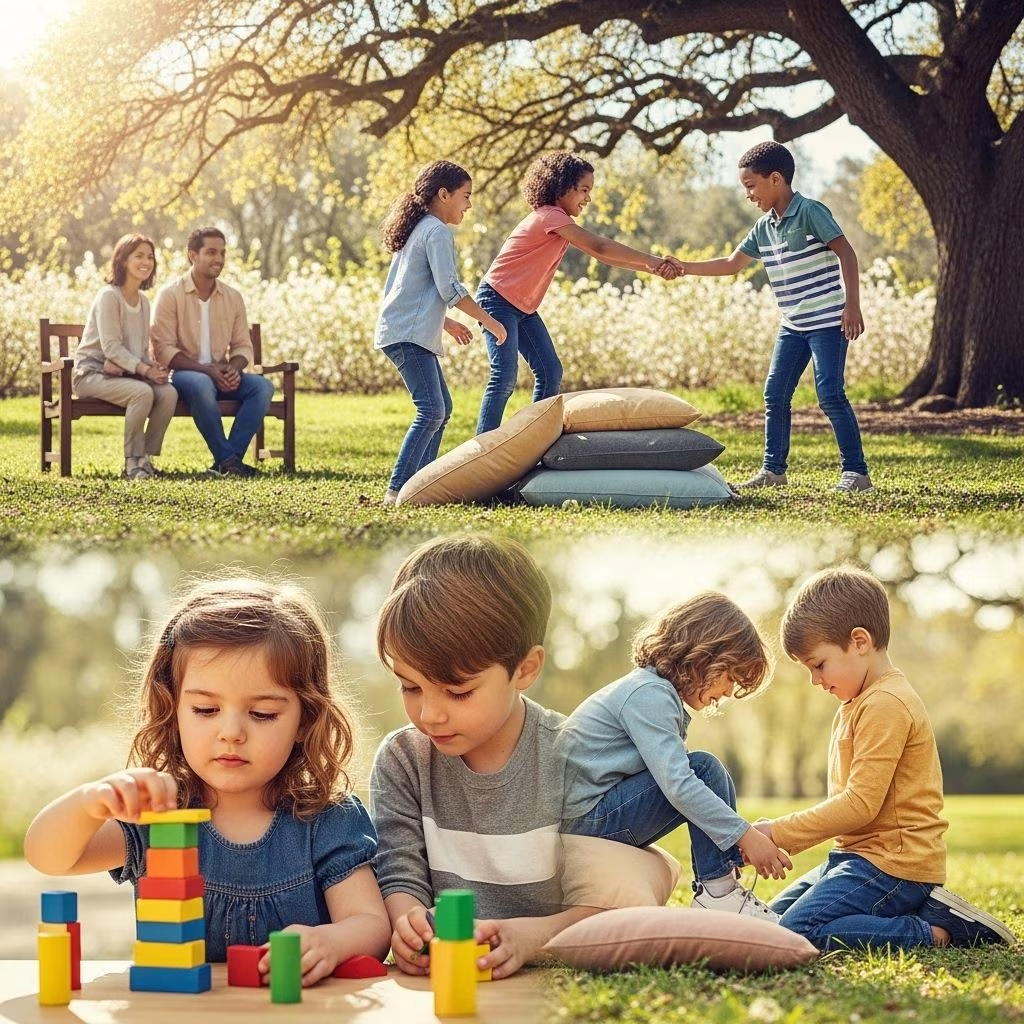
Raising children today can feel more complicated than ever, but some of the best parenting advice comes from generations past. These time-honored, old-school parenting rules continue to provide a foundation for raising responsible, respectful, and resilient children. Whether you’re a new parent or looking to strengthen your parenting approach, blending classic wisdom with modern insights can foster a happier and healthier family life.
Why Old-School Parenting Still Matters
Amid a world racing forward with technology and shifting social norms, some values and strategies stand the test of time. Classic parenting methods help children develop life skills, strong character, and a sense of community—qualities increasingly important in today’s fast-paced environment. Many proven traditions emphasized by previous generations are more relevant than ever for raising confident, considerate, and well-adjusted kids.
30 Time-Tested Parenting Tips That Still Work
- Be consistent. Follow through on rules and consequences to reinforce expectations and help children feel secure.
- Eat together. Regular family meals foster connection, communication, and a sense of belonging—even if it’s just once or twice a week.
- Let kids fail. Allowing children to experience setbacks and natural consequences encourages resilience and problem-solving.
- Send them outside to play. Time outdoors sparks imagination, supports health, and nurtures independence.
- Establish house rules. Clearly communicate expectations regardless of what other families allow.
- “Because I’m the parent” is enough sometimes. Not every decision requires negotiation or explanation; some actions are for your child’s benefit, even if they resist.
- Take away privileges. Consequences, like losing screen time or favorite activities, help kids learn accountability and responsibility.
- Let kids be bored. Unstructured time inspires creativity and independent play—kids don’t need constant entertainment.
- Carve out grown-up time. Maintaining adult relationships and interests sets a healthy example and helps you recharge.
- Establish a regular bedtime. Consistent sleep schedules support emotional regulation and overall well-being for the whole family.
- Refuse to be a short-order cook. Offer wholesome meals, but don’t cater to every picky request. Kids can choose to eat what’s served or wait until the next meal.
- Don’t let kids speak disrespectfully to you or others. Set clear standards for polite conversation and mutual respect.
- Insist on good manners. Teach basic etiquette—such as saying “please” and “thank you”—which helps children shine in social situations.
- Assign every family member chores. Even young children can pitch in. Doing chores fosters responsibility and a sense of contribution.
- Set a good example. Embody the behaviors and values you wish to see in your children; actions speak louder than words.
- Don’t let them interrupt when adults are talking. Teach patience and the importance of listening respectfully to others before speaking.
- Be a parent, not a friend. Parenting requires leadership, boundaries, and the courage to be unpopular for the sake of your kid’s growth.
- Cook and bake together. Kitchen time is quality bonding time and an opportunity to pass on valuable life skills.
- Tell your family’s story. Sharing your history and traditions strengthens family identity and helps children feel connected.
- Create traditions. Simple rituals, even if initially dismissed as silly, become cherished memories and foster a sense of belonging.
Deep Dives Into the Key Old-School Parenting Principles
Consistency Cultivates Trust
Children thrive when they know what to expect. Consistency is more than just enforcing chores or bedtimes; it’s about making your word reliable. When parents follow through with promises and consequences alike, kids learn trust and predictability. Mixed signals or empty threats can erode respect and lead to confusion. Staying firm and predictable, even when it’s challenging, cultivates a stable environment where children flourish.
The Importance of Family Meals
Sharing meals isn’t merely about nutrition—it’s a vital time for family bonding. Studies show that families who eat together experience better communication, stronger familial ties, and healthier eating habits. Even infrequent meals, like Sunday breakfast or a weekly dinner, can become a meaningful tradition. These moments allow parents to model gratitude, spark conversations, and reinforce values around togetherness.
Learning Through Failure
It can be tough to watch your child struggle or make mistakes, but failure teaches responsibility and resilience. When children solve their own problems—whether it’s completing a forgotten project or navigating a playground squabble—they develop critical life skills. Resist swooping in to fix every problem. Letting children take responsibility for their actions builds competence and confidence for life beyond the home.
The Power of Unstructured Play
Outdoor time and unscheduled play help children decompress, imagine, and connect with peers. Encourage your kids to spend time outside—whether it’s climbing trees, riding bikes, or inventing backyard games. Boredom, far from being harmful, actually stretches creative muscles and self-reliance. Give your child room to explore, make mistakes, and find entertainment outside of screens.
Establishing House Rules and Boundaries
Every household is different, but clear boundaries help children feel safe and understand expectations. Consistent rules around bedtimes, screen time, chores, and manners instill discipline and foster respect. Don’t feel compelled to compare your rules to those in other households. What matters most is what works for your family dynamic and aligns with your values.
When “Because I’m the Parent” is Enough
It’s natural for children to question rules, but not every parenting decision requires extended debate. Sometimes, “Because I said so” simply means “Because I care about you.” Explaining decisions is important, but expecting children to always agree is unrealistic. It’s okay to draw a line when needed—this teaches respect for authority and self-control.
The Application of Consequences
Discipline is about teaching, not punishing. Withdrawing privileges like screen time, outings, or special treats demonstrates cause and effect. The temporary discomfort of losing a favorite activity marks the lesson and reinforces accountability. Consistent, fair consequences, matched to the action, help reinforce your message and encourage better choices next time.
Letting Kids Embrace Boredom
Children need a healthy amount of downtime to develop their imagination and initiative. Constant stimulation stifles self-generated interests. Allowing kids to be bored teaches them to self-soothe, think creatively, and discover passions that stem from within rather than being supplied to them 24/7.
The Importance of Grown-Up Time
Parents need meaningful time together, away from their kids, to nurture their relationship and personal wellness. It’s healthy for children to see their caregivers prioritize self-care and grown-up friendships. Schedule date nights, hobbies, or even quiet moments—your whole family will benefit from happier, recharged parents.
Guarding Bedtime—for All Ages
Sleep is critical at every developmental stage. A regular bedtime routine sets expectations, limits late-night requests, and ensures everyone gets adequate rest. Children who sleep well are better behaved, healthier, and emotionally regulated. As an added perk, evenings become more peaceful for adults, too.
The Value of Family Chores
Responsibility is built through contribution. Assigning regular chores, no matter how small, teaches kids that they play a vital part in running the household. Whether it’s putting away toys, setting the table, or helping with laundry, these tasks help kids build competency, confidence, and a strong work ethic.
Modeling Manners and Etiquette
Good manners matter, despite changing times. Teaching your children to say “please,” “thank you,” and how to treat others respectfully gives them life-long tools for social success. Model these behaviors yourself: children absorb what they see and hear in the home. Reinforce these lessons gently but consistently to help your child stand out—in the right way.
Teaching Through Example: The Parent as Role Model
If you want children to be honest, generous, or hard-working, demonstrate these values yourself. Children are sharp observers and are most influenced by what you do, not what you say. Consistency between your values and your actions solidifies your credibility as a parent and helps kids internalize lessons over time.
Finding the Balance: Parent vs. Friend
While it’s important to enjoy activities and share special moments with your children, your primary role is as a parent, not a peer. Kids need strong leadership, boundaries, and the reassurance that you’re in charge. If your rules lead to occasional “I hate you” outbursts, it’s likely a sign you’re setting healthy boundaries. Popularity will follow in time when your children reflect on the wisdom and safety you provided.
Celebrating Family Through Stories and Traditions
Family storytelling and unique traditions foster a strong sense of identity and continuity. Sharing stories about grandparents, reliving special memories, or creating funny family rituals connects children to their roots. Even the simplest traditions can become cherished anchors children recall and repeat with their own families.
Practical Table: Sample Chores by Age
| Age Group | Sample Chores |
|---|---|
| 2-4 years | Put toys away, help feed pets, wipe up spills |
| 5-7 years | Set the table, make the bed, water plants |
| 8-10 years | Take out trash, fold laundry, sweep floors |
| 11+ years | Cook simple meals, mow lawn, help grocery shop |
Frequently Asked Questions (FAQs)
Q: Why do old-fashioned parenting rules remain important?
A: Classic parenting rules provide structure, teach life skills, and foster emotional development. Their focus on manners, responsibility, and respect is timeless, benefiting children in any era.
Q: How can I encourage my child to be more responsible?
A: Assign age-appropriate chores, provide consistent consequences for actions, and allow your child to solve their own simple problems. Model responsibility in your own behavior for best results.
Q: What do I do if my rules are stricter than other families?
A: Focus on what is best for your family’s values. Clearly communicate your expectations and the reasons behind them. Over time, children learn to appreciate clear boundaries and respect.
Q: How can I handle disrespectful behavior?
A: Address it promptly and calmly. Set clear expectations around respectful communication, and consistently enforce appropriate consequences when those standards are not met.
Q: Is it okay for kids to be bored?
A: Yes. Boredom fosters creativity, self-discovery, and the ability to entertain oneself without constant exterior stimulation.
Related Topics and Resources
- Fun fall crafts and activities for kids
- Family-friendly traditions to start this year
- Time management tips for busy parents
- Meaningful conversation starters for family meals
- Smart strategies for building strong family bonds
References
- https://www.countryliving.com/life/kids-pets/g19148171/good-parenting-tips/
- https://www.myparenttoolkit.com/blog/5-tips-for-deliberately-parenting-international-children
- https://rethinkrural.raydientrural.com/hubfs/Content%20Offers/Country%20Living%20for%20Kids%20Guide/How%20Country%20Living%20Builds%20Strong%20and%20Resilient%20Children%20eGuide.pdf
- https://www.countryliving.com/kids-parenting/
- https://www.herfamily.ie/parenting/20-things-youll-get-youre-raising-kids-country-255395
- https://bootsandhooveshomestead.com/raising-farm-kids-the-benefits-country-living/
- https://www.compeer.com/articles/2021/august-2021/moving-to-the-country-with-children


