9 Best Slow Feeder Dog Bowls for Happier, Healthier Mealtimes
If your dog wolfs down meals in seconds, you’re not alone. Many pet parents find themselves seeking ways to help their furry companions eat slower, promoting healthier digestion and reducing risks like choking, bloating, and obesity. Slow feeder dog bowls have emerged as a simple yet effective solution, featuring clever designs that pace even the hungriest pups. In this guide, we’ll explore the best slow feeder dog bowls available, the science behind their effectiveness, how to choose the right one for your dog’s size and habits, and expert tips on maximizing their benefits.
Why Use a Slow Feeder Dog Bowl?
Dogs evolved to eat quickly, but fast eating can cause digestive issues and even dangerous medical conditions such as bloat (gastric dilatation-volvulus), choking, and regurgitation. Slow feeder dog bowls physically obstruct straightforward access to food. By making your pup maneuver around ridges, mazes, or puzzles, they naturally learn to slow down and savor every bite. Benefits include:
- Improved digestion and reduced risk of bloating or choking
- Decreased overeating and risk of obesity
- Built-in mental stimulation and enrichment
- Prolonged meal times, reducing boredom and destructive behaviors
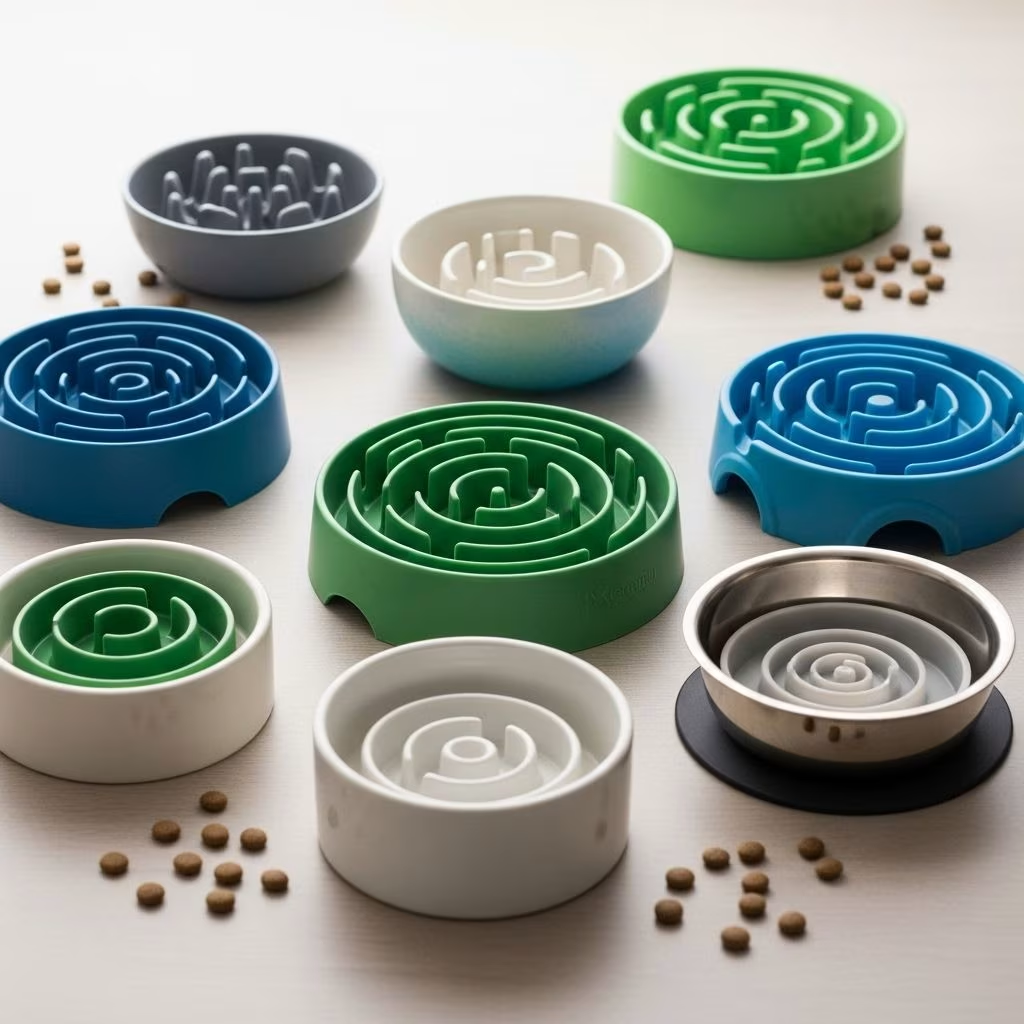
Slow feeders come in many forms, including classic bowl shapes with intricate mazes, lick mats, and enrichment puzzles that challenge your dog’s mind as much as their appetite.
Best Slow Feeder Dog Bowls of 2025
We researched and tested the most popular slow feeding solutions, consulting with leading veterinarians and canine behaviorists. Here are the top performers, each excelling for specific pup needs:
Pawaboo Ceramic Slow Feeder Dog Bowl
- Material: High-quality, heavy ceramic
- Best for: Medium to large breeds
- Pros:
- Extremely sturdy (hard to tip or slide)
- High, intricate ridges slow even the fastest eaters
- Elegant design fits in any home décor
- Cons:
- Heavy (may not suit all pet parents)
- Ceramic is breakable (needs careful handling)
This bowl stands out for its weight—ideal for preventing strong dogs from sliding or tipping over their food. However, its heft makes it less convenient to move or transport. The deep, high ridges offer a high challenge level, making it excellent for experienced slow feeder users and those looking to substantially lengthen mealtime.
Outward Hound Fun Feeder Slo Bowl
- Material: Durable plastic (BPA, PVC, and phthalate free)
- Best for: All breed sizes, especially rapid eaters
- Pros:
- Varied maze patterns and sizes
- Non-slip base
- Affordable and dishwasher safe
- Cons:
- Some dogs may master the simpler designs quickly
- May slide with enthusiastic eaters on slick floors
This classic is a favorite for its elongated ridges and spiral patterns that effectively slow most dogs. It comes in several patterns and sizes to suit specific breeds, from petite pups to giant breeds.
LickiMat Slomo Enrichment Feeder
- Material: Non-toxic rubber
- Best for: Wet, raw, or semi-moist foods
- Pros:
- Textured surface for licking (can freeze food for longer activity)
- Great for dogs prone to anxiety or boredom
- Ease of cleaning
- Cons:
- Not ideal for large kibble meals
- Best for light to moderate chewers
Lick mats like this promote slow feeding by encouraging your pup to lick food out of tiny grooves. Freezing the mat with food or treats increases the challenge and extends the mealtime, while providing soothing enrichment for anxious eaters.
PetSafe Busy Buddy Twist ‘n Treat
- Material: Rubber
- Best for: Dogs who crave both challenge and variety
- Pros:
- Adjustable difficulty with twisting design
- Holds treats, kibble, or soft foods
- Dishwasher safe
- Cons:
- Might be chewed by determined dogs
- Small size might not hold full meals for bigger dogs
This innovative bowl doubles as a treat-dispensing puzzle, making it a great option for high-energy breeds needing extra mental stimulation alongside a slow eating experience.
Super Design Mess Free 15° Tilted Slow Feeder Bowl
- Material: Melamine
- Best for: Flat-faced or senior dogs
- Pros:
- Ergonomic tilt reduces neck strain
- Raised patterns slow eating without frustration
- Stable, non-slip base
- Cons:
- Not ideal for very large meals
The tilted design is a win for short-snouted breeds or seniors with mobility issues, making the bowl easy to access without compromising on slow feeding benefits.
Dogit Go Slow Anti-Gulping Dog Bowl
- Material: Plastic
- Best for: Owners seeking simplicity
- Pros:
- Simple ridge design is effective and easy to clean
- Multiple sizes and colors
- Non-slip base
- Cons:
- May be too easy for clever dogs
Perfect for pet parents new to slow feeders or those seeking straightforward solutions, this bowl’s gentle ridges get the job done without overwhelming beginners.
Leashboss Slow Feed Dog Bowl for Raised Feeders
- Material: Plastic
- Best for: Dogs using elevated feeding stations
- Pros:
- Fits most raised feeder stands
- Robust non-slip edge
- Dishwasher safe
- Cons:
- May not suit extremely flat-muzzled dogs
Combining the best of both worlds—slow feeding and ergonomic height—this model is perfect for larger or aging dogs needing the support of an elevated feeder.
Totally Pooched Slow Feeder Wobble Bowl
- Material: Food-grade plastic
- Best for: Dogs who enjoy problem-solving
- Pros:
- Wobbling base adds challenge
- Maze design encourages foraging
- Engaging for high-energy pups
- Cons:
- May frustrate impatient eaters
This interactive bowl makes mealtime a game of balance and intellect, keeping smart dogs entertained and engaged.
Northmate Green Interactive Feeder
- Material: Food-grade plastic
- Best for: Both kibble and raw feeders
- Pros:
- Grass-like prongs slow eating dramatically
- Works for all food types
- Easy to clean and dishwasher safe
- Cons:
- Large footprint—needs more space
Veterinarian-recommended, the Northmate Green mimics the challenge of foraging, ensuring your dog takes their time with every meal. Its unique prongs are especially effective for enthusiastic gulpers.
Choosing the Right Slow Feeder: What to Consider
Every dog is different—what works wonders for one may not suit another. Consider the following when selecting a slow feeder:
- Size and Capacity: Match the bowl to your dog’s breed and daily food portion. Bowls should hold an entire meal, but not so much that food gets lost in deep crevices.
- Material: Plastic is lightweight and affordable but may scratch over time. Ceramic and stainless steel resist bacteria buildup but are heavier.
- Design Complexity: Deep ridges and intricate mazes slow down pros, but may frustrate puppies or short-snouted dogs. Start with a simple design if your pup is new to slow feeders.
- Base Stability: Non-slip, heavy bases prevent fast eaters from moving the bowl or tipping it over.
- Ease of Cleaning: Dishwasher-safe models save time and ensure food residue does not accumulate.
If you have a short-snouted (brachycephalic) breed or a tiny dog, opt for bowls with wider gaps and shallower crevices. For wet or raw feeders, textured mats or shallow puzzles work best.
Types of Slow Feeders
| Type | Best For | Pros | Cons |
|---|---|---|---|
| Slow feeder bowls | Dry/canned foods, all breeds | Suitable for full meals, lots of styles | May be tricky for short-snouted dogs |
| Lick mats | Wet/raw foods, boredom relief | Mental enrichment, can freeze food | Not ideal for large meals |
| Puzzle/toy feeders | Snacks, enrichment, intelligent breeds | Keeps dogs busy, adds mental challenge | Small food capacity, some require supervision |
Expert Advice: Maximizing Slow Feeder Effectiveness
- Rotate Designs: Offering several types (bowl, mat, puzzle) and switching them out prevents your dog from ‘solving’ a feeder and growing bored.
- Monitor Portions: Fill bowls to the appropriate level—generally one-third to half full—based on meal size and dog breed.
- Clean Regularly: Wash bowls after each use to prevent bacteria buildup, regardless of material.
- Tailor Difficulty: Choose a simpler design for senior dogs or those new to slow feeding, and more complex mazes for advanced users.
- Combine with Training: Use positive reinforcement to encourage new users, especially if your dog is initially frustrated by the puzzle.
Common Mistakes to Avoid
- Wrong Bowl Size: Too small or too large a bowl can make slow feeding ineffective or unenjoyable for your pet.
- Overfilling or Underfilling: Overloaded bowls can overwhelm pups or defeat the purpose, while underfilled bowls may make it difficult to eat.
- Poor Fit for Food Type: Use lick mats for wet and semi-moist foods, traditional bowls for dry kibble.
- Ignoring Snout Shape: Flat-faced dogs often need wider spacing to access food in the maze.
- Neglecting Cleaning: Always wash feeders promptly to prevent harmful bacteria growth.
Frequently Asked Questions (FAQs)
Q: What are the main benefits of slow feeder dog bowls?
A: Slow feeders reduce the risk of choking, bloating, and vomiting by extending mealtimes. They encourage healthier digestion and often add enrichment, reducing anxiety, boredom, and destructive behaviors.
Q: How should I choose the right slow feeder for my dog?
A: Consider your dog’s size, muzzle shape, eating habits, food type, and whether they need extra mental stimulation. Always supervise dogs new to slow feeders until you’re confident they’re eating safely.
Q: Are slow feeder bowls suitable for puppies or senior dogs?
A: Yes! Puppies benefit from learning to eat at a safe pace, while seniors may require ergonomic bows (e.g., tilted or shallow) for comfort. Always monitor and adjust the feeder design as your pet’s needs change.
Q: Do slow feeders work with wet, dry, and raw foods?
A: Most designs are versatile, but lick mats and shallow bowls excel for wet foods, while maze-style bowls are best for dry kibble.
Q: How often should I clean my dog’s slow feeder bowl?
A: Clean after every use, ideally with warm water and mild detergent, to prevent bacteria buildup and keep your pet safe and healthy.
Top Tips for Using Slow Feeder Bowls
- Introduce new slow feeders gradually; allow your dog to explore before mealtime.
- Use different slow feeders for different types of meals—rotate for extra enrichment.
- Monitor your dog the first few times to ensure safety and prevent frustration.
- Look for dishwasher safe models for easy maintenance.
- Stay consistent—making slow feeders a regular part of mealtime offers the best health benefits.
Final Thoughts
Slow feeder dog bowls are more than a trendy accessory—they are a proven, veterinarian-recommended tool to boost your dog’s physical and mental well-being. With options to suit every size, breed, and feeding style, there’s a solution for every pet parent. Invest in the right one for your pup, and enjoy watching them savor happier, healthier meals.
References
- https://www.countryliving.com/life/kids-pets/g44938886/best-slow-feeder-dog-bowls/
- https://superfeedy.com/en-us/blogs/slow-feeding/5-common-mistakes-people-make-when-using-a-slow-feeder-dog-bowl
- https://superfeedy.com/en-us/blogs/news/what-to-look-for-in-a-slow-feeder-dog-bowl-design
- https://talis-us.com/blogs/news/top-6-slow-feeder-dog-bowls-to-help-your-pup-eat-healthy
- https://www.walmart.com/ip/Country-Living-Elevated-Country-Feeder-2-Stainless-Steel-Bowls-Dark-Green-32oz-Each/5622531703
- https://beverlycenter.com/buy/landing/dog-bowls
- https://www.countryliving.com