American Staffordshire Terrier Overview
The American Staffordshire Terrier, often called AmStaff, stands out for its muscular physique, confident demeanor, and devotion to its family. This high-energy breed is celebrated for its intelligence, playfulness, and loyalty, making it a cherished companion in millions of homes. Though their strong, imposing look may intimidate some, their loving nature makes them agreeable family members. Understanding their unique traits is essential to providing them with the best care and environment.
History and Origin
Originating in the 19th century, the American Staffordshire Terrier emerged from crosses between bulldogs and terriers. These ancestors were originally bred for bearbaiting, bullbaiting, and dogfighting—activities that prioritized strength and tenacity. Over time, selective breeding shifted toward developing dogs with stable temperaments suitable for companionship, farm work, scent detection, and hunting rodents. The breed gained popularity through cultural icons like “Pete the Pup” from the Our Gang comedy series, symbolizing the all-American pet.
It is important to note that authorities differ in classifying the breed: the American Kennel Club (AKC) recognizes the American Staffordshire Terrier as distinct from the American Pit Bull Terrier, while other organizations, like the United Kennel Club, group them under the Pit Bull umbrella.
Physical Characteristics
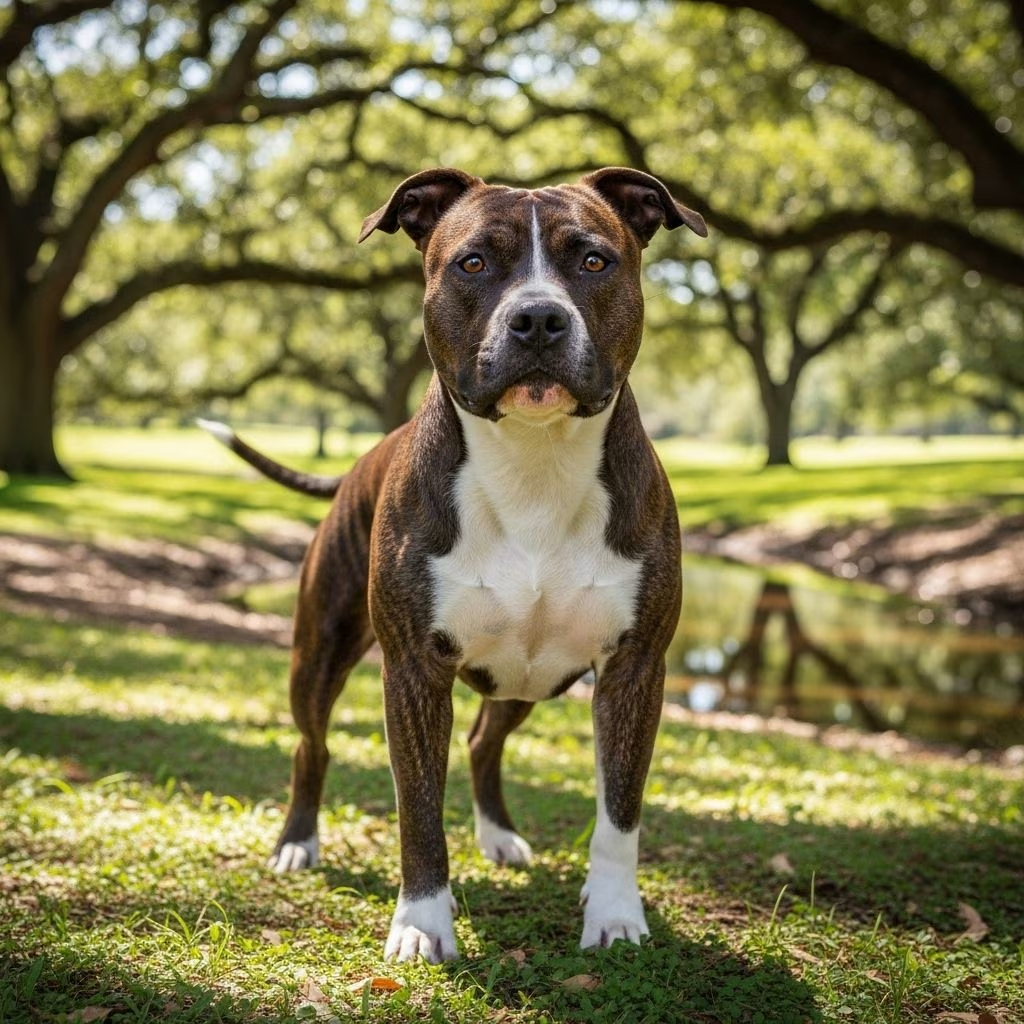
The American Staffordshire Terrier exhibits a well-balanced, powerful build.
- Height: Males stand 18–19 inches; females 17–18 inches at the shoulder.
- Weight: Typically ranges between 45–70 pounds (20–32 kg).
- Build: Stocky, muscular, and agile, their physical strength is impressive for their size.
- Head: Broad skull, pronounced cheeks, medium length with a distinct stop; strong jaw structure.
- Ears: Set high, may be cropped or natural rose-shaped; the latter are generally preferred.
- Coat: Short, sleek, and stiff; low-shedding and easy to maintain.
- Color: Accepts most colors; discouraged if over 80% white, liver, or black-and-tan.
Breed Comparison Table
| Feature | AmStaff | Pit Bull |
|---|---|---|
| Recognized by AKC? | Yes | No (Pit Bull Terrier recognized by UKC) |
| Primary Use | Companion, Show Dog | Varied (History in working/sport) |
| Temperament | Loyal, Confident, Playful | Similar |
| Build | Stocky, muscular | Muscular, variable |
Personality and Temperament
AmStaffs are known for their loving, affectionate nature and strong loyalty to their families. Despite their origins, responsible breeding has produced dogs with reliable, friendly temperaments around people:
- Affectionate: Enjoys being close to humans and delights in cuddling.
- Playful and High-Energy: Prefers vigorous activities and daily exercise. A minimum of 60 minutes of physical activity is recommended.
- Socialization: Reserved with strangers; early socialization helps balance natural wariness and develops lifelong social skills.
- Protective: Courageous and alert, providing a sense of security for their home and family.
- Intelligent: Learns quickly, responds well to positive reinforcement, and enjoys mental challenges.
With children, AmStaffs are patient and gentle, but interactions should always be supervised. Their strong prey drive can complicate relationships with smaller pets; careful introductions and ongoing training are necessary to cultivate safe coexistence.
Training and Behavior
Training Guidelines
- Start Early: Begin training and socialization as puppies for optimal results.
- Positive Methods: Use reward-based techniques; the breed responds best to playful, fun training rather than force.
- Anxiety Management: AmStaffs can be prone to separation anxiety. Establishing routines and enrichment helps prevent behavioral issues.
- Mental Stimulation: Include games, puzzle toys, and advanced obedience exercises to keep their minds engaged.
Behavioral Traits
- Vocalization: Bark in response to strange noises but generally remain quiet enough for apartment living.
- Prey Drive: Strong inclination to chase small animals; training mitigates this tendency.
- Socialization: Critical for introducing to other dogs and pets, especially during puppyhood.
- Competitive Spirit: Thrive in agility, obedience, flyball, weight pulling, and other dog sports.
Care and Upkeep
Exercise Needs
- Minimum of 60 minutes of vigorous exercise daily, such as running, hiking, agility training, or interactive play.
- Participates enthusiastically in canine sports—demonstrating both athleticism and enjoyment of physical challenge.
Living Arrangements
- Apartment-Friendly: Their moderate size and quieter nature make them suitable for apartments, provided their exercise needs are met.
- Secure Yard: Fenced, dig-proof yards are crucial to prevent escapes, especially given their strength and determination.
- Climate Sensitivity: Do not tolerate extremes of heat or cold; care should be taken in adverse weather conditions.
Grooming
- Low Maintenance Coat: Short, sleek coat requires minimal grooming—monthly baths and weekly brushing are recommended.
- Nail Care: Nails grow quickly; trim them weekly to avoid overgrowth.
- Dental and Ear Care: Routine dental hygiene and ear cleaning are essential for overall health.
Nutrition and Health
- Diet: Feed high-quality commercial or home-prepared food appropriate to age, size, and activity level.
- Puppy Nutrition: Use large-breed puppy food to slow growth and help prevent hip dysplasia, a known issue for the breed.
- Water: Provide fresh, clean water at all times.
- Treats: Offer healthy treats in moderation; avoid foods high in fat or sugar.
Health Concerns: AmStaffs are generally healthy but can be prone to certain conditions:
- Hip Dysplasia: Genetic screening, proper nutrition, and controlled activity during puppyhood can reduce risk.
- Allergies: May experience food or environmental allergies.
- Skin issues: Short coat can make them susceptible to abrasions or irritation.
Regular veterinary check-ups and preventive care are key to maintaining optimal health throughout an AmStaff’s life.
Living with American Staffordshire Terriers
- Loyalty: AmStaffs thrive in homes where they are embraced as family members.
- Adaptability: Versatile and able to adjust to both active and laid-back lifestyles, though they must remain close to those they trust.
- Enrichment: Mental and emotional engagement—through toys, social interaction, and tasks—help keep them healthy and content.
- Supervision: It is always safest to supervise interactions with children and other animals, especially given their strength and strong prey drive.
Common Misconceptions
Despite their affectionate and loyal disposition, misconceptions about the American Staffordshire Terrier persist, often fueled by their historic association with dog fighting and their resemblance to the Pit Bull. Responsible ownership, proper socialization, and obedience training are vital in dispelling myths and revealing the breed’s true, gentle nature.
- Aggression: Not inherently aggressive toward people; temperament issues typically arise from poor training or irresponsible breeding.
- Breed Confusion: Often mistaken for Pit Bulls, though distinct in breed standards and typical disposition.
Is the American Staffordshire Terrier Right for You?
As energetic and intelligent dogs, AmStaffs thrive in active, engaged households. They require a committed owner willing to invest time in training, exercise, and socialization. The ideal environment includes:
- Regular physical activity and mental stimulation
- Firm, positive training and clear boundaries
- Secure living space
- Affectionate family members
Frequently Asked Questions (FAQs)
Q: Are American Staffordshire Terriers good with children?
A: Yes, AmStaffs are typically gentle and patient with children when properly socialized. However, due to their strength, all interactions should be supervised.
Q: How much exercise does an American Staffordshire Terrier need?
A: They require at least 60 minutes of vigorous daily exercise. Without sufficient activity, they may develop behavioral issues due to pent-up energy.
Q: Are AmStaffs aggressive toward other dogs?
A: They can be dog-aggressive, especially without early positive socialization. Supervised introductions and careful management are essential.
Q: How easy is it to groom an American Staffordshire Terrier?
A: Their short, sleek coats are low-shedding and require minimal care—monthly baths and weekly brushing suffice.
Q: Can AmStaffs adapt to apartment living?
A: Yes, with adequate exercise and enrichment, AmStaffs can thrive in apartment settings due to their moderate size and relatively quiet nature.
Quick Breed Facts
- Lifespan: 12–16 years with appropriate care
- AKC Group: Terrier
- Intelligence: High
- Exercise Needs: High
- Grooming: Low maintenance
- Temperament: Loyal, energetic, affectionate
Conclusion
The American Staffordshire Terrier embodies strength, loyalty, and exuberance. Well-socialized and trained AmStaffs are loving, devoted family members who flourish when actively engaged both mentally and physically. If you are prepared to dedicate time and affection to this remarkable breed, you will be rewarded with an intelligent, steadfast, and affectionate companion whose courage and devotion are truly extraordinary.
References
- https://en.wikipedia.org/wiki/American_Staffordshire_Terrier
- https://www.akc.org/expert-advice/dog-breeds/american-staffordshire-terrier-fun-facts/
- https://www.britannica.com/animal/American-Staffordshire-terrier
- https://www.hillspet.com/dog-care/dog-breeds/american-staffordshire-terrier
- https://www.petmd.com/dog/breeds/american-staffordshire-terrier
- https://www.akc.org/dog-breeds/american-staffordshire-terrier/
- https://www.chewy.com/education/dog/general/american-staffordshire-terrier-vs-pit-bull
- https://figopetinsurance.com/blog/figo-american-staffordshire-terrier-breed-guide
- https://www.youtube.com/watch?v=XAh2X7jovFg