Belgian Sheepdog: Breed Overview
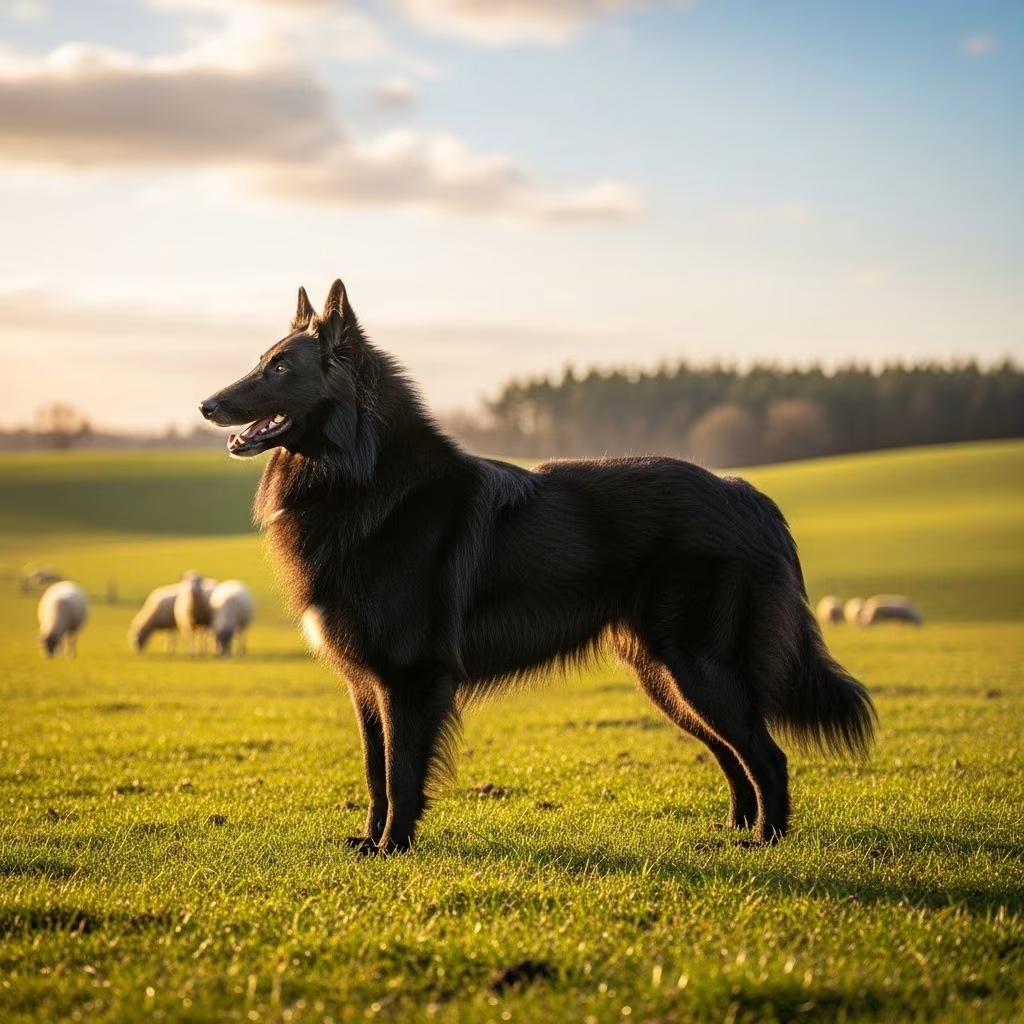
The Belgian Sheepdog, renowned for its intelligence, versatility, and unwavering loyalty, is a breed steeped in history and developed for excellence in herding and working roles. Also known as the Groenendael, this medium-to-large dog impresses with its elegant black coat, proud carriage, and keen expression. Bred in Belgium for demanding farm work, the Belgian Sheepdog has since become a cherished companion and top performer in various service fields.
History and Origin
Belgian Sheepdogs trace their lineage to the 1880s when shepherd dogs across Belgium, Germany, France, and the Netherlands were broadly categorized as continental shepherd dogs. In Belgium, the breed’s versatility and intelligence led farmers to develop distinct local variants, each connected to its native village: Groenendael, Laekenois, Malinois (Mechelar), and Tervuren.
- Club Formation: The Belgian Shepherd Dog Club formed in 1891, establishing breed standards and cementing the Belgian Sheepdog’s traits.
- AKC Recognition: The American Kennel Club (AKC) began recording Belgian Sheepdogs in 1912, initially registering Groenendael, Tervuren, and Malinois as a single breed. By 1959, distinct coat types and colors led the AKC to recognize four separate Belgian herding breeds.
Today, the Belgian Sheepdog is celebrated worldwide for its historic contributions to farming, cart pulling, and flock tending, as well as its modern versatility in police work, search and rescue, and therapy.
Physical Characteristics
General Appearance
The breed exhibits a proud, square, and elegant physique. Belgian Sheepdogs are well-balanced, strong, and agile, with a distinctive black double coat that exudes both beauty and function.
- Size: Males typically stand 23–24 inches tall and weigh 55–75 lbs; females are 22–24 inches, weighing 40–60 lbs.
- Build: Robust, developed for endurance and outdoor living. The breed’s athleticism is evident in its quick movement and enthusiastic demeanor.
Head and Expression
- Head: Clean-cut, proportionate to the body, with a flattened top skull and well-defined lines. The muzzle is moderately pointed and of equal length to the skull.
- Eyes: Medium, almond-shaped, dark brown, projecting intelligence and readiness for activity.
- Ears: Triangular, stiff, erect, positioned proportionally to the head.
Color and Coat
- Coat: Double-layered for weather resistance; outer hair is dense and rich, providing protection against wet and cold climates. Undercoat is similarly dense.
- Color: Predominantly black; small white patches allowed on forechest, chin, muzzle, and tips of toes. Any non-black color outside specified white areas leads to disqualification.
Black coats may experience mild seasonal sunburn; this is common and not penalized if the underlying pigmentation is sound.
Temperament and Personality
The Belgian Sheepdog is famous for its trainability, intelligence, and devotion. Often labeled as “workaholics,” these dogs possess an innate drive to please and excel.
- People-Oriented: Forms strong bonds with family; not suited to kennel living or isolation due to risk of separation anxiety and behavioral issues.
- Protective Instincts: Naturally territorial and highly alert, they make excellent watchdogs and protective companions.
- Energy Levels: Very energetic and constantly eager for activity; thrives with regular mental and physical stimulation.
- Temperament Range: Varies among individuals, from gentle and sensitive to more assertive—extensive early socialization is critical.
Belgian Sheepdogs excel in obedience, herding, agility, law enforcement, search and rescue, and therapy roles—making them ideal for experienced owners seeking an active partner.
Belgian Sheepdog vs. Other Belgian Breeds
| Trait | Belgian Sheepdog (Groenendael) | Malinois | Tervuren | Laekenois |
|---|---|---|---|---|
| Main Coat Color | Black | Fawn with black overlay | Fawn or mahogany with black mask | Fawn, rough texture |
| Coat Length | Long, dense | Short | Long, silky | Wire, curly |
| Temperament | Loyal, slightly reserved | Energetic, alert | Active, intelligent | Resilient, lively |
| AKC Group | Herding | Herding | Herding | Herding |
Though all four Belgian breeds share common genetic and historical roots, their primary distinctions lie in coat type, color, and slight temperament differences.
Grooming and Maintenance
Coat Care: The Belgian Sheepdog’s double coat sheds seasonally—typically twice a year. Routine grooming is crucial to maintain coat health and minimize shedding.
- Brushing: Brush 1–2 times weekly; more frequent during shedding seasons to remove loose hair.
- Bathing: Only when dirty or necessary; excessive bathing may strip natural oils from the coat.
- Nails & Hygiene: Regular nail trimming and dental care support general health.
Ear, eye, and skin checks should be performed weekly to spot issues early.
Health and Lifespan
The breed is generally healthy, with a typical lifespan of 10–12 years. Routine veterinary visits, responsible breeding, and genetic health testing help maintain a robust population.
- Common Health Issues:
- Hip and elbow dysplasia (rare but present in the gene pool)
- Ocular issues (progressive retinal atrophy)
- Occasional skin and coat problems
- Prevention & Monitoring: Responsible breeders screen for hereditary diseases; regular exercise and a balanced diet support general well-being.
It’s important for owners to consult with breed clubs and veterinarians familiar with Belgian Sheepdog-specific health concerns.
Exercise Needs
Belgian Sheepdogs require abundant exercise, both mentally and physically. Highly energetic, they excel in:
- Herding and farm work
- Agility training
- Competitive obedience and rally
- Search, rescue, and protection roles
- Outdoor activities—running, hiking, active play
The breed can adapt to apartment living if adequately exercised but thrives in homes with access to yards or nearby parks. Lack of engagement may lead to hyperactivity, excessive barking, and undesirable behaviors.
Training and Socialization
The Belgian Sheepdog is exceptionally trainable, responding well to positive reinforcement and clear leadership. Early socialization is essential to ensure appropriate interactions with people, animals, and novel situations.
- Training: Firm yet gentle guidance fosters confidence and obedience—harsh methods may cause mistrust or sensitivity.
- Socialization: Expose puppies to varied environments, people, pets, sounds, and experiences.
- Working Instincts: Prospective owners should understand natural herding tendencies (chasing, circling, nipping) are instinctual and require management, especially around young children.
Belgian Sheepdogs enjoy working and prefer tasks that challenge their minds and bodies. Protection training is unnecessary unless pursuing sport or service work—natural guarding instincts are inherent.
Suitability as Family Companion
This breed flourishes in homes where companionship, structure, and engagement are prioritized.
- Best Owners: Experienced handlers who understand herding breeds and are committed to active lifestyles.
- Great with: Older children, active families, competitive trainers, outdoor enthusiasts.
- Less ideal for: Families with toddlers or those unable to provide sufficient exercise—natural herding instincts may overwhelm young children.
- Multi-talented: Excels as a service, therapy, or performance dog.
The Belgian Sheepdog forms deep bonds and may find isolation or lack of stimulation distressing.
Frequently Asked Questions
Q: Is the Belgian Sheepdog good with children?
A: Belgian Sheepdogs can be excellent companions for older, respectful children. Their herding instincts may prompt them to chase and circle toddlers, occasionally nipping at heels, which means caution is advised around very young or excitable children. Early socialization and supervision are key for positive interactions.
Q: How much exercise does a Belgian Sheepdog need?
A: This breed requires at least one to two hours of physical and mental activity daily. Activities should include walks, runs, training exercises, and playtime. Insufficient exercise may result in hyperactivity or destructive behavior.
Q: Is the Belgian Sheepdog easy to train?
A: Yes. Known for their intelligence and eagerness to please, Belgian Sheepdogs take well to positive reinforcement and structured, consistent routines. They excel in obedience, agility, and various working roles.
Q: What are the grooming requirements for this breed?
A: Regular brushing, especially during shedding seasons, keeps the coat healthy. Bath as needed, trim nails routinely, and perform weekly health checks.
Q: Can Belgian Sheepdogs live in apartments?
A: With sufficient exercise and mental stimulation, Belgian Sheepdogs can adapt to apartment living. However, they thrive best in homes with access to outdoor spaces.
Conclusion
The Belgian Sheepdog is an exceptional breed combining intelligence, loyalty, versatility, and striking appearance. Ideal for active families and experienced owners, this legendary herding dog offers a rewarding partnership and excels in a variety of roles, from loyal companion to celebrated working dog.
References
- https://www.akc.org/dog-breeds/belgian-sheepdog/
- https://www.akc.org/expert-advice/dog-breeds/belgian-sheepdog-right-for-you/
- https://www.akc.org/expert-advice/dog-breeds/belgian-sheepdog-history/
- https://bsca.info/wp-content/uploads/2018/05/Illustrated-Standard.pdf
- https://www.hillspet.com/dog-care/dog-breeds/belgian-sheepdog
- https://bsca.info/about/
- https://www.akc.org/expert-advice/dog-breeds/meet-belgian-breeds/
- https://showsightmagazine.com/dog-breeds/belgian-sheepdog/