Finding the perfect family dog can be challenging, especially when allergies are a concern. If you or your loved ones suffer from pet allergies but dream of adding a furry companion to your household, hypoallergenic dog breeds offer an excellent solution. While no dog is completely 100% hypoallergenic, certain breeds shed significantly less and produce fewer allergens, making them ideal choices for allergy-sensitive families.
The key to understanding hypoallergenic dogs lies in recognizing that most pet allergies are triggered by dander (dead skin cells), saliva, and proteins found in a dog’s coat rather than the hair itself. Dogs with hair instead of fur, single coats rather than double coats, and minimal shedding tendencies are generally better options for people with allergies.
Understanding Hypoallergenic Dogs
Before diving into specific breeds, it’s important to understand what makes a dog hypoallergenic. The term “hypoallergenic” means “less likely to cause allergic reactions,” but it doesn’t guarantee complete immunity from allergies. These dogs typically share several characteristics:
- Minimal shedding patterns
- Hair instead of fur
- Single-layer coats
- Reduced dander production
- Less drooling tendencies
Dogs with these traits help maintain cleaner homes with less pet hair on furniture, clothing, and floors. They also distribute fewer allergens throughout your living space, making them more suitable for allergy sufferers.
Top Small Hypoallergenic Dog Breeds
Yorkshire Terrier
Yorkshire Terriers are among the most popular small hypoallergenic breeds, and for good reason. These compact companions weigh between 4-7 pounds and stand 7-8 inches tall. Their silky, fine hair grows continuously like human hair, which means minimal shedding and less dander distribution throughout your home.
Yorkies are known for their big personalities despite their small size. They’re intelligent, loyal, and make excellent watchdogs. However, they can be somewhat bossy and require consistent training and socialization. Their grooming needs are moderate to high, requiring regular brushing to prevent matting and professional grooming every 6-8 weeks.
Bichon Frise
The Bichon Frise is a cheerful, fluffy white dog that stands 9-12 inches tall and weighs 12-18 pounds. Their powder-puff appearance comes from a double coat with soft, curly outer hair that traps loose undercoat hair, preventing it from falling around your home.
These dogs are known for their friendly, gentle nature and excellent compatibility with children and other pets. Bichon Frises are intelligent and relatively easy to train, making them ideal family companions. They do require regular grooming every 4-6 weeks and daily brushing to maintain their coat and prevent matting.
Shih Tzu
Originally bred as royal lapdogs in Tibet, Shih Tzus are affectionate, calm companions that weigh 9-16 pounds and stand 9-10.5 inches tall. Their long, silky double coat sheds minimally, and the hair that does fall out typically gets caught in their coat rather than spreading around your home.
Shih Tzus are known for their friendly, outgoing personalities and adaptability to various living situations. They’re excellent apartment dogs and enjoy both playtime and relaxation. Regular grooming is essential, including daily brushing and professional grooming every 6-8 weeks.
Medium to Large Hypoallergenic Breeds
Poodles (Standard, Miniature, and Toy)
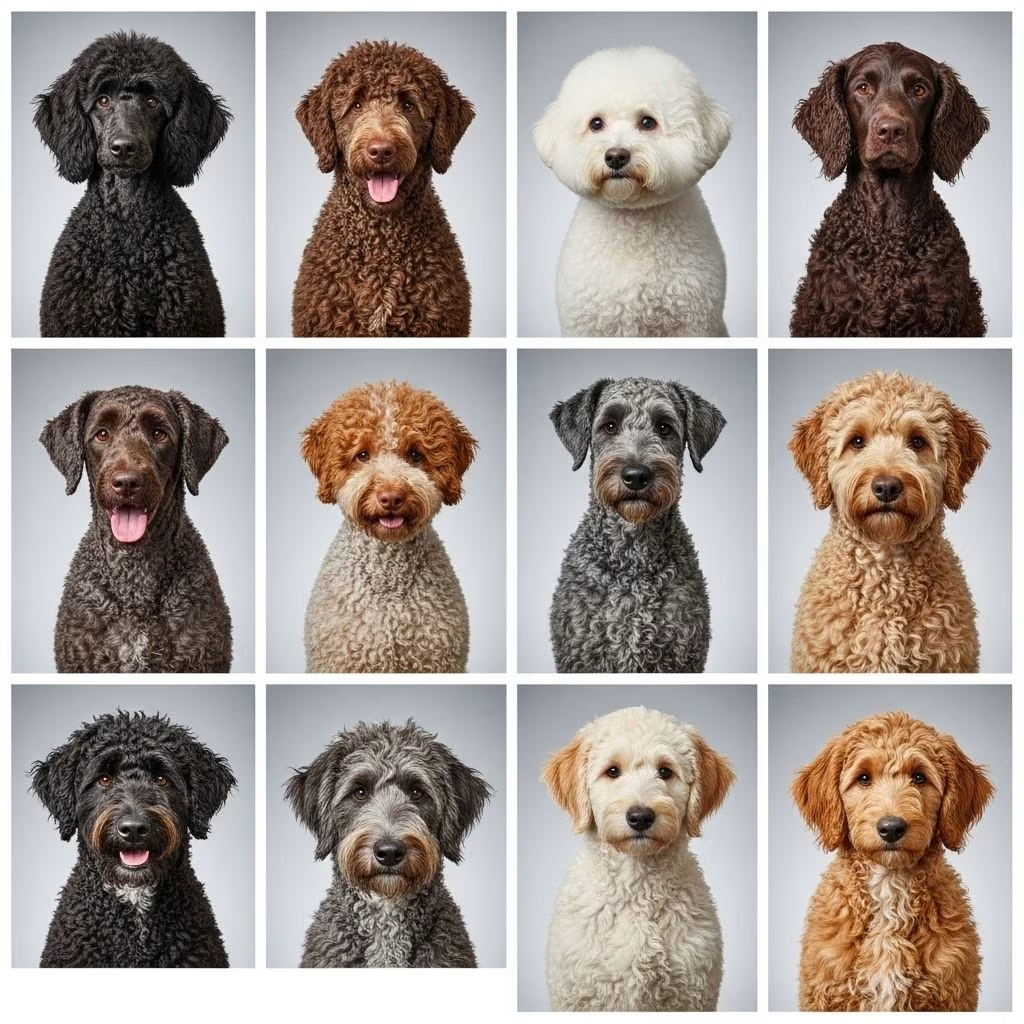
Poodles come in three sizes and are considered the gold standard of hypoallergenic dogs. Their curly, dense, single-layer coat sheds very little and traps loose hair within the curls. Standard Poodles stand over 15 inches tall and weigh 45-70 pounds, while Miniature Poodles are 10-15 inches tall weighing 10-15 pounds, and Toy Poodles are under 10 inches tall weighing 4-6 pounds.
All Poodle varieties are highly intelligent, trainable, and active dogs that require mental and physical stimulation. They’re excellent family dogs with gentle, friendly temperaments. Their coats require professional grooming every 6-8 weeks and regular brushing to prevent matting.
Portuguese Water Dog
Medium-sized Portuguese Water Dogs were originally bred to assist fishermen and are known for their intelligence and high energy levels. They stand 17-23 inches tall and weigh 35-60 pounds. Their thick, curly or wavy coat is waterproof and sheds minimally.
These dogs are excellent swimmers and require substantial daily exercise. They’re highly trainable, loyal, and make great family pets for active households. Regular grooming every 6-8 weeks is necessary, along with weekly brushing to maintain their coat.
Airedale Terrier
Known as the “King of Terriers,” Airedales are the largest terrier breed, standing 22-24 inches tall and weighing 50-70 pounds. Their wiry, dense coat sheds minimally but does require regular grooming to maintain its texture and appearance.
Airedales are intelligent, confident, and energetic dogs that need consistent training and socialization. They can be excellent family dogs but may be too energetic for very young children. Their coat requires professional grooming every 6-8 weeks and regular brushing.
Unique Hypoallergenic Options
American Hairless Terrier
As the name suggests, the American Hairless Terrier comes in both hairless and coated varieties. The hairless variety is obviously excellent for allergy sufferers since there’s no hair to shed. They stand 12-16 inches tall and weigh 12-24 pounds.
These dogs are playful, intelligent, and make excellent watchdogs despite their small to medium size. The hairless variety requires protection from sun and cold weather but needs minimal grooming. The coated variety has a short, smooth coat that sheds very little.
Chinese Crested
Chinese Crested dogs also come in two varieties: hairless and powderpuff. The hairless variety has hair only on the head, feet, and tail, making them virtually shed-free. They stand 11-13 inches tall and weigh 8-12 pounds.
These dogs are alert, playful, and devoted to their families. They can be somewhat reserved with strangers but are generally good with children when properly socialized. Like other hairless breeds, they need protection from extreme temperatures.
Popular Crossbreeds and Designer Dogs
Labradoodle
Labradoodles combine the friendly nature of Labrador Retrievers with the low-shedding coat of Poodles. Sizes vary depending on the Poodle parent (standard, miniature, or toy), but most are medium to large dogs weighing 30-65 pounds.
These crossbreeds are known for being intelligent, friendly, and excellent family dogs. However, coat characteristics can vary significantly even within the same litter, so it’s important to meet the individual dog to assess their shedding level.
Goldendoodle
Similar to Labradoodles, Goldendoodles combine Golden Retrievers with Poodles. They typically weigh 30-90 pounds depending on the Poodle parent size. Most inherit the Poodle’s low-shedding coat characteristics.
Goldendoodles are generally gentle, intelligent, and good with children. They require regular exercise and mental stimulation, plus professional grooming every 6-8 weeks to maintain their coat.
Cockapoo
One of the oldest designer crossbreeds, Cockapoos combine Cocker Spaniels with Poodles. They typically weigh 12-25 pounds and stand 10-15 inches tall. Most inherit the Poodle’s minimal shedding characteristics.
These dogs are known for being friendly, intelligent, and easy to train. They adapt well to various living situations and are generally good with children and other pets.
Grooming and Care Considerations
Most hypoallergenic dogs require more intensive grooming than heavily shedding breeds. This is because their hair continues to grow and needs regular trimming to prevent matting and maintain health. Key grooming considerations include:
- Professional grooming every 4-8 weeks
- Daily to weekly brushing depending on coat type
- Regular ear cleaning to prevent infections
- Nail trimming every 2-3 weeks
- Dental care including regular teeth brushing
While the grooming costs may be higher, many families find this trade-off worthwhile for the reduced allergies and cleaner homes these breeds provide.
Choosing the Right Hypoallergenic Dog for Your Family
When selecting a hypoallergenic dog breed, consider several factors beyond just their allergen-reducing qualities:
Size and Space Requirements: Ensure the breed’s adult size fits comfortably in your living space. Larger breeds generally need more room and exercise.
Energy Level: Match the dog’s energy requirements with your family’s activity level. High-energy breeds need substantial daily exercise and mental stimulation.
Training Needs: Some breeds are easier to train than others. First-time dog owners might prefer breeds known for their trainability.
Grooming Commitment: Be realistic about your time and budget for professional grooming and daily maintenance.
Family Compatibility: Consider how the breed typically interacts with children, other pets, and strangers.
Living with Hypoallergenic Dogs
Even with a hypoallergenic breed, you can take additional steps to minimize allergens in your home:
- Use HEPA air filters throughout your home
- Vacuum regularly with a HEPA filter vacuum
- Wash dog bedding weekly in hot water
- Bathe your dog regularly as recommended by your veterinarian
- Keep dogs out of bedrooms if allergies are severe
- Wipe down your dog with pet wipes after outdoor activities
Frequently Asked Questions
Q: Are hypoallergenic dogs completely safe for people with allergies?
A: No dog is 100% hypoallergenic. However, these breeds produce significantly fewer allergens and shed much less, making them much more suitable for people with mild to moderate pet allergies.
Q: Do hypoallergenic dogs require more grooming than other breeds?
A: Yes, most hypoallergenic breeds require regular professional grooming every 4-8 weeks and more frequent brushing to prevent matting since their hair grows continuously.
Q: Can I guarantee a crossbreed will be hypoallergenic?
A: Crossbreeds can vary significantly in their coat characteristics, even within the same litter. It’s important to meet individual dogs to assess their specific shedding patterns.
Q: What’s the difference between hair and fur in dogs?
A: Hair grows continuously and has a longer growth cycle, while fur has shorter growth cycles and sheds more regularly. Dogs with hair typically shed less and are better for allergy sufferers.
Choosing a hypoallergenic dog breed can open the door to pet ownership for families who previously thought allergies made it impossible. With proper research, grooming commitment, and realistic expectations, these wonderful breeds can provide years of companionship while keeping allergens to a minimum. Remember to spend time with any potential pet before bringing them home to ensure compatibility with your family’s specific allergy sensitivities.
References
- https://www.zerorez.com/blog/hypoallergenic-dog-breeds
- https://www.businessinsider.com/hypoallergenic-dogs-2019-2
- https://www.countryfile.com/animals/pets/hypoallergenic-dogs
- https://www.countryliving.com/uk/wildlife/dog-breeds/a2246/hypoallergenic-dogs-breeds/
- https://www.countryliving.com/uk/wildlife/dog-breeds/a45444290/chow-chow-dog/
- https://sidetrain.com/guides/small-hypogenic-dogs
- https://www.akc.org/press-releases/hypoallergenic-2014-oct/