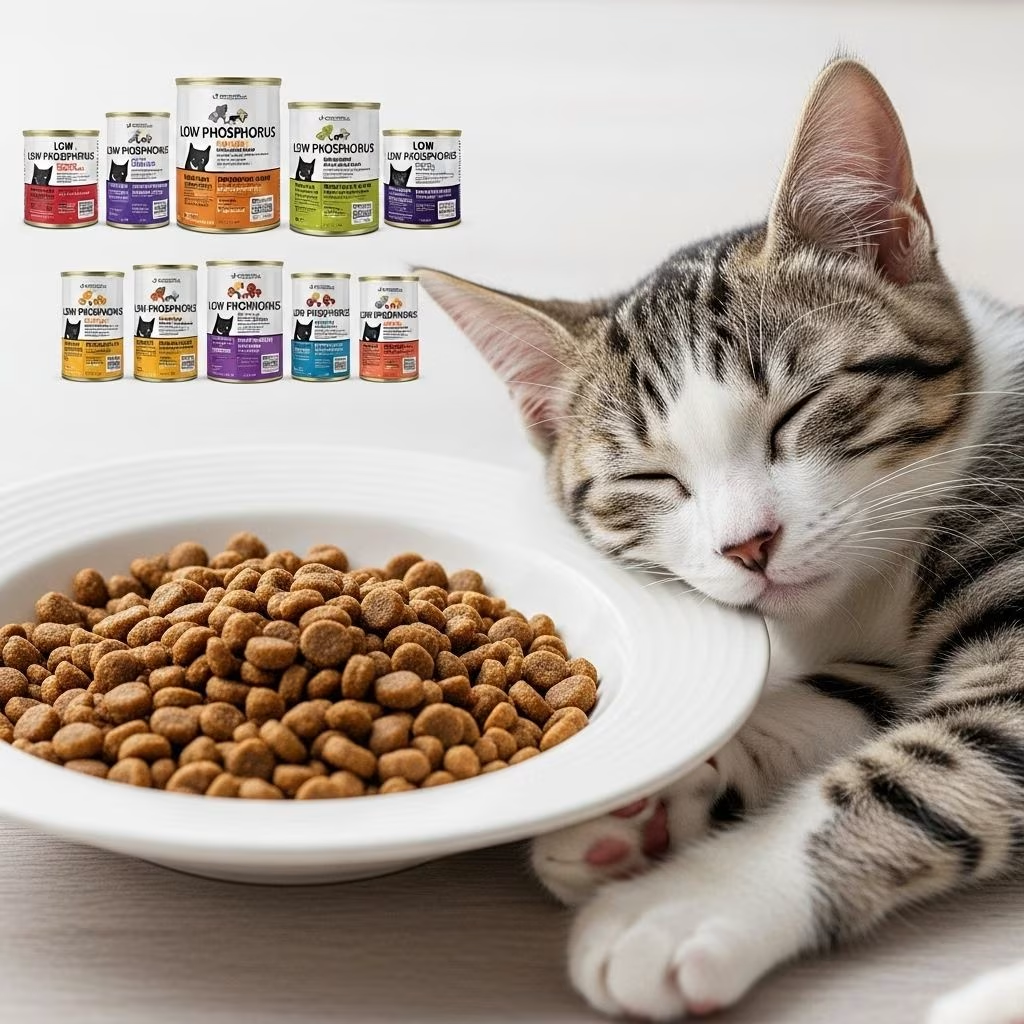
Chronic kidney disease is a common and serious condition in cats, especially as they age. One of the most effective ways to help manage this condition and support your cat’s quality of life is through a diet specifically formulated to reduce phosphorus intake. This comprehensive guide covers why phosphorus matters, how to choose the right food, the challenges in picking a suitable diet, and detailed reviews of leading low-phosphorus cat foods.
Why Choose a Cat Food Low in Phosphorus?
Lowering dietary phosphorus helps reduce the workload on a cat’s kidneys, especially in cats diagnosed with chronic kidney disease (CKD). Scientific research demonstrates that cats with CKD fed a low-phosphorus diet can live up to twice as long as those without dietary changes.
- Reduces kidney stress: Limits phosphorus, protein, and sometimes increases beneficial nutrients such as potassium and B vitamins.
- Alkaline balance: Kidney-specific diets are typically alkaline to counteract dangerous acid buildup.
- Clinically proven benefit: Clinical evidence shows improved longevity and better quality of life when dietary phosphorus is restricted for CKD cats.
“Kidney diets are very different from regular cat food,” notes Dr. Joe Wakshlag, veterinarian and professor at Cornell University College of Veterinary Medicine. They reduce phosphorus and protein, but increase potassium, B vitamins, and fatty acids.
Understanding Phosphorus in Cat Nutrition
Phosphorus is an essential mineral, necessary for bone strength, energy production, and muscle function. Cats can’t produce phosphorus internally; it must be obtained from their diet. While required in moderation, excess phosphorus, especially in cats with compromised kidney function, accumulates in the blood and increases the risk of additional kidney damage.
Phosphorus and Chronic Kidney Disease (CKD) in Cats
- CKD is more common in cats than in dogs—older cats are especially vulnerable.
- Impaired kidneys cannot remove excess phosphorus, leading to further kidney damage and worsening symptoms.
- A diet low in phosphorus aims to break this damaging cycle and slow disease progression.
The optimal dry matter basis range for cats with CKD is typically 0.3–0.6% phosphorus in the food (after moisture is removed).
How to Select the Best Low-Phosphorus Cat Food
Choosing the ideal low-phosphorus food involves more than just reading a label. Nutrition should be balanced for the unique needs of cats with kidney disease:
- Moderate protein: Look for high-quality protein that supports muscle mass—never eliminate protein entirely, as cats are obligate carnivores.
- Phosphorus content: Aim for 0.3-0.6% on a dry matter basis for cats with CKD.
- Easy digestibility: Highly digestible foods are gentler on compromised kidneys.
- Appealing flavor: CKD cats often become picky eaters, so palatability is crucial.
- Veterinarian guidance: Always work with your vet to select a food tailored for your cat’s changing health needs.
| Criteria | Why It Matters |
|---|---|
| Low Phosphorus (0.3–0.6% DM) | Reduces kidney stress, slows CKD progression |
| Quality Protein | Maintains muscle mass and energy without overloading kidneys |
| Increased Potassium/B Vitamins | Offsets losses from impaired kidney function |
| High Palatability | Encourages eating, combats pickiness of CKD cats |
Key Considerations for Low-Phosphorus Cat Diets
Feeding cats with kidney issues is a balancing act:
- Do not compromise on protein: Many “kidney” diets lower both protein and phosphorus, but cats still require significant protein as obligate carnivores.
- Select protein sources naturally low in phosphorus: Such as egg whites, boneless chicken, tilapia, and select fish.
- Avoid general “urinary” diets: They may be designed to prevent stones but are not suitable and can worsen kidney disease if not recommended by your vet.
- Transition gradually: Switch foods slowly by mixing with your cat’s existing food to encourage acceptance and minimize gastrointestinal upset.
Our Top Picks: The 9 Best Low-Phosphorus Cat Foods
Below are the most highly recommended commercial foods that combine low phosphorus levels with adequate nutrition and high palatability. Consult your veterinarian before dietary changes, as prescription diets may be necessary for advanced CKD.
- Hill’s Prescription Diet k/d Kidney Care
- Veterinary-formulated for CKD management
- ~0.49% phosphorus (dry matter)
- Boosted B vitamins, controlled protein, and high omega-3 fatty acids
- Royal Canin Veterinary Diet Renal Support
- Highly palatable, multiple flavors
- ~0.4–0.7% phosphorus (DM)
- Formulated for picky eaters
- Purina Pro Plan Veterinary Diets NF Kidney Function
- ~0.54% phosphorus (DM)
- Prescription-only blend focused on kidney support
- Weruva Wx Phos Focused Collection
- Focuses on minimizing phosphorus without sacrificing protein
- Excellent for maintaining muscle mass in cats
- Protein sources: egg whites, boneless tilapia, chicken breast
- Forza10 Nutraceutic Actiwet Renal Support
- Natural, fish-based, modest phosphorus, high palatability
- No artificial colors or flavors
- Dave’s Pet Food Restricted Diet
- Balanced for kidney support and budget-friendly
- Appropriate protein and phosphorus levels
- Blue Buffalo Natural Veterinary Diet Kidney + Mobility
- Addresses both renal and joint support
- Controlled phosphorus and added L-carnitine for muscle support
- Hound & Gatos Kidney Support Diet
- Natural ingredients, high meat content
- Low phosphorus and highly digestible
- Tiki Cat Special Mousse Kidney Support
- Grain-free, high moisture
- Low phosphorus, moderate protein
- Unique mousse texture for variety
Tips for Feeding a Cat with Kidney Disease
- Rotate flavors and brands: Prevents taste fatigue and supports steady eating.
- Monitor appetite and weight closely: Early detection of appetite changes helps adjust diets promptly.
- Blend with regular food initially: Gradually increase the proportion of kidney diet as your cat adapts.
- Hydration is key: Offer wet food or add water/broth to meals to ensure adequate fluid intake.
- Veterinarian check-ins: Have regular checkups to assess kidney function and tweak dietary plans.
Homemade and Alternative Low-Phosphorus Foods
For some cats, homemade diets using low-phosphorus ingredients such as egg whites, chicken breast, and tilapia filets may be considered—but these must be formulated in consultation with a veterinary nutritionist to avoid nutritional imbalances. Vegetables like broccoli and carrots are sometimes included, but protein should always remain the focus for obligate carnivores. Commercially prepared therapeutic diets are generally safer and more reliably balanced.
What to Avoid When Selecting Cat Food for Kidney Health
- Avoid “urinary” labeled diets unless prescribed; these can worsen kidney conditions.
- Do not seek extremely low protein: Adequate, high-quality protein preserves muscle and health.
- Check phosphorus sources: Fish by-products and certain meat meals may be higher in phosphorus—seek simplified ingredient panels when possible.
Frequently Asked Questions (FAQ)
What is the recommended phosphorus level for cats with CKD?
The ideal phosphorus content for cats with CKD is 0.3–0.6% (dry matter basis), but your veterinarian may adjust this based on your cat’s disease stage and other health factors.
Can I use over-the-counter foods, or do I need a prescription diet?
Prescription diets are specifically formulated for CKD and have proven benefits. However, some high-quality commercial foods may fit nutritional profiles but should only be used under veterinary guidance.
Should I limit all protein for my cat with kidney disease?
No. Focus on high-quality, moderate protein levels; avoid very low protein diets unless directed by a veterinary professional as cats are obligate carnivores and need protein for muscle and overall health.
How do I transition my cat to a new kidney-friendly food?
Slowly combine the new food with the current food, increasing the proportion of kidney food over 7–10 days. Monitor for grumpiness and digestive issues; some cats need a slower transition period.
Can a low-phosphorus diet cure kidney disease?
No. These diets manage symptoms and slow progression, but kidney disease is typically a chronic and irreversible condition. Proper nutrition can, however, significantly improve life expectancy and comfort.
Why do cats with kidney disease lose their appetite?
Declining kidney function can cause nausea and mouth ulcers, decreasing appetite. Highly palatable, flavored, and aromatic foods help encourage eating. Consult your veterinarian if your cat stops eating, as supplemental strategies may be needed.
Key Takeaways
- Low-phosphorus diets are essential for managing cats with CKD and prolonging their lives.
- Always consult your veterinarian before switching foods or creating homemade diets.
- Monitor your cat’s appetite, weight, and overall well-being regularly while on a renal-support diet.
With the right dietary approach, you can help your feline companion enjoy more healthy years, even after a kidney disease diagnosis. For any specific or developing concerns, always work with your vet to tailor your cat’s nutritional care.
References
- https://www.rover.com/blog/reviews/cat-food-low-in-phosphorus/
- https://talis-us.com/blogs/news/managing-feline-health-the-best-low-phosphorus-cat-foods
- https://www.weruva.com/blogs/happy-healthy-hub/low-phosphorus-cat-foods-and-your-cats-health
- https://www.petsarehome.com/cat/cat-food/low-phosphorus-food/
- https://www.healthypawspetinsurance.com/blog/low-phosphorus-cat-foods-for-kidney-disease