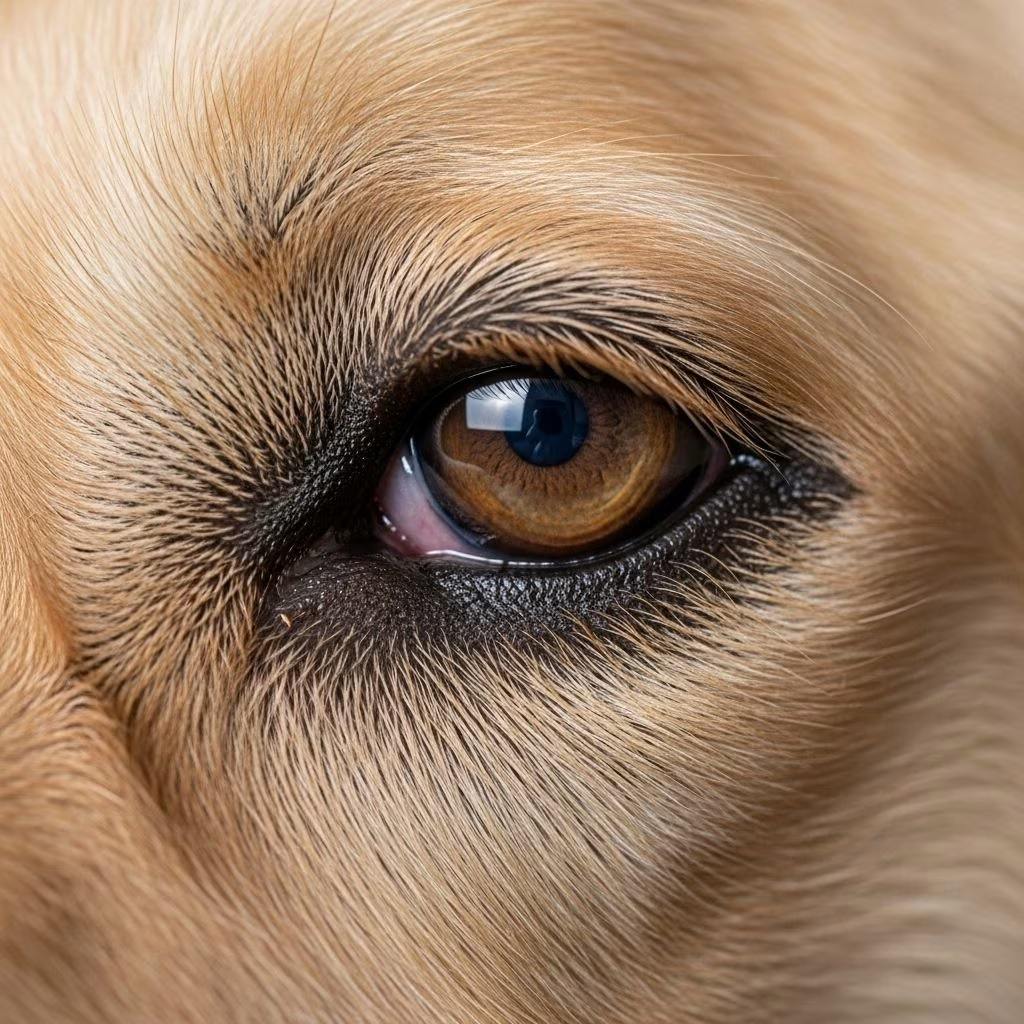
What Is Blepharospasm in Pets?
Blepharospasm refers to the involuntary, uncontrollable blinking, twitching, or closure of the eyelids in pets and humans alike. This spasmodic eyelid movement can be extremely uncomfortable and, in severe cases, may temporarily limit your pet’s ability to see. While blepharospasm is more commonly discussed in relation to humans, it can affect animals as well, particularly dogs and cats. Recognizing this condition early is important for ensuring your pet’s comfort and long-term eye health.
Key Symptoms of Blepharospasm in Pets
Pets with blepharospasm typically display noticeable signs related to abnormal eyelid movements and associated discomfort. The most common symptoms include:
- Frequent or forceful blinking
- Involuntary eyelid twitching
- Squinting or prolonged eye closure
- Sensitivity to light (photophobia)
- Excessive tearing or watery eyes
- Rubbing at the eyes
- Redness or signs of eye irritation
- Difficulty in opening the eyes after forceful closure
In many cases, these symptoms may appear intermittently at first, particularly when pets are exposed to certain triggers such as bright light, wind, or dust. Over time, the signs can progress and become more frequent or severe.
Types of Blepharospasm
Blepharospasm is classified based on its underlying cause:
- Primary (Essential) Blepharospasm – No obvious cause is identified; the condition arises spontaneously, often involving abnormalities in the nervous system.
- Secondary Blepharospasm – Results from underlying eye problems such as injury, inflammation, or systemic disease.
Understanding whether your pet’s blepharospasm is primary or secondary is essential for determining the most effective treatment strategy.
Common Causes and Risk Factors
While the exact cause of blepharospasm remains uncertain, several predisposing factors and contributing conditions have been identified in veterinary and human medicine:
- Eye Surface Irritation: Injuries, foreign bodies, ulcers, or infections (like conjunctivitis or keratitis) frequently trigger secondary blepharospasm.
- Chronic Dry Eye: Pets with insufficient tear production often experience eye discomfort leading to spasms.
- Exposure to Irritants: Environmental triggers include dust, wind, smoke, or exposure to bright lights.
- Neurological Disorders: Abnormalities in the brain’s control over eyelid muscles may play a role, especially in primary blepharospasm.
- Breed Predisposition: Some breeds may be more prone due to eyelid structure or genetics.
- Medications or Systemic Illness: Certain drugs or generalized diseases affecting nerve function can precipitate eyelid spasms.
Additional risk factors observed in humans—and potentially relevant in pets—include increased urbanization (leading to greater exposure to pollutants or stress), age, and existing psychiatric or neurodegenerative conditions.
How Blepharospasm Presents in Pets
The clinical presentation can vary based on the pet’s age, underlying health status, and the trigger involved. Symptoms may be:
- Unilateral or bilateral (affecting one or both eyes)
- Intermittent or constant
- Self-limiting or progressive
Owners may first notice their pet squinting or rubbing one eye after outdoor activity. With time, episodes may increase in frequency, causing repeated eyelid closure that interferes with normal activity, play, or even vision.
In cats and dogs, functional blindness—where they cannot see because their eyelids will not open—may occur during severe episodes. Importantly, their vision is not physically lost but simply blocked by the forcibly shut eyelids.
How Is Blepharospasm Diagnosed?
Diagnosis is based primarily on clinical history and a thorough examination by a veterinarian or veterinary ophthalmologist. Diagnostic steps typically include:
- Detailed Medical History: Including onset, frequency, and potential triggers.
- Physical and Ophthalmic Examination: Assessing the eyelids, cornea, conjunctiva, and overall eye health.
- Fluorescein Staining: To check for corneal ulcers or abrasions.
- Tear Production Tests: To identify chronic dry eye.
- Neurological Assessment: Especially if no surface eye abnormality is identified.
- Additional Lab Tests: May be ordered to rule out systemic diseases in unexplained or persistent cases.
It is also vital to distinguish blepharospasm from simple eyelid twitching, which might be due to minor irritation or stress rather than ongoing muscle dystonia associated with this specific condition.
Prognosis: Is Blepharospasm Dangerous?
Blepharospasm is not considered inherently dangerous or life-threatening, but it can severely impact your pet’s quality of life. When severe, affected animals may be unable to eat, navigate, or interact normally due to their inability to open their eyes.
If left untreated, chronic blepharospasm—especially when secondary to ongoing irritation or inflammation—can lead to complications such as:
- Corneal damage (ulcers or scarring)
- Chronic pain and discomfort
- Behavioral changes due to vision impairment or distress
- Worsening of underlying eye disease
Prompt veterinary assessment and treatment are strongly recommended for any pet displaying persistent or severe eyelid spasms.
Common Triggers for Blepharospasm Episodes
Several triggers are known to precipitate or worsen blepharospasm in susceptible pets. Common ones include:
- Bright lights or sunlight
- Wind or dust
- Contact with irritants or foreign bodies
- Stress or fatigue
- Prolonged screen or artificial light exposure (relevant in humans, possibly in pets near screens)
It is noteworthy that, in both animals and people, symptoms usually resolve during sleep and reappear upon waking.
Treatment Options for Blepharospasm in Pets
Management of blepharospasm is tailored to the underlying condition, severity, and specific needs of the affected pet. Treatment strategies may include:
- Treating Underlying Causes: In cases where injury, infection, or dry eye is present, full treatment or resolution of those issues often alleviates the blepharospasm.
- Medical Management:
- Lubricating eye drops or ointments to reduce friction or dryness.
- Anti-inflammatory medications (topical or oral) to minimize swelling and pain.
- Antibiotics for secondary bacterial infections.
- Environmental Adjustments: Limiting exposure to known triggers, such as bright light, wind, or dust.
- E-collars (Elizabethan collars): Prevent self-trauma from rubbing or pawing at the eyes.
- Advanced Therapies:
- For chronic or primary blepharospasm in humans, botulinum toxin (Botox) injections are often used. Although less common in pets, some specialist clinics may offer this in severe, refractory cases.
- Surgical intervention may be necessary if anatomical or structural problems of the eyelid predispose to recurrent irritation and spasms.
Treatment should always be guided by a veterinary professional, both to diagnose the exact cause and to monitor for potential side effects or complications.
Home Care and Management Tips
As a pet owner, you can help manage mild or early-stage blepharospasm and support recovery by:
- Protecting your pet from bright or harsh light during flare-ups
- Keeping the eye area clean and free of discharge
- Avoiding self-medication—do not use human eye drops or products unless specifically prescribed
- Monitoring for worsening symptoms, such as persistent eye closure or signs of severe pain
- Ensuring prompt veterinary reevaluation if the condition does not improve or if vision loss is suspected
Frequently Asked Questions (FAQs)
Q: Is blepharospasm painful for pets?
A: Blepharospasm itself is not always painful, but it is commonly associated with underlying eye irritation or disease that can cause discomfort or pain. Addressing the root cause is essential for relief.
Q: Are some breeds more prone to blepharospasm?
A: Yes, certain breeds with prominent eyes, floppy eyelids, or predisposition to dry eye (like Cocker Spaniels or Bulldogs) may be more frequently affected due to eyelid structure and chronic irritation.
Q: What is the difference between blepharospasm and a simple eye twitch?
A: Simple eye twitches are brief, usually painless, and often triggered by stress or fatigue. In contrast, blepharospasm involves repeated, forceful eyelid spasms and may indicate underlying eye disease requiring assessment.
Q: Can blepharospasm be prevented?
A: Not all cases are preventable, especially when primary or genetic in nature. However, prompt treatment of eye injuries, infections, and irritants can minimize the risk of secondary blepharospasm in pets.
Q: When should I see a veterinarian if my pet is blinking excessively?
A: Any persistent, recurrent, or severe eyelid spasm, squinting, or associated redness should prompt a veterinary visit, particularly if your pet appears to be in pain or unable to open its eyes normally.
Table: Comparison of Primary vs. Secondary Blepharospasm
| Characteristic | Primary (Essential) | Secondary |
|---|---|---|
| Underlying cause identifiable? | No | Yes (injury, infection, etc.) |
| Onset | Spontaneous, often gradual | Related to specific event or condition |
| Prognosis | Variable, may be chronic | Often resolves with treatment of cause |
| Treatment | Symptomatic and supportive care | Treat underlying condition |
Summary: What to Remember About Blepharospasm
- Blepharospasm is an abnormal, involuntary eyelid spasm that can impact pets’ comfort and vision.
- It may be a primary condition or related to underlying eye irritation or disease.
- Early recognition and diagnosis are crucial for effective management and prevention of complications.
- Always consult a veterinary professional if you notice ongoing eyelid spasms or other signs of eye discomfort in your pet.
References
- https://www.yalemedicine.org/conditions/blepharospasm
- https://www.betterhealth.vic.gov.au/health/conditionsandtreatments/blepharospasm
- https://www.nei.nih.gov/learn-about-eye-health/eye-conditions-and-diseases/blepharospasm
- https://www.ncbi.nlm.nih.gov/books/NBK560833/
- https://my.clevelandclinic.org/health/diseases/21546-blepharospasm