If you have ever dreamed of sharing your home with a sleek, affectionate black panther but felt limited by the realities of wild animal ownership, the Bombay cat is the ideal solution. With their glimmering black coats and captivating copper eyes, Bombay cats are as remarkable in personality as they are in appearance. This guide explores everything you need to know about Bombay cats—from their unique origins and physical traits to care tips, personality, health, and frequently asked questions.
Origin and History
The creation of the Bombay cat is a story of vision and perseverance. In the late 1950s, Nikki Horner, a cat breeder from Louisville, Kentucky, set out to develop a domestic cat that mirrored the exotic, alluring look of a black panther while retaining a gentle, loving personality. The breed was officially recognized in 1976 by The Cat Fanciers’ Association (CFA) and acknowledged by The International Cat Association (TICA) in 1979.
- American Bombay: Created by crossing sable Burmese and black American Shorthairs, resulting in a cat of mostly Burmese type with the sleekness of a panther and vibrant copper eyes.
- British Bombay: Bred by combining Burmese cats with black British Shorthair or black domestic shorthair. Despite different geographical origins, both versions are nearly identical in look and temperament.
The breed’s name—Bombay—refers to the Indian city (now Mumbai) and evokes the image of the black panther, which inspired Nikki Horner’s goal for this captivating housecat..
Appearance: The Miniature Panther
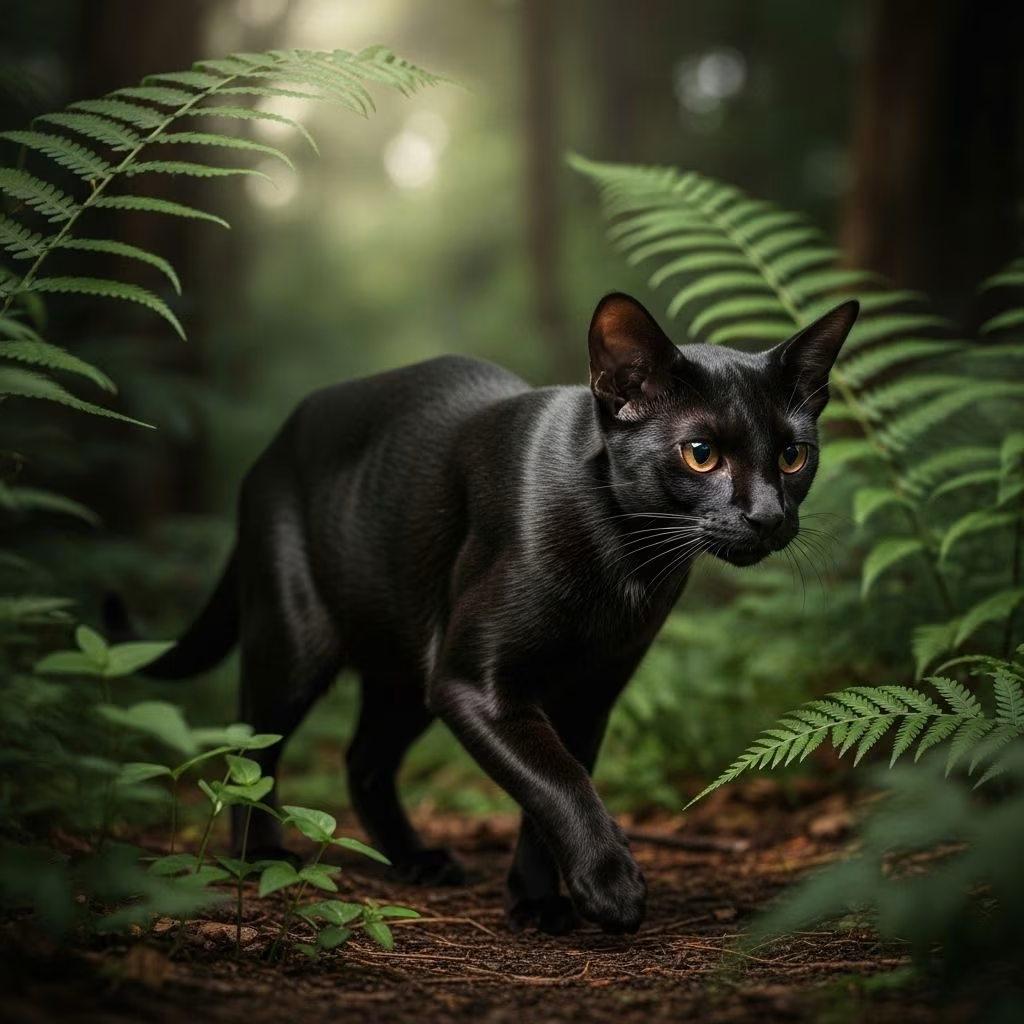
The Bombay cat’s most striking attribute is its glossy, jet-black coat. Unlike many black cats, the Bombay is completely black—nose, paw pads, and even the roots of its fur. Their eyes are round, wide-set, and typically a brilliant gold or copper, enhancing their wild look.
| Feature | Description |
|---|---|
| Coat | Short, close-lying, satin-black, with a natural, patent-leather sheen |
| Body | Medium-sized, muscular, slightly heavier than they appear |
| Head | Round, with no sharp angles; rounded muzzle, well-developed chin |
| Eyes | Rounded, set wide apart, vivid copper or bright gold |
| Nose & Paw Pads | Solid black |
| Weight | Typically 6–12 pounds (can reach up to 15 pounds) |
| Length | 13–20 inches (nose to tail base) |
The combination of these features makes the Bombay cat truly resemble a “mini-panther” lounging in your home.
Personality and Temperament
Appearances aside, the Bombay cat’s renowned allure lies in its personality. Known for being affectionate, social, playful, and intelligent, they often form deep bonds with their owners and thrive on companionship. Here are the defining temperament traits of the Bombay breed:
- Loyal Companions: Bombays are highly affectionate and will often be found curled up in their owner’s lap or following family members from room to room.
- Social Butterflies: They tend to get along well with children, other cats, and cat-friendly dogs—making them a suitable choice for multi-pet households.
- Intelligent & Curious: Their inquisitive natures lead to an interest in new toys, games, and puzzle feeders.
- Playful: Despite being energetic and loving games of chase or climbing in their youth, Bombays often mellow out and become expert observers as they age.
- Vocalization: While not as talkative as Siamese cats, Bombays express themselves with soft, insistent, and sometimes sharp meows.
- Trainable: Their intelligence and curiosity make them responsive to training—they can learn to fetch and even walk on a leash.
Care and Grooming Requirements
Bombay cats are generally low-maintenance when it comes to grooming, but they do require certain forms of care to keep them healthy and happy:
- Coat Care: Thanks to their short, dense fur, Bombays need only weekly brushing to remove loose hair and maintain their coat’s natural shine.
- Bathing: Occasional baths can help with shedding and keep the glossy coat clean, but frequent washing is not necessary.
- Dental Care: Brush their teeth regularly to prevent periodontal disease; professional dental cleanings are recommended annually.
- Diet: Feed them high-quality cat food appropriate to their age and activity level (consult your vet for specific dietary needs).
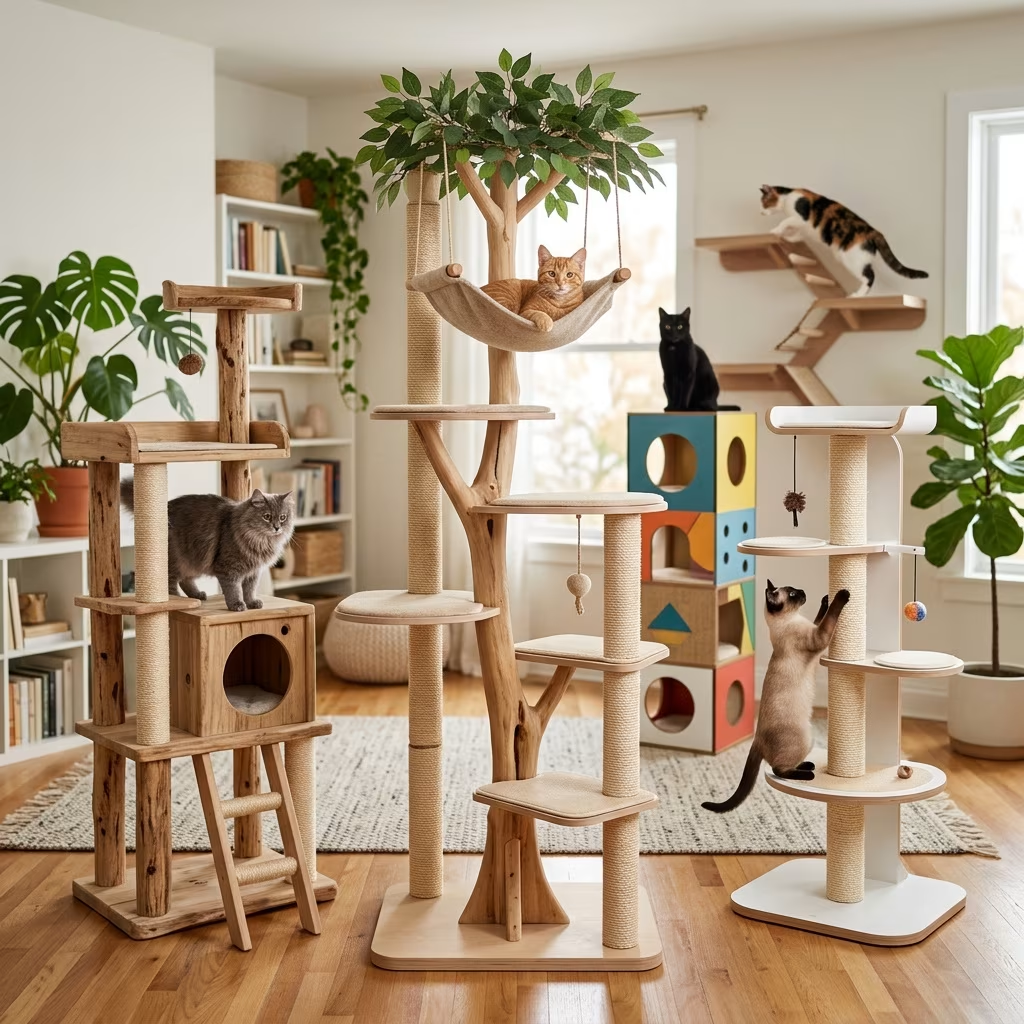
- Enrichment: Provide interactive toys, climbing posts, and window perches to keep their agile bodies and sharp minds engaged.
- Regular Vet Visits: Annual check-ups and vaccinations are essential for lifelong health.
Health and Lifespan
Bombay cats are considered robust and healthy, with many living well into their teens, and a few reaching their twenties. Lifespan typically ranges from 12 to 18 years.
While generally healthy, some health issues may be seen in the breed:
- Respiratory Issues: Due to their short muzzles, some Bombays (especially the American type) may be prone to nasal and sinus congestion.
- Hypertrophic Cardiomyopathy (HCM): This heart condition can occur in Bombays, as in other breeds—regular vet screening can catch issues early.
- Gingivitis and Dental Disease: Regular dental care helps mitigate this risk.
As with any cat breed, a balanced diet, physical activity, and routine healthcare are keys to ensuring a long, healthy life for your Bombay.
Living with a Bombay Cat
Bombay cats make ideal pets for individuals, families, and households with other friendly pets. Here’s what to expect when bringing one of these captivating cats into your home:
- Family-Friendly: They are generally patient and gentle with children, enjoying interactive playtime and snuggles.
- Multi-Pet Households: Bombays usually adapt well to living with other cats and cat-friendly dogs if introduced gradually.
- Preference for Company: These cats do not do well left alone for long periods. If you work outside the home for most of the day, consider having another pet as a companion.
- Activity Needs: While not hyperactive, Bombays benefit from structured play sessions and enrichment to prevent boredom and keep them in good spirits.
- Environment: Create a stimulating home with cozy resting spots, scratching posts, and window views to satisfy their curiosity and need to perch and survey.
Fun Facts About Bombay Cats
- Panther Inspiration: Bombays were specifically bred to look like panthers, with stunning black coats and golden copper eyes.
- Consistent Coloring: Even their paw pads and noses are black, creating a truly all-black effect.
- Pedigree: Only cats bred from sable Burmese and black American or British shorthairs are considered true Bombays.
- Rare ‘Sable’ Appearance: Occasionally, kittens may be born with a sable or brown tinge due to their Burmese ancestry.
- Show Cats: The Bombay has a strong presence in cat shows due to its distinctive, exotic look and graceful stride.
- Intelligent Play: They are adept at learning tricks and even walking on a leash.
- Longevity: Some Bombays have lived beyond 20 years with proper care.
Frequently Asked Questions (FAQs)
Are Bombay cats good with children and other pets?
Yes. Bombay cats are generally gentle, patient, and sociable. They do well with children and adapt easily to living with other cats and friendly dogs when introduced gradually.
Is the Bombay cat really all black?
True Bombay cats are black from their nose to their paw pads, and even the roots of their fur. Their signature copper or gold eyes enhance their dramatic look.
How much grooming do Bombay cats need?
Bombays are low-maintenance. Weekly brushing, occasional baths, and regular dental care keep them healthy and their coats shiny.
Are Bombay cats talkative?
Bombays are moderately vocal. While not as talkative as Siamese cats, they do ‘talk’ to their owners with a range of soft and sometimes sharp meows to express their needs.
Do Bombay cats make good indoor cats?
Absolutely. Their playful but gentle nature, strong bonds with family, and curiosity make them excellent indoor companions. They love interactive play and window-watching.
How long do Bombay cats live?
The average lifespan of a Bombay cat is 12–18 years, but some have lived into their 20s with attentive care, a healthy diet, and regular vet check-ups.
What are the main health concerns for Bombay cats?
Like all breeds, Bombays have a risk for certain conditions such as respiratory issues and heart disease (HCM). Preventative veterinary care is important.
Final Thoughts
The Bombay cat stands out for its exquisite looks, intelligence, and affectionate, loyal nature. With proper care and companionship, a Bombay brings years of joy, comfort, and elegance—delighting families and stealing hearts as a charismatic “mini-panther” in homes everywhere.
References
- https://www.vetamerikan.org/our-best-friends/cat-types/bombay-cat
- https://www.prettylitter.com/blog/the-bombay-cat-breed-history-fun-facts-and-myths
- https://en.wikipedia.org/wiki/Bombay_cat
- https://www.aspcapetinsurance.com/resources/bombay-cat/
- https://www.feliway.co.uk/blogs/news/25-facts-about-the-bombay-cat