The Border Aussie is a hybrid breed combining two of the dog world’s most accomplished working breeds: the Border Collie and the Australian Shepherd. This lively, intelligent mix is a favorite among owners who seek an energetic, trainable, and highly devoted companion. In this guide, you’ll learn everything you need to know about the Border Aussie’s history, appearance, personality, health, maintenance, and suitability for active lifestyles and families.
Breed Overview
- Breed Type: Crossbreed (Hybrid)
- Parent Breeds: Border Collie & Australian Shepherd
- Other Names: Border Collie Australian Shepherd Mix, Aussie Collie, Border-Aussie
- Origin: United States (Hybrid developed for companionship and working ability)
History & Origin
The Border Aussie is a relatively new hybrid, developed by intentionally crossing Border Collies and Australian Shepherds — two breeds famous for their intelligence, stamina, and herding instincts. Breeders aimed to create a dog that would excel in work, sport, or as a family companion, offering a combination of the Border Collie’s sharp focus and the Australian Shepherd’s adaptable, outgoing temperament. While hybrid vigor and diversity are appealing, it’s important for prospective owners to understand both parenting lines and their strong genetic drives.
Physical Appearance
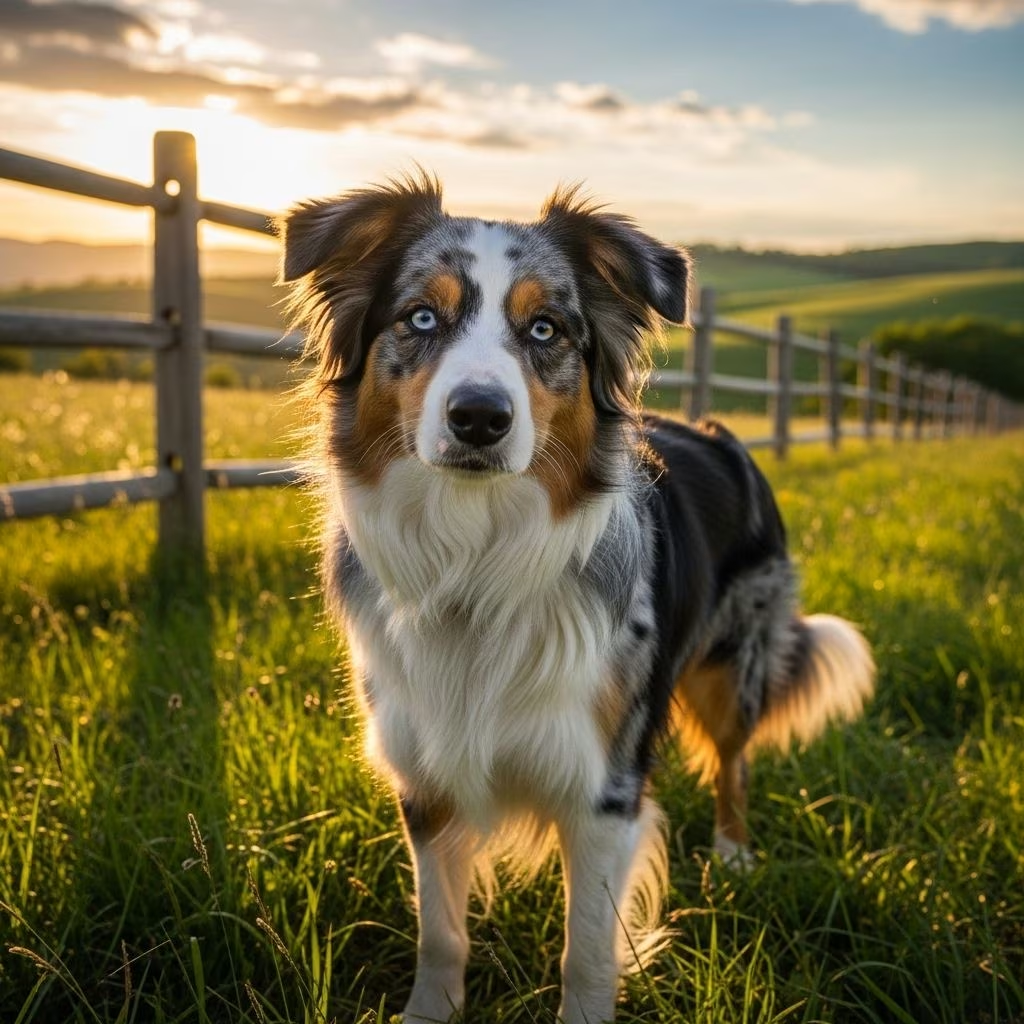
Because they are a mixed breed, Border Aussies can vary in appearance. However, most display striking physical features that blend those of their parent breeds:
- Size: Typically medium-sized, ranging from 18–23 inches in height at the shoulder and weighing 30–65 lbs, depending on sex and lineage.
- Build: Athletic, well-muscled frame with a slightly longer than tall body shape.
- Coat: Double-coated, usually medium to long in length; can be straight or slightly wavy. Shedding is moderate to high, especially during seasonal changes.
- Colors: Wide variety, including black, blue merle, red merle, sable, and tricolor combinations with or without white or tan markings. Eye color may be brown, blue, or even exhibit heterochromia (two eyes of different colors).
| Trait | Border Collie | Australian Shepherd | Border Aussie |
|---|---|---|---|
| Height (avg.) | 18–22 inches | 18–23 inches | 18–23 inches |
| Weight (avg.) | 30–55 lbs | 40–65 lbs | 30–65 lbs |
| Coat | Rough or smooth, double | Rough, double | Medium/long, double |
| Colors | Many (inc. b/w, merle) | Black, blue/red merle, red | Wide variety |
Personality and Temperament
The Border Aussie is prized for its intelligence, loyalty, and athleticism. Owners often describe these mixes as:
- Highly Intelligent: Both parent breeds rank among the world’s smartest dogs. Border Aussies are eager to learn, quick to master new commands, and adapt well to training challenges.
- Energetic and Playful: This hybrid craves activity and thrives on vigorous daily exercise — think running, hiking, agility, or advanced obedience work.
- Loyal and Affectionate: Border Aussies bond closely with their families and are deeply loyal. They often enjoy cuddling after a busy day.
- Alert and Protective: While not typically aggressive, they may be wary of strangers and possess some protective instincts.
- Herding Instincts: Strong herding drives may lead to “rounding up” children, pets, or even adults. This can include nipping or nudging, but with training and stimulation, these behaviors can be managed.
Socialization
Early and continuous socialization is key. Border Aussies naturally want to engage with their people, but without proper upbringing, they may become shy, anxious, or overly assertive around new people and animals.
Living Needs and Home Suitability
- Best for active homes: This breed is most successful in households that can offer ample exercise and mental challenges — ideally with access to a large, secure yard or countryside.
- Apartment living: Not ideal, unless the owner is extremely committed to providing daily, intensive exercise and mental stimulation.
- Good with children: Generally good with older children who respect boundaries. Herding and nipping behaviors are common. Supervise dogs and young kids, especially under age 6.
- Other pets: Socializes well with other dogs and pets if raised and trained from puppyhood, though natural herding behaviors may emerge.
Exercise and Activity
The Border Aussie requires substantial exercise and stimulation to channel their intelligence and energy positively. Boredom can lead to destructive behaviors such as chewing, digging, or excessive barking.
- At least 90–120 minutes of vigorous activity daily (walks, runs, structured play).
- Participation in canine sports like agility, flyball, disc dog, or herding trials.
- Mentally challenging games — puzzle toys, scent work, trick training.
- Routine social outings, hikes, or supervised free play in large, safe areas.
Training
Trainability is exceptional — these dogs love tasks and challenge, making them a “dream student” for experienced owners. However, their smarts can lead to stubbornness or boredom with repetitive or unengaging drills.
- Use positive reinforcement (treats, play, praise).
- Train consistently and be patient.
- Start basic obedience training and socialization early.
- Channel natural herding and problem-solving instincts into dog sports or advanced skills.
Grooming and Maintenance
This breed has a thick double coat, which sheds moderately year-round and more heavily during seasonal shedding (spring and fall). Their grooming needs include:
- Brushing: At least twice a week; more during shedding season to prevent matting and reduce loose fur.
- Bathing: Every few months or as needed when dirt or odor arises.
- Ear Cleaning: Check and clean regularly to avoid infections, especially in dogs with floppy ears.
- Nail Trimming: Every 3–4 weeks, or as needed.
Health and Lifespan
Border Aussies are generally healthy, but may inherit conditions from either parent breed. Most live between 12–15 years with proper care, diet, and exercise.
- Common Health Issues:
- Hip dysplasia
- Elbow dysplasia
- Progressive Retinal Atrophy (PRA)
- Certain types of Collie Eye Anomaly
- Epilepsy
- Deafness (especially in merle-coated dogs)
- Work with responsible breeders or rescues who conduct health tests and provide results for parent dogs.
- Maintain routine veterinary check-ups, vaccinations, and parasite prevention.
Nutrition
Feed your Border Aussie a high-quality, age-appropriate diet. Because these dogs are so active, their caloric needs may be greater than many similarly sized breeds. Consult with your veterinarian for specific feeding guidelines and adjust based on:
– Age
– Weight
– Activity level
– Health conditions
Where to Adopt or Buy a Border Aussie
It is often recommended to consider adoption through rescue organizations, breed-specific herding dog rescues, or animal shelters. If purchasing from a breeder, choose one with an ethical reputation:
- Provides health clearances on parent dogs
- Prioritizes puppy welfare and socialization
- Allows you to meet the puppies and their parents
Supporting responsible breeders or rescues helps discourage poor breeding practices and promotes animal welfare overall.
Is the Border Aussie Right for You?
- You enjoy a highly energetic, intelligent companion
- You have time to provide daily exercise and mental stimulation
- You live in a home with a fenced yard or ample outdoor space
- You or your family members are comfortable with a dog who may herd, nudge, or vocalize
- You value training, activities, and ongoing engagement with your dog
If yes, the Border Aussie may be your ideal match! However, a sedentary lifestyle or low-activity household isn’t suitable for this dynamic crossbreed.
Frequently Asked Questions (FAQs)
Q: Are Border Aussies good with children?
A: Border Aussies are generally excellent with children, especially older kids who can engage with their energy and respect boundaries. Their herding drive may cause them to try to herd young children by nipping or nudging, but with supervision and training, they can be loving, gentle family companions.
Q: How much exercise does a Border Aussie need daily?
A: These dogs need at least 90–120 minutes of vigorous exercise, along with mental enrichment (training, games, puzzles) every day to stay physically and mentally healthy.
Q: Are Border Aussies easy to train?
A: Yes, they are remarkably easy to train due to their intelligence and eagerness to please. Consistency, positive reinforcement, and variety in routines produce the best results.
Q: Do Border Aussies shed a lot?
A: Border Aussies shed moderately to heavily, especially during seasonal changes. Regular brushing and grooming are essential to manage loose fur.
Q: Can Border Aussies live in apartments?
A: This breed does best in homes with plenty of space and yard access. Apartment living is possible only if the owner is exceptionally committed to daily exercise and mental stimulation routines.
Q: Do Border Aussies have health problems?
A: They are generally healthy but may be prone to inherited conditions from their parent breeds, such as hip dysplasia or eye issues. Work with breeders or rescues who provide health screenings and maintain regular veterinary care.
Key Takeaways
- The Border Aussie combines the best of the Border Collie and Australian Shepherd: intelligence, energy, loyalty, and herding drive.
- Best suited to experienced dog owners living active lifestyles.
- Requires abundant physical activity and mental engagement every day.
- Good with older kids and other pets when well-trained and socialized.
- Grooming needs are moderate to high due to a dense, double coat.
The Border Aussie is a remarkable companion for active homes ready to meet their substantial needs — and will reward you with love, loyalty, and years of adventure.
References
- https://dogacademy.org/breeds/border-collie-australian-shepherd-mix
- https://www.dogster.com/dog-breeds/border-collie-aussie-mix
- https://dogtime.com/dog-breeds/border-aussie
- https://karenshanley.com/highly-intelligent-both-breeds-rank-among-the-top-in-canine-intelligence-excelling-in-learning-tricks-commands-and-adapting-to-new-situations-eager-to-please-and-quick-to-understand-your-trainin/
- https://www.youtube.com/watch?v=Oy1czLbpYOw
- https://www.dogbreedinfo.com/b/borderaussie.htm