Bullmastiff Breed Overview
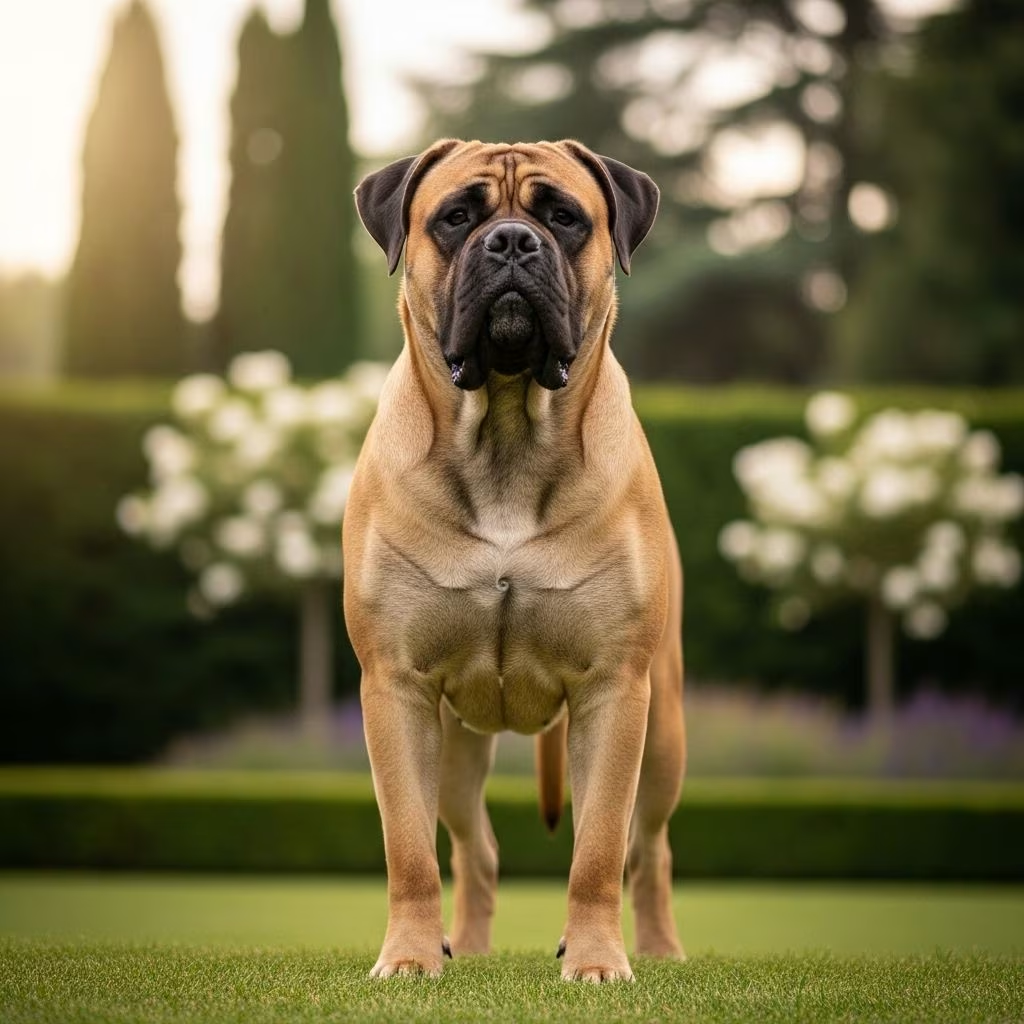
The Bullmastiff is a large, muscular, and imposing breed, originally developed in England in the late 1800s as a guardian for gamekeepers and their estates. Known for their intelligence, loyalty, and gentle demeanor, Bullmastiffs are often described as “fearless at work, docile at home”—a true gentle giant with a natural instinct to protect their family and property. Despite their formidable appearance, they are affectionate companions, making them suitable for families with children and space for a big dog.
History and Origin
Bullmastiffs were bred by English gamekeepers in the 19th century to patrol large estates and deter poachers. The breed is a cross between the English Mastiff and the now-extinct Old English Bulldog, combining the Mastiff’s size and strength with the Bulldog’s tenacity and courage. The goal was to create a large, powerful, and silent guard dog that could track and hold intruders without mauling them.
By the early 20th century, the Bullmastiff was recognized as a distinct breed. Their effectiveness as guardians made them popular with gamekeepers, and their loyal, gentle nature later endeared them to families worldwide.
Physical Characteristics
| Feature | Description |
|---|---|
| Size | Large |
| Height (Male) | 25–27 inches |
| Height (Female) | 24–26 inches |
| Weight (Male) | 110–130 lbs |
| Weight (Female) | 100–120 lbs |
| Coat | Short, dense, and weather-proof |
| Colors | Fawn, red, brindle, often with a black mask |
| Lifespan | 8–10 years |
Bullmastiffs have a broad, wrinkled head, a short muzzle, V-shaped hanging ears, and a strong, square body. Their eyes are dark and expressive, and their tail is set high and reaches the hocks.
Temperament and Personality
- Loyal and Protective: Bullmastiffs are devoted to their families and have strong protective instincts. They are naturally suspicious of strangers but rarely aggressive without cause.
- Gentle and Calm: Despite their size, they are known for their gentle, patient nature, especially with children. However, interactions should always be supervised due to the dog’s large size.
- Independent Thinkers: They are intelligent and sometimes stubborn, requiring consistent, firm, but fair training from an early age.
- Good with Families: When properly socialized, Bullmastiffs make excellent family pets, but they may be less tolerant of other animals, so introductions should be gradual.
Bullmastiffs are not excessive barkers—they tend to be quiet unless there is a genuine threat. Their presence alone is often enough to deter intruders.
Care and Grooming
Exercise Needs
Bullmastiffs require moderate exercise—daily walks, play sessions, and mental stimulation are sufficient to keep them content and healthy. Despite their size, they are relatively low-energy indoors and enjoy lounging with their family. Over-exertion should be avoided, especially in hot weather, due to their brachycephalic (short-nosed) anatomy.
Grooming
- Coat Care: Their short, dense coat is easy to maintain. Weekly brushing is sufficient to remove loose hair and keep the coat healthy.
- Drooling: Bullmastiffs are known to drool, especially after eating or drinking. Regular face wiping may be necessary.
- Other Care: Routine nail trimming, ear cleaning, and dental care are recommended.
Training and Socialization
Early socialization and consistent, positive training are essential for Bullmastiffs. Their independent nature means they are not always eager to please, so patience and firmness are key. Socialization helps them become well-adjusted adults who are confident in various situations.
- Puppy Classes: Enrolling in puppy classes helps with socialization and basic obedience.
- Ongoing Training: Continue training into adulthood to reinforce good behavior.
- Leadership: Establish yourself as the leader to prevent dominance issues.
Health and Lifespan
Bullmastiffs have a lifespan of 8–10 years, which is typical for giant breeds. They are generally healthy but can be prone to certain conditions:
- Hip and Elbow Dysplasia: Common in large breeds, these joint issues can be managed with proper diet, exercise, and veterinary care.
- Eye Problems: Entropion and ectropion are possible, so regular eye checks are important.
- Gastric Torsion (Bloat):
References
- https://dogtime.com/dog-breeds/bullmastiff
- https://www.hillspet.com/dog-care/dog-breeds/bullmastiff
- https://www.purina.co.uk/find-a-pet/dog-breeds/bullmastiff
- https://www.petscreening.com/blog/about-the-bullmastiff-temperament
- https://www.akc.org/dog-breeds/bullmastiff/
- https://www.petmd.com/dog/breeds/bullmastiff
- https://en.wikipedia.org/wiki/Bullmastiff
- https://www.webmd.com/pets/dogs/what-to-know-about-bullmastiffs