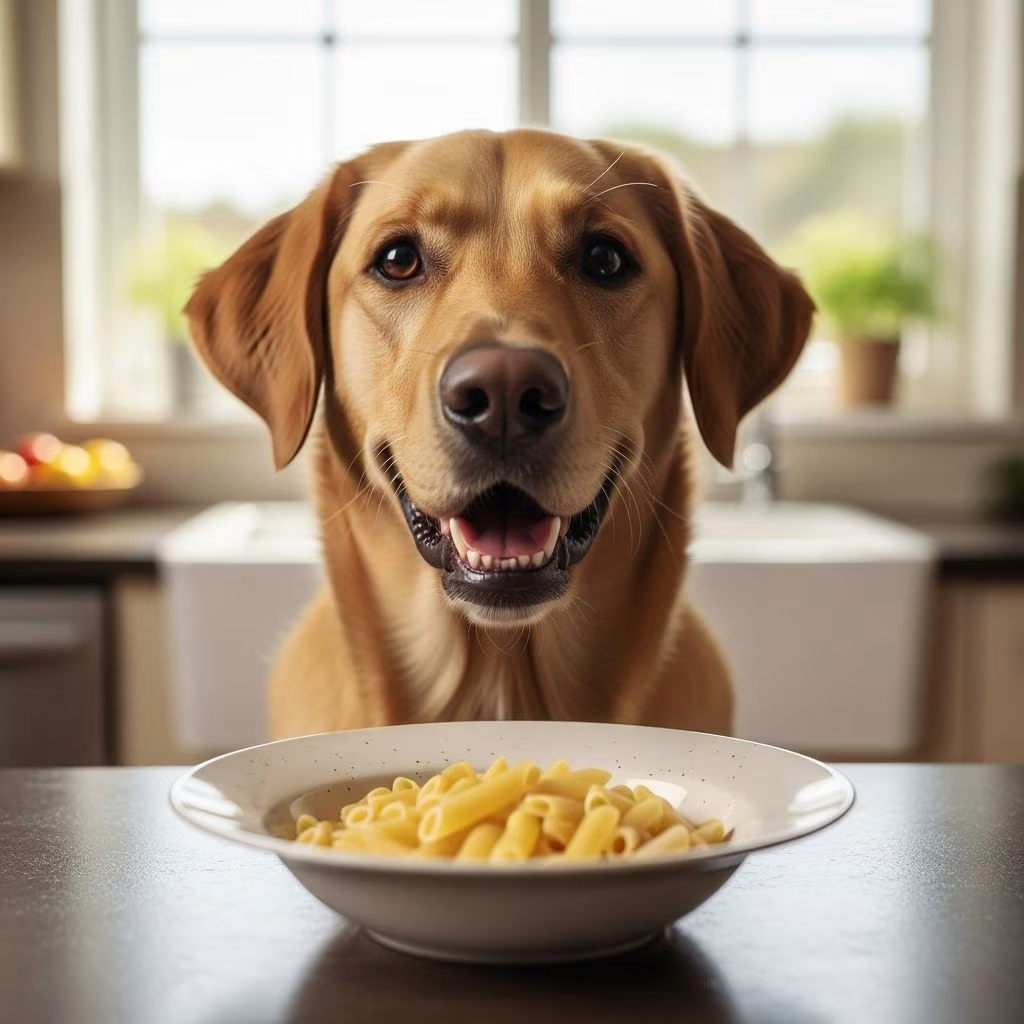
Pasta is a beloved staple in many households, often enjoyed with hearty sauces, vegetables, and proteins. But as a dog parent, you may wonder: Is pasta safe for dogs? What are the potential risks? And how can you best share this human food with your furry friend? Explore this comprehensive guide to learn when pasta is appropriate, risky pasta toppings, safer alternatives, and tips for responsible feeding.
Is Pasta Good for Dogs?
Plain, cooked pasta is not toxic to dogs. Typical ingredients, like flour, eggs, and water, are generally safe for most canines. However, pasta offers little nutritional value for your pet; it is largely an energy-dense, carbohydrate-rich food with minimal protein or micronutrients.
- Empty calories: Most pastas are high in carbohydrates but low in vital nutrients for dogs.
- Potential for weight gain: Frequent feeding or large portions can lead to obesity, which increases the risk of heart disease, arthritis, and diabetes.
- Limited health benefit: While whole grain pasta contains fiber and trace minerals, the quantities required for benefit can easily surpass caloric needs and promote weight gain.
Therefore, pasta should only be an occasional treat for healthy dogs and fed in strict moderation.
Can Dogs Eat Pasta Sauce?
A firm and absolute NO: pasta sauce is never safe for dogs. The ingredients commonly found in tomato-based, creamy, or cheesy sauces can range from unhealthy to outright toxic for canines.
- Garlic and onions: Even small amounts are highly toxic and can damage a dog’s red blood cells, risking anemia.
- Sugar and salt: Large quantities can cause dehydration, electrolyte imbalances, or more severe complications.
- Butter, cream, and cheese: Many dogs are lactose intolerant, and these fats are hard to digest, sometimes triggering gastrointestinal distress or even pancreatitis.
- Spices and herbs: Some seasonings (like nutmeg or black pepper) may irritate your dog’s digestive system or have unknown effects.
Rule of thumb: If you’re tempted to share pasta with your dog, skip the sauce entirely. Even simple oil, herbs, or toppings may conceal ingredients that could harm your pet.
Can Dogs Eat Different Types of Pasta?
| Type of Pasta/Noodle | Safe for Dogs? | Notes |
|---|---|---|
| Plain, cooked pasta (spaghetti, penne, macaroni) | Yes, in moderation | No sauce/seasoning; avoid if allergic to wheat/eggs |
| Whole grain pasta | Yes, with caution | More fiber and nutrients; same moderation rule applies |
| Egg noodles | Yes, in moderation | Avoid if your dog has an egg allergy |
| Rice noodles/vermicelli | Yes, safer for sensitivities | Low allergen risk, gluten-free |
| Udon noodles (plain) | Yes, in small amounts | Avoid salt; monitor for grain allergy |
| Ramen/instant noodles | No | High in sodium, preservatives, often contain onion/garlic powder |
What About Dogs with Allergies?
Some dogs have allergies or sensitivities to wheat, gluten, or eggs, the main components in traditional pasta noodles. Feeding pasta to dogs with these sensitivities can trigger symptoms including:
- Itching or skin rashes
- Chronic ear infections
- Vomiting or diarrhea
- Pawing at ears or face
If you notice any of these signs in your dog after eating pasta, stop immediately and consult your veterinarian. Dogs with known allergies should be given allergy-friendly or grain-free alternatives, such as plain rice or gluten-free rice noodles.
How Much Pasta Can Dogs Eat?
Pasta should be considered a rare treat, not a dietary staple. Too much may lead to weight gain and nutrient imbalance, as pasta displaces more nutritious foods. Here are some guiding principles for safely feeding pasta to your dog:
- Serving size: For most dogs, a small forkful (roughly a heaping tablespoon) is appropriate as an occasional treat.
- Frequency: Limit to once every few weeks for healthy adult dogs.
- Special needs: Puppies, seniors, or dogs with obesity, diabetes, pancreatitis, or allergies should not be fed pasta without approval from their veterinarian.
Always introduce any new human food slowly, watching closely for stomach upset or allergic reactions.
Healthier Alternatives to Wheat Pasta for Dogs
If you want to share a ‘pasta’ treat with your pup, consider these safer and more nutritious alternatives:
- Cooked sweet potato strips (steamed or boiled, no seasoning)
- Zucchini ‘noodles’ (a.k.a. zoodles, steamed and unsalted)
- Rice noodles/vermicelli (plain, great for gluten-sensitive dogs)
- Cooked carrots or green beans (cut into strips for a pasta-like experience)
These options provide more nutritional value and fiber than regular pasta and reduce the risk of allergies or digestive upset.
Risks and Symptoms: When to Call the Vet
While plain pasta is generally safe, you should seek veterinary care if your dog exhibits any of the following after eating pasta or sauces:
- Vomiting or diarrhea lasting more than 24 hours
- Weakness or lethargy
- Pale gums (possible anemia from onion/garlic toxicity)
- Signs of food allergy (persistent itching, ear infections)
- Rapid weight gain or bloating
Prompt attention can prevent complications, especially with accidental ingestion of toxic sauce ingredients.
Can Puppies Eat Pasta?
Puppies are more sensitive to dietary imbalances and stomach upset. Plain pasta is not toxic for healthy puppies, but it should never replace a nutritionally balanced puppy food. Even tiny amounts as treats should be offered only rarely and with veterinary approval.
Summary Table: Pasta & Dogs
| Food Type | Safe? | Main Risks |
|---|---|---|
| Plain, cooked pasta/noodles | Yes, in moderation | Weight gain, allergies |
| Pasta with sauce/seasoning | No | Toxicity, GI upset, pancreatitis |
| Rice/rice noodles | Yes | Ensure plain, watch portions |
| Instant noodles/ramen | No | Sodium overdose, preservatives, toxicity |
| Whole grain pasta | Yes, in moderation | Same as regular pasta |
Tips for Safely Serving Pasta to Dogs
- Serve plain, fully cooked pasta only; never add sauce, oil, butter, garlic, onions, cheese, or seasoning.
- Portion strictly; make sure pasta is less than 5% of your dog’s daily calories.
- Choose whole grain or rice noodles for extra fiber or if grain/gluten sensitivity is a concern.
- Always supervise your dog to prevent choking (especially with long noodles like spaghetti).
- Monitor for any adverse reactions, especially if your dog is trying pasta for the first time.
Frequently Asked Questions (FAQs)
Q: Can dogs eat spaghetti?
A: Yes, plain, cooked spaghetti (with no sauce, oil, or seasoning) is safe for most dogs in very small portions. Avoid giving spaghetti if your dog is allergic to wheat or eggs.
Q: Why is pasta sauce dangerous for dogs?
A: Pasta sauces almost always contain garlic, onions, herbs, sometimes sugar, salt, or dairy, all of which can be toxic or harmful to dogs. Never offer pasta with sauce to your pet.
Q: What signs of pasta allergy should I watch for?
A: Look for itching, ear infections, vomiting, diarrhea, or swelling around the mouth or ears after pasta consumption. Contact your vet if symptoms appear.
Q: Are gluten-free noodles a safer option?
A: Gluten-free rice noodles are easier to digest and suitable for dogs with gluten or grain sensitivities. Serve them plain and in moderation.
Q: My dog ate pasta with sauce by accident—what should I do?
A: Contact your veterinarian right away, especially if the sauce contained garlic, onions, or heavy spices. Watch for vomiting, diarrhea, or lethargy, which may signal toxicity.
Q: Is pasta ever a good training treat?
A: It’s not ideal; healthy commercial treats or small pieces of lean meat are more appropriate and nutritious. Reserve pasta as an occasional novelty, not a training staple.
Conclusion
Pasta can be a rare, safe treat for many dogs, but only when served plain, unseasoned, and in strict moderation. Any departure from these rules—adding sauce, seasoning, or excessive portions—can result in digestive upset, allergic reactions, or serious toxicity risks. For your pet’s health, stick to a high-quality, balanced dog diet and only offer human foods when you are confident in their safety. Always consult your veterinarian when in doubt, especially if your dog has pre-existing health concerns.
References
- https://wagwalking.com/wellness/can-dogs-eat-pasta
- https://thepetlabco.com/learn/dog/nutrition/can-dog-eat-pasta
- https://www.petmd.com/dog/nutrition/can-dogs-eat-pasta
- https://www.masterclass.com/articles/can-dogs-eat-pasta
- https://furrygreen.hk/blogs/blog/can-dogs-eat-noodles-a-complete-safety-guide-for-pet-parents