Cardigan Welsh Corgi vs. Pembroke Welsh Corgi: What’s the Difference?
The Pembroke Welsh Corgi may be famous as the favored breed of the royals, but the Cardigan Welsh Corgi its slightly larger, older cousin has a rich history in Wales as well. While both breeds are unmistakably corgis, a close look reveals notable distinctions in their appearance, history, personality, and care requirements. This comprehensive guide covers everything you need to know about what sets these two charming breeds apart.
At a Glance: Quick Comparison Table
| Trait | Cardigan Welsh Corgi | Pembroke Welsh Corgi |
|---|---|---|
| Size | 10.5 nin, up to 38 lbs | 10 nin, up to 30 lbs |
| Origin | Cardiganshire, Wales | Pembrokeshire, Wales |
| Tail | Long, bushy, fox-like | Usually docked short |
| Ear Shape | Large, rounded | Smaller, pointed/triangular |
| Coat Colors | Wide variety (brindle, blue merle, more) | Red, sable, tricolor |
| Temperament | Calm, reserved, thoughtful | Outgoing, friendly, spirited |
| Activity Level | Moderate to high | Moderate to high |
| AKC Recognition | 1935 | 1934 |
History and Origins
Cardigan Welsh Corgi
The Cardigan Welsh Corgi is older than the Pembroke, with roots possibly stretching back over 3,000 years in the region of Cardiganshire, Wales. They descended from dogs brought to Wales by Celtic tribes and were developed as versatile farm dogs known for their herding prowess and adaptability. Cardigans remained isolated in their part of Wales, which helped maintain their distinct features.
Their close-to-the-ground stature made them excellent at dodging herd animals’ kicks, and their durability, intelligence, and strong herding instincts cemented their status on Welsh farms for centuries.
Pembroke Welsh Corgi
The Pembroke Welsh Corgi originated in Pembrokeshire, Wales, and is thought to have developed separately after medieval Flemish weavers migrated to the region. They may share some lineage with the Cardigan, but centuries of selective breeding led to clear differences. Pembrokes were prized as cattle herders and quickly became popular as both working dogs and companions, particularly in royal households.
While both breeds were once interbred, the Kennel Club in the United Kingdom recognized them as distinct breeds by 1934, and they have retained unique characteristics ever since.
Physical Differences
Size and Proportion
- Cardigan Welsh Corgi: Slightly larger, with a typical weight up to 38 lbs for males (females being somewhat lighter), and a height of 10.5
inches at the shoulder. - Pembroke Welsh Corgi: Usually weighs up to 30 lbs and stands about 10
inches tall.
Though both appear short and sturdy, the Cardigan has a curvier frame with rounder bone and a sloping rear, while the Pembroke is more squared off, with a straighter, more rectangular build.
Tail & Rear
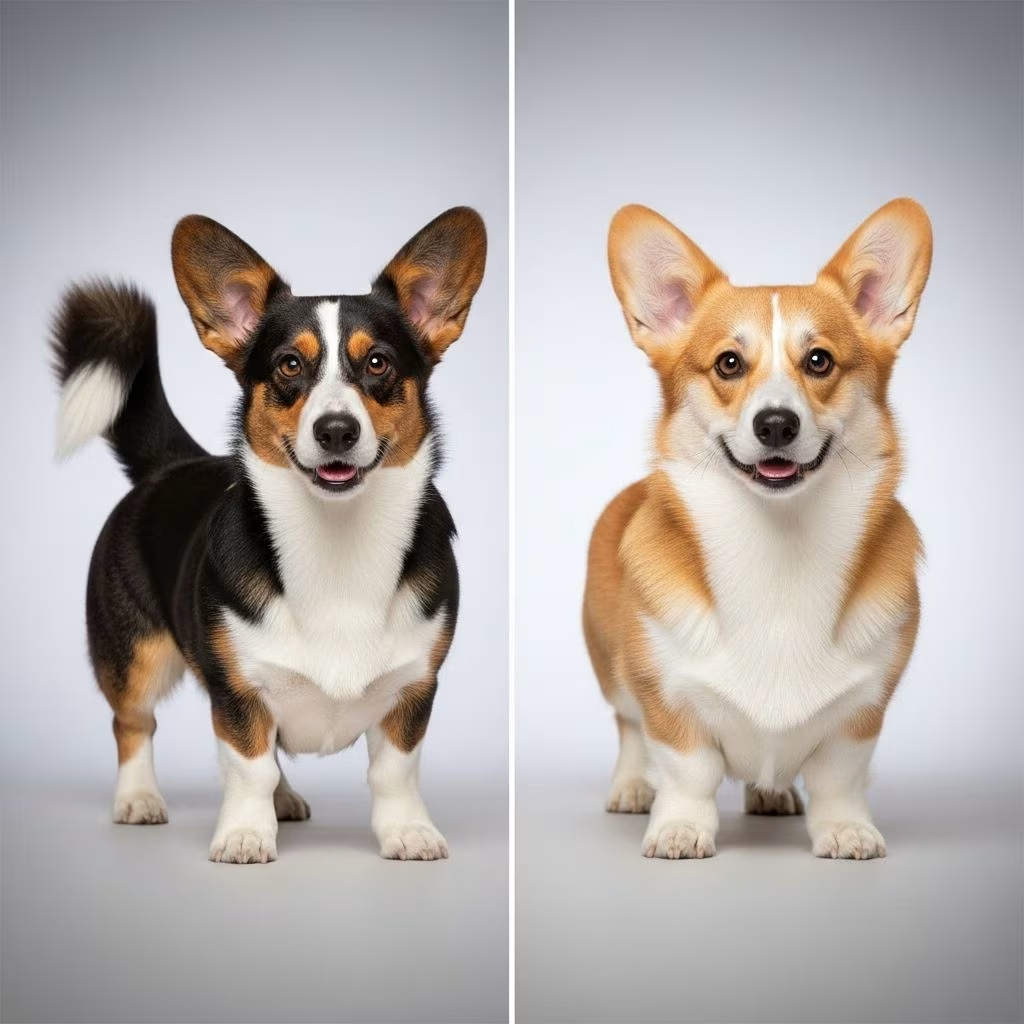
- Cardigan: Possesses a long, bushy “fox-like” tail, which is always left full and undocked.
- Pembroke: Commonly seen with a “docked” (very short or absent) tail a distinguishing and highly visible trait.
The tail, or lack thereof, is the quickest and easiest way to tell the two breeds apart.
Head, Ears, and Expression
- Cardigan: Head is broader with larger, rounded ears set wider apart.
- Pembroke: Ears are smaller, pointed, and have a more upright triangular shape.
Coat Color and Markings
Both breeds have a double coat, but the range of accepted colors and markings varies:
- Cardigan: Broad spectrum including brindle, black and white with tan or brindle points, blue merle, red and sable with white. White markings are not as restricted.
- Pembroke: Limited to red, sable, and tricolor (red-headed or black-headed). Fewer variations than the Cardigan.
Corgi Grooming and Shedding
Both Cardigan and Pembroke Welsh Corgis have water-resistant double coats, making them relatively low-maintenance for bathing usually only needed when particularly dirty. Simple brushing once a week suffices for much of the year, which is appealing for those preferring minimal grooming needs.
However, during seasonal heavy shedding (“blow”), more frequent brushing becomes essential:
- Pembroke Corgi: Sheds moderately year-round but especially heavily in late spring and early summer. Daily brushing is recommended during this period to contain loose hair.
- Cardigan Corgi: Also experiences seasonal shedding, though some owners note they may shed slightly less than Pembrokes.
Regular grooming sessions will go a long way toward keeping hair around the home manageable.
Temperament and Personality: Pembroke vs. Cardigan
One of the biggest distinctions between these two breeds is their attitude and social behavior. While both are affectionate and smart, their personalities diverge noticeably:
| Trait | Cardigan | Pembroke |
|---|---|---|
| General Demeanor | Calm, laid-back, somewhat reserved with strangers | Outgoing, sociable, energetic |
| Trainability | Highly intelligent, quick to learn; typically obedient by instinct | Also smart and very eager to please; loves to entertain |
| Affection with Family | Loyal and focused, extremely devoted | Deeply connected, known for being “people dogs” |
| Stranger Approach | Usually reserved, may take time to warm up | Friendly, trusting; quick to greet strangers |
| Exercise Needs | Moderate to high | Moderate to high |
In summary, Pembrokes are the life of the party—cheerful and extroverted, while Cardigans tend to be more cautious and contemplative, though equally affectionate once trust is earned.
Exercise & Training Needs
Both breeds were developed as working dogs with high intelligence and stamina. That means they need regular opportunities for physical and mental stimulation. Lack of sufficient exercise can result in excessive barking, digging, and other undesirable behaviors.
- Daily Walks: At least 30–60 minutes is recommended for both breeds.
- Playtime: Both love active play such as fetch, herding games, or agility activities.
- Training: Responds well to positive reinforcement; thrive on having “jobs” to do.
Corgis excel in dog sports (agility, obedience, herding trials) and are quick to learn new commands and tricks.
Which Breed Is Right for You?
While the differences between the two breeds are sometimes subtle, they can influence suitability depending on your household’s lifestyle and preferences.
- Cardigan Corgis:
- Make excellent companions for quieter homes or those seeking an affectionate, yet slightly less boisterous dog.
- Better fit for those who prefer a dog that’s initially more reserved with strangers and that bonds deeply with its family before opening up to outsiders.
- May tolerate solitude a little better, provided given enough stimulation and love.
- Pembroke Corgis:
- Great for active families or owners who have lots of visitors or children and want a gregarious, interactive pet.
- Fit well in bustling households due to their eager-to-please attitude and joy in meeting new people.
- Will likely alert you to every visitor or delivery—expect barking!
Health and Lifespan
Both breeds are robust and can live 12–15 years with good care. Shared health concerns include hip dysplasia, degenerative myelopathy, and certain eye disorders. Corgis’ distinctive long backs make them somewhat prone to spinal issues; maintaining a healthy weight is crucial to minimize stress on the back.
Responsible breeders screen for inherited conditions and avoid breeding dogs with known health problems. Annual checkups and keeping your corgi active are keys to a long, happy life.
Frequently Asked Questions (FAQs)
Q: How do I quickly tell a Cardigan from a Pembroke?
A: The tail is the fastest clue! Cardigans have a long, bushy tail, while Pembrokes often have a docked, almost absent tail. Size, ear shape, and coat color can also help, but the tail is the primary distinction.
Q: Which Corgi sheds more?
A: Both shed seasonally, but many owners report that Pembrokes may shed a bit more, especially during late spring or early summer. Daily brushing during shedding season is key for both breeds.
Q: Are Cardigans or Pembrokes easier to train?
A: Both breeds are smart, eager, and respond well to positive reinforcement. Cardigans may be slightly more independent, while Pembrokes are often more eager to please. Consistency is important for both.
Q: Are either breed hypoallergenic?
A: No, neither breed is considered hypoallergenic. Their double coats shed, particularly during blowout season, which may affect allergy sufferers.
Q: Which breed is better with children?
A: Both are known for being affectionate with children. Pembrokes may be more outgoing, making them highly interactive playmates, while Cardigans’ calmness can be ideal for families seeking a slightly more reserved companion. Proper introductions and socialization are always recommended.
Summary Table: Cardigan vs. Pembroke Welsh Corgi
| Feature | Cardigan | Pembroke |
|---|---|---|
| Tail | Long, fox-like | Docked, very short |
| Size | Up to 38 lbs, 10.5–12.5 in tall | Up to 30 lbs, 10–12 in tall |
| Coat Color | Brindle, blue merle, black & white, red & sable | Red, sable, tricolor |
| Personality | Calm, reserved | Outgoing, people-oriented |
| AKC Recognition | 1935 | 1934 |
Final Thoughts
Cardigan Welsh Corgis and Pembroke Welsh Corgis share many of the delightful qualities that make corgis such beloved family pets—devotion, intelligence, and bundles of personality. The best choice depends on your lifestyle, how much social energy you want in a dog, and which physical features you find most charming. Either way, with proper care and love, both breeds make outstanding companions for years to come.
References
- https://www.rover.com/blog/cardigan-corgi-vs-pembroke-whats-the-difference/
- https://www.sitmeanssitnorcal.com/what-are-the-differences-between-the-pembroke-cardigan-welsh-corgi/
- https://www.akc.org/expert-advice/lifestyle/cardigan-welsh-corgi-pembroke-welsh-corgi/
- https://www.welshcorgi-news.ch/Leseecke/InfoCorgi/Difference_temperament_eng.html
- https://inkopious.com/blogs/articles/pembroke-welsh-corgi-vs-cardigan-welsh-corgi