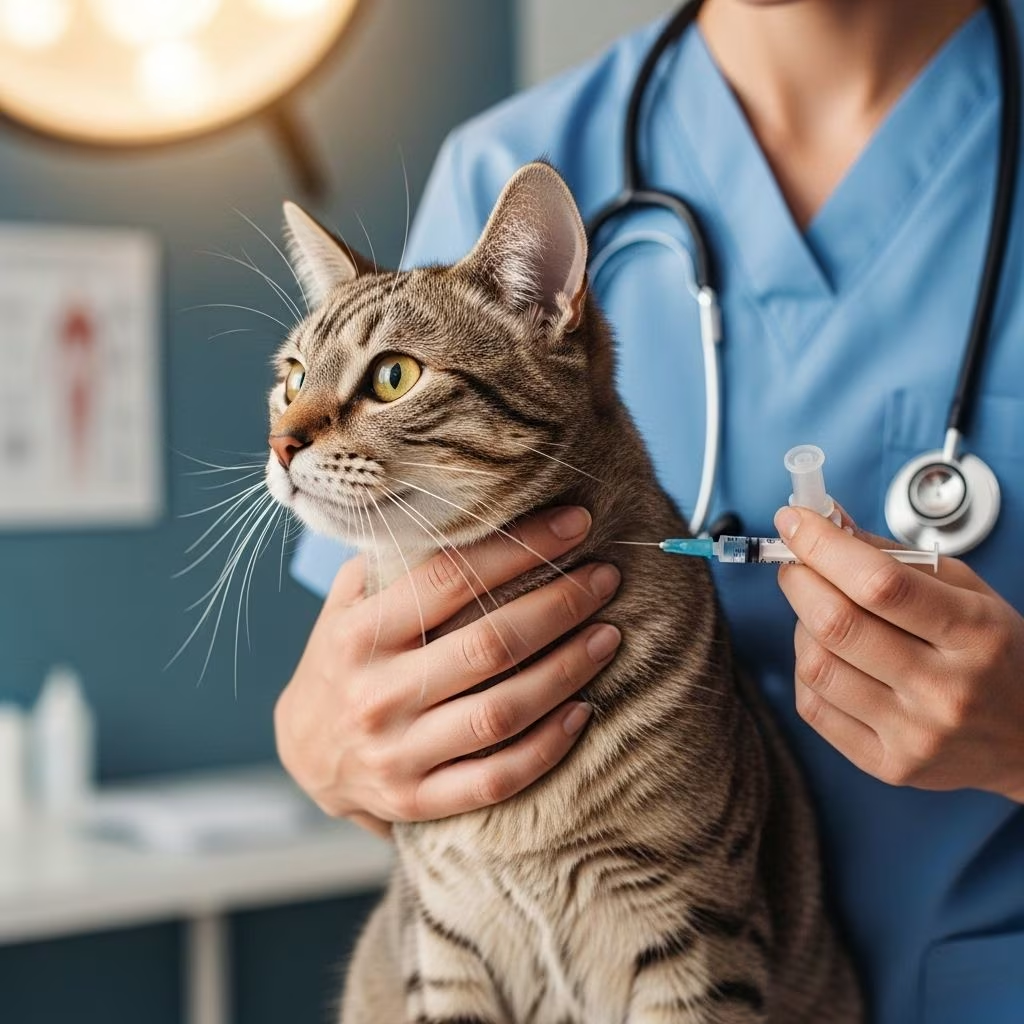
Proper vaccination protects your cat from serious and potentially fatal diseases. Both kittens and adult cats, whether indoor or outdoor, benefit from a carefully planned vaccine schedule tailored to their health needs and lifestyle. This guide details the types of vaccines, recommended vaccination schedule, legal requirements, and frequently asked questions for keeping your feline friend healthy.
Why Are Cat Vaccinations Important?
Vaccinations shield cats from infectious diseases, some of which have no treatment or can be fatal. They also help prevent the spread of diseases to humans (zoonotic diseases) and other pets. Because some diseases are airborne or spread indirectly, even indoor cats are at risk and should follow a recommended vaccination protocol.
- Prevents severe, sometimes fatal, illnesses
- Reduces overall disease in cat populations
- Required by law for certain diseases (e.g., rabies)
- Protects vulnerable kittens until their immune system matures
Types of Cat Vaccines
Veterinarians categorize cat vaccines as core (essential for all cats) and non-core (recommended based on the cat’s risk factors).
Core Vaccines
Core vaccines are recommended for every cat, regardless of age, environment, or lifestyle.
- Rabies:
- Legally required in most states
- Prevents a deadly disease transmissible to humans
- FVRCP Combination: One injection covers three viruses
- Feline Panleukopenia (FPV): Also called feline distemper
- Feline Herpesvirus-1 (FHV-1): Causes feline viral rhinotracheitis
- Feline Calicivirus (FCV): Causes respiratory and oral disease
Non-Core Vaccines
These vaccines may be advised depending on your cat’s lifestyle, health status, and risk of exposure.
- Feline Leukemia Virus (FeLV):
- Recommended for all kittens and cats with outdoor access or living with FeLV-positive cats
- Chlamydia felis: May be considered for cats in multi-cat environments
- Bordetella bronchiseptica: Recommended for cats in boarding facilities or at high risk for respiratory disease outbreaks
Cat Vaccine Schedule
Appropriate timing is crucial for vaccine effectiveness, especially in kittens whose maternal antibodies may interfere with vaccination until a certain age.
| Age | Vaccine(s) | Notes / Additional Care |
|---|---|---|
| 6–8 Weeks | FVRCP (Panleukopenia, Herpesvirus-1, Calicivirus), Chlamydia | First exam, review nutrition, discuss parasite control |
| 10–12 Weeks | FVRCP booster, Chlamydia booster, Feline Leukemia (FeLV) | Fecal test for parasites |
| 14–16 Weeks | FVRCP final booster, Chlamydia booster, FeLV booster, Rabies | Rabies required by law in most states |
| 12–16 Months | Rabies, FVRCP, FeLV (if at risk) | Booster before transitioning to adult schedule |
| Every 1–3 Years (Adults) | Rabies, FVRCP | FeLV for at-risk adult cats; interval depends on lifestyle & vaccine type |
Key Points on Schedules
- Kittens need a series of boosters every 3–4 weeks until 16 weeks old.
- Adult cats’ boosters are usually every 1–3 years, depending on vaccine and lifestyle.
- Your veterinarian will tailor a plan based on your cat’s risk assessment and health status.
Rabies Vaccination: Legal Requirements
Rabies is the only cat vaccination required by law in most U.S. states. This is because rabies poses a significant public health risk, and cats can transmit the disease to humans and other animals if exposed. All cats above 12–16 weeks of age must have a rabies vaccination and keep it up to date as required by state or local law.
Vaccinations for Indoor vs. Outdoor Cats
Though indoor cats have lower risk than outdoor cats, vaccinations are still recommended since some pathogens are airborne or may be brought in on clothing, shoes, or other pets.
- Indoor Cats should receive all core vaccines and may get FeLV as kittens.
- Outdoor Cats and those exposed to others (multi-cat households, fosters, shelters) may need FeLV and possibly Bordetella or Chlamydia vaccines.
What Happens During a Vaccine Appointment?
During your cat’s vaccine appointment, your vet will:
- Conduct a health exam and review your cat’s medical history
- Update or administer scheduled vaccines
- Discuss and assess risk factors (e.g., indoor/outdoor status, multi-cat homes)
- Perform parasite screening and recommend additional wellness care as needed
How Do Cat Vaccines Work?
Vaccines contain viral or bacterial components (killed, modified-live, or recombinant) that safely stimulate the immune system. If the vaccinated cat encounters the actual disease, their immune system responds quickly, minimizing or preventing illness. Most vaccine side effects are mild and temporary.
- Injection site soreness or mild fever is common and temporary
- Serious reactions or allergic responses are rare
- Monitor for abnormal swelling, persistent vomiting, or difficulty breathing after a vaccination
Frequently Asked Questions About Cat Vaccinations
Q: Why do kittens need multiple shots?
A: Maternal antibodies received from their mother can interfere with the kitten’s ability to respond to vaccines. Multiple boosters help ensure immunity is established as the maternal antibodies naturally decrease with age.
Q: Do indoor cats really need vaccines?
A: Yes. Many viruses (like panleukopenia and herpesvirus) are airborne or can be accidentally brought indoors. Rabies vaccines are legally required in most states regardless of whether the cat goes outside.
Q: How often do adult cats need booster vaccines?
A: Most core vaccines require a booster every 1–3 years, depending on the vaccine and your cat’s risk factors. Some non-core vaccines may also need regular boosters if your cat is at higher risk.
Q: What are the risks or side effects of cat vaccinations?
A: Side effects are generally mild, such as slight fever or a sore at the injection site. Severe allergic reactions are rare, but contact your veterinarian if you notice facial swelling, vomiting, or persistent diarrhea.
Q: What happens if a cat misses a vaccine or booster?
A: Missing a scheduled booster can reduce your cat’s level of protection. Your vet will recommend an updated schedule to ensure ongoing immunity.
Special Considerations: Vaccine Choices and Exemptions
- Vaccine Exemptions: In rare cases (e.g., cats with a history of severe vaccine reactions or serious illness), veterinarians may provide a written exemption from certain vaccines, especially rabies. However, this is evaluated case by case and may not satisfy all legal requirements.
- Multi-cat Households & Animal Shelters: Environments with many cats have higher risk for contagious diseases. More non-core vaccines, such as Bordetella and Chlamydia, may be recommended.
- Senior Cats: Older cats may need less frequent boosters. Your veterinarian will determine the safest plan based on age, health, and lifestyle.
Summary Table: Core vs. Non-Core Cat Vaccines
| Vaccine | Core or Non-Core | Recommended For | Frequency |
|---|---|---|---|
| Rabies | Core | All cats (required by law) | Annually or every 3 years |
| FVRCP (Distemper, Herpesvirus, Calicivirus) | Core | All cats | Kitten series, then every 1–3 years |
| Feline Leukemia (FeLV) | Non-Core (Core for kittens) | Kittens, outdoor/at-risk cats | Kitten series, then every 1–2 years if at risk |
| Chlamydia felis | Non-Core | Multi-cat/boarding/shelters | As directed |
| Bordetella bronchiseptica | Non-Core | High-risk/boarding | As directed |
Tips for Cat Owners: Keeping Your Cat Vaccinated & Healthy
- Keep an accurate vaccination record for your pet (date, type, lot #)
- Consult your veterinarian before making vaccine decisions and discuss any questions or concerns
- Follow reminders for booster doses and annual wellness visits
- Watch for symptoms of illness and notify your vet immediately if concerned after vaccination
- Maintain good parasite control, nutrition, and a stress-free environment
Additional FAQs
Q: Can vaccination guarantee 100% protection against disease?
A: No vaccine gives absolute immunity, but vaccination greatly reduces the likelihood and severity of infectious diseases.
Q: Are there new developments in feline vaccines?
A: Yes. Ongoing research focuses on safer vaccines, longer-lasting immunity, and improved protocols for cats with specific needs.
Q: Should pregnant or ill cats be vaccinated?
A: Cats that are pregnant or suffering from significant illness should usually postpone vaccination. Consult your veterinarian for the best strategy.
Key Takeaways
- Vaccinations are an essential part of feline preventive healthcare, protecting cats from life-threatening and contagious diseases.
- Both core and non-core vaccines are available; your veterinarian will recommend the optimal regimen for your cat.
- Timely boosters and annual health checks are critical for lifelong protection.
- Legal rabies vaccination is required for all cats in most jurisdictions—even if your pet never ventures outside.
Consult your veterinarian to develop a tailored vaccination plan, and keep your cat’s shots up to date for a long, healthy, and happy life.
References
- https://www.oakglenanimalhospital.com/site/blog/2024/03/15/cat-kitten-vaccination-schedule
- https://www.smalldoorvet.com/learning-center/wellness/cat-kitten-vaccine-schedules
- https://www.charlottepetdoctor.com/services/cats/vaccinations
- https://vcahospitals.com/know-your-pet/vaccines-for-cats
- https://www.dellsanimalhospital.net/site/blog/2024/03/20/cat-vaccination-schedule