Caucasian Shepherd Dog Overview
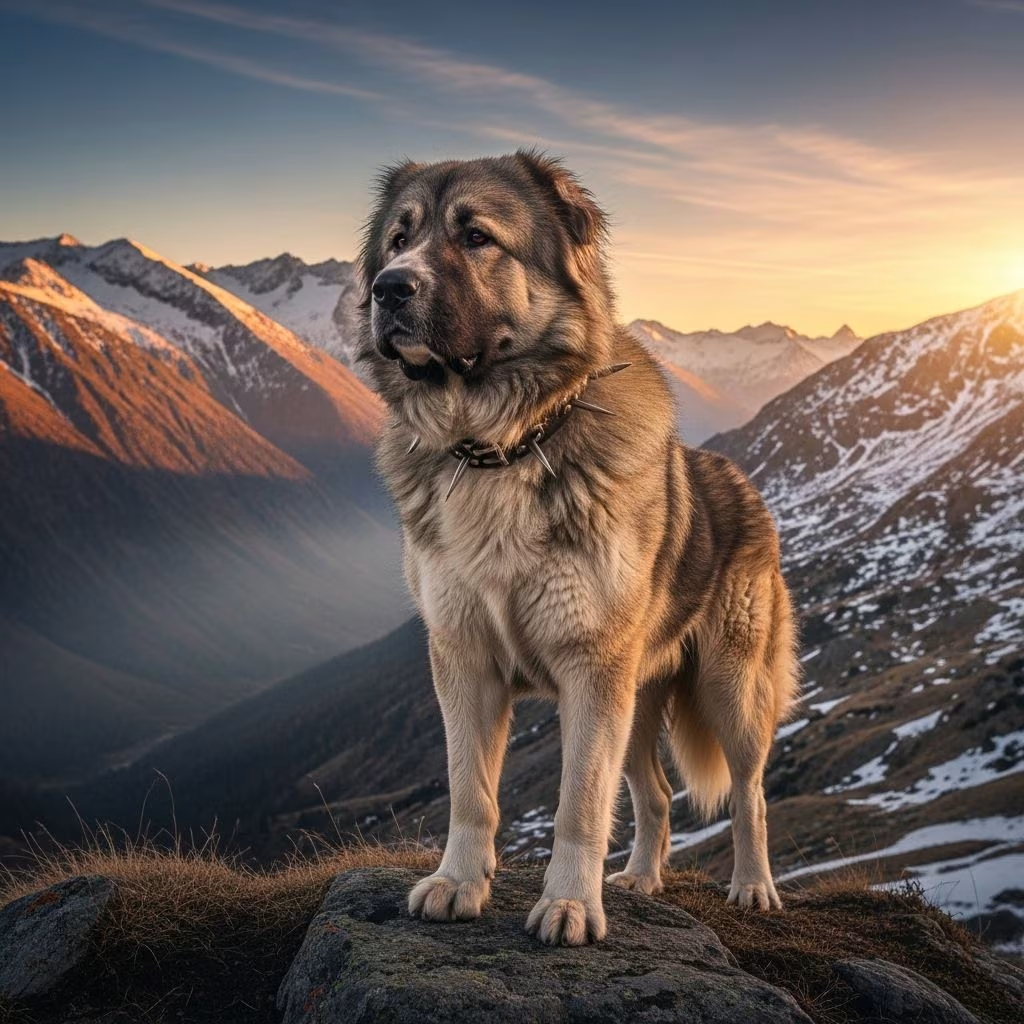
The Caucasian Shepherd Dog, also known as the Caucasian Ovcharka, is a formidable guardian breed native to the rugged Caucasus Mountain region. Esteemed for its immense size, powerful build, and unwavering loyalty, this breed has safeguarded livestock and property for centuries. While its protective instincts remain legendary, the Caucasian Shepherd is equally renowned among enthusiasts for its intelligence, devotion to family, and striking appearance. This comprehensive guide uncovers the breed’s origins, physical traits, temperament, training requirements, and care routines to help prospective owners determine if this ancient guardian is the ideal companion.
Breed History and Origins
The Caucasian Shepherd Dog boasts a history deeply intertwined with the mountainous terrain and cultures of the Caucasus region, notably Georgia, Armenia, Azerbaijan, and Dagestan. For generations, these dogs served as fearless protectors of sheep, cattle, and human settlements, defending their charges from predators such as wolves, bears, and human threats alike.
- This breed is also called the Caucasian Ovcharka, Russian Bear Dog, or Baskhan (Karachay) Pariy.
- Selective breeding emphasized strength, independence, and vigilance, resulting in a dog highly attuned to guarding.
- Today, the breed is cherished both as a family guardian and, in some regions, in formal show and working roles.
Physical Characteristics
Size, Weight, and Build
- Size: Among the largest dog breeds—males reach 110–220 pounds and 27–30 inches at the shoulder; females average 100–180 pounds and 25–28 inches.
- Build: Powerful, muscular, and broad-chested; mountain types are more robust while plains types are slightly leaner.
- Presence: The breed’s intimidating stature serves as a natural deterrent to any potential intruder.
Coat and Color
- Double Coat: Their weather-resistant double coat protects against extreme cold and harsh conditions.
- Coat Length: Comes in short, medium, and long variations. The longer the coat, the more pronounced the mane and feathering across the legs and tail.
- Colors: Wide variety including fawn, gray, white, red, brindle, and combinations. Some have a black face mask.
Grooming Needs
- Brushing: Requires regular brushing (at least weekly, and more frequently during shedding seasons) to prevent matting and manage heavy shedding.
- Bathing: Infrequent baths are sufficient, but special attention to paws and undercoat hygiene is needed in inclement weather.
- Supplies: Invest in sturdy grooming tools for the dog’s dense fur.
Temperament and Personality
The Caucasian Shepherd Dog’s temperament is a product of generations of purposeful breeding. Independent, strong-willed, and fiercely loyal, this breed requires an experienced owner who can provide the leadership and structure it needs.
Are Caucasian Shepherds Good Family Pets?
- Loyalty: Forms deep attachments to its family and “pack”, remaining closely bonded and watchful at all times.
- Gentleness: With proper training and early socialization, can be affectionate and gentle with family members—including children, though supervision is essential.
- Limitations: Their protective instincts and size mean they are not generally suited for inexperienced owners, apartment living, or households with small unsupervised children.
Protective Nature and Guarding Instincts
- Natural Guardian: Courageous in the face of danger; will defend its family, property, or flock without hesitation.
- Territorial: Highly suspicious of strangers and wary of unfamiliar animals.
- Barking: Not prone to excessive barking—will only bark or show aggression when interpreting a real threat.
Personality and Traits
| Trait | Description |
|---|---|
| Intelligence | Quick learner but often stubborn; needs mental stimulation. |
| Independence | Strong-willed and self-reliant—was bred to make decisions on its own when guarding flocks. |
| Energy Level | Moderate; enjoys calm home time but needs daily exercise to prevent boredom. |
| Affection | Devoted to family, reserved with strangers; can be gentle and even playful at home. |
Training and Socialization
While the Caucasian Shepherd is intelligent and capable, training can be a challenge due to its independent streak. Firm, consistent leadership is essential from the very beginning.
Training Tips
- Start Early: Begin training and socialization as a puppy to shape behavior and confidence.
- Positive Reinforcement: Use reward-based methods—such as treats and praise—to encourage desired behaviors.
- Short Sessions: Keep sessions brief and engaging to maintain attention.
- Leash Training: Essential due to their strength. Begin with leash manners and controlled walking early.
- Socialization: Expose to a variety of people, animals, environments, and experiences.
- Professional Help: Work with a trainer experienced with large, independent breeds if needed.
Owner Suitability
- Best for experienced, confident dog owners with space and time for ongoing training and supervision.
- Firm, fair boundaries are crucial to prevent undesirable guarding or aggressive behaviors.
Common Health Concerns
- Joint Issues: Like many giant breeds, they are prone to hip and elbow dysplasia.
- Obesity: Watch diet and exercise to prevent weight gain.
- Heart and Eye Conditions: May be susceptible; routine veterinary check-ups are important.
- Lifespan: Typically 10–12 years with proper care and responsible breeding.
Living Needs and Environment
- Space Requirements: Best suited for homes with large, securely fenced yards.
- Exercise: Daily walks and space to patrol are needed for mental and physical health. Not a high-energy breed, but activity helps reduce boredom and anxiety.
- Indoor/Outdoor Life: Thrives in environments where it can spend ample time outdoors, though should not be left unattended in a yard due to territorial instincts.
Nutrition and General Care
- Diet: Feed a high-quality large or giant breed dog food. Monitor portions to maintain a healthy weight.
- Hydration: Provide constant access to fresh, clean water.
- Veterinary Care: Schedule regular check-ups and vaccinations, and discuss screening for common hereditary health issues.
Grooming: Maintenance and Tips
- Brushing: Weekly brushing is a must, increasing during heavy seasonal shedding (spring and autumn).
- Bathing: Bathe as needed—generally every couple of months, unless the dog is particularly dirty.
- Ear and Nail Care: Regular ear checks and nail trimming are important to prevent infections and overgrowth.
Adoption and Responsible Ownership
- Adoption: Prospective owners are encouraged to adopt from rescues or shelters when possible.
- Reputable Breeders: If buying, select breeders who follow ethical practices, conduct health testing, and nurture puppies in positive environments.
- Commitment: This breed requires a long-term, active commitment and a household able to match its protective instincts with structure, leadership, and training.
Is the Caucasian Shepherd Right for You?
The Caucasian Shepherd Dog is remarkable in many ways—intelligent, noble, and fiercely loyal. However, its size, independence, and guarding drive require dedication, space, and training skill from owners. If you seek a loving household companion, vigilant protector, and are prepared for the challenge, the Caucasian Shepherd can be a lifelong guardian and friend.
Frequently Asked Questions (FAQs)
Q: Are Caucasian Shepherds good with children?
A: With careful supervision and early socialization, they can be gentle with children in their family group. However, their large size and protective nature require that play always be monitored.
Q: Can Caucasian Shepherd Dogs live in apartments?
A: No, these dogs are too large and territorial for apartment living. They thrive best in homes with secure yards and ample outdoor space.
Q: How much exercise does a Caucasian Shepherd need?
A: They need daily walks and secure outdoor time but are not as high-energy as working or sporting breeds. Mental stimulation is as important as physical exercise to prevent boredom.
Q: Are Caucasian Shepherds difficult to train?
A: Their intelligence is matched by a stubborn, independent streak. Training should begin early, be consistent, and may require professional guidance for best results.
Q: Do they get along with other pets?
A: Early socialization is crucial. With appropriate introduction and training, they can accept other dogs or pets in the household, but inherent dominance and guarding instincts must be managed.
Q: Are Caucasian Shepherds aggressive?
A: While naturally protective and suspicious of strangers, well-trained Caucasian Shepherds are not overtly aggressive without cause. Improper training or lack of boundaries can lead to undesirable behaviors.
Key Characteristics Table
| Attribute | Details |
|---|---|
| Origin | Caucasus Mountains (Georgia, Armenia, Azerbaijan, Dagestan) |
| Size | Giant; Males 110–220 lb, Females 100–180 lb |
| Lifespan | 10–12 years |
| Temperament | Loyal, protective, intelligent, independent |
| Exercise Needs | Moderate; daily walks and secure yard time |
| Grooming | Regular brushing, seasonal shedding |
| Best For | Experienced owners, homes with space |
The Caucasian Shepherd Dog stands as a testament to the enduring bond between humans and their canine protectors—noble, vigilant, and steadfast through the ages.
References
- https://www.holistapet.com/blogs/dog-breeds/caucasian-shepherd
- https://vetplayas.com/caucasian-shepherd-traits-facts-more/
- https://dogtime.com/dog-breeds/caucasian-shepherd-dog
- https://www.akc.org/dog-breeds/caucasian-shepherd-dog/
- https://en.wikipedia.org/wiki/Caucasian_Shepherd_Dog
- https://www.youtube.com/watch?v=qYGMndPyPqs
- https://www.rover.com/uk/blog/caucasian-shepherd-puppies/