Coonhounds are American originals—medium-to-large-sized dogs with keen scent-trailing skills, celebrated both in the woods and at home. The American Kennel Club (AKC) recognizes six distinct Coonhound breeds, each with its own history, temperament, and specialties. Whether you are an avid hunter, an outdoor enthusiast, or looking for a loyal family companion, the Coonhound breeds offer a captivating blend of athleticism, intelligence, and affectionate nature. This guide introduces each Coonhound, traces their historical roots, and explores what makes them cherished parts of the Hound Group.
The Essence of a Coonhound
Developed primarily to trail and tree raccoons through challenging American terrain, Coonhounds are prized for their stamina, determination, and their flair for vocalizing their excitement—a trait beloved by hunters. The breed group is united by their purpose: to follow scent trails with their deep chests, powerful noses, and distinctive baying, before signaling the quarry’s climb with their loud, unique howls.
At home, coonhounds tend to be gentle, social, and affectionate, often seeking out cuddle time and forming deep bonds with their owners. Physically, they are distinguished by their:
- Medium to large size and muscular build
- Short, smooth coats in a variety of striking colors and patterns
- Long, floppy, scent-collecting ears
- Distinctive, resonant voices
Save for one breed, Coonhounds trace their ancestry back to British and European hounds brought to America by settlers. Only the Plott Hound comes from a unique non-British heritage.
Overview: America’s Six Recognized Coonhounds
- American English Coonhound
- Black and Tan Coonhound
- Bluetick Coonhound
- Plott Hound
- Redbone Coonhound
- Treeing Walker Coonhound
Each breed brings subtle differences in size, coat, and temperament. Below, discover what sets each one apart.
American English Coonhound
The American English Coonhound descends from English Foxhounds brought to America in the early 1800s. Initially known as the English Fox and Coonhound, the breed was developed for chasing both foxes and raccoons in rugged terrain.
Physical features of the breed include a sleek, racy, and muscular body, standing 24–26 inches at the shoulder for males (23–25 inches for females), and weighing 45–65 pounds. The hallmark of the breed is its ticking coat pattern in red and white, blue and white, or tricolor.
These hounds shine in stamina and speed, with a deep chest and powerful lungs that can project a loud, distinctive bark heard from miles away—a critical asset for hunters.
At home, the American English Coonhound is affectionate, gentle, and mellow, content to relax with family but alert and ready to chase any small animal. The breed is known for being very talkative and is consistently ranked among the less common AKC breeds, making it a rare companion for enthusiasts who value uniqueness.
The AKC recognized the American English Coonhound as its 171st breed in 2011.
Key Traits
- Energetic, agile, and exceptionally sweet
- Distinctive ticking patterns (redtick, bluetick, tricolor)
- Muscular build with expressive soulful eyes
- Loves vocalizing, both as a signal and for communication
- Excellent with families and children when properly socialized
Black and Tan Coonhound
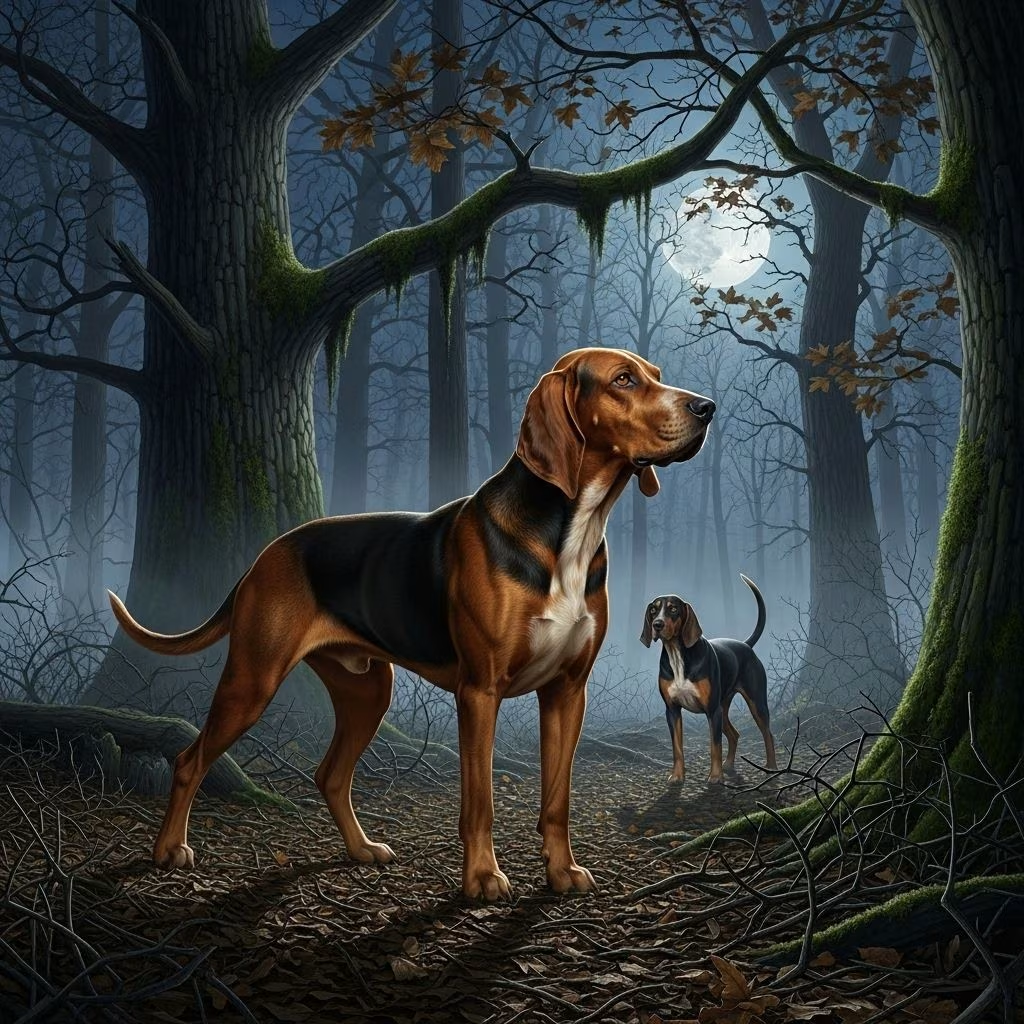
The Black and Tan Coonhound is the largest and most powerful of the coonhound clan. Its ancestry traces back to the Talbot Hound of England (11th century), further refined in America with Bloodhound crosses to enhance scenting power.
This breed is instantly recognizable for its coal-black coat with rich tan accents and the signature “pumpkin seeds” above its expressive eyes. Males can reach 27 inches in height, and both sexes commonly weigh between 65 and 110 pounds.
The Black and Tan has long, pendulous ears, droopy jowls reminiscent of its bloodhound heritage, and an athletic, powerful frame.
First recognized by the AKC in 1945, it remains a beloved member of the Hound Group.
Black and Tans excel at following scent trails and are known for their bold howling, useful for alerting hunters to treed quarry. Despite their formidable athleticism, Black and Tans are laid-back at home, showing a sweet, social disposition and thriving on both mental and physical activity.
Key Traits
- Large, athletic, and powerful
- Striking black and tan color with unique eye markings
- Exceptionally sensitive nose for scent work
- First Coonhound breed recognized by the AKC
- Affectionate, calm, and family-friendly, happiest with company
Bluetick Coonhound
The Bluetick Coonhound stands out with its dark blue coat laced with a “ticking” pattern—tiny black and blue spots over a white background—giving it a “blueticked” look. Males typically measure 22–27 inches in height, with females ranging from 21–25 inches. Typical weight range spans 45–80 pounds.
Blueticks have deep chests, long backs, muscular frames, and an alert, determined expression. They are renowned for their excellent tracking ability, determination, and cold-nose scenting skills—the ability to follow old trails where the scent is faint.
These hounds possess a melodious, distinctive “bawl” and excel on the hunt for raccoon and other game.
At home, Bluetick Coonhounds are gentle, loyal, and somewhat stubborn. They require plenty of exercise to prevent boredom, make excellent family pets with proper guidance, and bond closely with their human companions.
Key Traits
- Striking blueticked coat with black spots
- Powerful nose, famed for cold-trailing ability
- Muscular, athletic body
- Loyal and affectionate at home
- Requires ample exercise
Plott Hound
The Plott Hound is the only Coonhound not descended from foxhounds. Developed in North Carolina, its lineage traces to German boarhounds brought by Johannes Plott in the mid-18th century. The breed’s unique heritage lends it a reputation as a relentless, courageous tracker.
Physical characteristics are distinct: Plott Hounds sport sleek, athletic bodies covered by short, dense brindle coats, which can vary from tan to gold to black. Males stand 20–25 inches tall; females are slightly smaller, with a weight range of 40–60 pounds.
Best known for their versatility, Plott Hounds hunt not only raccoons but also big game such as bear and wild boar.
Personality-wise, Plotts are fiercely loyal, protective, and dedicated to their families. With their abundant energy, they thrive with an active lifestyle and excel at canine sports and field work.
Key Traits
- Unique German heritage (not from British foxhounds)
- Sleek brindle coat in various shades
- Sturdy, determined, and bold tracker
- Excellent for big game and raccoon hunting
- Devoted and protective family member
Redbone Coonhound
The Redbone Coonhound is instantly recognizable thanks to its gleaming, deep red coat. Originating from red foxhounds brought to America and crossed with other hounds, Redbones are streamlined, well-muscled, and strong.
The breed is slightly smaller than some of its coonhound relatives, standing 21–27 inches tall and weighing 45–70 pounds.
Redbones are even-tempered, mellow, and exceptionally friendly at home. Yet, on the trail, they are focused and driven, famous for exceptional treeing ability and enthusiasm for the hunt.
Given their energy and intelligence, Redbones need regular vigorous exercise. Their affectionate, gentle nature also makes them ideal companions for families who can provide structure and activity.
Key Traits
- Glossy, solid red coat
- Even temperament and gentle personality
- Strong, athletic, and adaptable
- Excellent hunting and treeing instinct
- Family-oriented and affectionate pet
Treeing Walker Coonhound
Developed from Walker Foxhounds (descended from the English Foxhound), the Treeing Walker Coonhound is among the most energetic, confident, and focused of the group. It is renowned as a premier raccoon tracker with incredible speed and treeing ability.
Physically, this hound displays a sleek, trim build with a classic hound look: domed skull, expressive eyes, and a glossy tricolor (white, black, and tan) or bicolor coat. Males average 22–27 inches tall; females, 20–25 inches, both typically weighing 50–70 pounds.
Their athleticism, intelligence, and endurance make Treeing Walkers a top choice for competitive coonhound events. Their hallmark ability is to keep quarry “treed” with persistent barking until hunters arrive.
At home, Treeing Walkers are outgoing, affectionate, and thrive with daily activity and mental stimulation. They bond closely to their families and interact well with other dogs when properly socialized.
Key Traits
- High energy, focus, and agility
- Sleek, smooth tricolor coat
- Exceptional treeing and trailing skills
- Social, confident, and loving
- Thrive in active homes and sporting events
Coonhound Breeds: At a Glance
| Breed | Origin | Distinctive Features | Main Coat Colors | Typical Height (inches) | Typical Weight (lbs) |
|---|---|---|---|---|---|
| American English Coonhound | USA (from English Foxhound) | Ticked coat, sweet temperament | Red & white, blue & white, tricolor | M:24–26; F:23–25 | 45–65 |
| Black and Tan Coonhound | USA/England | Black and tan, “pumpkin seeds” eyebrows | Black with tan markings | M:27; F:23–25 | 65–110 |
| Bluetick Coonhound | USA (from French & English hounds) | Blueticked coat, cold-nosed tracker | Blue & black mottled pattern | M:22–27; F:21–25 | 45–80 |
| Plott Hound | USA (German boarhound desc.) | Brindle coat, hunts big game | Brindle (various shades) | 20–25 | 40–60 |
| Redbone Coonhound | USA (from red foxhounds) | Solid red coat, mellow at home | Rich red | 21–27 | 45–70 |
| Treeing Walker Coonhound | USA (Walker Foxhound desc.) | Fast, tenacious, classic hound appearance | Tricolor, bicolor | M:22–27; F:20–25 | 50–70 |
Coonhounds at Home
Coonhounds make excellent family dogs when matched with the right household. They usually get along well with children and other dogs, thanks to their pack-oriented nature. However, their single-minded focus when following scents, tendency to vocalize, and strong prey drive mean they require:
- Daily vigorous exercise (walks, runs, playtime, scent work)
- Ongoing training and socialization to encourage good behavior
- Space to roam; not ideal for small apartments without ample outdoor time
- Patience—some coonhounds can be stubborn or independent-minded
- Regular grooming, though their short coats are generally low-maintenance
With proper care and outlet for their energy, Coonhounds reward their families with loyalty, playfulness, and affection.
Frequently Asked Questions (FAQs)
Q: Are Coonhounds good with children and other pets?
A: Yes, Coonhounds are generally gentle and get along well with children and other dogs when socialized early. Supervision is recommended with smaller pets due to their prey drive.
Q: How much exercise do Coonhounds require?
A: Coonhounds need substantial daily exercise—long walks, play sessions, and opportunities for scent work or running. Without enough stimulation, they may become bored or vocal.
Q: Do Coonhounds bark or bay a lot?
A: Yes, most Coonhound breeds are naturally vocal, expressing excitement with loud bays or howls, especially when following a scent or alerting to visitors.
Q: Are Coonhounds difficult to train?
A: They are intelligent but also independent and sometimes stubborn. Consistent, positive training methods, with plenty of patience and reinforcement, work best.
Q: Are Coonhounds suitable for first-time dog owners?
A: They can be suitable if the owner is prepared for an energetic, sometimes stubborn dog and can provide exercise, training, and stimulation. Those seeking a quiet, low-energy pet may prefer another breed.
Final Thoughts
Coonhounds stand out for their versatility, determination in the field, and loving nature at home. With careful consideration to their needs, any of the six AKC-recognized breeds can be a wonderful, rewarding companion for the right family. Whether curled up after a long day or braving a scent trail at dusk, coonhounds combine the best of American sporting tradition with modern companionship.
References
- https://www.akc.org/expert-advice/dog-breeds/meet-coonhound-breeds/
- https://www.akc.org/expert-advice/dog-breeds/fun-facts-black-and-tan-coonhound/
- https://www.akc.org/expert-advice/lifestyle/american-english-coonhound-fun-facts/
- https://cathunter.com/coonhound-breeds/
- https://www.akc.org/dog-breeds/american-english-coonhound/
- https://www.akc.org/dog-breeds/black-and-tan-coonhound/
- https://www.akc.org/dog-breeds/treeing-walker-coonhound/
- https://www.akc.org/dog-breeds/redbone-coonhound/
- https://en.wikipedia.org/wiki/Treeing_Walker_Coonhound