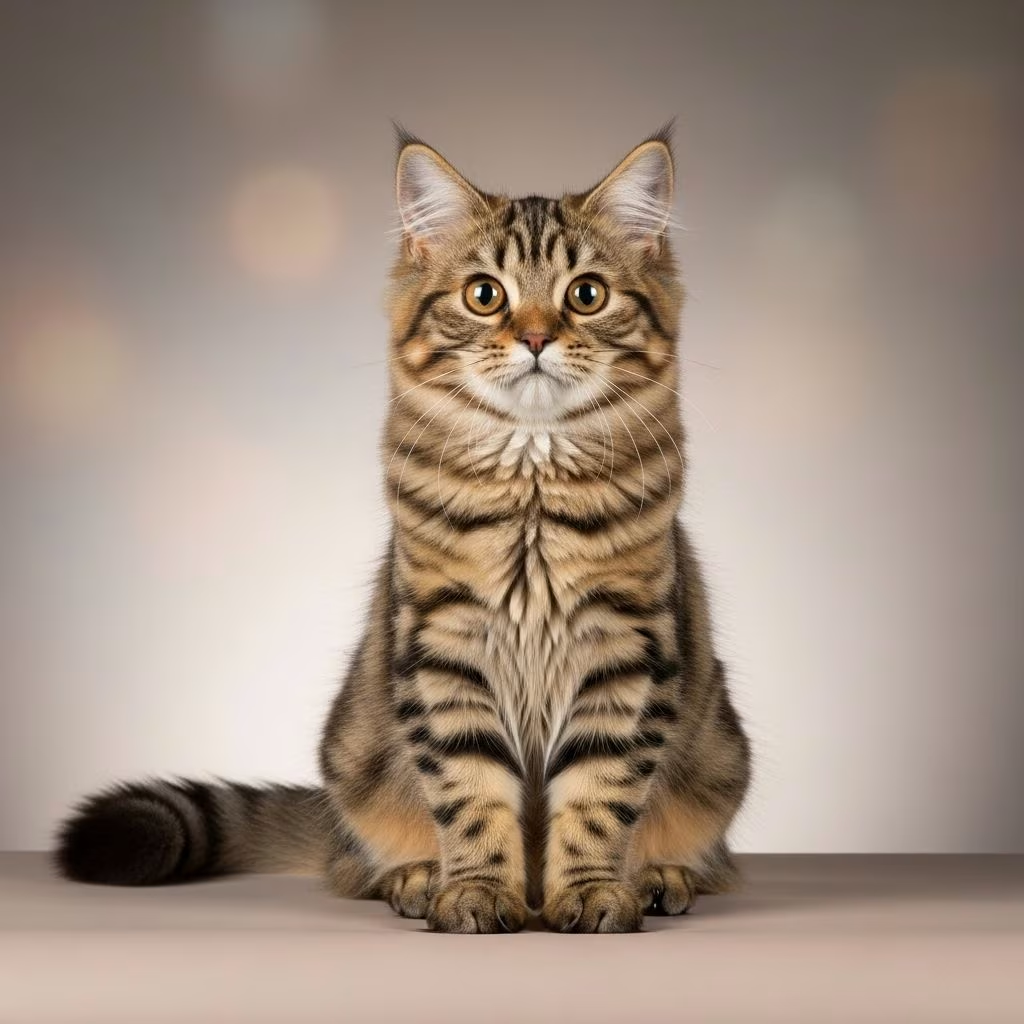
The Cymric cat is a captivating long-haired feline known for its plush double coat, rounded form, and unique taillessness—making it one of the most distinctive, charming breeds. Originating from the same genetic pool as the Manx on the Isle of Man, the Cymric blends playful personality with gentle affection, becoming an increasingly popular choice among cat lovers. This comprehensive guide covers everything from the Cymric’s history and appearance to personality, health, and daily care.
Breed Overview
| Characteristic | Details |
|---|---|
| Common Name | Cymric Cat |
| Other Names | Long-Haired Manx, Manx Longhair |
| Origin | Isle of Man (further developed in Canada/USA) |
| Size | Medium to Large, cobby/stocky build |
| Weight | 3.6–5.4 kg (8–12 lbs) |
| Coat | Semi-long, dense double coat |
| Life Span | 8–14 years |
| Personality | Affectionate, playful, intelligent |
| Distinctive Trait | Tailless or short tail (varies) |
| Activity Level | Moderate to High |
About the Cymric Cat
The Cymric (pronounced “kim-rick”) is a medium to large, solidly built cat breed notable for being tailless—or nearly so—due to a naturally occurring gene mutation. Cymrics are known for their luxurious double coats, round outlines, and gentle, yet spirited, demeanor. Although closely related to and often grouped with the Manx, the Cymric is officially recognized as a semi-longhaired variety or separate breed by different cat associations worldwide.
- Tailless Wonder: Not all Cymrics are completely tailless. Some have a short stub (“stumpy”) or a slightly longer residual tail (“rumpy-riser”), while others, referred to as “longies,” have tails approaching typical length.
- Dog-like Personality: Many Cymrics fetch toys, follow humans around the house, and enjoy meeting new people, blending the enthusiasm of a puppy with feline grace.
- Social Butterflies: Cymric cats tend to get along well with children and other animals, making them ideal for family life and multi-pet households.
Breed History and Origins
Cymric cats share their origin with the shorthaired Manx on the windswept Isle of Man, located in the Irish Sea. The hallmark taillessness emerged from a dominant gene mutation within the island’s isolated cat population generations ago. Over centuries, this quirk became a defining trait of the local breed.
Historical points include:
- Long-haired kittens appeared occasionally among Manx litters on the Isle of Man but were often dismissed as “mutants” by early breeders.
- The Cymric achieved breed status in the 1960s and 1970s as breeders in Canada and the United States began selecting for long, plush coats and the unique Manx body type.
- It took years for the major feline registries to acknowledge the Cymric as a separate breed. Today, some organizations (e.g., CFA, TICA) classify it as a Manx variety, while others (e.g., Canadian Cat Association, FIFe) grant it full breed recognition.
Recognition by Major Cat Associations
- Recognized as a Breed: Canadian Cat Association (CCA), Fédération Internationale Féline (FIFe), World Cat Federation (WCF)
- Classified as Long-Haired Manx: Cat Fanciers’ Association (CFA), The International Cat Association (TICA), Governing Council of the Cat Fancy (GCCF)
Physical Characteristics
The Cymric is defined by its compelling “roundness”—from the chubby cheeks to the broad chest to the dense, plush coat enveloping its solid body.
Body Structure and Size
- Medium to large, with prominent muscle and a heavy, cobby frame
- Rounded head with full cheeks, striking large round eyes, and strong jaws
- Powerful, slightly longer hind legs give a unique rabbit-like gait
Taillessness Explained
- Rumpy: Completely tailless (preferred for show)
- Rumpy-riser: Slight rise where the tail vertebrae begin (1–3 vertebrae)
- Stumpy: Short tail stump, up to a third the length of a normal tail
- Longie: Nearly a full-length tail
Coat and Color
- Double, medium-long to long coat: very dense, well-padded with a plush undercoat and softer outer fur
- Apparent “ruff” around the neck, prominent breeches (long hair) on the rear legs, and tufts between toes and in ears
- Accepted in virtually all coat colors and patterns—solid, tabby, tortoiseshell, bicolor, pointed, and more
Cymric Cat Personality
Cymric cats are renowned for their gentle, affectionate, and devoted natures. They instantly befriend most family members, including respectful children and other household pets.
- Playful and Smart: Cymrics thrive on interactive games. They learn tricks easily, and some play fetch or figure out puzzle feeders.
- People-Oriented: These cats build strong bonds with their owners, often following them from room to room or even chirping conversationally.
- Independent but Loyal: While they enjoy company, Cymrics can amuse themselves during the day, making them suitable even for busy families.
- Moderately Vocal: They tend to “talk” with soft trills or chirps, but do not typically meow incessantly.
Care Requirements
Cymric cats are moderately easy to care for, provided their coat is groomed regularly and they receive sufficient enrichment and exercise.
Grooming
- Brush thoroughly 2–3 times a week to prevent tangles and mats in the dense undercoat. Daily grooming may be required during seasonal sheds.
- Check behind the ears, on the belly, and under the legs, where mats can form fastest.
- Trim nails as needed and inspect eyes and ears for cleanliness.
- Dental hygiene is crucial—brush teeth regularly and schedule annual vet cleanings.
Exercise and Enrichment
- Cymrics are enthusiastic players. Provide a variety of toys, climbing trees, and scratching posts to engage their intelligence and athleticism.
- They appreciate interactive games with their owners, such as fetch or wand toys.
- Being curious and trainable, they often enjoy learning simple commands or tricks for treats.
Feeding
- High-quality, balanced cat food—wet or dry—is recommended. Monitor portion size to prevent obesity, as Cymrics’ stocky build can hide excess weight.
- Consult with your veterinarian for diet specifics based on age and activity level.
Health and Genetic Considerations
While the Cymric is generally robust, the same gene responsible for their taillessness can occasionally cause health concerns. It is vital for breeders to screen and select healthy breeding stock.
- Manx Syndrome: A spinal condition linked to the tailless gene. Symptoms include incontinence, constipation, or partial paralysis. Reputable breeders screen for and strive to avoid this through careful selection.
- Joint or Spinal Issues: Some tail types (especially “rumpy-riser” and “stumpy”) are predisposed to spinal abnormalities.
- Lifespan: Most Cymrics live 8–14 years with proper care, though life expectancy may vary depending on genetics and lifestyle.
- Routine Care: Keep up with vaccinations, parasite control, and annual vet wellness checks.
Ideal Living Environment
- Cymric cats adapt well to a variety of living situations, including apartments and large, active family homes.
- They do well with respectful children, other cats, and cat-friendly dogs.
- Best suited for indoor-only living to minimize risks associated with outdoor exposure, particularly because of possible mobility issues related to the tailless gene.
Is the Cymric Right for You?
- Ideal for first-time cat owners willing to commit to regular grooming.
- Great match for families seeking an affectionate, playful, and sociable companion.
- Well-suited to households that can provide interactive play and mental enrichment.
Summary Table: Cymric vs. Manx
| Trait | Cymric | Manx |
|---|---|---|
| Coat | Semi-long, dense double coat | Short to medium, dense |
| Recognized as Separate? | Varies by registry | Always recognized |
| Major Tail Types | Rumpy, rumpy-riser, stumpy, longie | Same tail types |
| Personality | Playful, intelligent, loyal | Playful, intelligent, loyal |
Frequently Asked Questions (FAQs)
Q: Are all Cymric cats completely tailless?
A: No. While many Cymrics are tailless (“rumpy”), others have short stumps (“stumpy”) or longer tails (“longie”). The degree of taillessness depends on genetics.
Q: Do Cymric cats get along with other pets?
A: Yes. Cymric cats generally have a gentle and playful temperament, making them good companions for cats, dogs, and children when properly introduced.
Q: Are Cymric cats high maintenance in terms of grooming?
A: Their thick double coats need brushing several times a week to avoid mats and reduce shedding. Expect daily sessions during seasonal shedding.
Q: What health concerns are unique to Cymrics?
A: Manx syndrome (a range of spinal issues) can appear in tailless varieties, so choose kittens from reputable breeders who screen for genetic health issues.
Q: How active are Cymric cats?
A: While not hyper, Cymrics are playful, agile, and smart. They appreciate interactive play and mental stimulation to stay happy.
Quick Facts About the Cymric Cat
- Lifespan: 8–14 years
- Weight: 3.6–5.4 kg (8–12 lbs)
- Coat: Semi-long, thick, double
- Distinctive Feature: Tailless to long “stumpy” tail
- Personality: Playful, affectionate, intelligent, family-friendly
Final Thoughts
The Cymric cat stands out for its unique blend of plush beauty, quirky taillessness, and loving temperament. With their friendly, loyal, and playful natures, Cymrics form strong bonds with those willing to provide them with mental stimulation, interactive play, and regular grooming. For families or individuals seeking an intelligent, affectionate, and slightly unusual feline companion, the Cymric is a wonderful—if sometimes overlooked—option.