Dogs don’t rely on words to communicate with us or each other. Instead, they express a nuanced language through body signals, facial expressions, and specific behavioral gestures. Among these, appeasement gestures are key to understanding how your dog perceives the world, copes with stress, and avoids confrontation. By reading these signals accurately, you can build trust, prevent behavioral escalation, and support your dog’s emotional well-being.
What Are Appeasement Gestures in Dogs?
Appeasement gestures (also called calming signals or cutoff cues) are subtle behaviors dogs use to communicate discomfort, stress, or non-threatening intent. These cues are not only directed toward other dogs but also towards humans and even other animals. Think of them as a dog’s way of saying, “I’m not a threat,” “Please give me space,” or “Let’s calm things down.”
- Appear during greetings, unfamiliar encounters, and stressful situations.
- May be directed at dogs, people, or occasionally toward objects or environments that cause anxiety.
- Serve to deescalate tension and prevent aggressive conflicts.
Recognizing these gestures and understanding their context are vital for all dog owners, trainers, and anyone working or living with dogs.
Why Appeasement Signals Matter
By learning to identify appeasement gestures, you can:
- Prevent conflicts by backing off before a situation escalates to growling or biting.
- Reduce stress for your dog by recognizing when they are uncomfortable.
- Build trust and strengthen your communication with your dog.
- Promote safety in multi-dog or busy environments by facilitating early intervention.
How Do Dogs Use Appeasement Gestures?
Dogs are social animals with a strong evolutionary drive to avoid unnecessary conflict. Appeasement gestures evolved as survival strategies, allowing dogs to navigate social hierarchies, signals of play, anxiety, and threats. These behaviors may surface during:
- Introduction to new dogs or people
- Encounters with perceived threats (such as loud noises, unfamiliar objects, or rough play)
- Confusing situations (e.g., ambiguous training sessions)
- Moments of uncertainty or excitement (like visiting the vet or being around new guests)
Appeasement gestures are often involuntary and may be mistaken for other behaviors (like sleepiness or playfulness), but context reveals their true meaning.
Common Appeasement Gestures in Dogs
Appeasement signals can be subtle or pronounced, but knowing the common ones will help you recognize them in your own dog. Here are the most frequent examples:
- Lip or nose licking – Quick flicks of the tongue over the lips or nose in the absence of food or water, signaling anxiety or uncertainty.
- Yawning – While often a sign of tiredness, frequent yawning in tense moments is a stress or appeasement signal.
- Sneezing – Dogs may sneeze in response to stress, not just irritants, as a calming gesture.
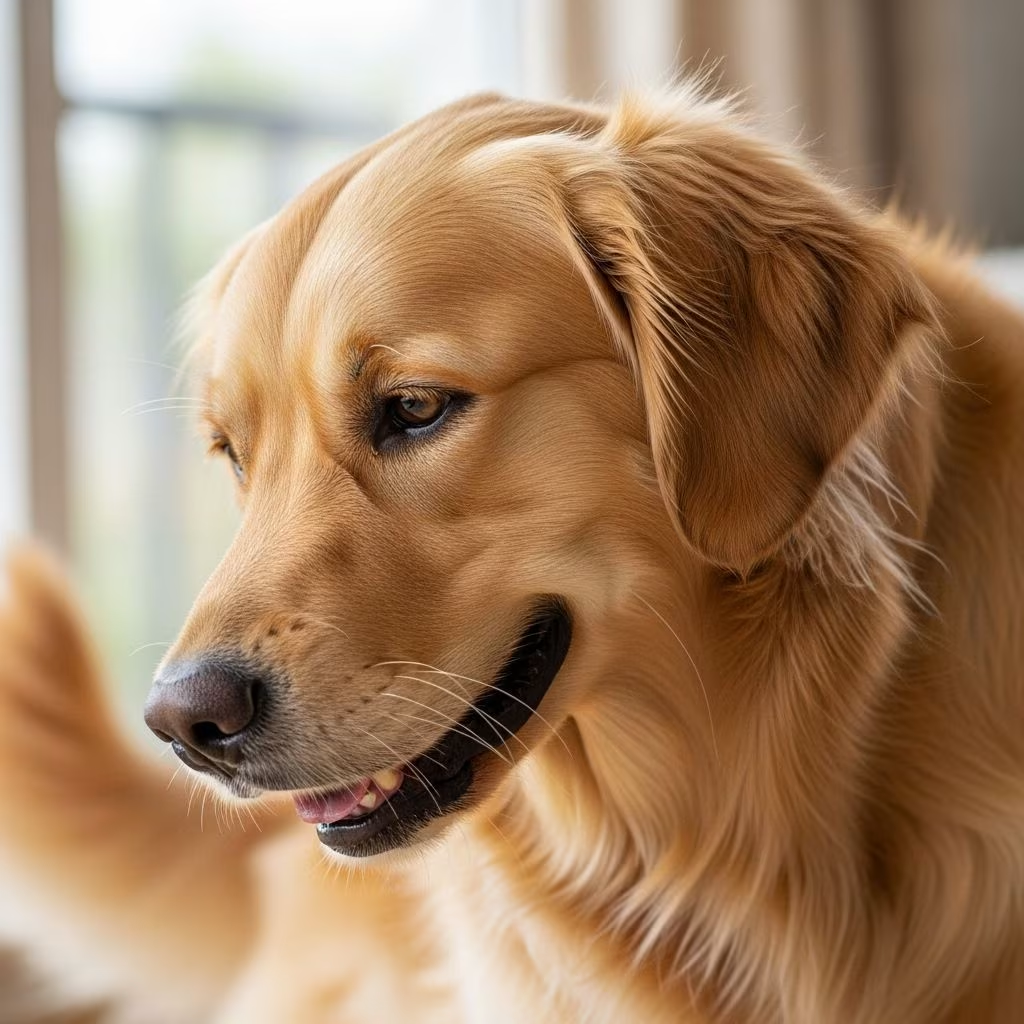
- Turning away or avoiding eye contact – Deliberately looking away from a perceived threat or uncomfortable stimulus demonstrates politeness and a wish to avoid conflict.
- Lowered body or crouching – Dogs may try to appear smaller, lower their body or tail, or crouch to demonstrate submission and non-threatening intent.
- Lowered or tucked tail – A tail held low or tucked between the legs often signals fear or submission, even if it’s gently wagging.
- Ears flattened or held back – Flattened ears accompany other signals of discomfort or anxiety.
- Rolling onto the back/exposing belly – While sometimes a request for belly rubs, this position often signals appeasement, especially in unfamiliar or tense environments.
- Submissive grin – Some dogs pull back their lips in a relaxed, toothy grin that is very different from a snarl. When paired with other calming signals, it means the dog is trying to pacify.
- Paw lift – Lifting a front paw without apparent cause (like no injury or need to reach something) can be an appeasement or attention-seeking signal.
- Sniffing the ground – Suddenly sniffing the ground, especially in the middle of an interaction, could be a “displacement behavior,” a way to appear disengaged and diffuse tension.
- Scratching or shaking off – When not clearly itchy, these can serve as nervous gestures or attempts to calm the situation.
- Jumping up, nudging, or leaning in – Excessive contact, seeking to be close, or “offering” a toy/object might be attempts at appeasement, especially during greetings or after perceived scolding.
- Urinating on greeting – Especially in young or submissive dogs, urination can be an extreme appeasement behavior.
| Gesture | Potential Triggers | Associated Feelings |
|---|---|---|
| Lip Licking | Direct eye contact, scolding, unfamiliar places | Anxiety, wanting to avoid conflict |
| Yawning | Vet visits, tense greetings, confusion during training | Stress, looking to calm environment |
| Turning Away | Aggressive or direct approach by human/dog | Politeness, disengagement |
| Submissive Grin | Friendly greetings, feeling uncertain | Desire to appease, friendliness with caution |
| Exposing Belly | Unfamiliar guests, other dominant dogs | Submission, vulnerability |
| Sniffing Ground | Social tension, confusing commands | Anxiety, distraction attempt |
Examples of Appeasement Gestures in Real-Life Situations
- A dog at the dog park avoids eye contact and licks their nose when another more dominant dog approaches, signaling no intent to challenge.
- During a stressful training session, a confused dog suddenly starts scratching or yawning as a way to cope with mounting anxiety.
- Your dog “grins” and lowers their head when an unfamiliar person tries to pet them, hoping to diffuse a potentially uncomfortable encounter.
- A rescue dog rolls onto their back during introductions, not primarily seeking affection, but expressing vulnerability and an appeasement plea.
- After having gotten into trash, your dog displays a “guilty” look, which is really appeasement in response to your stern voice and body language—not true guilt.
Appeasement vs. Other Behavioral Signals: How to Tell the Difference
Not all body language indicates appeasement. Key distinctions include:
- Appeasement is about diffusing tension and showing non-threat; it’s often paired with soft, flowing movements and avoidance.
- Fear is more likely to produce freeze, hide, cower, or escape responses, with more rigid body posture and dilated pupils.
- Submission overlaps with appeasement, but is often a response to a clear, dominant presence and may be less voluntary.
- Play signals (play bows, bouncy movements) are more energetic, relaxed, and come with wagging tails and open mouths.
Why Dogs Display Appeasement Gestures
Appeasement behaviors arise from both instinct and individual experience. Their goals include:
- Preventing aggression from others.
- Reducing their own fear and stress.
- Clarifying intent (e.g., “I’m friendly, please don’t hurt me”).
- Gathering social information and negotiating social encounters calmly.
Does My Dog Want to Be Left Alone?
Appeasement doesn’t always mean a dog wants to avoid all contact. Sometimes, it’s a way of seeking reassurance or politely asking for space. Consider the context, the dog’s overall demeanor, and accompanying signals. For example:
- If your dog appears relaxed, with soft eyes and loose body language, appeasement gestures may be friendly and reassuring.
- If signals are paired with trembling, wide eyes (whale eye), and avoidance, it’s best to offer your dog space.
What Should You Do If Your Dog Shows Appeasement Behaviors?
Your response to appeasement gestures can make a big difference for your dog’s emotional health and trust in you. Here’s how to react wisely when you see these signs:
- Give space – Back off from whatever is causing the stress. Let your dog set the pace for further interaction.
- Stay calm – Soften your voice, avoid direct eye contact, and present a non-threatening posture.
- Remove the stressor – If possible, calmly eliminate or distance your dog from the source of discomfort.
- Reassure positively – Offer treats, gentle praise, or calm petting if appropriate and the dog invites contact.
- Do not punish – Never scold a dog for calming or stress signals; it can worsen anxiety and break trust.
- Observe patterns – Consistent or excessive appeasement may signal underlying anxiety, requiring further behavioral support.
Strengthening Communication: Tips for Dog Owners
- Always consider context: The same gesture may have different meanings in different settings.
- Look at your dog’s whole body: Assess tail, ears, eyes, and posture collectively rather than in isolation.
- Give your dog opportunities for positive associations with triggers (pairing scary people/objects with treats from a safe distance).
- Avoid forcing situations or interactions that prompt appeasement or fearful responses.
- Practice proactive socialization and gentle, consistent training— never rely on fear or intimidation.
Frequently Asked Questions (FAQs)
Q: Can appeasement gestures be mistaken for guilt?
A: Yes. Dogs that appear “guilty” after mischief are actually displaying appeasement in response to your voice and body language. Dogs use these signals to communicate their unease, not because they understand “guilt” as humans do.
Q: Are appeasement behaviors exclusive to anxious or fearful dogs?
A: No. Even secure, well-socialized dogs use these gestures during greetings, play, or when navigating uncertain situations.
Q: My dog always shows his belly when I’m upset. Is he terrified?
A: Rolling over is context-driven. If your dog displays other relaxed behaviors, he’s likely asking for reassurance. If tense, trembling, or paired with avoidance, he may be anxious and trying to appease.
Q: Should I correct my dog for excessive appeasement gestures?
A: No. Corrections increase your dog’s stress and can amplify appeasement or cause confusion. Instead, respect their boundaries and help reduce the source of discomfort.
Q: How can I help my dog feel less anxious?
A: Build positive associations with anxieties using treats and praise, maintain a predictable routine, and consult a behavior professional for persistent or escalating anxiety.
Summary Table: Key Appeasement Gestures and Their Meanings
| Signal | What It Means |
|---|---|
| Lip Licking | Discomfort, appeasement |
| Yawning | Stress reduction |
| Turning Away | Non-confrontational, disengagement |
| Exposing Belly | Submission, seeking reassurance |
| Submissive Grin | Pacifying, friendly caution |
| Sniffing Ground | Distraction, stress |
| Paw Lift | Uncertainty, appeasement |
Final Thoughts
Understanding and respecting appeasement gestures is central to a healthy, trusting relationship with your dog. By observing context, responding with patience and empathy, and supporting your dog during moments of stress, you create a safer, happier environment for everyone involved.
Related Resources
- Dog Body Language: A Visual Guide
- Reducing Canine Anxiety and Building Confidence
- How to Socialize Your Dog Safely
References
- https://pupford.com/blogs/all/dog-appeasement-gestures
- https://wheresithappens.com/2025/01/22/canine-appeasement-signals/
- https://behaviouralreferrals.co.uk/interactive-report/appeasement/
- https://positively.com/dog-training/article/communication-canine-body-language
- https://www.whole-dog-journal.com/behavior/understanding-dog-appeasement-signals/
- https://pmc.ncbi.nlm.nih.gov/articles/PMC10066101/