Dog Poop Chart: What Does Your Dog’s Poop Mean?
Your dog’s poop offers vital clues about their health. By learning to assess the color, consistency, content, and coating of your dog’s stool, you can spot early signs of common concerns and know when to consult your veterinarian.
Understanding the Four C’s of Dog Poop
Veterinarians often judge the health of dog stool using the four C’s:
- Color
- Consistency
- Contents
- Coating
Let’s explore what’s normal—and what’s not—in each of these areas.
Color: What Should Healthy Dog Poop Look Like?
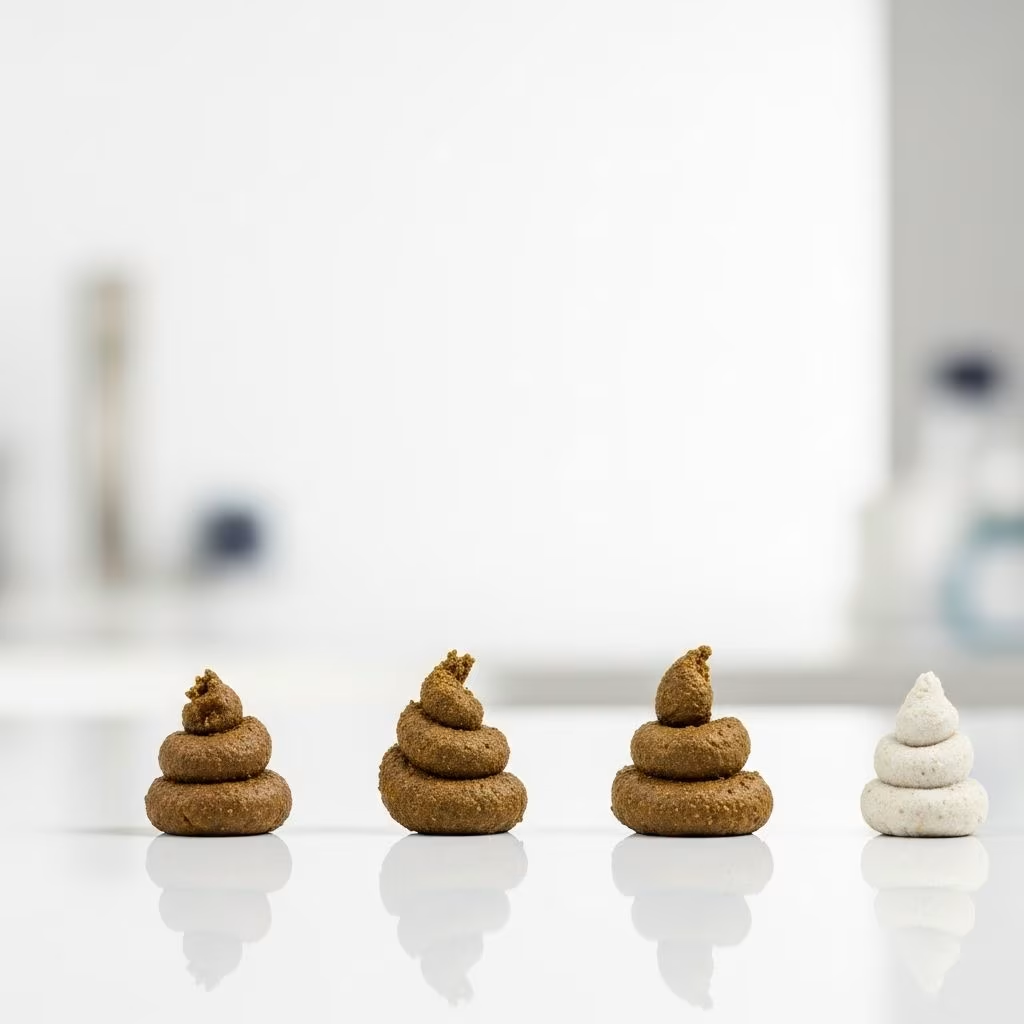
Healthy dog poop is typically light to dark brown. However, certain foods, treats, or health conditions can change this. Here’s what different colors might mean:
| Color | Possible Causes | Action Needed |
|---|---|---|
| Brown | Normal, healthy digestion | No action needed |
| Green | Grass ingestion, gallbladder/bile issue | If persistent, consult your vet |
| Yellow | Diet change, food intolerance, liver/pancreas disorder | If sudden and persistent, see a vet |
| Red or bloody | Lower GI bleeding, anal fissure, colitis | If continues for 1–2 days, call vet |
| Black, tarry | Upper GI bleeding, ulcer, swallowing blood | Urgent: Consult vet immediately |
| White spots | Possible intestinal parasites (worms) | Collect stool & consult vet |
| Grey/greasy | Digestive issues, pancreatic problem | Vet check recommended |
| Pale, clay-coloured | Bile duct obstruction | Urgent: See vet |
| Pink/purple | Hemorrhagic gastroenteritis | Emergency: Seek vet care |
Note: Certain food dyes or medications may temporarily change the color of your dog’s poop.
Consistency: What’s Normal & What to Watch For
Consistency is a leading health indicator. Vets use a fecal scoring system from 1 (hard pellets) to 7 (watery diarrhea). Ideal dog poop is firm, log-shaped, and easy to pick up.
| Score | Description | Implications |
|---|---|---|
| 1 | Very hard, dry pellets (like rabbit droppings) | Constipation, dehydration |
| 2 | Firm, segmented, log-shaped | Healthy poop |
| 3 | Moist, sausage-like, slight residue | Acceptable/normal range |
| 4 | Soft, formed but loses shape | Mild digestive upset |
| 5 | Very soft, distinct shape lost | Past GI disturbance, food transition |
| 6 | Mushy, pile shape, no form | Diarrhea—monitor closely |
| 7 | Watery, liquid, no solid | Serious diarrhea, possible emergency |
- Hard, dry poop: Check hydration and fiber intake. Chronic constipation can signal underlying medical conditions such as kidney disease.
- Runny/watery poop: Sudden dietary changes, parasites, infection, stress, or dietary indiscretion. If persistent, especially with other symptoms (like blood or lethargy), call your vet.
- Soft, poorly formed stool: Can result from diet transitions, mild upset, or food intolerances. Occasional episodes in a healthy dog may be managed with a bland diet and probiotics.
Contents: What Should (and Shouldn’t) Be In Dog Poop
Normal dog poop is uniform without foreign objects or parasites.
- Foreign material: Bits of plastic, fabric, or non-food items point to scavenging or pica. Prevent access and observe for signs of blockage.
- Undigested food: May signal poor digestion, rapid transit, or intolerance.
- White spots (worms): Visible grains or spaghetti-like strands can indicate intestinal parasites. Collect a sample and consult your vet for diagnosis and deworming.
- Mucus coating: A clear or slimy covering can indicate mild inflammation (often dietary) but heavy mucus or ongoing frequency may point to colitis or other GI issues that need veterinary attention.
Coating: Clues of Digestive Health
Healthy stool should have no coating. Mucus, blood, or fatty/greasy appearances are abnormal.
- Mucus: Small amounts can occur with mild dietary upsets. Large or persistent volumes can indicate inflammation, colitis, or infections.
- Blood: Red streaks or drops signal lower GI tract irritation or trauma; black, tarry stools indicate bleeding higher in the digestive tract—seek veterinary help promptly.
- Greasy or shiny: Often a sign of maldigestion, particularly of fats. May suggest pancreas or liver problems.
Dog Poop Color Chart
| Color | Possible Meaning | Should You Worry? |
|---|---|---|
| Light to dark brown | Normal | No—healthy dog |
| Green | Grass ingestion, possible gallbladder issue | Monitor; call vet if persistent |
| Yellow/Orange | Diet change, food intolerance, liver or pancreas condition | See vet if changes last >2 days |
| Red streaks | Blood from lower GI, colitis, irritation | See vet if it persists >2 days or lots of blood |
| Black or tarry | Old blood from upper GI, ulcer | Urgent: see vet |
| Pale, clay | Poor bile flow, liver/gallbladder issue | Urgent: see vet |
| Pink/Purple | Hemorrhagic gastroenteritis | Urgent: immediate vet care |
| White spots | Parasites (tapeworms/roundworms) | Collect sample, contact vet |
| Grey/greasy | Maldigestion, pancreas concern | Check with vet if persists |
Common Causes of Dog Poop Problems
Your dog’s waste can change for many reasons. Here are some of the most common:
- Diet: Sudden changes, inappropriate foods, or unsuitable diets can disrupt digestion. Always transition food gradually over 10–14 days.
- Hydration: Dehydration leads to hard, dry poop. Ensure fresh water is always available.
- Parasites: Intestinal worms and protozoa are frequent in dogs and can alter stool color, consistency, and contents.
- Infections: Bacterial and viral infections can cause diarrhea, mucus, or blood in stool.
- Medical conditions: Kidney disease, liver disease, pancreatitis, food intolerances, and gastrointestinal disorders will often present with stool changes.
- Stress: Emotional stress (new home, visitors, travel) can lead to temporary diarrhea.
What’s Normal for Dog Poop? Quick Reference
- Frequency: 1–2 times per day for most healthy dogs
- Color: Brown
- Shape: Log or sausage, retains form when picked up
- Consistency: Firm but pliable; not sticky or crumbly
- Contents: Smooth, homogeneous, no obvious foreign material or worms
- Coating: None—should not leave residue on grass or floor
What to Watch: Signs You Should Call the Vet
- Blood (red streaks, black/tarry appearance)
- Persistent diarrhea or vomiting
- White spots or worms observed
- Severe constipation or no stool for more than 24 hours
- Unexplained changes lasting more than 2 days
- Accompanied by lethargy, loss of appetite, pain, or other symptoms
Keep a stool sample available for your vet, as it can help with diagnosis.
Tips for Collecting and Describing Doggy Doo
- Wear disposable gloves when handling stool.
- Use dog poop bags for sanitary collection.
- Note color, consistency, contents, and any odd smells or coatings before discarding.
- Collect a fresh sample in a sealed, clean container if your vet requests one.
Provide the vet with a clear description and, if helpful, a photo for reference.
Dog Poop Stats: The Bigger Picture
- The average dog produces about 274 pounds of poop per year.
- The most popular time for dogs to poop is early morning, around 7 am.
- Some breeds, like the Korean Mastiff, Longhaired Whippet, and Brazilian Terrier, tend to produce more poop than others.
- About 8 out of 10 dogs go during their daily walk.
Frequently Asked Questions (FAQs)
What does healthy dog poop look like?
Healthy poop is light-to-dark brown, log-shaped, firm but slightly pliable, and free of mucus, blood, or visible non-food items.
How many times a day should my dog poop?
The normal range is once to twice daily for adult dogs. Puppies may go more frequently. Sudden changes in frequency should be monitored.
When should I be worried about changes in my dog’s stool?
See your vet promptly for blood (especially black or large amounts), persistent diarrhea, absence of stool for over 24 hours, visible worms, or if changes are accompanied by vomiting, lethargy, or loss of appetite.
Can my dog’s diet change their poop?
Yes. Sudden dietary changes can cause diarrhea or softer stool. Transition foods gradually over 10–14 days to minimize digestive upset.
What do I do if I see worms or white spots in the poop?
Collect a recent sample and schedule a veterinary appointment for deworming and diagnostic testing.
Is mucus on my dog’s poop normal?
Occasionally, after dietary upsets, you might see a little mucus. Persistent or large amounts signal potential GI inflammation and require a vet visit.
Final Poop Pro Tips for Dog Owners
- Always monitor your dog’s waste for subtle changes—early detection leads to better outcomes.
- Keep track of changes, especially if introducing new foods or treats.
- Practice good hygiene—wash hands after handling dog waste and keep your yard clean.
- Stay up to date on deworming and parasite prevention as guided by your vet.
Your attention to poop can protect your pup’s health—so don’t turn up your nose at those daily walks. If in doubt, always consult your veterinarian for guidance specific to your pet.