What Are Double-Coated Dog Breeds?
Double-coated dog breeds possess a unique fur structure consisting of two distinct layers: a harsh, protective outer coat (often called guard hairs or the topcoat) and a soft, dense undercoat. This combination serves multiple functional purposes, from insulation against extreme temperatures to protection from environmental elements like rain, dirt, and UV rays.
Structure of the Double Coat
- Outer Coat (Topcoat): Composed of long, coarse hairs that repel water and shield the skin from debris and sunlight. These hairs are strong and shed less frequently than the undercoat. The topcoat also gives the dog its color and overall appearance.
- Undercoat: Made up of short, soft, and often woolly hairs that lie close to the skin. This layer provides insulation, trapping air to keep the dog warm in winter and cool in summer. The undercoat sheds more heavily, especially during seasonal changes.
Why Do Dogs Have Double Coats?
The dual-layer coat is an evolutionary adaptation that allows dogs to thrive in a variety of climates. The outer coat acts as a barrier against moisture and physical damage, while the undercoat regulates body temperature by trapping air—keeping the dog warm in cold weather and cool when it’s hot. This natural design is especially important for breeds originating from harsh environments, such as the Arctic or mountainous regions.
Benefits of a Double Coat
- Temperature Regulation: The undercoat insulates the dog, while the topcoat protects against the elements, making double-coated breeds well-suited for both cold and moderately warm climates.
- Protection: Guard hairs repel water and dirt, reducing the risk of skin infections and keeping the dog cleaner for longer.
- Durability: The strong outer coat minimizes damage from abrasions and environmental hazards.
Common Double-Coated Dog Breeds
Many popular dog breeds are double-coated, each with unique characteristics. Below is a table highlighting some well-known examples:
| Breed | Size | Coat Description | Temperament |
|---|---|---|---|
| Alaskan Malamute | Large | Dense, coarse outer coat; soft undercoat | Friendly, strong-willed, loyal |
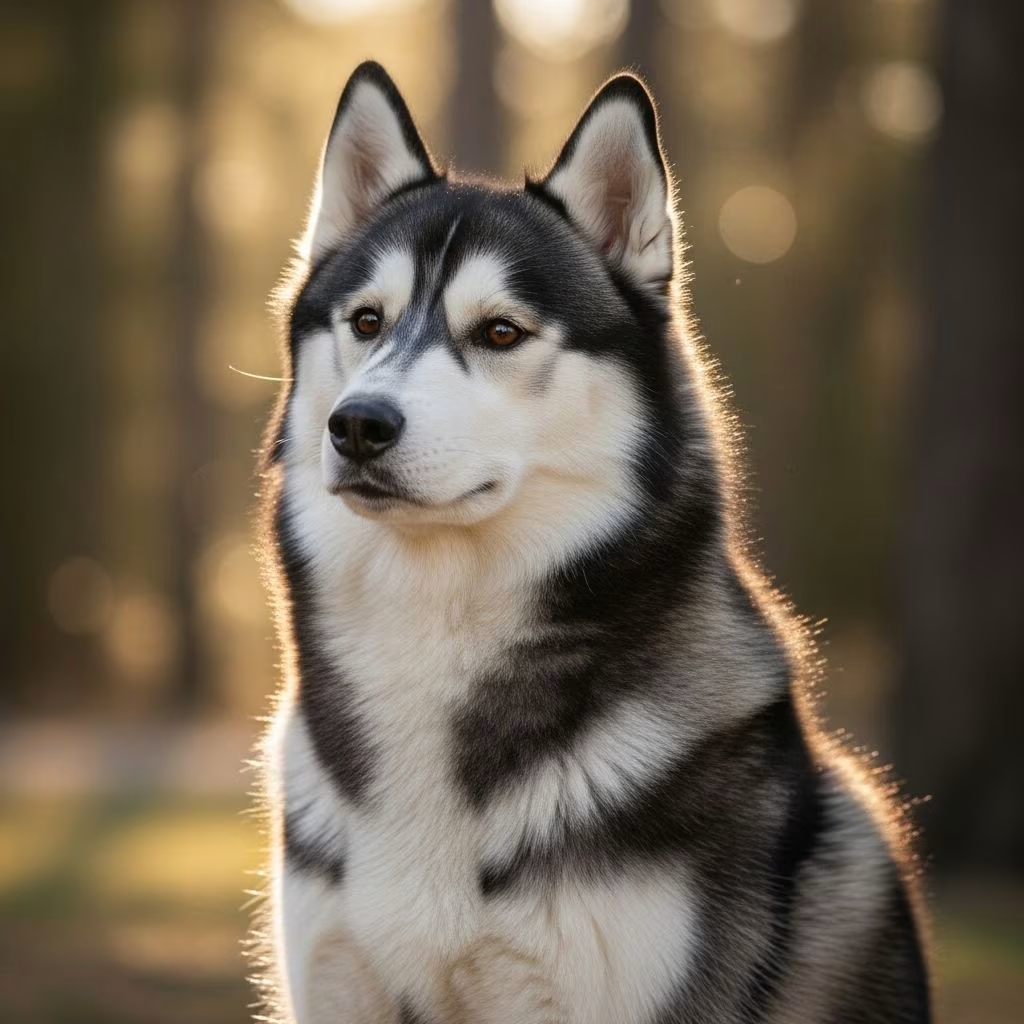
| Siberian Husky | Medium-Large | Thick double coat, woolly undercoat | Energetic, independent, friendly |
| Golden Retriever | Medium-Large | Long, water-resistant outer coat; dense undercoat | Friendly, intelligent, outgoing |
| Labrador Retriever | Medium-Large | Short, thick coat; dense undercoat | Outgoing, friendly, intelligent |
| Samoyed | Medium-Large | Fluffy white double coat | Playful, gentle, friendly |
| Shiba Inu | Small-Medium | Short, thick double coat | Independent, loyal, alert |
| Border Collie | Medium | Medium-length, weather-resistant coat | Intelligent, energetic, herding |
| Australian Shepherd | Medium | Thick double coat, soft undercoat | Energetic, intelligent, playful |
This is not an exhaustive list; many spitz-type breeds and working dogs also feature double coats, adapted for their original roles in challenging environments.
Double Coat Variations: Short, Medium, and Long
Double coats aren’t just about fluffiness—they come in different lengths and textures, each with specific grooming needs:
- Short Double Coats: Found in breeds like the Boxer and English Pointer, these have a dense undercoat but a short, sleek outer layer. They’re easier to groom but still shed seasonally.
- Medium Double Coats: Common in many street dogs and some herding breeds, these offer a balance of insulation and manageability, with moderate shedding.
- Long Double Coats: Seen in breeds like the Samoyed and Siberian Husky, these coats are plush and require more intensive grooming to prevent matting and tangles.
Shedding and “Blowing the Coat”
Double-coated dogs are notorious for their shedding, especially during seasonal changes—a process often called “blowing the coat.” During spring and fall, these dogs shed large amounts of undercoat to adapt to temperature changes. This natural process helps regulate their body temperature but can result in significant fur around the home.
Managing Shedding
- Regular Brushing: Frequent brushing with the right tools (e.g., slicker brushes, undercoat rakes) helps remove loose fur and reduce matting.
- Bathing: Occasional baths with gentle shampoo keep the coat clean and healthy, but over-bathing can strip natural oils.
- Professional Grooming: Some owners opt for professional de-shedding treatments during peak shedding seasons.
Grooming Tips for Double-Coated Breeds
Proper grooming is essential for maintaining the health and appearance of a double coat:
- Avoid Shaving: Shaving a double-coated dog can disrupt their natural temperature regulation and potentially damage the coat’s regrowth. In most cases, it’s best avoided.
- Use the Right Tools: Invest in quality brushes designed for undercoat removal and detangling.
- Monitor Skin Health: Check regularly for hotspots, parasites, or signs of infection, especially under dense fur.
- Seasonal Care: Increase brushing frequency during shedding seasons to help your dog transition comfortably.
Special Considerations for Double-Coated Dogs
- Heat Tolerance: While their coats help in moderate heat, double-coated dogs can overheat in extreme temperatures. Provide shade, water, and avoid excessive exercise during hot weather.
- Allergies: Double coats can trap allergens, so regular cleaning of your home and your dog’s bedding is important.
- Health Checks: Dense coats can hide skin issues; regular veterinary check-ups are crucial.
FAQs About Double-Coated Dog Breeds
How do I know if my dog has a double coat?
Run your hands through your dog’s fur—if you feel a soft, dense layer beneath coarser, longer hairs, your dog is likely double-coated. Seasonal shedding of large amounts of soft fur is another indicator.
Can I shave my double-coated dog in summer?
Shaving is generally not recommended, as it can interfere with the coat’s insulating properties and may lead to improper regrowth or skin issues. Instead, focus on regular brushing and providing a cool environment.
How often should I groom my double-coated dog?
Weekly brushing is a good starting point, increasing to daily during heavy shedding periods. Bathing every 4–6 weeks is typically sufficient unless your dog gets especially dirty.
Do all double-coated dogs shed a lot?
Most double-coated breeds shed heavily, especially during seasonal changes. However, the amount and frequency can vary by breed and individual dog.
Are double-coated dogs hypoallergenic?
No, double-coated dogs are not considered hypoallergenic. Their dense undercoats can trap dander and allergens, which may affect allergy sufferers.
Conclusion
Double-coated dog breeds are remarkable for their adaptability, resilience, and unique grooming needs. Understanding the purpose and structure of their coats is key to providing proper care, ensuring these dogs remain healthy, comfortable, and looking their best year-round. Whether you own a fluffy Samoyed or a sleek Labrador Retriever, embracing the challenges and rewards of a double coat will deepen your appreciation for these incredible animals.
References
- https://www.akc.org/expert-advice/dog-breeds/double-coated-dog-breeds/
- https://www.k9000dogwash.com/everything-you-need-to-know-about-double-coated-dogs/
- https://cleanclubgrooming.com/double-coated-dog-breeds-characteristics-care-and-a-comprehensive-list/
- https://www.lepuppery.com/the-dog-blog/understanding-double-coated-fur-short-medium-and-long-coats
- https://www.whole-dog-journal.com/care/what-is-a-double-coated-dog/
- https://bloomingpaws.net/grooming-double-coated-dogs/
- https://www.petscare.com/news/faq/how-do-you-know-if-a-dog-is-double-coated