Ear Cropping in Dogs: An Ethical, Medical, and Cultural Review
Ear cropping—a surgical procedure performed on dogs to alter the shape of their external ear flap—is one of the most contentious topics in canine welfare. While a handful of pedigreed breeds often sport the characteristic upright ears resulting from this practice, an increasing chorus of veterinarians, animal welfare experts, and pet owners question its necessity, compassion, and impact. This article investigates the complex realities of ear cropping by tracing its historical origins, examining the procedure, discussing breed standards, evaluating health and behavioral risks, and surveying the modern ethical debate.
What is Ear Cropping?
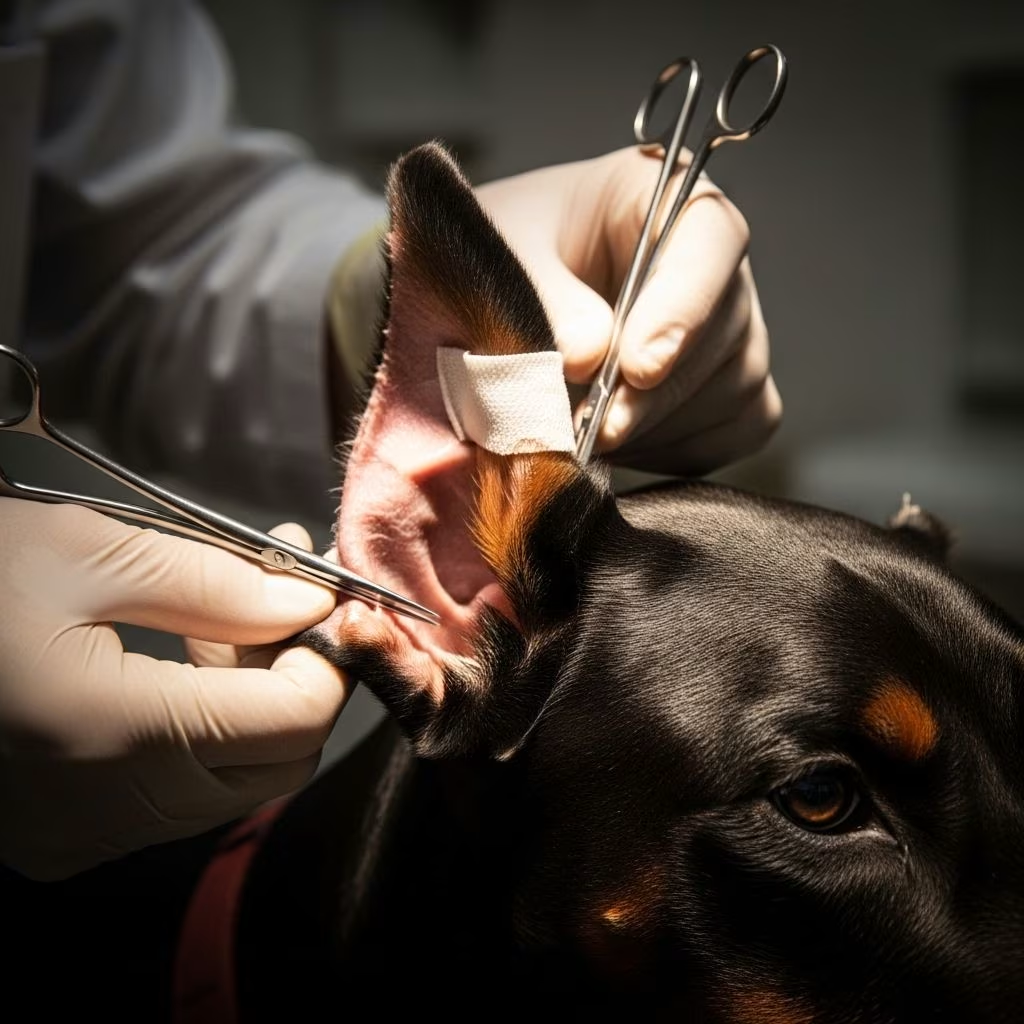
Ear cropping is a veterinary surgical procedure in which part of a dog’s external ear (pinna or auricle) is removed to give the ear a pointed, upright appearance. Unlike necessary medical interventions, ear cropping is performed almost exclusively for cosmetic reasons, namely to satisfy certain breed standards or owner preferences.
While some owners believe the practice keeps with tradition, most medical authorities view it as medically unnecessary and often contrary to animal welfare best practices.
How Ear Cropping is Performed
The procedure typically involves the following steps:
- The area around the ear is shaved and disinfected to avoid contamination during surgery.
- The dog is anesthetized with general anesthesia.
- A scalpel or surgical tool is used to remove a portion of the ear flap based on pre-determined breed-specific patterns.
- The edges are sutured to minimize bleeding and to support healing.
- After the surgery, the ears may be taped or posted to encourage them to heal in an upright position.
The operation usually lasts less than an hour, but the commitment to postoperative care can span weeks or even up to a year for certain breeds. Owners must diligently follow wound care protocols to minimize infection and maximize healing. Failure to observe strict aftercare can result in poor cosmetic outcomes, increased risk of infection, and significant distress for the dog.
History and Purpose of Ear Cropping
The roots of ear cropping extend centuries into the past, with references in ancient civilizations such as Egypt, Greece, and Rome. Early practitioners believed cropping protected dogs from injuries incurred during work, hunting, or fighting. For example, the Romans also docked tails, wrongly associating it with disease prevention.
- Historically, ear cropping in *working and fighting* breeds was thought to reduce the likelihood of injuries in confrontations or while navigating dense undergrowth.
- As breed clubs and kennel organizations emerged in the 1800s, the cropped ear aesthetic became ingrained in breed standards for certain types of dogs.
By the late 19th and early 20th centuries, cropping became fashionable among breeds used for guarding, hunting, and protection. Modern proponents often cite “tradition” or the “preservation of breed standards” rather than genuine medical necessity.
Breed Standards vs. Animal Welfare
Dog show organizations in some regions maintain breed standards that call for cropped ears in breeds such as the Doberman Pinscher or Boxer. Critics argue these standards are outdated, prioritizing human aesthetic preferences over canine wellbeing.
Breeds Commonly Subjected to Ear Cropping
While not all breeds are eligible or frequently cropped, a handful of pedigreed dogs are most commonly seen with altered ears:
- Doberman Pinscher
- Great Dane
- Boxer
- Pit Bull
- American Bully
- Miniature Pinscher
- Schnauzer
Cropping is often performed when puppies are between 8-12 weeks old; larger breeds tend to be cropped earlier than smaller ones.
Table: Popular Breeds and Ear Cropping Prevalence
| Breed | Cropping Tradition | Post-op Care Required |
|---|---|---|
| Doberman Pinscher | Very common | 6–10 weeks or more |
| Great Dane | Common | Up to 1 year |
| Boxer | Traditional in some clubs | Several weeks |
| Pit Bull | Occasional | Few weeks |
| American Bully | Occasional | Few weeks |
| Schnauzer | Less common today | Shorter duration |
Physical and Psychological Risks of Ear Cropping
Regardless of the breed or purpose, ear cropping carries tangible health risks and raises animal welfare concerns.
- Pain and Stress: Cropping is painful, requiring general anesthesia and producing significant post-op discomfort during the extended healing process.
- Infection: Like any surgical procedure, cropping risks infection, especially if aftercare is neglected.
- Bleeding & Medication Risks: Dogs may suffer adverse reactions to anesthesia or medication; blood loss is a concern in any elective operation.
- Prolonged Recovery: Some breeds, especially with longer crops, require months or even up to a year of posting, taping, and vet visits to ensure the ears stand as desired. This extended process can be stressful for both puppy and owner.
- Scarring and Cosmetic Failure: Poor technique, genetics, or non-compliance with aftercare can result in scarring, misshapen ears, or ears that fail to stand.
- Behavioral Effects: The physical pain and isolation (such as wearing an Elizabethan collar for weeks) may negatively affect a puppy’s psychological wellbeing and social development.
- No Proven Environmental Benefit: Modern veterinary research shows no practical or medical advantage from cropping, contrary to historical claims of reduced injury.
The Medical Debate
Major veterinary organizations, including the American Veterinary Medical Association (AVMA), conclude that ear cropping is medically unnecessary. Its risks and discomfort make it a controversial practice opposed by most animal welfare groups.
Global Laws & Veterinary Views on Ear Cropping
Laws regulating ear cropping vary by country, state, and even locality:
- Many European countries ban ear cropping outright, considering it animal cruelty.
- In the United States, some states limit or regulate cropping, while others permit it if performed by a licensed veterinarian.
- Show eligibility is increasingly scrutinized, with several breed clubs and competitions no longer requiring or permitting cropped ears.
Veterinary opposition to cropping grows each year, prompted by mounting evidence of its lack of medical necessity and unwanted side effects. In some clinics, cropping is offered as a service by experienced surgeons, but even then, postoperative care demands considerable owner commitment and expertise.
Expert Opinions
Most experts agree: Ear cropping is an elective, cosmetic practice performed at the owner’s request, not for the dog’s benefit.
Alternatives and Changing Perspectives
As awareness of animal rights and welfare expands, more pet owners and breeders are rejecting ear cropping. Alternatives include:
- Leaving ears natural: Many breeds look equally striking with natural, floppy, or semi-erect ears.
- Selective breeding: Some breeders emphasize genetics that produce more upright ears without surgery.
- Education: Increased transparency about the procedure and its risks empowers owners to make humane decisions.
Public opinion continues to shift, with fewer owners choosing cropping and more veterinarians refusing to perform it for cosmetic reasons alone.
Frequently Asked Questions
Q: Why do some breeders or owners crop dog ears?
A: Historically, ear cropping aimed to reduce injuries in working dogs and meet breed standards. Today it is done for cosmetic reasons, tradition, or conformity with certain show requirements.
Q: Is ear cropping painful for dogs?
A: Yes, ear cropping is painful. Dogs are anesthetized during surgery, but postoperative pain and discomfort can last for weeks.
Q: Are there medical benefits to ear cropping?
A: No reputable veterinary authority identifies medical benefits to cropping. It is considered an elective, cosmetic procedure.
Q: Which breeds are most commonly cropped?
A: Doberman Pinschers, Boxers, Great Danes, Pit Bulls, American Bullies, Miniature Pinschers, and Schnauzers are among the most commonly cropped breeds.
Q: Is ear cropping legal?
A: Laws vary. Many countries ban cropping, some regulate it, and others permit it under specific circumstances if performed by a licensed veterinarian. Check local regulations for details.
Q: What age is ear cropping usually performed?
A: Ear cropping is most commonly performed on puppies between 8 and 12 weeks old, with slight variations depending on breed size.
Q: What are alternatives to ear cropping?
A: Allowing ears to remain natural, embracing breed diversity, and selective breeding for ear shape are healthy alternatives.
Conclusion: Toward Compassionate Canine Care
Ear cropping remains a divisive issue at the intersection of tradition, aesthetics, and animal welfare. While some dog owners continue to pursue the look for show or breed conformity, mounting medical, ethical, and societal objections cast serious doubts on the practice’s legitimacy. As the world’s understanding of animal welfare evolves, more attention turns to natural beauty, health, and happiness—the true hallmarks of a well-loved companion.
References
- https://littlesveterinaryhospital.com/services/ear-cropping/
- https://www.normandyblvdanimalhospital.com/ear-cropping-jacksonville
- https://southgateanimalclinic.com/pet-ear-cropping-and-cosmetic-surgery-milwaukie-or/
- https://luvncare.net/dog-ear-cropping/
- https://southmeadowanimalclinic.com/ear-cropping/