The Estrela Mountain Dog stands as one of Portugal’s most treasured canine breeds, representing centuries of selective breeding in the rugged Estrela Mountains. This magnificent guardian combines impressive physical presence with unwavering loyalty, creating a breed that excels both as a working dog and devoted family companion. Understanding this ancient breed requires examining its rich heritage, distinctive characteristics, and the unique care requirements that make it thrive.
Origins and Historical Significance
The Estrela Mountain Dog, known in its native Portugal as Cão da Serra da Estrela, ranks among the oldest breeds on the Iberian Peninsula. These dogs emerged from the harsh mountain regions of central Portugal, where they served as indispensable guardians of livestock and homesteads. The breed’s development occurred over centuries, shaped by the demanding environment and the specific needs of mountain shepherds who required dogs capable of confronting wolves and other predators while enduring extreme weather conditions.
The first official records of the breed appeared in 1922, marking the beginning of organized recognition and preservation efforts. However, the breed’s true standardization didn’t occur until 1993, when breeders and enthusiasts established the first comprehensive breed standard. This standard carefully documented the unique physical traits that distinguish the Estrela Mountain Dog, including their characteristic double dewclaws and distinctively hooked tail, features that had been naturally selected over generations of mountain work.
Throughout their history, these dogs proved invaluable to Portuguese shepherds, demonstrating exceptional courage when facing predatory threats. Their role extended beyond mere livestock protection; they became integral members of mountain communities, serving as loyal companions and fearless guardians of both property and family. This dual purpose shaped the breed’s temperament, creating dogs that balance protective instincts with deep affection for their human families.
Physical Characteristics and Appearance
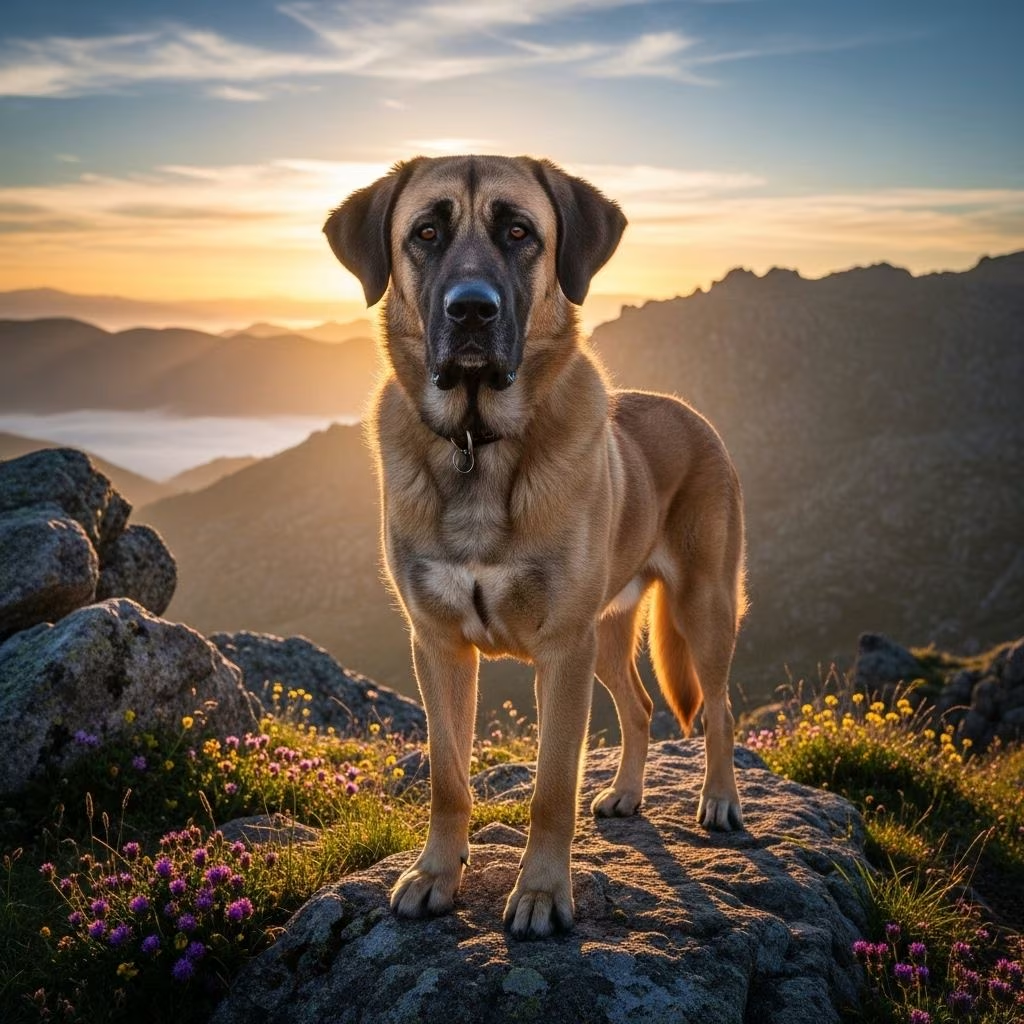
The Estrela Mountain Dog presents an imposing and muscular physique that immediately commands respect. These large, powerful dogs exhibit the sturdy build characteristic of mountain breeds, combining strength with surprising agility. The breed displays considerable size variation, with males typically standing between 25.5 to 28.5 inches at the shoulder, while females measure slightly smaller at 24.5 to 27 inches. Weight ranges significantly based on sex and individual build, spanning from 77 to 132 pounds, with males generally occupying the heavier end of this spectrum.
One of the breed’s most distinctive features involves their versatile coat, which comes in two recognized varieties. The long-coated variety showcases thick, slightly coarse outer hair that lies close to the body, either flat or displaying gentle waves but never curling. This coat type features an exceptionally dense undercoat, typically lighter than the outer layer, providing excellent insulation against harsh mountain weather. Males often develop an impressive lion-like mane around the neck, while both sexes display feathering on the tail and breeching on the rear legs.
The short-coated variety, while less common, presents equally protective properties with a thick, slightly coarse outer coat and dense undercoat. Regardless of coat length, the texture resembles goat hair, a characteristic specifically bred for its weather-resistant properties. The hair on the head and front of the legs remains short and smooth, while ear hair gradually decreases in length from base to tip.
Color variations add to the breed’s visual appeal, with acceptable shades including fawn, brindle, wolf grey, and yellow. These colors may appear with or without brindling, white markings, or black shading throughout the coat. A dark facial mask, preferably black, represents a highly desirable trait that enhances the breed’s noble expression. The breed standard strongly discourages blue coloration.
The Estrela Mountain Dog’s head appears strong and well-proportioned, featuring small, oval-shaped eyes that convey intelligence and alertness. Their ears fold forward and turn back, another distinctive characteristic outlined in breed standards. Perhaps most notable are the double dewclaws on the hind legs, complete with individual bone structure, a feature that distinguishes them from many other breeds. The tail, thick and reaching to the hock, displays a characteristic slight hook at the end, serving as both a breed marker and functional feature developed through centuries of mountain work.
Temperament and Personality Traits
The Estrela Mountain Dog possesses a complex temperament shaped by generations of guardian work. These dogs exhibit profound loyalty and affection toward their families, forming deep bonds with those they know and trust. However, this devotion comes paired with natural wariness toward strangers, making them exceptional watchdogs and guardians. This protective instinct runs deep in the breed’s character, inherited from ancestors who defended flocks against formidable predators like wolves.
Intelligence marks another defining characteristic of the breed. These dogs demonstrate remarkable problem-solving abilities and awareness of their surroundings, qualities essential for independent decision-making in guardian roles. This intelligence, however, accompanies a strong-willed and independent nature. Estrela Mountain Dogs think for themselves, a trait purposefully preserved because mountain guardians needed to act without constant human direction when protecting livestock in remote areas.
Despite their independence, these dogs prove trainable with patient, consistent leadership. They respond best to owners who establish clear pack hierarchy and maintain firm but fair guidance. The breed requires early and ongoing socialization to develop into well-adjusted companions, particularly regarding interactions with strangers, children, and other animals. When properly socialized from puppyhood, they become trustworthy family members, instinctively protective of children in their household.
The breed’s alert nature manifests in their tendency to bark, especially when they perceive threats to their territory. This vocal behavior, while valuable for guardian work, requires management in residential settings. Owners must understand that suppressing this instinct entirely contradicts the breed’s fundamental nature, but proper training can teach appropriate boundaries for vocalization.
Living Requirements and Environment
Estrela Mountain Dogs thrive in environments that accommodate their size, energy levels, and guardian instincts. These dogs are decidedly unsuited for apartment living, requiring substantial space both indoors and outdoors. Ideally, they belong in homes with large yards where they can patrol their territory and exercise freely. Their thick, weather-resistant coats enable them to live outdoors comfortably, provided they have proper shelter, though most owners prefer keeping them as both indoor and outdoor companions.
The breed’s exercise needs reflect their working heritage. Daily vigorous activity is essential, including long walks and opportunities to run in secure, open areas. These dogs possess considerable stamina and benefit from activities that engage both body and mind. Farms and rural properties provide ideal settings where Estrela Mountain Dogs can fulfill their natural guardian instincts while maintaining optimal physical condition.
Climate considerations favor cooler environments due to their dense coats, though they adapt reasonably well to various conditions. During hot weather, owners must ensure adequate shade, fresh water, and avoid strenuous activity during peak heat hours. The breed’s protective coat, while excellent for cold mountain climates, requires management in warmer regions to prevent overheating.
Training and Socialization
Training an Estrela Mountain Dog demands understanding of the breed’s independent nature and guardian instincts. These dogs require owners who can establish themselves as confident pack leaders, providing consistent guidance without harsh methods. Training should begin during puppyhood, taking advantage of the critical socialization period when young dogs most readily accept new experiences and form lasting behavioral patterns.
Socialization represents a crucial component of raising a well-adjusted Estrela Mountain Dog. Exposure to various people, animals, environments, and situations helps moderate their natural wariness and teaches appropriate responses to different scenarios. This process should continue throughout the dog’s life, not just during puppyhood, to maintain social skills and prevent the development of excessive suspicion or aggression toward unfamiliar people and animals.
The breed responds best to positive reinforcement training methods that respect their intelligence and independence. Repetitive drilling frustrates these thinking dogs; they prefer training that challenges their minds and allows some degree of problem-solving. Patience proves essential, as does consistency in rules and expectations. Mixed messages confuse these dogs and undermine training efforts.
Prospective owners should honestly assess whether they possess the experience and commitment required for this breed. Estrela Mountain Dogs are not recommended for first-time dog owners, as their size, strength, and independent nature can overwhelm inexperienced handlers. Strong leadership, consistent training, and thorough socialization are non-negotiable requirements for successfully living with this breed.
Health Considerations and Lifespan
The Estrela Mountain Dog generally enjoys good health, with a typical lifespan ranging from 10 to 14 years. This longevity is notable for such a large breed, reflecting the robust constitution developed through centuries of working in demanding mountain conditions. However, like all large breeds, they face certain health considerations that potential owners should understand.
Responsible breeding practices play a crucial role in maintaining breed health. Prospective owners should seek breeders who conduct appropriate health screenings and can provide documentation of their breeding stock’s health clearances. Regular veterinary care, including routine check-ups and preventive care, helps identify and address potential health issues early.
Nutrition requirements for this breed deserve careful attention. Large, active dogs need high-quality food in appropriate quantities to maintain optimal body condition without promoting excessive weight gain, which can stress joints and contribute to health problems. Feeding schedules should account for the dog’s age, activity level, and individual metabolism.
Grooming and Coat Care
Grooming requirements vary based on coat type but remain manageable with regular attention. Long-coated Estrela Mountain Dogs require more frequent brushing, particularly during seasonal shedding periods when they blow their dense undercoats. Regular brushing, at least several times weekly, prevents matting, removes dead hair, and distributes natural oils throughout the coat, maintaining its weather-resistant properties and healthy appearance.
Short-coated varieties require less intensive grooming but still benefit from regular brushing to remove loose hair and maintain coat health. Both coat types shed moderately throughout the year, with heavier seasonal sheds requiring increased grooming attention. During these periods, daily brushing helps manage the volume of shed hair and keeps the coat in good condition.
Beyond coat care, routine grooming includes nail trimming, ear cleaning, and dental care. The breed’s double dewclaws require attention during nail trimming sessions, as these nails don’t wear down naturally through activity. Ears should be checked regularly and cleaned as needed to prevent infections, particularly in dogs who spend considerable time outdoors.
Activities and Capabilities
Beyond their primary role as guardians, Estrela Mountain Dogs excel in various activities that showcase their strength, intelligence, and trainability. These dogs can participate in cart pulling, demonstrating their considerable power and willingness to work. This traditional activity connects to their heritage, as mountain farmers often used strong dogs for hauling supplies and produce.
The breed has been eligible to compete in American Kennel Club Companion Events since January 1, 2008, opening opportunities for owners to engage their dogs in structured activities that provide mental stimulation and strengthen the human-canine bond. While not as commonly seen in competitive obedience as some breeds, Estrela Mountain Dogs can certainly participate when properly trained and motivated.
Guardian work remains the activity for which the breed demonstrates the greatest natural aptitude. On farms and properties with livestock, these dogs fulfill their ancestral purpose, providing protection while allowing animals to graze peacefully. This work satisfies the breed’s instinctive drives and provides the purposeful activity that keeps them mentally and physically healthy.
Selecting an Estrela Mountain Dog
Choosing to bring an Estrela Mountain Dog into your life requires careful consideration of whether your lifestyle, experience, and living situation align with the breed’s needs. These are not dogs for casual pet owners; they demand commitment, space, time, and knowledgeable handling. Prospective owners must honestly evaluate their ability to provide appropriate training, socialization, exercise, and leadership.
Finding a reputable breeder represents the most important step in acquiring a healthy, well-bred Estrela Mountain Dog. Quality breeders prioritize health, temperament, and breed type, conducting appropriate health screenings and carefully selecting breeding pairs to maintain and improve the breed. They provide extensive support to puppy buyers, offering guidance on raising, training, and caring for the breed throughout the dog’s life.
The Estrela Mountain Dog Association of America serves as a valuable resource for those interested in the breed. This organization promotes breed education, connects potential owners with reputable breeders, and participates in meet-the-breed events where people can interact with Estrela Mountain Dogs and speak with knowledgeable owners and breeders.
Potential owners should prepare for the significant responsibility of raising a large guardian breed. This preparation includes research, honest self-assessment, and perhaps most importantly, commitment to providing the training, socialization, and structured environment these dogs require to thrive. Those willing to invest the necessary time and effort will find the Estrela Mountain Dog to be a loyal, impressive, and deeply rewarding companion.
The Breed’s Future and Preservation
As one of the oldest breeds on the Iberian Peninsula, the Estrela Mountain Dog carries significant cultural and historical importance. Preservation efforts focus on maintaining the breed’s working abilities, distinctive physical characteristics, and sound temperament while expanding awareness beyond its Portuguese homeland. International recognition and carefully managed breeding programs help ensure the breed’s future while protecting its essential qualities.
Modern Estrela Mountain Dogs continue demonstrating the same courage, loyalty, and guardian instincts that made them invaluable to Portuguese shepherds centuries ago. While fewer dogs now work in traditional guardian roles, the breed adapts well to contemporary life when placed in appropriate homes that respect and accommodate their inherent nature.
Frequently Asked Questions
Q: Are Estrela Mountain Dogs suitable for first-time dog owners?
A: No, Estrela Mountain Dogs are not recommended for first-time owners due to their size, independent nature, and strong guardian instincts. They require experienced handlers who can provide confident leadership, consistent training, and appropriate socialization from an early age.
Q: How much exercise does an Estrela Mountain Dog need daily?
A: These dogs require substantial daily exercise, including long walks and opportunities to run freely in secure areas. They thrive best with access to large yards where they can patrol and move naturally throughout the day, reflecting their working heritage and high energy levels.
Q: Do Estrela Mountain Dogs get along with other pets?
A: With early and continued socialization, Estrela Mountain Dogs can coexist with other pets, though their guardian instincts may create challenges. They require careful introduction and supervision, particularly with small animals, and benefit from being raised with other pets from puppyhood when possible.
Q: What is the difference between long-coated and short-coated varieties?
A: Both coat types offer excellent weather protection with dense undercoats. Long-coated dogs have thick outer hair with feathering on the tail and legs, while short-coated varieties feature shorter, thick hair. Long coats require more frequent brushing, especially during shedding seasons, but both types are relatively easy to maintain.
Q: Are Estrela Mountain Dogs good with children?
A: When properly socialized, Estrela Mountain Dogs are instinctively protective of children in their families and can be excellent family companions. However, due to their large size and guardian nature, supervision is essential, and children should be taught appropriate interaction with the dog to ensure everyone’s safety.
Q: How much do Estrela Mountain Dogs typically cost?
A: Prices vary based on breeder reputation, location, and bloodlines, but expect to invest significantly in a well-bred puppy from health-tested parents. Beyond purchase price, prospective owners should budget for food, veterinary care, training, and supplies appropriate for a large breed dog.
Q: Can Estrela Mountain Dogs live in apartments?
A: No, these dogs are not suitable for apartment living. They require substantial space, including large yards where they can exercise and patrol. Their size, exercise needs, and guardian instincts make them better suited to rural properties or homes with significant outdoor space.
Q: Do Estrela Mountain Dogs bark excessively?
A: The breed has a natural tendency to bark, particularly when protecting territory or alerting to perceived threats. This vocalization is intrinsic to their guardian role and cannot be completely eliminated, though proper training can teach appropriate boundaries. Potential owners in noise-sensitive environments should consider this characteristic carefully.
References
- https://www.akc.org/dog-breeds/estrela-mountain-dog/
- https://wagwalking.com/breed/estrela-mountain-dog
- https://www.wisdompanel.com/en-us/dog-breeds/estrela-mountain-dog
- https://www.dogbreedinfo.com/caodaserradaestrela.htm
- https://emdaa.org
- https://www.dogster.com/dog-breeds/estrela-mountain-dog
- https://en.wikipedia.org/wiki/Estrela_Mountain_Dog