Meet the Eurasier: An Overview
The Eurasier, sometimes spelled Eurasian, is a distinctive medium-sized Spitz-type dog breed originating in Germany during the 1960s. Developed by Julius Wipfel, this elegant canine combines the best traits of its ancestors—the Chow Chow, Wolfspitz (Keeshond), and Samoyed—into a harmonious, family-oriented companion that is rapidly gaining admirers across the globe.
Known for its balanced temperament, striking appearance, and unwavering loyalty, the Eurasier is a breed built for companionship. It is not just visually captivating but also emotionally attuned, making it an excellent choice for families seeking a devoted and well-behaved pet.
History and Origin
The Eurasier’s story began in post-World War II Germany, where breeders sought to create a dog with the appealing qualities of European and Asian Spitz breeds. The original cross—first known as the “Wolf-Chow”—blended the calm, dignified nature of the Chow Chow with the sociability of the Wolfspitz. Later, Samoyed bloodlines were introduced to enhance the breed’s gentle, affectionate temperament and striking appearance, resulting in the dog now recognized as the Eurasier.
The breed was formally recognized by the Fédération Cynologique Internationale (FCI) in 1973 and later by the United Kennel Club (UKC) in 1996. The American Kennel Club (AKC) currently lists the Eurasier in its Foundation Stock Service, reflecting its growing but still niche popularity in the United States.
Physical Characteristics
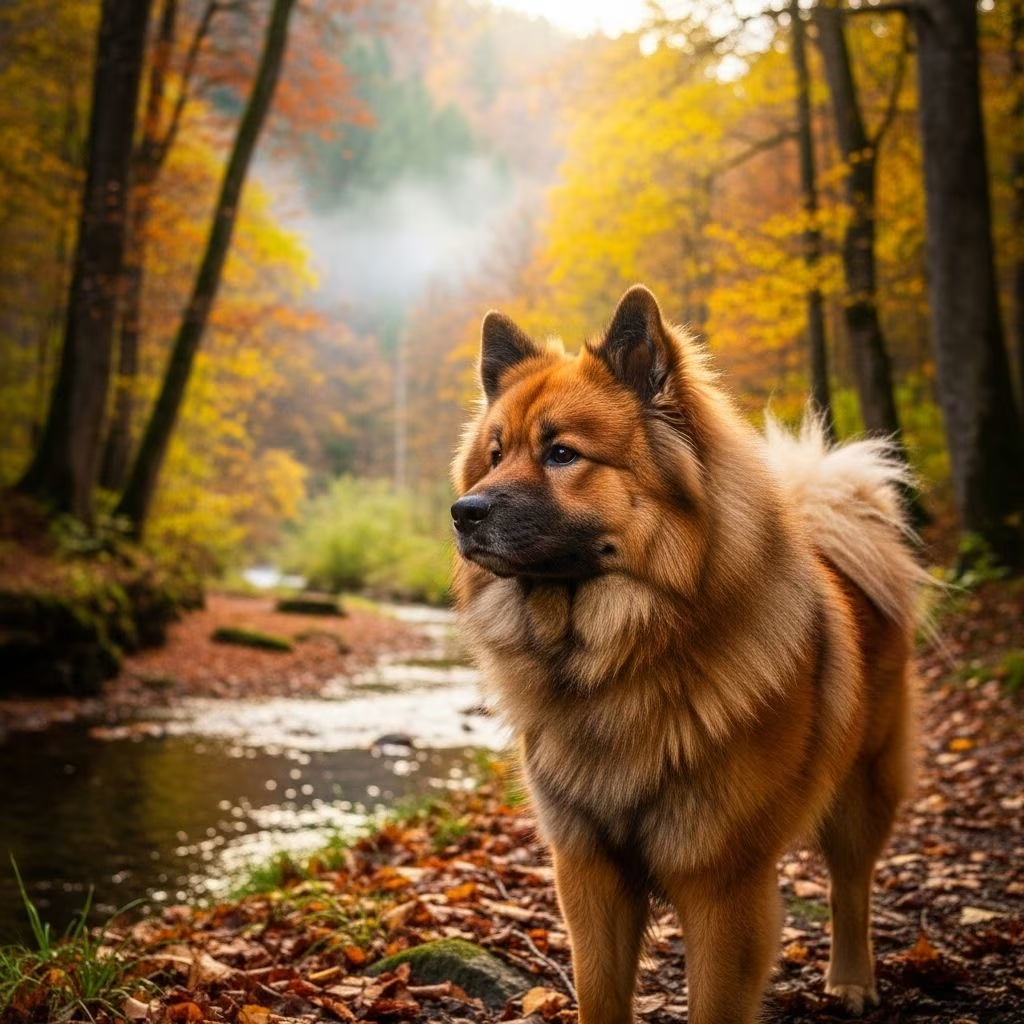
Eurasiers are robust, medium-sized dogs with a look that exudes both elegance and strength. Their prick ears, expressive eyes, and lush double coat set them apart from other Spitz breeds.
Size
Males typically stand 52–60 cm (20–24 in) at the withers and weigh 23–32 kg (51–71 lb), while females measure 48–56 cm (19–22 in) and weigh 18–26 kg (40–57 lb).
Coat and Colors
The Eurasier’s coat is thick, with a dense undercoat and medium-length guard hair, giving it a plush appearance. Acceptable colors include:
- Fawn
- Red
- Wolf-grey
- Solid black
- Black and tan
Pure white, white patches, and liver color are not permitted in breed standards. The coat on the neck is slightly longer, and the tail and legs are feathered. The tongue may be pink, blue-black, or spotted—a unique trait it shares with its Chow Chow ancestry.
Distinctive Features
Eurasiers have almond-shaped eyes, a bushy tail that curls over the back, and an overall balanced, wolf-like appearance. Their build is muscular but not stocky, and their gaits are fluid and graceful.
| Trait | Description |
|---|---|
| Height (Male) | 52–60 cm (20–24 in) |
| Height (Female) | 48–56 cm (19–22 in) |
| Weight (Male) | 23–32 kg (51–71 lb) |
| Weight (Female) | 18–26 kg (40–57 lb) |
| Coat Type | Thick double coat, medium-length outer hair |
| Common Colors | Fawn, red, wolf-grey, black, black and tan |
| Lifespan | 12–16 years |
Temperament and Personality
The Eurasier is renowned for its calm, even-tempered, and affectionate nature. This breed thrives on close companionship with its family members, forming deep, unwavering bonds that last a lifetime.
With Family
Eurasiers are gentle, playful, and patient, making them excellent companions for children and adults alike. They are particularly well-suited to families with a stable routine, as they dislike being left alone for long periods. Their warm disposition and moderate energy levels allow them to adapt to various living environments, including apartments, provided they receive daily attention and affection.
With Strangers
While affectionate with their family, Eurasiers may be reserved or aloof with strangers. This dignified reserve is part of their charm—they are watchful and protective but not aggressive. They rarely bark without reason, making them good neighbors in shared living spaces.
With Other Animals
Raised alongside other pets, Eurasiers can coexist peacefully, especially if socialization begins early. Their calm demeanor extends to interactions with other dogs, though their strong attachment to their family may sometimes make them selective with unfamiliar animals.
Care and Grooming Needs
Eurasiers have moderate grooming and exercise requirements, but they do demand regular care to stay healthy and happy.
Grooming
Their thick coat requires weekly brushing to prevent mats and tangles, especially during seasonal shedding. Occasional baths, ear cleaning, and nail trimming help maintain hygiene. Despite their lush fur, Eurasiers are considered relatively low-shedding compared to other double-coated breeds, which can be a plus for allergy-sensitive households.
Exercise
Daily walks, interactive play sessions, and mental stimulation are essential for Eurasiers. While they are not overly energetic, they enjoy moderate exercise and benefit from opportunities to explore new environments. They are well-suited to families who enjoy outdoor activities but do not require intense physical exertion.
Training
Eurasiers are intelligent and eager to please, making them relatively easy to train with positive reinforcement. Harsh methods or neglectful training can lead to shyness or withdrawal, so consistency, patience, and gentle guidance are key. Early socialization helps prevent timidness with strangers and ensures a well-rounded, confident adult dog.
Health and Longevity
Eurasiers are generally healthy dogs with a lifespan of 12–16 years, but like all breeds, they are prone to certain health conditions.
Common Health Issues
- Hip Dysplasia: A genetic condition affecting joint development
- Elbow Dysplasia: Another joint-related issue, though less common
- Eye Problems: Cataracts and other eye conditions may occur
- Patellar Luxation: Dislocation of the kneecap
Regular veterinary check-ups, a balanced diet, and maintaining a healthy weight are the best ways to prevent or manage these issues.
Living with a Eurasier
Eurasiers are happiest in a loving home where they are included as part of the family. They prefer indoor living and should never be relegated to outdoor kennel life—this breed thrives on companionship and interaction.
Apartment Living
With their calm, quiet, and clean habits, Eurasiers adapt well to apartment living. Their low propensity for barking and moderate exercise needs make them ideal for urban environments, provided their need for companionship and mental stimulation is met.
Daily Routine
Establishing a routine helps Eurasiers feel secure. Predictable meal times, consistent training, and regular play strengthen the bond between dog and owner. Interactive toys, nose work, and training games satisfy their curiosity and intelligence.
Family Integration
Eurasiers are happiest in a family setting and do not cope well with isolation. They are excellent companions for households with children, other pets, and even seniors, provided all family members are gentle and respectful.
Adoption and Puppy Selection
For those considering a Eurasier, it is vital to choose a reputable breeder or rescue organization. Due to their rarity outside of Germany and Switzerland, prospective owners may need to join waiting lists or travel to find a healthy, well-socialized puppy.
Choosing a Reputable Breeder
Look for breeders who perform health screenings, are transparent about lineage, and are members of recognized breed clubs. Ethical breeders prioritize temperament and health, and they remain involved in supporting the new owners.
Adoption
While Eurasier-specific rescues are rare, breed-specific organizations and general shelters occasionally have adults or mixes available for adoption. The United States Eurasier Club is a valuable resource for information and connections.
Conclusion
The Eurasier is a rare gem among dog breeds—intelligent, loyal, and regal. With its calm demeanor, moderate care needs, and devotion to family, it is a wonderful choice for those seeking both companionship and the unique beauty of a Spitz-type dog. Whether in an apartment or a spacious home, the Eurasier brings comfort, joy, and a gentle presence to those fortunate enough to share their lives with this remarkable breed.
Frequently Asked Questions (FAQs)
Q: How much exercise does a Eurasier need?
A: Eurasiers require 30–60 minutes of moderate exercise daily, such as walks and interactive play. They adapt well to various living situations but thrive on routines and family companionship.
Q: Are Eurasiers good with children and other pets?
A: Yes, Eurasiers are gentle and patient with children, especially when raised with them. They can live harmoniously with other dogs and pets if properly socialized.
Q: What is the lifespan of a Eurasier?
A: Eurasiers typically live 12–16 years with proper care, nutrition, and regular veterinary check-ups.
Q: Do Eurasiers shed a lot?
A: While they have a thick double coat, Eurasiers are considered relatively low-shedding for a Spitz breed. Regular brushing helps manage loose fur.
Q: Are Eurasiers easy to train?
A: Eurasiers are intelligent and responsive to positive reinforcement methods. They learn quickly and enjoy pleasing their owners, but harsh training is counterproductive.
Q: Can Eurasiers be left alone for long periods?
A: No, Eurasiers are family-oriented dogs and can become anxious or depressed if left alone for extended periods. They are best suited for households where someone is usually home.
“The Eurasier is a dog for people who appreciate a calm, gentle companion with a touch of aristocratic dignity.”