


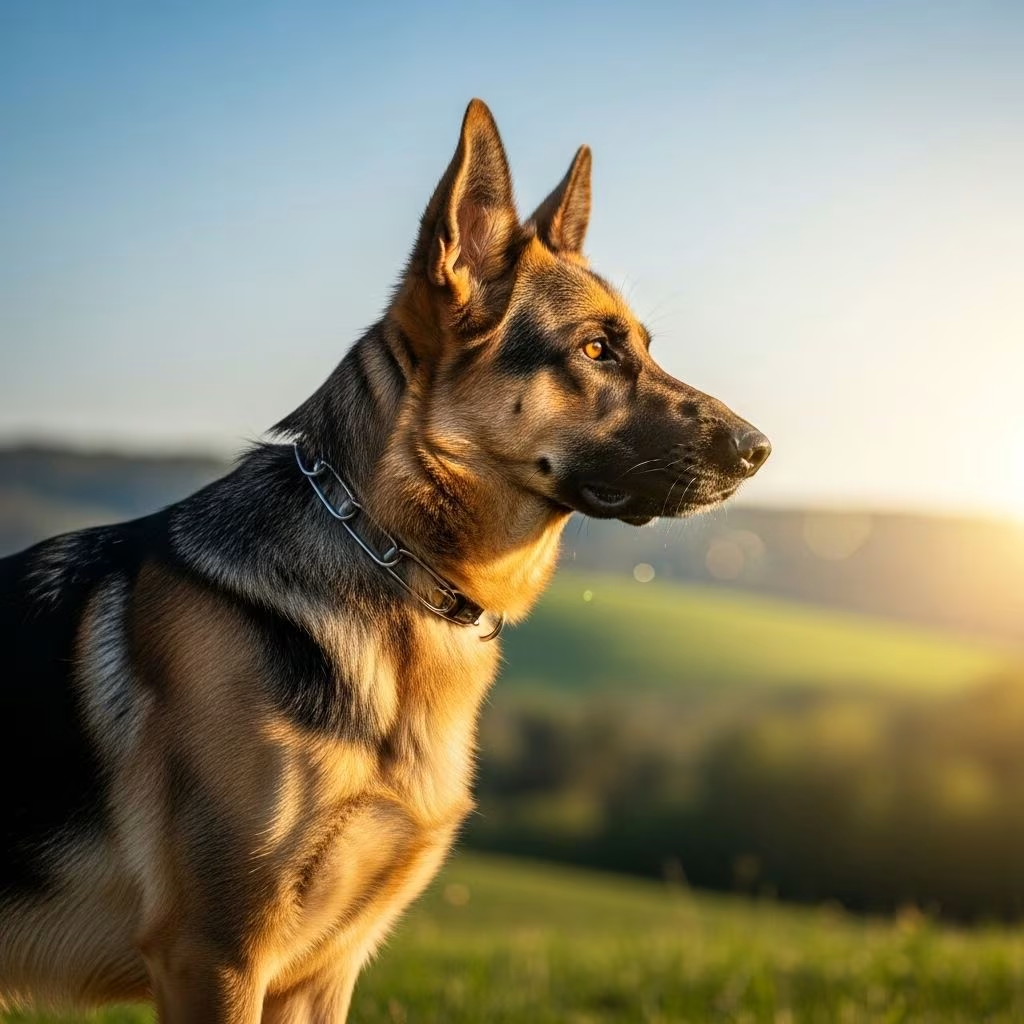
The German Shepherd stands as one of the most recognizable and respected dog breeds worldwide. Known for their unwavering loyalty, remarkable intelligence, and versatile working abilities, German Shepherds have earned their place as beloved family companions and indispensable working partners. This comprehensive guide explores everything you need to know about this noble breed, from their distinctive characteristics to their care requirements.
Breed Overview
German Shepherds are large, athletic dogs that embody strength, intelligence, and grace. Males typically reach heights of 24-26 inches at the shoulder, while females stand 22-24 inches tall. Weight ranges from 50-90 pounds depending on gender and build, with males generally weighing 65-90 pounds and females 50-70 pounds. These well-proportioned dogs feature a broad head that tapers elegantly to a sharp muzzle, complemented by large, erect ears that contribute to their alert and commanding presence.
The breed’s life expectancy ranges from 10-12 years, though with proper care and health management, some individuals may live longer. German Shepherds belong to the herding and working group classifications, reflecting their origins as versatile farm dogs and their continued excellence in numerous working roles today.
Physical Characteristics and Appearance
The German Shepherd possesses a distinctive and regal appearance that sets them apart from other breeds. Their strong, well-muscled body is built for endurance and agility, with a level, muscular back and a bushy tail that curves downward naturally. The breed’s noble head features an intelligent expression, with dark, almond-shaped eyes that convey both confidence and attentiveness.
One of the most striking features is their double coat, which provides protection in various weather conditions. The outer coat is dense, harsh, and lies close to the body, while the undercoat is thick and soft. German Shepherds come in several color variations, with the most common being black and tan, though solid black, sable, black and red, and gray specimens also occur. Long-coated individuals, while not preferred in show rings, are frequently seen and equally beloved as companions.
Temperament and Personality
The German Shepherd’s personality is characterized by a sophisticated blend of confidence, loyalty, and discernment. Rather than displaying overt friendliness toward everyone, these dogs exhibit a subtle reserve with strangers while forming deep, unbreakable bonds with their families. This selective nature doesn’t indicate aggression but rather reflects their natural guarding instincts and discriminating character.
Within their family circle, German Shepherds are affectionate, approachable, and remarkably gentle, particularly with children when properly socialized. Their protective instincts make them exceptional watchdogs who can transform from gentle companions to stalwart defenders when threats arise. This duality requires responsible ownership and proper socialization from puppyhood.
German Shepherds are highly intelligent dogs ranked among the top breeds for trainability and problem-solving abilities. They possess an inherent eagerness to learn and thrive when given purposeful tasks. Whether alerting hearing-impaired individuals, locating avalanche victims, detecting substances, or performing complex obedience routines, these dogs demonstrate seemingly boundless capabilities when their intelligence is properly channeled.
However, this intelligence comes with significant responsibility. German Shepherds require substantial mental stimulation and cannot thrive in isolation. Dogs left alone for extended periods without adequate exercise or engagement may develop undesirable behaviors including excessive barking, destructive chewing, and anxiety-related issues. They are fundamentally companion animals who need to be integrated into family activities.
Training and Exercise Requirements
Training Essentials
German Shepherd puppy training should commence at approximately 8 weeks of age. Without structured training from early on, these intelligent puppies will quickly establish their own rules, which may not align with household expectations. Their keen intelligence and eagerness to please make them highly trainable, but consistency and positive reinforcement are crucial.
Early socialization is paramount for German Shepherds. Their natural protective instincts can become problematic if not properly channeled through exposure to diverse people, places, and experiences during the critical socialization window. Puppies should meet various individuals, encounter different environments, and learn appropriate responses to novel situations under supervision.
Training approaches should emphasize positive reinforcement and praise for desired behaviors. German Shepherds are sensitive to their handler’s reactions and respond best to encouragement rather than harsh corrections. When addressing unwanted behaviors, a firm “no” followed by redirection proves more effective than punitive measures. Lead training should begin while puppies are still small and manageable, as teaching polite leash manners becomes considerably more challenging with a powerful adult dog.
Exercise Needs
Adult German Shepherds require a minimum of two hours of exercise daily, combining physical activity with mental stimulation. Their combination of stamina, athleticism, and intelligence demands varied activities that challenge both body and mind. Without sufficient exercise, German Shepherds often channel excess energy into destructive behaviors.
Ideal activities include running, hiking, fetch games, tracking exercises, and obedience training sessions. German Shepherds excel at dog sports such as agility, rally obedience, herding trials, and protection sports. These structured activities provide both physical exertion and mental engagement while strengthening the human-canine bond. Interactive games involving seeking objects, retrieving, and problem-solving tap into their natural abilities and keep them mentally sharp.
Health Considerations
While German Shepherds are generally robust dogs, they are predisposed to certain health conditions that prospective owners should understand. Hip dysplasia and elbow dysplasia represent the most common orthopedic concerns in the breed. These developmental conditions affect joint formation and can lead to arthritis and mobility issues. Responsible breeders conduct health screenings on breeding stock to reduce the incidence of these hereditary conditions.
Degenerative myelopathy, a progressive spinal cord disease, affects some German Shepherds in their senior years. Bloat (gastric dilatation-volvulus) poses a life-threatening emergency risk for this deep-chested breed, requiring owners to recognize symptoms and seek immediate veterinary care. Other health considerations include allergies, eye conditions, and certain cancers.
Regular veterinary check-ups, appropriate nutrition, weight management, and preventive care significantly impact long-term health outcomes. Purchasing puppies from reputable breeders who conduct health testing and provide health clearances for breeding animals reduces the risk of inherited conditions.
Grooming and Maintenance
German Shepherds shed considerably throughout the year, with particularly heavy shedding periods occurring twice annually during seasonal coat changes. Weekly brushing is the minimum requirement, though daily brushing during heavy shedding seasons helps manage the substantial amount of loose fur. A good undercoat rake and slicker brush prove invaluable tools for managing their double coat.
Bathing should occur as needed, typically every 6-8 weeks or when the dog becomes dirty or develops an odor. Over-bathing strips natural oils from the coat and can lead to skin issues. Regular nail trimming, ear cleaning, and dental care round out the grooming routine. Their erect ears require periodic inspection and gentle cleaning to prevent infections.
Living Requirements
German Shepherds adapt to various living situations provided their exercise and companionship needs are met. While they can live in apartments with sufficient daily exercise, homes with securely fenced yards offer advantages for this active breed. The fence should be at least six feet tall, as German Shepherds possess impressive jumping abilities when motivated.
These dogs should not be relegated to outdoor-only living or isolated in kennels away from family interaction. German Shepherds thrive as integral family members and suffer when excluded from household activities. They tolerate various climates thanks to their double coat, though extreme temperatures require appropriate precautions.
Nutrition Guidelines
German Shepherds require high-quality nutrition appropriate for their life stage, activity level, and individual needs. Large breed puppies benefit from formulas designed to support controlled growth rates, reducing stress on developing joints. Adult German Shepherds typically consume 3-4 cups of premium dog food daily, divided into two meals to reduce bloat risk.
Monitoring body condition and adjusting portions based on activity level helps maintain optimal weight. Obesity exacerbates joint problems and other health issues, while underweight dogs may lack the energy and muscle mass necessary for their active lifestyle. Fresh water should always be available.
Choosing a German Shepherd
Selecting a German Shepherd requires careful consideration of the source. Reputable breeders prioritize health, temperament, and breed standards, conducting genetic testing on breeding stock and providing health guarantees. They willingly answer questions, allow visits to meet parent dogs, and maintain ongoing relationships with puppy buyers.
Poorly bred German Shepherds from puppy mills or irresponsible breeders may exhibit nervous temperaments, aggression, or serious health problems. The initial cost savings rarely compensate for potential veterinary expenses and behavioral challenges. German Shepherd rescue organizations offer another excellent option, providing well-evaluated dogs of various ages seeking second chances.
German Shepherds as Family Dogs
When properly raised and socialized, German Shepherds make outstanding family companions. They typically demonstrate patience and gentleness with children, often assuming protective roles. However, their size and strength require supervision around small children to prevent accidental knocking or overwhelming.
German Shepherds generally coexist peacefully with other household pets when raised together or introduced properly. Their herding instincts may manifest as chasing behavior toward running animals, which training can address. Some German Shepherds, particularly intact males, may show aggression toward unfamiliar dogs of the same sex, emphasizing the importance of early socialization and training.
Working Roles and Activities
The German Shepherd’s versatility as a working dog remains unmatched. They serve with distinction in police departments, military units, search and rescue operations, and detection work. Their keen sense of smell, combined with trainability and work ethic, makes them invaluable in locating missing persons, detecting explosives and narcotics, and tracking suspects.
As service dogs, German Shepherds assist individuals with disabilities, providing mobility support, medical alert services, and psychiatric assistance. Their intelligence allows them to learn complex task sequences, while their size enables them to perform physical assistance work that smaller breeds cannot.
Common Behavioral Considerations
German Shepherds may develop behavioral challenges when their needs go unmet. Separation anxiety affects German Shepherds more frequently than some breeds, manifesting as destructive behavior, excessive vocalization, or house soiling when left alone. Gradual desensitization to departures and providing mental enrichment reduces anxiety.
Their protective nature, while valuable, requires proper channeling to prevent overguarding or inappropriate territorial behavior. German Shepherds must learn to distinguish genuine threats from normal situations, achieved through socialization and training. A well-socialized German Shepherd remains alert but not reactive, confident but not aggressive.
The breed’s vocal tendencies include barking to alert, communicate, or express excitement. Training can moderate excessive barking while preserving their watchdog capabilities. Boredom and insufficient stimulation commonly trigger problem barking, emphasizing the importance of meeting their exercise and mental stimulation requirements.
Understanding the German Shepherd Bite
German Shepherds possess powerful jaws capable of exerting over 1,060 newtons of bite force. While this strength contributes to their effectiveness in protection and police work, it underscores the critical importance of responsible ownership, proper training, and socialization. Statistical data indicates that German Shepherds are involved in bite incidents, though context matters significantly—many cases involve poorly bred, inadequately socialized, or improperly trained dogs.
Responsible German Shepherd ownership includes never encouraging aggressive behavior, providing proper training, ensuring adequate socialization, and supervising interactions with unfamiliar people and animals. A well-bred, properly raised German Shepherd typically exhibits stable temperament and appropriate bite inhibition.
Frequently Asked Questions
Q: Are German Shepherds good for first-time dog owners?
A: German Shepherds can be challenging for first-time owners due to their size, strength, intelligence, and exercise requirements. They require consistent training, substantial time commitment, and confident handling. First-time owners willing to invest in professional training assistance and dedicate themselves to the breed’s needs can succeed, but easier breeds may be more suitable for those seeking a less demanding first dog.
Q: How much do German Shepherds shed?
A: German Shepherds are heavy shedders year-round, with particularly intense shedding periods during spring and fall coat changes. Regular brushing helps manage loose fur, but prospective owners should expect to find dog hair throughout their homes and on clothing despite grooming efforts.
Q: Can German Shepherds live in hot climates?
A: German Shepherds can adapt to warmer climates with appropriate precautions including access to air conditioning, shade, fresh water, and exercising during cooler morning or evening hours. Their double coat provides some insulation but also increases heat sensitivity compared to short-coated breeds.
Q: Do German Shepherds need a job or specific work to do?
A: While not every German Shepherd requires formal work, they all need purposeful activities and mental challenges. This can include advanced obedience training, dog sports, interactive toys, or structured activities that engage their intelligence and work drive. German Shepherds without adequate mental stimulation often develop behavioral problems.
Q: At what age do German Shepherds calm down?
A: German Shepherds typically begin maturing around 2-3 years of age, though individual variation exists. However, even mature German Shepherds remain energetic and require substantial exercise. The key to a calm German Shepherd at any age is meeting their physical and mental stimulation needs through appropriate activities and training.
References
- https://en.wikipedia.org/wiki/German_Shepherd
- https://dogtime.com/dog-breeds/german-shepherd-dog
- https://www.petplan.co.uk/dog-insurance/dog-breeds/german-shepherd.html
- https://www.hillspet.com/dog-care/dog-breeds/german-shepherd
- https://www.akc.org/dog-breeds/german-shepherd-dog/
- https://www.petmd.com/dog/breeds/german-shepherd


