The Glen of Imaal Terrier stands as one of Ireland’s most distinctive and rarest terrier breeds, originating from the remote Glen of Imaal valley in County Wicklow. Often described as a “big dog on short legs,” this remarkable breed combines the courage and determination of a working terrier with an unusually calm and stoic temperament that sets it apart from its more excitable terrier cousins. With their unique appearance, intelligent nature, and devoted personality, Glen of Imaal Terriers have captured the hearts of dog enthusiasts worldwide, though they remain relatively uncommon even today.
Origins and Heritage
The Glen of Imaal Terrier emerged from the rugged landscapes of County Wicklow, Ireland, where these hardy dogs were developed to serve multiple purposes on farms and homesteads. Named after the Glen of Imaal valley, this breed represents one of four original Irish terrier breeds native to Ireland. Their working heritage shaped every aspect of their character and conformation, creating a dog that could excel at vermin control, badger hunting, and even turn spits in kitchens—a testament to their strength and endurance.
Before badger trials were outlawed in Ireland in 1966, Glens were required to earn their “Teastas Misneach” or Dead Game Certificate to win a Championship. This certification required the dog to silently draw a badger from its den within a specified time, demonstrating both courage and the trademark silence that characterizes the breed. This working background has left an indelible mark on the Glen’s temperament, contributing to their focused, determined nature when engaged in tasks.
Physical Characteristics and Appearance
The Glen of Imaal Terrier presents a unique and substantial appearance that often surprises those encountering the breed for the first time. Despite their short stature, these dogs possess remarkable substance and strength, creating an impression of power packed into a compact frame. Their appearance retains many “antique” features that were common in early terrier breeds but have since fallen out of favor with modern fanciers.
Size and Build
Glen of Imaal Terriers typically weigh between 32 to 40 pounds, with males generally being larger and heavier than females. Despite this substantial weight, they stand only 12 to 14 inches tall at the withers, creating their distinctive “big dog on short legs” appearance. The breed is achondroplastic dwarf, meaning their short stature results from a form of dwarfism that affects leg length while maintaining normal body proportions otherwise. Some champion Glens exceed breed standards, with individuals reaching 40 to 45 pounds. The breed has three distinct growth stages and can take up to four years to reach full maturity, longer than many other dog breeds.
Distinctive Features
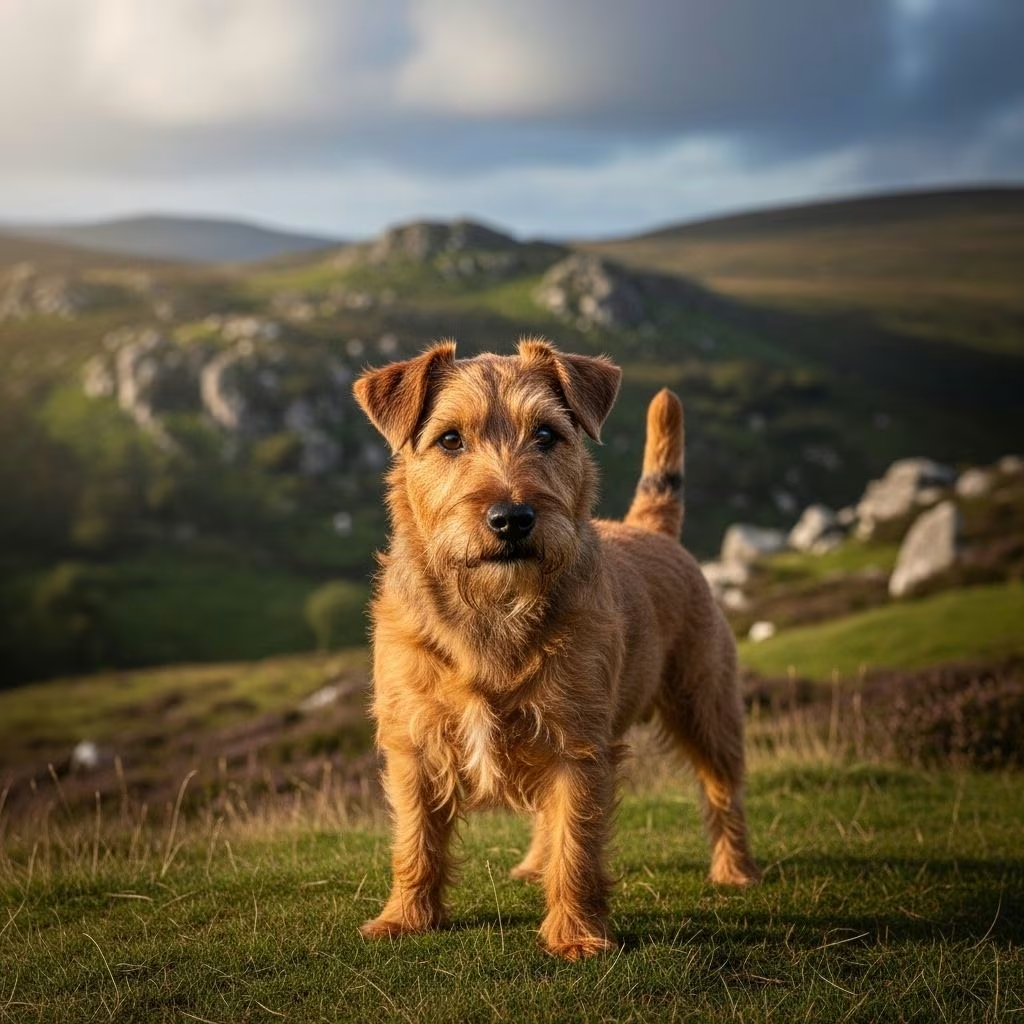
The Glen’s head is large and broad, creating a powerful expression that reflects their working heritage. Their ears are particularly distinctive, folding over naturally but becoming rose-shaped or semi-pricked when the dog is alert or interested in something. The front legs are notably bowed with feet that turn outward, a characteristic feature of the breed. Despite these seemingly awkward proportions, Glens move with surprising speed and agility. Their topline is straight but rises slightly toward the tail, and they possess a deep, muscular chest that provides the lung capacity needed for their original working roles. The shoulders and hips are sturdy and muscular, giving an impression of maximum substance for their size.
Coat and Colors
One of the Glen’s most distinctive features is its unique double coat. On the back, the coat consists of a medium-length, harsh, wiry outer layer with a soft undercoat beneath. The head, sides, and legs feature only the softer coat, which typically develops an attractive degree of waviness. This dual coat texture serves practical purposes, protecting the dog during work while remaining manageable for owners. Glen of Imaal Terriers come in several attractive colorations. The wheaten coloring ranges from sandy to red wheaten, encompassing various warm tones. Blue coloring, which appears gray to the eye, often features brindling—stripes or streaks of darker color. Some Glens exhibit rare color variations including “grizzle,” a mixture of wheaten and blue, and “blue and tan,” featuring blue on top with wheaten furnishings. While these unusual colorations are not disqualifications, they are less favored in show rings.
Temperament and Personality
The Glen of Imaal Terrier’s temperament represents perhaps its most remarkable departure from typical terrier behavior. While they possess the courage, determination, and gameness expected of terriers, Glens display an unusually calm, gentle, and stoic demeanor that surprises many people familiar with more high-strung terrier breeds.
Character Traits
Glens are hardy and resilient dogs, with many owners describing them as “stoic” in their approach to life. They tend not to bark excessively, having been specifically bred to work silently—a crucial trait when hunting badgers underground where noise could alert prey. That said, if other dogs in the household are prone to barking, a Glen will join the chorus. When they do vocalize, their bark is surprisingly deep and resonant, suggesting a dog much larger than their actual size. This authoritative bark makes them suitable as watchdogs, though not guard dogs. Despite their quiet nature, a Glen seeking attention or upset about being left alone can demonstrate an enormous vocabulary of vocalizations.
The breed’s intelligence shines through in multiple ways. Glens are highly trainable and tend to learn things quickly, though they can also display the stubborn streak common to terriers. They are versatile, smart, and eager to please their owners, though they maintain an independent streak that reflects their working heritage. Once engaged in an activity, particularly one that taps into their working dog background, Glens can be challenging to distract, demonstrating intense focus and determination.
Family Life and Social Behavior
With humans, Glen of Imaal Terriers are affectionate, loyal, and devoted companions. They love people and treat their owners with gentleness and devotion, making them excellent family dogs. Glens are particularly good with children, showing patience and playfulness that makes them suitable for families. They are amusing to watch, often inventing their own silly games like running in circles, and they possess a unique “Glen sit” posture where the dog sits on its hind end and holds its entire body vertical—a behavior not commonly seen in other breeds.
While they don’t demand constant attention, Glens do adore human companionship and want to be part of all family activities rather than being left alone in the backyard. They don’t do well when left alone for extended periods and thrive when included in daily family life. Glens tend to make their own exercise and are equally at home on acres of rural land or in an urban apartment, adapting well to various living situations as long as they receive adequate attention and activity.
Interaction with Other Animals
The Glen’s relationship with other animals presents one of the more challenging aspects of the breed. They normally won’t get chummy with other dogs, and like most terriers, their gameness can be expressed as aggressiveness toward other canines they perceive as adversaries. Some Glens can be dog-aggressive, especially when provoked, though this varies by individual. Early socialization is crucial for managing these tendencies.
As true terriers, Glens are game, and other furry creatures are often seen as prey. By maturity, most Glens develop a robust prey drive and will readily pursue vermin such as rats. This instinct means they need careful socialization with small household pets like cats and rabbits that they might mistake for quarry. Without proper early exposure and training, Glens may not coexist peacefully with smaller animals in the home. Their hunting heritage makes them naturally inclined to chase wildlife, a behavior owners must manage through training and supervision.
Care and Maintenance Requirements
Glen of Imaal Terriers are relatively low-maintenance compared to many purebred dogs, though they do have specific needs that owners should understand and address consistently.
Exercise Needs
Despite their working dog background, Glens have moderate exercise requirements. They love a good walk—though not a jog, as their short legs make it difficult to keep pace with a running human. They enjoy romps in the park or through the woods and especially love a good car ride, with reports of car sickness or drooling being rare. The breed is less excitable than many terriers and while they love activity, they are not demanding. Glens are happy to relax by their owner’s side after receiving adequate physical and mental stimulation. They tend to make their own exercise through play and exploring, which makes them adaptable to various living situations from apartments to rural properties.
Grooming and Coat Care
The Glen’s double coat requires regular maintenance to keep it healthy and looking its best. The wiry outer coat needs periodic hand-stripping or professional grooming to maintain proper texture, while the soft undercoat benefits from regular brushing to prevent matting and reduce shedding. The softer coat on the head, sides, and legs tends to develop waviness and requires attention to keep it neat and tangle-free. Regular grooming sessions also provide opportunities to check for skin issues, parasites, and other health concerns that might otherwise go unnoticed.
Health Considerations
Glen of Imaal Terriers are generally hardy and healthy dogs with a lifespan of 10 to 15 years. Their robust constitution reflects generations of breeding for working ability and soundness. However, like all purebred dogs, they can be prone to certain breed-specific health issues. Prospective owners should work with reputable breeders who conduct health testing and can provide information about the health history of their breeding lines. Regular veterinary care, appropriate nutrition, and maintaining a healthy weight are essential for maximizing the Glen’s longevity and quality of life.
Training and Activities
Training a Glen of Imaal Terrier can be both rewarding and challenging, requiring patience, consistency, and an understanding of terrier temperament. These intelligent dogs learn quickly and are highly trainable, but they also possess the independent thinking and occasional stubbornness characteristic of terriers. Positive reinforcement methods work best, as Glens respond well to praise, treats, and play rewards. Harsh corrections or heavy-handed training approaches can damage the trust between dog and owner and may result in a stubborn, uncooperative attitude.
Suitable Activities and Sports
Glen of Imaal Terriers excel in various canine sports and activities that tap into their natural abilities and intelligence. They often do well at Earthdog trials, which test a terrier’s natural hunting instincts and willingness to work underground. Barn Hunt, a sport that involves finding rats safely enclosed in tubes hidden in straw or hay bales, also appeals to their vermin-hunting heritage. Despite their short legs, some Glens participate successfully in agility competitions, demonstrating surprising athleticism and speed. Although not typically strong swimmers due to their short legs and dense body structure, some individual Glens can work in water with proper introduction and training. A few have even been trained to herd and drive sheep and cattle, showcasing the breed’s remarkable versatility and working ability.
Living with a Glen of Imaal Terrier
Choosing to share your life with a Glen of Imaal Terrier means welcoming a complex, intelligent, and devoted companion into your home. These dogs thrive in households where they are treated as full family members rather than outdoor pets. They adapt well to various living situations, from city apartments to country homes, as long as their needs for companionship, mental stimulation, and moderate exercise are met.
Prospective owners should carefully consider the Glen’s unique characteristics before committing to the breed. Their potential for dog-aggression means they may not be suitable for homes with multiple dogs unless carefully managed and socialized. Their prey drive requires caution around small pets and careful supervision in areas where they might encounter wildlife. However, for the right owner—someone who appreciates the breed’s stoic charm, quiet nature, and loyal devotion—a Glen of Imaal Terrier makes an exceptional companion.
The breed’s rarity means finding a Glen of Imaal Terrier puppy requires patience and research. Prospective owners should seek out reputable breeders who prioritize health, temperament, and breed preservation. Many breeders maintain waiting lists, and interested parties may need to wait for the right puppy to become available. This wait, however, ensures that you’re working with a responsible breeder committed to producing sound, healthy puppies that represent the best of the breed.
Why Choose a Glen of Imaal Terrier
The Glen of Imaal Terrier offers a unique combination of characteristics that appeal to discerning dog owners. Their moderate size makes them manageable for most households, while their substantial build and deep bark provide a sense of security. Their relatively quiet nature, compared to other terriers, makes them suitable for apartment living or close-quarters situations where excessive barking would be problematic. Their intelligence and trainability allow them to learn household manners and participate in various activities, while their stoic, easygoing temperament means they don’t require constant entertainment or attention.
For owners who appreciate a dog with character, independence, and a touch of ancient heritage, the Glen of Imaal Terrier delivers in abundance. These dogs retain the versatility, intelligence, and ruggedness that made them invaluable to Irish farmers, while also serving as affectionate, loyal companions in modern homes. Their complex character—tough and fearless yet gentle and devoted—creates a fascinating companion that never fails to surprise and delight.
Frequently Asked Questions (FAQs)
Q: Are Glen of Imaal Terriers good apartment dogs?
A: Yes, Glen of Imaal Terriers adapt well to apartment living due to their moderate size, relatively quiet nature, and ability to make their own exercise. They bark less than most terriers and don’t require extensive space as long as they receive regular walks and companionship.
Q: How much do Glen of Imaal Terriers bark?
A: Glens are notably quiet compared to other terrier breeds. They were bred to work silently and typically bark only when necessary. However, if other dogs in the household bark frequently, a Glen may join in. When they do bark, it’s surprisingly deep and authoritative.
Q: Can Glen of Imaal Terriers live with cats or other small pets?
A: Glens have a strong prey drive and may view small animals as quarry. Early socialization is crucial if you want them to coexist with cats or other small pets. Without proper introduction and training from puppyhood, they may not be safe around smaller household animals.
Q: Are Glen of Imaal Terriers aggressive toward other dogs?
A: Many Glens can be dog-aggressive, especially when provoked, though this varies by individual. They typically won’t seek to be chummy with other dogs and can be challenging in multi-dog households. Early socialization and careful management are important for minimizing these tendencies.
Q: How much exercise does a Glen of Imaal Terrier need?
A: Glens have moderate exercise needs. They enjoy daily walks, romps in the park, and playtime but are not as demanding as some working breeds. They’re happy to make their own exercise through play and are content to relax with their owners after adequate activity.
Q: Are Glen of Imaal Terriers easy to train?
A: Glens are intelligent and learn quickly, making them highly trainable. However, they can display typical terrier stubbornness and independence. Positive reinforcement methods work best, and once engaged in a task, they can be challenging to distract due to their intense focus.
Q: What is the lifespan of a Glen of Imaal Terrier?
A: Glen of Imaal Terriers typically live 10 to 15 years. They are generally hardy and healthy dogs, reflecting their working heritage and the robust constitution needed for their original roles on Irish farms.
Q: Do Glen of Imaal Terriers shed?
A: Glens have a double coat with a wiry outer layer and soft undercoat. They shed moderately but regular grooming, including brushing and periodic hand-stripping or professional grooming, helps manage shedding and keeps the coat in good condition.
References
- https://www.akc.org/dog-breeds/glen-of-imaal-terrier/
- https://www.petmd.com/dog/breeds/glen-imaal-terrier
- https://www.glens.org/characteristics.html
- https://www.webmd.com/pets/dogs/what-to-know-about-a-glen-of-imaal-terrier
- https://www.wisdompanel.com/en-us/dog-breeds/glen-of-imaal-terrier
- https://www.thekennelclub.org.uk/breed-standards/terrier/glen-of-imaal-terrier/
- https://glenterriers.com/about-glens/characteristics/
- https://en.wikipedia.org/wiki/Glen_of_Imaal_Terrier