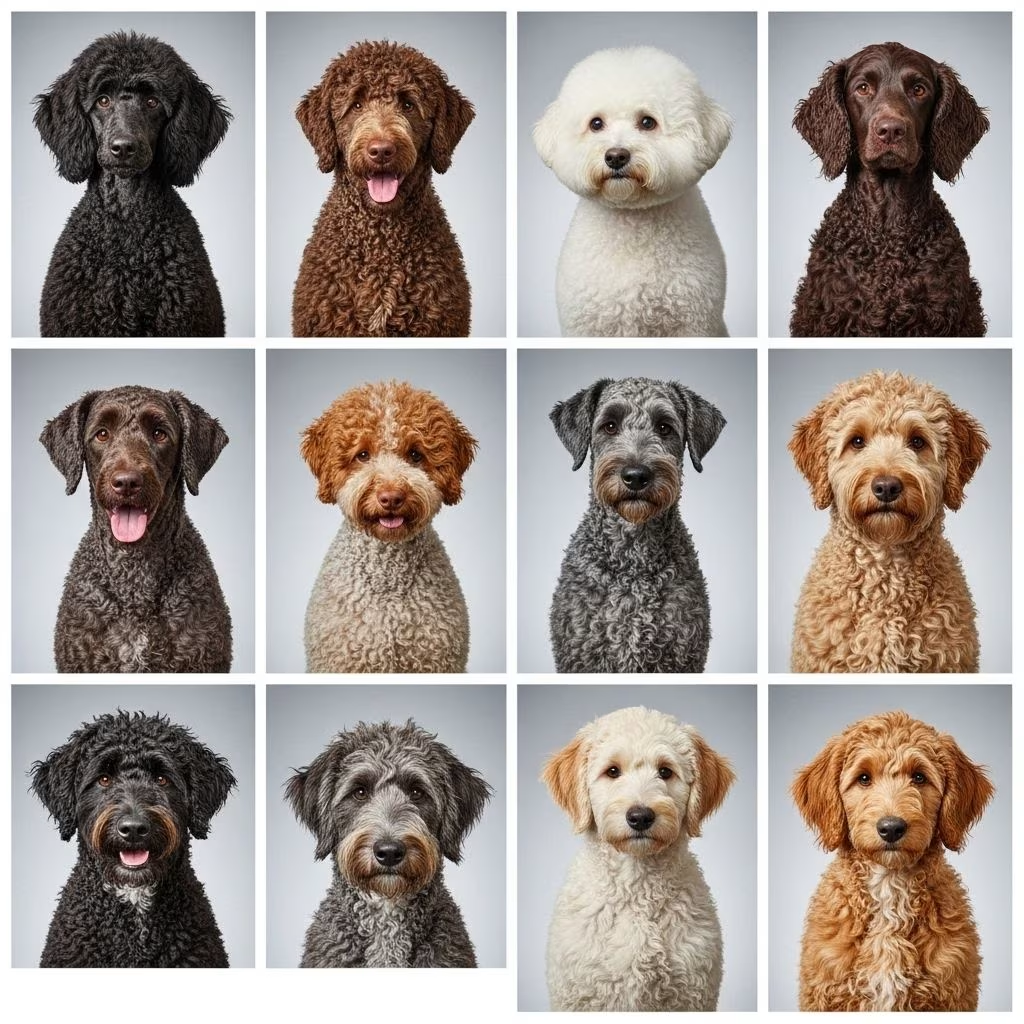
Golden Retriever: A Photographic and Informative Breed Guide
The Golden Retriever is one of the most beloved and recognizable dog breeds worldwide. Revered for their intelligence, affectionate temperament, and gleaming golden coats, these dogs have become cherished family companions and versatile working dogs. This comprehensive guide explores the key aspects of the Golden Retriever: their physical appearance, personality, grooming needs, storied history, and frequently asked questions.
Golden Retriever Physical Appearance
Golden Retrievers possess a distinctive and iconic appearance that makes them instantly recognizable. Their beauty and athleticism, combined with a consistently friendly expression, are hallmarks of the breed.
- Size: Males typically stand 23–24 inches tall at the withers, while females measure 21.5–22.5 inches. Male weight ranges from 65–75 pounds, and females from 55–65 pounds. Any deviation over one inch from the standard in height is considered a disqualification in breed show standards.
- Body: Golden Retrievers exhibit a strong, symmetrical, and balanced physique. Their body is slightly longer than tall (with a 12:11 ratio from breastbone to buttocks to height at withers).
- Coat: The breed’s most famous feature is its dense, water-repellent double coat. The outer coat is firm and can be straight or moderately wavy, while the undercoat is soft and insulating. Feathering is present on the neck, legs, thighs, and tail, enhancing their elegant appearance.
- Color: Coat shades range from light golden to deep golden hues; excessively pale or extremely dark coats are not standard. The ideal is a lustrous mid-gold with no conspicuous black or white markings.
- Head and Expression: The skull is broad, slightly arched, with a well-defined stop (where the forehead meets the nose). Their eyes are medium-large, set well apart, and always display a kind, intelligent, and friendly expression. Preferably dark brown eye color is desired.
- Ears: Short in length, typically falling to the level of the jaw, with a moderate fold and set slightly above the eye level.
- Tail: Thick and muscular at the base, gently tapering, and carried with a distinct upward curve but never curled over the back.
- Overall Appearance: Not clumsy nor long-legged, but balanced, agile, and nimble—qualities essential for their historic role as field and hunting dogs.
| Breed Standard | Description |
|---|---|
| Height (Male) | 23–24 inches at withers |
| Height (Female) | 21.5–22.5 inches at withers |
| Weight (Male) | 65–75 pounds |
| Weight (Female) | 55–65 pounds |
| Coat | Medium-length, water-resistant, double coat; moderate feathering |
| Life Expectancy | 10–12 years |
Breed Temperament and Personality
The Golden Retriever is acclaimed for its outstanding temperament— one of the principal reasons the breed is so popular as a family companion.
- Friendly: Golden Retrievers are renowned for their friendliness and never display aggression or hostility in normal situations. They are tolerant and welcoming, both with people and other animals.
- Reliable & Trustworthy: The breed’s even-tempered nature is essential. Aggression, timidity, or nervousness are considered serious faults and can disqualify a dog in conformation events.
- Intelligent & Adaptable: Golden Retrievers are responsive, alert, and eager to learn new tasks, making them easy to train. Their adaptability allows them to excel in multiple roles—service work, search and rescue, hunting, therapy, obedience, and agility competitions.
- Loyal Companions: They are deeply devoted to their families, thriving on interaction and affection.
- Joyful Playfulness: Goldens retain a playful, puppy-like attitude into adulthood, relishing games and outdoor activities.
- Service-Oriented Nature: The breed’s inherent willingness to please and calm disposition make them outstanding working and therapy dogs.
Temperament Quick Facts:
- Golden Retrievers are seldom shy or aggressive when properly socialized.
- Proper temperament is a breed hallmark—friendly, trustworthy, and reliable.
- Golden Retrievers get along with children, strangers, and other pets, making them ideal family pets.
Grooming and Care Essentials
Golden Retrievers need regular grooming and basic care to maintain their health, comfort, and signature glossy coats.
- Coat Care: Goldens shed moderately throughout the year, with heavier shedding occurring once or twice annually during seasonal coat changes. Weekly brushing is sufficient most of the year, but during heavy shedding, daily grooming is recommended to remove loose hair and prevent mats.
- Bathing: Regular bathing every 1–2 months will keep the coat clean and minimize odor. Avoid overbathing to preserve natural oils in the fur.
- Nail Trimming: Trim nails regularly, as overgrown nails can lead to discomfort and potential injury.
- Ear Cleaning: Check ears weekly for wax buildup, moisture, or signs of infection, as floppy ears can be prone to issues.
- Dental Care: Brush teeth several times a week to maintain oral health.
- Exercise: Golden Retrievers are energetic and require at least one hour of exercise daily—walks, playtime, or swimming are excellent activities.
Grooming Supplies Checklist:
- Slicker brush or undercoat rake
- Wide-tooth comb
- Dog-safe shampoo
- Nail clippers or grinder
- Ear cleaning solution and cotton pads
- Toothbrush and toothpaste for dogs
Breed Origins & History
The Golden Retriever’s rich history and development adds another layer of allure to the breed.
- Origins: The breed traces back to 19th-century Scotland, where Dudley Marjoribanks (later Lord Tweedmouth) systematically developed Golden Retrievers to be ideal hunting and retrieving dogs.
- Breed Development: Tweedmouth started by crossing a yellow-colored Retriever named “Nous” with a Tweed Water Spaniel named “Belle.” Successive generations were bred with Irish Setters, Bloodhounds, and additional Tweed Water Spaniels to enhance specific traits—retrieving instinct, trainability, water-resistant coat, and stamina.
- First Appearances: Early Golden Retrievers were primarily working dogs, prized for their field abilities. Their beauty, temperament, and versatility led to a surge in popularity as both hunting dogs and companions.
- Recognition: The breed was officially recognized by The Kennel Club (UK) in 1911 and the American Kennel Club (AKC) in 1925.
Interesting Facts About Golden Retrievers
- Scottish Roots: All modern Golden Retrievers descend from the dogs bred at the Guisachan estate in Scotland.
- Love for Water: Goldens possess a water-repellent coat and innate swimming ability, stemming from their original role as retrieving dogs for ducks and game fowl.
- Hard-Working Heritage: Golden Retrievers have long been used in demanding fields: guiding the blind, search and rescue, drug detection, and as therapy animals, thanks to their intelligence, patience, and gentleness.
- Exercise is Essential: They require significant daily exercise to stay healthy and happy; inactivity can lead to behavioral problems.
- Famous Media Appearances: Goldens have starred in film and television, notably in “Air Bud,” “Homeward Bound,” and “Full House,” further boosting their worldwide popularity.
Frequently Asked Questions (FAQs)
What is the average lifespan of a Golden Retriever?
Golden Retrievers typically live 10 to 12 years, although some may surpass this with proper diet, exercise, and veterinary care.
Are Golden Retrievers good with children?
Yes, they are renowned for their gentle, patient, and playful nature, making them outstanding family pets for households with children.
Do Golden Retrievers get along with other pets?
Golden Retrievers are highly sociable and generally get along well with other dogs and animals, especially when socialized from a young age.
How much exercise does a Golden Retriever need?
An adult Golden Retriever requires at least an hour of activity daily, such as walks, playtime, or swimming, to remain fit and mentally stimulated.
Is shedding a major issue with Golden Retrievers?
Yes, Golden Retrievers shed year-round, with heavier shedding periods occurring in spring and fall. Consistent grooming is necessary to control loose hair and keep their coats healthy.
Are Golden Retrievers easy to train?
Golden Retrievers are highly trainable due to their intelligence, eagerness to please, and adaptability, making them excellent for basic obedience and advanced tasks.
Do Golden Retrievers bark excessively?
Generally, they are not excessive barkers. They will bark to alert or out of excitement, but proper training early on can manage undesirable barking behaviors.
What makes Golden Retrievers ideal service and therapy dogs?
Their gentle temperament, intelligence, patience, and strong desire to please make them exceptionally suited to service roles, including assisting the disabled and providing therapy support.
Is the Golden Retriever prone to certain health issues?
Like all breeds, Goldens can be susceptible to certain health conditions, including hip dysplasia, elbow dysplasia, certain heart and eye diseases, and cancer. Responsible breeders screen for these and other inheritable conditions. Regular checkups and a healthy lifestyle help minimize risks.
What are the baseline breed standards for Golden Retrievers at dog shows?
Breed standards stipulate specific height and weight limits, symmetrical body, lustrous thick coat, and a gentle, trustworthy temperament. Any outward signs of aggression, timidity, or size deviation of more than an inch from the standard merit penalties or disqualification.
Summary Table: Key Golden Retriever Traits
| Trait | Description |
|---|---|
| Temperament | Friendly, reliable, trustworthy, playful |
| Energy Level | High; requires daily exercise |
| Grooming Need | Moderate to high (due to shedding) |
| Training Ease | Very high |
| Socialization | Excellent with children, adults, and animals |
Conclusion
The Golden Retriever stands out as a breed renowned for its beauty, athleticism, reliable temperament, and adaptability. They are excellent companions, working dogs, and family pets, equally happy in the show ring, on a hike, or cuddled at home. With consistent care, training, and lots of affection, Golden Retrievers bring boundless joy and loyalty to their human families, making them a quintessential favorite the world over.
References
- https://www.akc.org/dog-breeds/golden-retriever/
- https://www.akc.org/expert-advice/dog-breeds/golden-retriever-right-for-you/
- https://grca.org/wp-content/uploads/2015/08/II.F.6_-_FinalGRCAStudyGuide20151.pdf
- https://www.akc.org/expert-advice/lifestyle/fun-facts-golden-retriever/
- https://www.akc.org/expert-advice/dog-breeds/golden-retriever-history/
- https://grca.org/about-the-breed/judges-education/size-disqualification-in-golden-retrievers/
- https://www.youtube.com/watch?v=IXKrzZFCazE