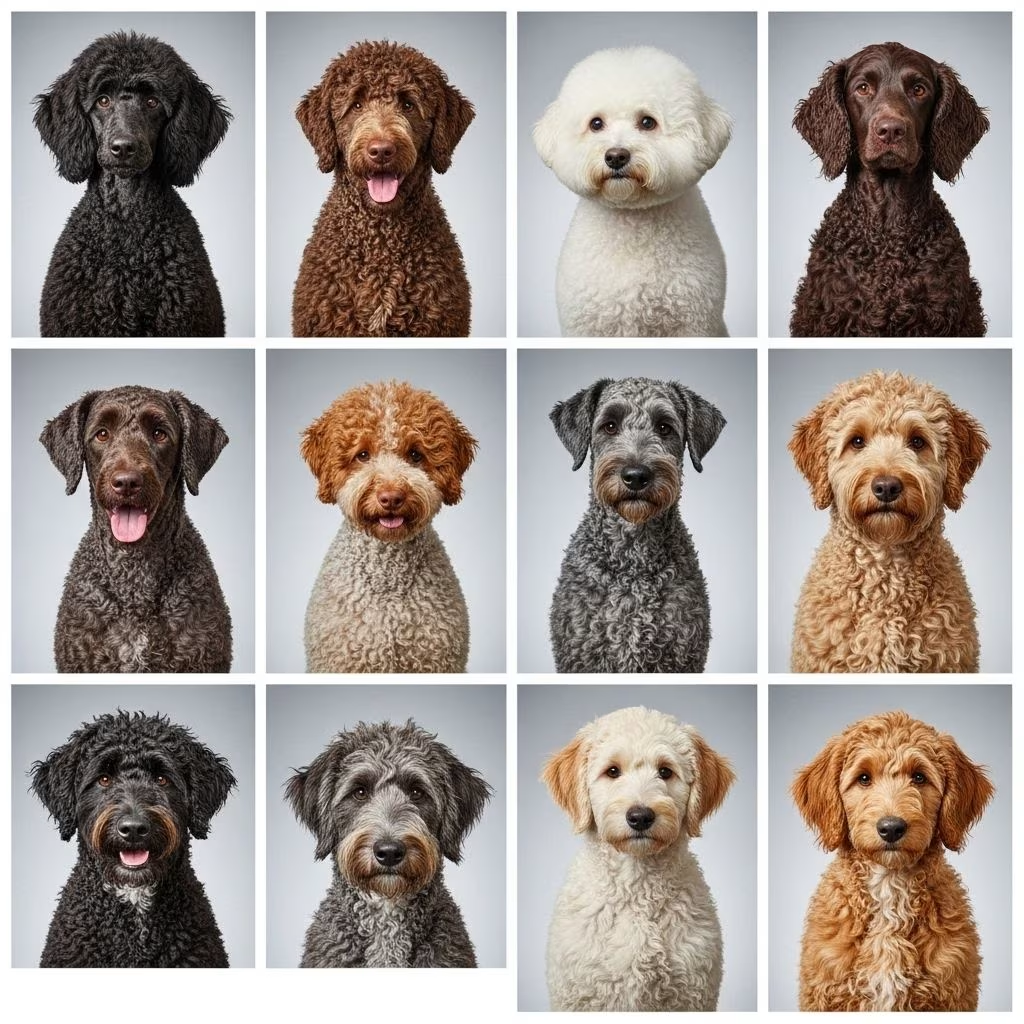
Golden Retrievers and Labrador Retrievers are among the world’s most popular family dogs. Both are friendly, intelligent, and renowned for their loyalty—making the choice between them a challenging but rewarding decision for pet lovers. This guide offers an in-depth look at both breeds, highlighting similarities, key differences, health, care, and how each fits into family life.
Golden Retriever vs. Labrador Retriever: Quick Overview
| Feature | Golden Retriever | Labrador Retriever |
|---|---|---|
| Country of Origin | Scotland | Canada |
| AKC Recognized Colors | Various gold shades (cream to dark gold) | Yellow, black, or chocolate |
| Coat Type | Long, water-resistant, feathered | Short, dense, water-repellent |
| Typical Weight | Male: 65–75 lbs Female: 55–65 lbs | Male: 65–80 lbs Female: 55–70 lbs |
| Typical Height | 21.5–24 in | 21.5–24.5 in |
| Life Expectancy | 10–12 years | 10–12 years |
| Main Personality | Gentle, people-oriented, calm | Energetic, playful, more independent |
Golden Retriever vs. Labrador Retriever: The Similarities
- Size and Strength: Both breeds are medium to large, muscular, athletic, and have strong, sturdy builds suitable for active families.
- Shedding and Grooming Needs: Golden and Labrador Retrievers both have thick double coats that shed year-round, with heavier shedding in spring and fall. Regular brushing (2–3 times weekly) helps control fur and keeps their coats healthy. Neither breed is hypoallergenic.
- Excellent Family Companions: Both breeds are renowned for being gentle, loyal, and friendly, making them ideal for families, including homes with children and other pets.
- Trainability: Both Goldens and Labs are eager to please, intelligent, and respond well to positive reinforcement—making them easy to train for obedience, tricks, or service work.
- Similar Exercise Needs: These are high-energy breeds that require daily activity and play, helping them stay healthy and prevent boredom-related misbehavior.
- Comparable Health Considerations: Both breeds are prone to joint issues such as hip and elbow dysplasia, as well as certain hereditary eye conditions. Regular vet visits and early health screening are important.
- Oral and Dental Care: Both breeds need consistent teeth brushing and regular veterinary dental check-ups to avoid tartar buildup.
Golden Retriever vs. Labrador Retriever: Key Differences
- Coat Length, Color, and Texture:
- Golden Retrievers have a longer, feathered, and softer coat that comes in a range of gold shades from pale cream to dark gold. Their coats are typically wavier and require more frequent grooming to prevent matting.
- Labrador Retrievers have short, dense, and somewhat harsher coats. The three main AKC-accepted colors are yellow, black, and chocolate. Although Labs with “silver” or “champagne” coloring exist, these are not officially recognized.
- Facial and Body Structure:
- Goldens generally have longer muzzles and ears, giving them a softer look. Their build is slightly more slender compared to Labs.
- Labs feature broader heads, heavier builds, and deeper bone density. Their bodies tend to be stockier, with rounder ribcages and chests.
- Temperament and Energy Levels:
- Golden Retrievers are celebrated for their calm, gentle, and affectionate demeanor. They are the quintessential “people pleasers” and thrive on human companionship. Their energy, while high, is more moderate compared to Labs, making them adaptable for a range of lifestyles.
- Labrador Retrievers are famously energetic, playful, and slightly more independent. They need plenty of exercise and enjoy vigorous outdoor activities such as swimming, running, and hiking.
- Adaptability to Different Families: Goldens tend to be more sensitive to routine and thrive in structured, close-knit family environments. Labs are often more adaptable and can fit into a broader variety of active households, including those where the dog may spend short periods alone.
- Health Risks: While both breeds face joint problems, Goldens have a higher risk for certain cancers and skin allergies. Labs are particularly prone to obesity if their food intake is not controlled.
- Popularity and Uses: Labs are consistently the most popular dog breed in the US according to AKC registration, prized for their versatility as service, hunting, and family dogs. Goldens also rank in the top five worldwide for years and are beloved for their therapy and assistance work.
Choosing Between a Golden Retriever and a Labrador Retriever
The decision between a Golden and a Labrador ultimately depends on your lifestyle, preferences, and family situation. Consider the following when making your choice:
- Energy Level: If your family prefers a calm, gentle companion that enjoys play but is also happy to be by your side at home, a Golden may be more suitable. If you want a partner for all your outdoor adventures, the Lab’s robust energy could be the perfect match.
- Grooming Commitment: Golden Retrievers require more frequent brushing due to their longer coats, while Labs are easier to maintain but still shed substantially.
- Time at Home: Neither breed does well if left alone for extended periods, but Goldens can be notably more people-dependent and crave constant companionship.
- Children and Other Pets: Both breeds excel in homes with children. Golden Retrievers are lauded for their soothing gentleness, while Labs may be slightly more exuberant and playful with young kids.
- Specific Health Concerns: Consider your willingness to address prospective health issues, such as skin allergies in Goldens or diet/exercise management for Labs prone to obesity.
Detailed Comparison Table
| Trait | Golden Retriever | Labrador Retriever |
|---|---|---|
| Coat | Long, feathery, shades of gold | Short, dense, yellow/black/chocolate |
| Temperament | Calm, affectionate, people-pleasing | Playful, energetic, slightly more independent |
| Grooming Needs | Brushing 2–3 times per week, occasional trimming | Brushing 2–3 times per week |
| Exercise Requirement | Daily walks, moderate play | High—requires vigorous daily exercise |
| Trainability | Very easy, loves routine and praise | Very easy, responds well to food rewards |
| Good with Kids | Excellent—gentle and patient | Excellent—playful and friendly |
| Good with Other Pets | Yes | Yes |
| Lifespan | 10–12 years | 10–12 years |
| Common Health Issues | Joint problems, cancer, skin allergies | Joint problems, obesity, eye disease |
| Popularity | Top 5 globally | #1 in US for years |
Caring for Retrievers: Diet, Grooming, and Health Needs
Diet
- Both breeds benefit from high-quality, protein-rich dog food, supplemented with omega-3 fatty acids to support joint and coat health.
- Labs require special attention to portion control due to their tendency to overeat and gain weight easily.
- Goldens may need special diets for sensitive skin or allergies.
Grooming Routine
- Brush coats 2–3 times per week; Goldens may need more frequent detangling due to longer hair.
- Bathe as needed, typically every 2–3 months or after muddy adventures.
- Trim nails regularly and check ears for signs of infection, especially after swimming.
- Brush teeth daily or use dental treats to maintain oral hygiene and prevent tartar buildup.
Exercise and Mental Stimulation
- Provide daily walks supplemented by active play (fetch, swimming, agility, obedience training).
- Puzzle toys, training games, and new experiences help both breeds avoid boredom and destructive behaviors.
Health Monitoring
- Regular veterinary check-ups, including early screening for hip and elbow dysplasia, are essential for both breeds due to genetic predispositions.
- Goldens should be monitored for skin issues and signs of common cancers (especially as they age).
- Labs should be watched closely for weight gain, as obesity can exacerbate joint issues and overall health.
Breed History and Purpose
- Golden Retriever: Originated in Scotland in the late 19th century, Goldens were bred as gundogs for retrieving waterfowl. Their friendly nature and intelligence made them well suited for work as therapy, assistance, and search-and-rescue dogs.
- Labrador Retriever: Originally from Newfoundland (now part of Canada), Labs were bred as fisherman’s helpers and later developed in England for retrieving game. Their versatility, stamina, and agreeable temperament have made them a favorite as guide, detection, and service dogs.
Which Breed Is Right for Your Family?
Ultimately, both Golden Retrievers and Labrador Retrievers make excellent family dogs, cherished for their companionship, trainability, and friendly personalities. However, the right choice depends on the energy and grooming needs your household can accommodate and whether you’ll provide the attention and exercise these breeds crave.
- If you prefer a gentle, calm, and affectionate dog—and don’t mind a little extra grooming—a Golden Retriever could be ideal.
- If you seek a playful, energetic companion for outdoor adventures and are comfortable managing weight and food intake, a Labrador Retriever is likely a better fit.
Frequently Asked Questions (FAQs)
1. Are Golden Retrievers or Labrador Retrievers better for families with young children?
Both breeds are outstanding with children. Golden Retrievers are especially gentle and calm, making them excellent choices for families seeking a mellow companion. Labradors, while also friendly and trustworthy, can be more boisterous but are equally affectionate and protective with young kids.
2. Which breed is easier to train: Golden Retriever or Labrador Retriever?
Both breeds are highly trainable and eager to please. Golden Retrievers respond very well to praise and routine, while Labs are often more food-motivated and can pick up commands quickly, especially in active, playful settings.
3. Can Golden Retrievers or Labs live in apartments?
While both breeds adapt best to homes with access to a yard or nearby parks, it’s possible for either to live in apartments if exercise needs are met. Daily walks, play, and mental stimulation are essential to prevent boredom and restlessness.
4. Do either breed have significant health concerns?
Both have hereditary risks, including joint problems (hip/elbow dysplasia) and certain eye conditions. Goldens are more prone to certain cancers and skin allergies, while Labs require diligent portion control to avoid obesity-related health issues.
5. How much do Golden Retrievers and Labrador Retrievers shed?
Both breeds shed year-round, with heavier seasonal shedding. Regular grooming helps manage shedding and keeps both dogs’ coats healthy and beautiful.
6. Are either breed hypoallergenic?
Neither Golden Retrievers nor Labradors are hypoallergenic, due to their double coats and consistent shedding. Individuals with dog allergies may find either breed challenging.
In Summary: Golden vs. Labrador Retriever
Choosing between a Golden Retriever and a Labrador Retriever is a question of matching a dog’s temperament, energy, grooming needs, and companionship style to your family’s lifestyle. Both breeds are friendly, loyal, and loving—each ready to become your next best friend and cherished household member.
References
- https://www.countryliving.com/life/kids-pets/a45642197/golden-retriever-vs-labrador-retriever/
- https://thepetlabco.com/learn/dog/labrador-retriever-vs-golden-retriever
- https://dccpets.in/pet-care-blog/golden-retriever-vs-labrador-retriever-which-breed-is-right-for-you
- https://www.akc.org/expert-advice/dog-breeds/golden-retriever-versus-labrador-retriever/
- https://www.trustedhousesitters.com/blog/pets/labrador-vs-golden-retriever/
- https://www.snowypineswhitelabs.com/guides/labs-vs-golden-retrievers/