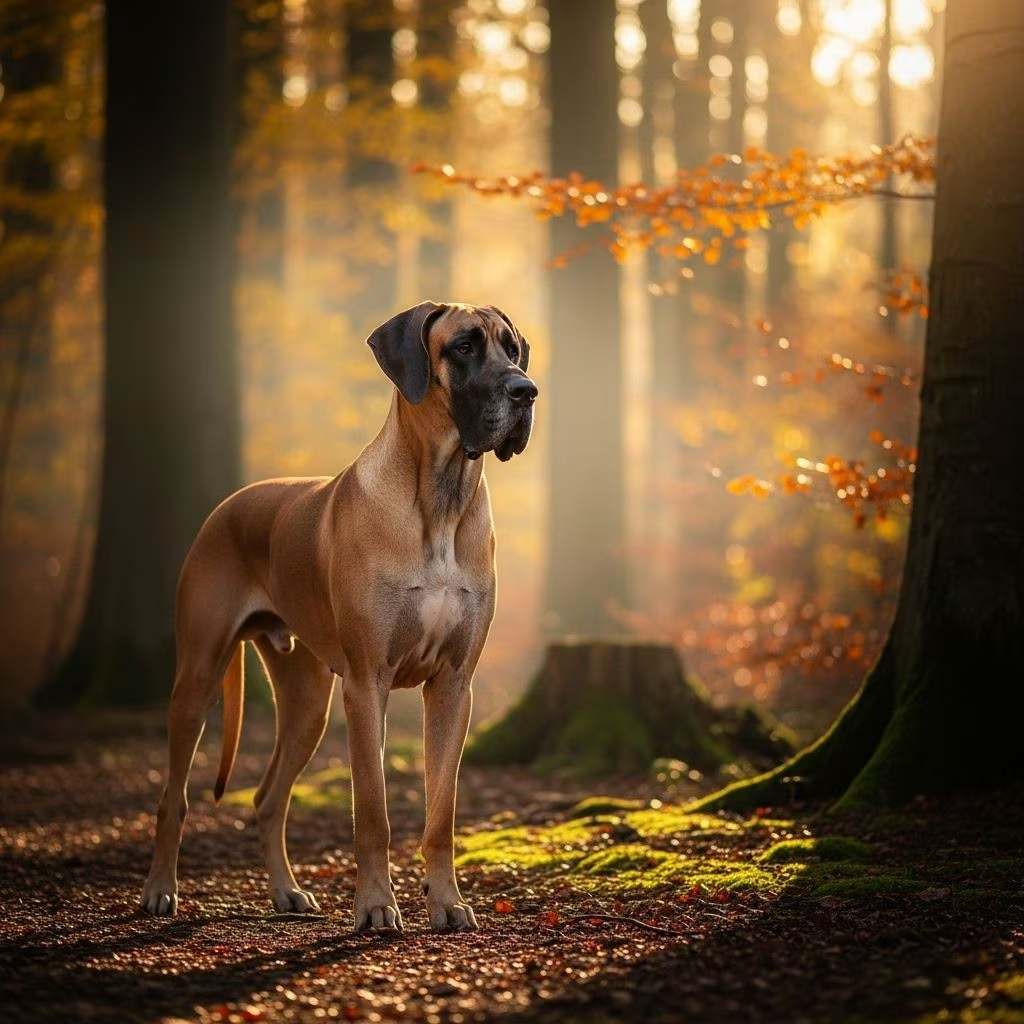
The Great Dane stands among the world’s tallest and most majestic dog breeds. Revered as the “Apollo of Dogs,” Great Danes command attention with their regal stature, yet they win hearts with their gentle and loving disposition. Whether you’re captivated by their imposing presence or their affectionate nature, learning about what makes the Great Dane unique is essential for anyone considering welcoming this magnificent breed into their home.
Breed Overview
Renowned for their overwhelming size and gentle disposition, the Great Dane is a giant working breed of German origin. Their dignified appearance and loyal temperament have made them beloved companions around the world. Despite their intimidating height, they are extremely people-oriented, crave affection, and are commonly referred to as “gentle giants.”
- Group: Working
- Origin: Germany
- Lifespan: 6–8 years (often up to 8 years)
- Height: Males 30–34 inches; Females 28–32 inches at the shoulder
- Weight: Males 140–175 lbs; Females 110–140 lbs
- Coat: Short, sleek; comes in various colors including black, fawn, blue, harlequin, and brindle
Breed History
The history of the Great Dane traces back to the Middle Ages in Germany, where their ancestors were bred as formidable hunting dogs. Descended from mastiff-types and sighthounds, these dogs were originally used for hunting large game such as boar, bear, and deer . The breed evolved through careful selection for size, strength, and striking looks, eventually becoming a symbol of nobility and prestige throughout Europe.
- The Great Dane is also known as the Deutsche Dogge or German Mastiff .
- Historically, they were favored not just for their hunting prowess but also as estate guardians and companions.
- Their regal nature led them to become pets of the European elite.
Appearance and Size
Great Danes captivate onlookers with their enormous size and balanced, muscular physique. The American Kennel Club describes them as combining “strength and elegance with great size.” Despite their bulk, Danes are not clumsy; their conformation is purposeful and athletic .
- Height: Males stand at least 30 inches tall (often 32–34 inches or more). Females are at least 28 inches, frequently reaching 30–32 inches .
- Weight: Males typically weigh 140–175 lbs; females 110–140 lbs .
Their heads are narrow and flat on top, with prominent brows. Great Danes’ ears typically drop forward, though some are cropped to stand erect (this practice is region-dependent and controversial). The neck is long and strong; the body is long, muscular, and well-balanced. They have straight forelegs and a tail that tapers down from a thick base just below the hocks .
| Feature | Description |
|---|---|
| Coat Type | Short, smooth, and sleek |
| Common Colors | Fawn, brindle, blue, black, harlequin, mantle |
| Shedding | Moderate |
| Shape | Muscular, athletic frame with square proportions |
| Distinctive Features | Large size, prominent jowls, expressive face |
Notably, Great Danes are frequently recognized as the tallest dog breed in the world. Record-holders such as Zeus and George stood over 43 inches at the shoulder .
Temperament and Personality
Contrary to their imposing looks, Great Danes are exceptionally gentle, affectionate, and sociable dogs . Their easy-going nature makes them ideal family companions, including for homes with children and other pets (particularly if socialized early).
- Good with children: Danes are known for their patience and nurturing attitude towards kids .
- People-oriented: They crave human interaction, affection, and inclusion in daily life .
- Playful but calm: While energetic as puppies and adolescents, adult Danes are calm but enjoy playtime and companionship .
- Excellent watchdogs: Vigilant and alert, they often guard the home but are not typically aggressive .
- Loyal and eager to please: Danes thrive on praise and positive reinforcement .
While their size can be daunting, these dogs are often unaware of their bulk—sometimes exhibiting “lapdog” behavior by attempting to cuddle on furniture or with their owners.
Care and Living Needs
Owning a Great Dane is both a joy and a commitment—especially given their size and specific needs. Here’s what prospective owners should consider:
- Space: While surprisingly adaptable to apartment living (due to their calm nature indoors), a Great Dane needs ample space to stretch and lie down comfortably .
- Exercise: Regular physical and mental activity is necessary to keep Danes healthy, though their energy levels tend to be moderate.
- Feeding: Expect to feed your Great Dane more than a smaller breed, but less than their size might suggest. Monitor their diet carefully to avoid obesity and support proper growth. Puppies especially require nutrition tailored to large and giant breeds to reduce the risk of developmental issues .
- Housing arrangements: Danes need soft, supportive bedding to protect their joints. Due to their size, stairs can be a challenge for older or arthritic Danes.
- Family integration: Danes are happiest when included in family life—frequent companionship is vital to prevent loneliness or separation anxiety .
- Supervision: Always supervise play between young Danes and small children, given these dogs’ size and potential for accidental knocks.
Grooming and Maintenance
Grooming a Great Dane is relatively straightforward due to their short coats, but their sheer size does make routine care more time-consuming. Their grooming requirements include:
- Brushing: Weekly brushing helps control moderate shedding and keeps the coat healthy .
- Bathing: Bathe as needed; due to their size, some owners choose to bathe outdoors or at professional facilities.
- Drooling: Great Danes are known for drooling, especially after eating or drinking—keep towels handy, especially around the mouth .
- Nail trimming: Trim nails regularly to prevent overgrowth that can lead to discomfort or injury.
- Ear cleaning & dental care: Clean ears and brush teeth regularly to prevent infection and disease.
Training and Socialization
Training a Great Dane is essential, given their enormous size and strength. Fortunately, most Danes are people-pleasers, making them relatively easy to train with positive reinforcement techniques . However, early training is crucial to ensure good manners and prevent stubbornness.
- Start early: Begin training and socialization as soon as possible—puppies are easier to guide into positive behaviors before they grow too large.
- Consistency is key: Use calm, assertive, and consistent methods. Reward-based training works best; harsh corrections may lead to fear or resistance .
- Obedience classes: Due to their size and power, professional obedience classes are highly recommended.
- Socialization: Expose Danes to various people, pets, sounds, and environments early and often to foster confidence and sociability .
Without proper training and socialization, Great Danes may develop anxiety, social challenges, or even aggression—so responsible ownership is vital.
Health Issues
Like many giant breeds, the Great Dane has a relatively short lifespan and is prone to certain health concerns. Responsible breeding and vigilant veterinary care can mitigate many risks, but owners should be aware of the following:
Common Health Concerns
- Hip Dysplasia: A genetic disorder affecting joint formation, leading to pain and arthritis.
- Bloat (Gastric Dilatation-Volvulus): A life-threatening emergency where the stomach twists; Danes are at exceptionally high risk due to their deep chests.
- Cardiomyopathy: Heart disease affecting the heart muscle’s function.
- Cancer (Osteosarcoma): A form of bone cancer more prevalent in giant breeds.
- Hypothyroidism: An underactive thyroid that can affect metabolism and energy levels.
- Wobbler Syndrome: A neurological condition that affects the neck and mobility.
- Joint Disorders: Arthritis and developmental orthopedic disease due to rapid growth.
Regular veterinary check-ups, appropriate nutrition (especially for puppies), and informed breeding practices are critical to minimizing these issues.
Lifespan
Sadly, the average lifespan of a Great Dane is only 6 to 8 years, with many succumbing to age-related illnesses sooner than smaller breeds . Early detection and proactive healthcare are key factors in maximizing their years of companionship.
Choosing a Great Dane
If you’re considering bringing a Great Dane into your household, there are key considerations to bear in mind:
- Adoption: Consider adopting a Great Dane from a rescue group or animal shelter to provide a home for a dog in need .
- Finding a breeder: If purchasing a puppy, always select a reputable breeder who conducts all recommended health screenings, prioritizes temperament, and raises puppies in a loving environment .
- Costs: Be prepared for higher expenses relating to food, veterinary care, and living space compared to smaller breeds.
- Lifestyle compatibility: Make sure you can dedicate time, space, and resources to properly care for a giant breed.
Frequently Asked Questions (FAQs)
Q: Are Great Danes good with children?
A: Yes, Great Danes are typically very gentle with children and form strong family bonds. Due to their immense size, supervision is always recommended during interactions to prevent accidents.
Q: How much exercise does a Great Dane need?
A: Great Danes enjoy moderate daily exercise, such as walks and playtime. Excessive running or jumping should be avoided, especially when they’re young, to protect their developing joints.
Q: Do Great Danes need a large yard?
A: While they enjoy space to stretch, Danes are adaptable and can thrive in apartments if exercise needs are met. Their size means they need room to comfortably turn and lie down even indoors.
Q: How long do Great Danes live?
A: The average lifespan is 6–8 years, with diligent care sometimes extending a bit longer. Health issues, particularly bloat and heart disease, are the leading causes of early death.
Q: Are Great Danes aggressive?
A: No, Great Danes are generally affectionate and gentle. Early socialization and training are important to prevent fearfulness or shyness, but aggression is not a typical trait for the breed.
Q: Do Great Danes drool a lot?
A: Yes, drooling is common, especially after eating or drinking. Owners should be prepared for some daily drool clean-up.
Q: What are common health problems for Great Danes?
A: The most common concerns are bloat, hip dysplasia, heart disease, bone cancer, hypothyroidism, and joint issues. Responsible breeding and regular veterinary care are essential.
Q: Are Great Danes difficult to train?
A: Generally, no. With consistent, positive methods, most Great Danes are eager to learn and quick to please. Early obedience training is crucial due to their size.
Key Takeaways
- Great Danes blend immense stature with a loving, gentle temperament.
- Proper training and early socialization are necessary for a well-mannered adult.
- Regular veterinary care and attention to health risks are vital for longevity.
- They require committed owners willing to accommodate their unique needs.
Whether you’re drawn to their eye-catching size or captivated by their sweet personalities, Great Danes fill their families’ lives and homes with love, loyalty, and joy. If you have the space, resources, and commitment, few breeds can match the companionship of this gentle giant.