Great Pyrenees Dog Breed Overview
The Great Pyrenees, sometimes called the Pyrenean Mountain Dog or Patou, is famed for its regal appearance, protective instincts, and gentle temperament. Bred to guard livestock in harsh mountain environments, this giant breed combines beauty, power, and an affectionate nature that makes it a devoted companion and sentinel for families and flocks alike. Whether in serene homes or open ranches, the Great Pyrenees brings centuries of working heritage and steadfast devotion to its role.
Breed History and Origins
The Great Pyrenees traces its roots to the Pyrénées Mountains straddling France and Spain. For centuries, these dogs guarded sheep and livestock, deterring wolves and human threats across rugged terrain. Recognized for their reliability and courage, Great Pyrenees dogs were so revered that French nobility adopted them as royal companions in the 17th century. This rich history cemented their status as both working dogs and cherished family members.
- Origin: Pyrénées Mountains (France, Spain)
- Historical roles: Livestock guardian, family companion, royal court dog
- Recognition: Officially acknowledged by major kennel clubs such as the American Kennel Club (AKC)
Physical Characteristics
General Appearance
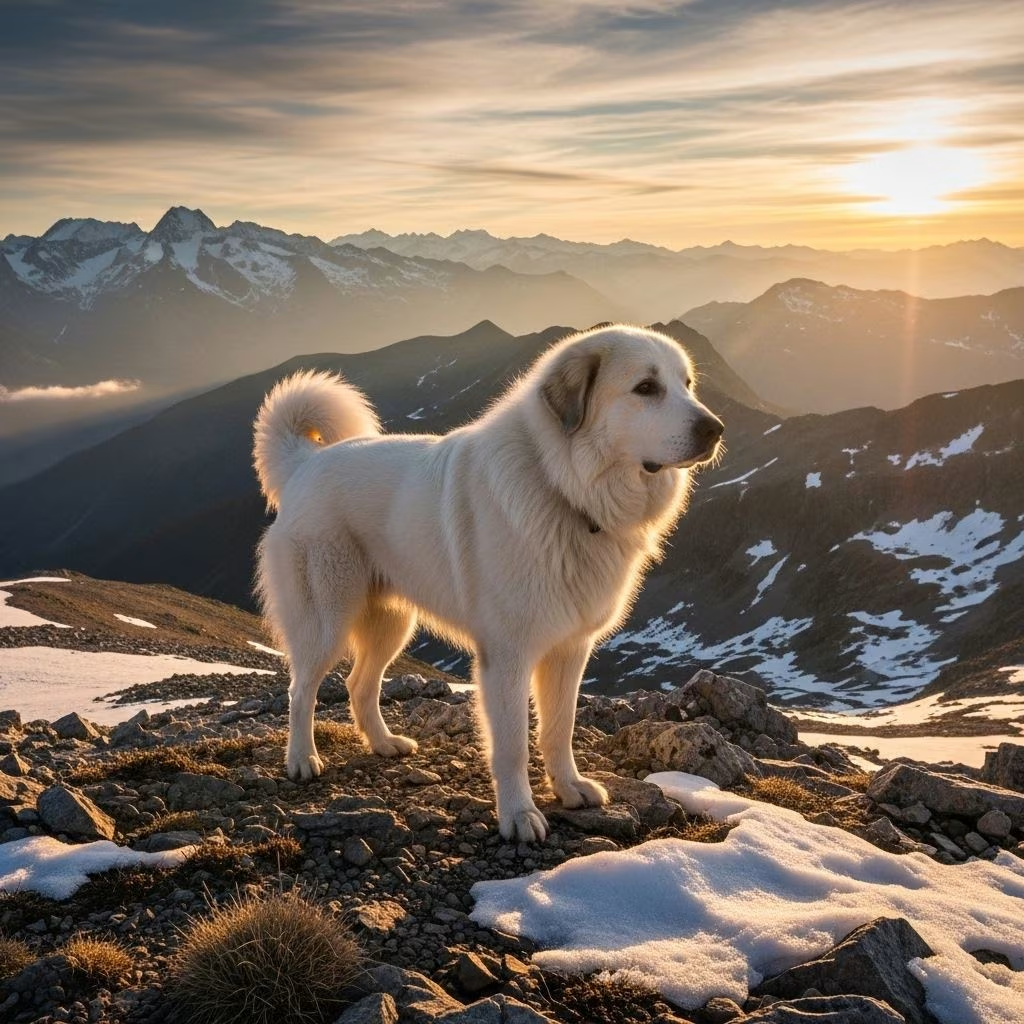
The Great Pyrenees projects a sense of majesty and elegance. Despite the breed’s imposing size, their movements are smooth and graceful, reflecting their mountainous origins where agility was as vital as power.
- Coat: Double-layered, with a long, coarse, and flat outer coat and a soft, dense, woolly undercoat
- Color: Primarily solid white; allowed markings include tan, wolf-gray, badger, reddish-brown, or pale yellow (often appearing on the head, ears, and tail)
- Tail: Well-feathered, reaching the hocks, sometimes curled over the back when excited
- Dewclaws: Single on front legs, double (unique feature) on hind legs
Size, Proportion, and Substance
| Characteristic | Male | Female |
|---|---|---|
| Height (shoulders) | 27–32 in (68–81 cm) | 25–29 in (63–74 cm) |
| Weight | 100+ lbs (45+ kg) | 85+ lbs (38+ kg) |
| Body Structure | Slightly longer than tall; strong bone and muscle beneath thick coat; rectangular silhouette | |
Distinctive Features
- Mane around neck and shoulders (more pronounced in males)
- Feathering on tail and back of legs
- Compact, broad head; small, triangular ears held flat to the head
Temperament and Personality
The breed’s temperament is central to its reputation as a gentle giant. Great Pyrenees dogs are confident, composed, and tender toward people and animals they consider family, while remaining alert and protective against perceived threats.
- Devotion: Incredibly loyal and affectionate to their families; known to self-sacrifice for loved ones
- Protectiveness: Territorial, vigilant, but not unnecessarily aggressive
- Independence: Shaped by centuries of solitary mountain guarding
- Interaction: Wary of strangers; becomes more accepting with proper socialization
- Manner toward Children: Gentle and trustworthy, especially if raised around kids or properly socialized
- Obedience: Strong-willed and sometimes stubborn; patience and positive reinforcement essential in training
Care and Maintenance
Diet and Feeding
Great Pyrenees dogs require a substantial, balanced diet to support their large frames and active lifestyles. Proper feeding can help prevent health issues such as bloat.
- Average adult consumption: 4.5 cups of high-quality dry dog food per day, divided into 2–3 meals
- Fresh water should always be available
- Occasional food sensitivities, though not commonly prone to allergies
Exercise Requirements
Despite their size, the breed does not demand excessive exercise. Moderate daily activity, combined with mental stimulation, helps keep these dogs healthy and content.
- Recommended activity: 30–40 minutes of exercise per day (walks, playtime, light hiking)
- Likes orderly routines and quiet periods inside the house
- Can adapt well to suburban or rural lifestyles
Grooming
- Regular brushing: At least twice per week during normal periods; daily during shedding seasons
- Focus on removing loose undercoat and preventing mats around the mane, tail, and legs
- Check ears, nails, and dental health routinely
- Bathing: Only when necessary; their weather-resistant coat stays clean due to natural oils
Health and Lifespan
Great Pyrenees dogs are generally hearty and robust, but like all large breeds, may be susceptible to certain health conditions.
- Average lifespan: 10–12 years
- Common health concerns:
- Hip dysplasia
- Elbow dysplasia
- Patellar luxation
- Bloat (gastric dilatation-volvulus)
- Occasional skin or coat problems
- Unique feature: Double dewclaws on hind legs (absence is considered a fault in show dogs)
- Preventive veterinary care and screening recommended for joint issues and overall health
Training and Socialization
The Great Pyrenees’ independence, bred for solitary work, means training requires patience and consistency.
- Early socialization is vital to reduce excessive wariness and moderate their protective instincts
- Exposure to various people, animals, and environments during puppyhood
- Training tips:
- Use positive reinforcement
- Be patient; avoid harsh techniques that can breed stubbornness
- Do not expect obedience championship results
- Basic commands and gentle handling are key to forming a respectful bond
Great Pyrenees in Family and Working Life
As a Family Dog
- Notably gentle and affectionate with family and children
- May attempt to guard house and yard out of instinct—even objects
- Requires clear leadership from confident, patient owners
- Best suited to homes with secure boundaries and enough space to roam
As a Livestock Guardian
- Historically excelled at protecting sheep and other livestock from predators in mountain terrain
- Still used by farmers and ranchers for this purpose today
- Independent decision-making; does not always wait for direction
Living Environment
- Ideal for suburban or rural homes with ample outdoor space
- Not suited for small apartments or environments lacking secure, fenced areas
- Enjoys orderly routines; thrives best in stable households
- May bark to alert or deter perceived threats—a vestige of its guardian origins
Breed Standard
Summary Table: Key Breed Characteristics
| Feature | Description |
|---|---|
| Coat | Double, weather-resistant; mane, tail, feathering on legs |
| Primary Color | White (solid or with patches) |
| Height | 27–32 in (male); 25–29 in (female) |
| Weight | 100+ lbs (male); 85+ lbs (female) |
| Temperament | Calm, loyal, gentle, protective, independent |
| Dewclaws | Single front, double hind (distinctive breed trait) |
Frequently Asked Questions (FAQs)
Q: Are Great Pyrenees good family pets?
A: Yes, Great Pyrenees are gentle and affectionate with children and make excellent family pets when socialized early.
Q: How much exercise does a Great Pyrenees need?
A: They require moderate activity—typically 30 to 40 minutes of exercise daily, which can include walks and play.
Q: Are Great Pyrenees difficult to train?
A: Their independence makes training challenging. Patience and positive reinforcement are essential; do not expect championship-level obedience.
Q: Do Great Pyrenees shed a lot?
A: Yes, they shed heavily, especially during seasonal changes. Regular brushing helps manage shedding and matting.
Q: Can Great Pyrenees live in apartments?
A: They are best suited for homes with ample outdoor space. Apartments are generally not recommended due to their size and need for secure areas.
Is the Great Pyrenees the Right Dog for You?
Choosing a Great Pyrenees means accepting both its magnificent strengths and unique requirements. Prospective owners should be prepared for its protective instincts, considerable size, and moderate activity needs. With proper early socialization, steady routines, and loving guidance, the Great Pyrenees rewards its family with devotion, security, and unmatched companionship.
References
- https://www.dogbreedinfo.com/greatpyrenees.htm
- https://www.hillspet.com/dog-care/dog-breeds/great-pyrenees
- http://greatpyrenees.club/great-pyrenees-official-standard/
- https://en.wikipedia.org/wiki/Pyrenean_Mountain_Dog
- https://brownvethospital.com/blog/great-pyrenees-dogs/
- https://www.akc.org/dog-breeds/great-pyrenees/