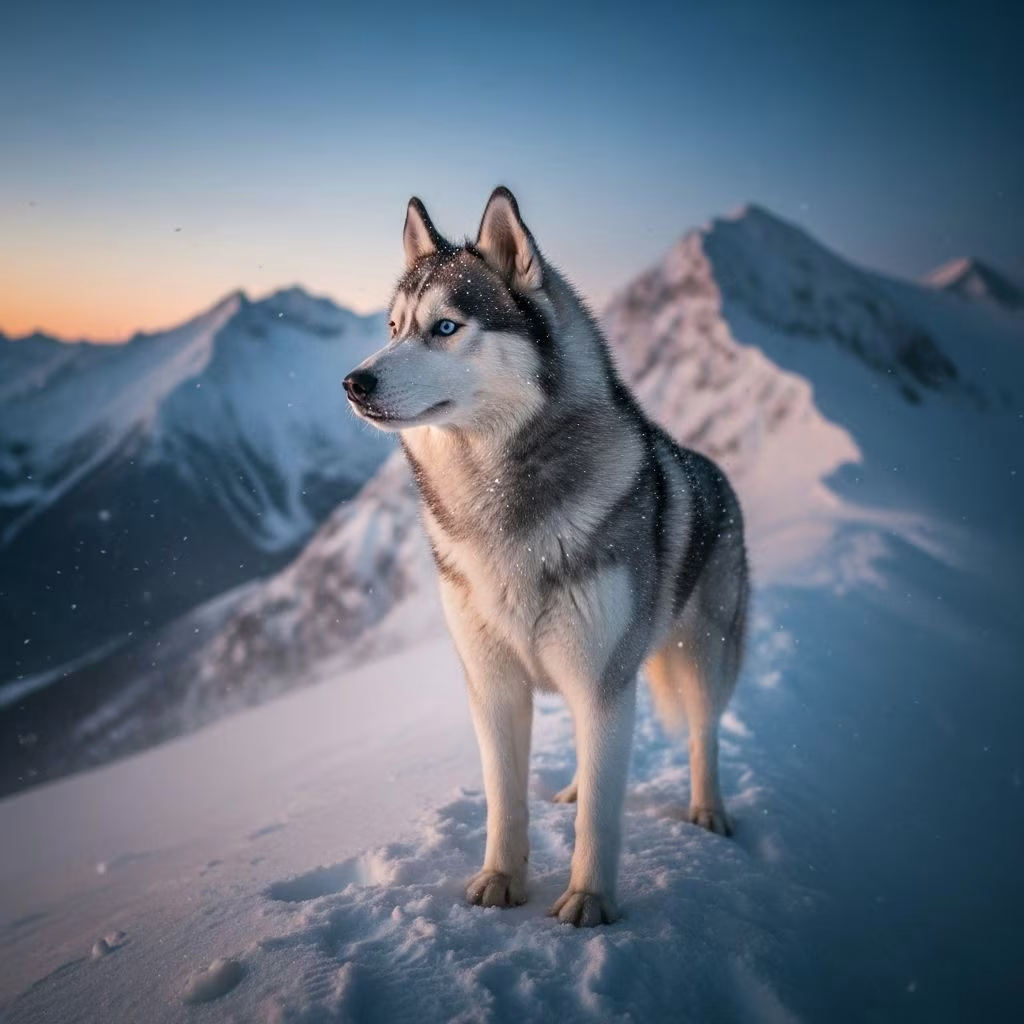
When HBO’s Game of Thrones captivated millions worldwide, few could have predicted the profound—and at times troubling—impact it would have on a real-world dog breed: the Siberian Husky. Known for their wolfish appearance and energetic temperament, Huskies grew enormously popular as fans sought their own “dire wolves,” inspired by the memorable canine companions on the show. While this fascination brought attention to the breed, it also resulted in a rise of abandoned Huskies in shelters—highlighting crucial lessons for pet adopters, breeders, and animal advocates alike.
From Dire Wolves to Siberian Huskies: The Power of Pop Culture
Game of Thrones featured the majestic dire wolf as the loyal guardian of the Stark family, capturing the hearts of viewers with their intelligence, strength, and fierce loyalty. With no living dire wolves today, these canine roles were portrayed by Arctic wolves or large breed “wolf-like” dogs—often a mix of Siberian Huskies, Samoyeds, Alaskan Malamutes, and other northern breeds.
For many fans, the closest attainable option was the Husky, whose appearance closely resembles the mythical dire wolf.
Unfortunately, this surge of interest has had significant, sometimes dire, consequences:
- Many people acquired Huskies on impulse, attracted by their looks but unaware of their unique needs.
- Shelters across the United States and beyond witnessed rising numbers of Huskies being surrendered shortly after adoption.
- Experts and advocacy groups point out clear links between entertainment phenomena and breed popularity spikes, drawing parallels to similar trends following films like 101 Dalmatians or Beverly Hills Chihuahua.
How Game of Thrones Fueled Abandonment Trends
Siberian Huskies found themselves at the center of a troubling trend following Game of Thrones’ popularity spike. According to Randee McQueen, Treasurer of the Bay Area Siberian Husky Club (BASH) and a 25-year Husky rescue veteran, the region saw a marked increase in dogs abandoned at shelters—and these weren’t just any Huskies. Many carried names from the show (like Ghost, Nymeria, or Summer) or had markings reminiscent of the dire wolves.
- Bay Area rescues reported seeing up to four or five abandoned Huskies each month that they suspect were bought by fans of the show.
- One rescue observed a 20 percent increase in abandoned Huskies post-Game of Thrones, almost all traced to recent, casual acquisitions.
- Animal shelters elsewhere, such as Riverside County in California, also reported a sharp jump—from 351 impounded Huskies in 2013 (about 1.7% of total dogs) to over 1,000 Huskies in a recent year (nearly 7%).
- Similar patterns have historically occurred whenever pop culture highlights a breed, as with Dalmatians after Disney’s movie releases.
So, why do so many owners quickly relinquish these beautiful animals? The answer lies in unmet expectations versus reality.
The Unique Needs and Traits of Siberian Huskies
The Siberian Husky’s popularity as a “wolf-like” dog has often masked the reality that their temperament and needs are more demanding than casual dog owners anticipate. Dawn Eisele, Public Education Chair for the Siberian Husky Club of America (SHCA), and experienced rescuers highlight that Huskies require not only affection but also specialized care, consistent activity, and vigilant guardianship.
| Trait | Description |
|---|---|
| Energy Levels | Very high; need daily physical and mental exercise. |
| Intelligence | Exceptionally clever; need problem-solving activities or may invent their own “games.” |
| Escape Artists | Love to run; often dig, climb, or chew through enclosures. |
| Predatory Instincts | Strong prey drive; will chase cats, squirrels, or small animals. |
| Vocalization | Very talkative; tend to howl or “chat” rather than bark. |
| Shedding | Heavy shedders, especially during seasonal coat blows. |
Owner Challenges
- Huskies require substantial daily exercise and mental stimulation. Without it, they resort to destructive behaviors like digging out of fences, chewing, or escaping—a legacy of their sled dog heritage.
- They are not naturally “guard dogs.” Friendly, curious, and rarely aggressive, Huskies may welcome strangers rather than ward them off.
- Owners often underestimate the breed’s prodigious shedding. Their thick undercoats blow out seasonally, leaving fur everywhere.
- Keeping a Husky off-leash without strict control is risky; many will run at the first opportunity. Cases abound of young dogs being injured due to running loose and encountering traffic or other hazards.
Yet for those able to meet their needs, Siberian Huskies excel as loyal, affectionate, and social companions. As pack animals, they bond deeply with their families—both human and canine. They’re naturally clean, gentle with children, and, given the right circumstances, can be wonderful additions to the right home.
The Risks of Impulse Buying—and Why Research Matters
Impulse adoptions fueled by TV or film hit several pain points for both pets and owners:
- Lack of Preparation: Many buyers don’t research breed-specific needs or temperament, leading to early frustration.
- Online Buying Pitfalls: Procuring dogs online or from backyard breeders can increase the likelihood of health and behavioral problems—and amplify abandonment rates if problems arise.
- Booster for Puppy Mills: Sudden spikes in demand prompt irresponsible breeders and puppy mills to mass-produce puppies with little regard for welfare.
- Shelter Overload: When novelty fades, shelters fill up—putting pressure on rescue organizations and sometimes increasing euthanasia rates.
If you are considering a Husky, it is vital to connect with reputable breeders or, better yet, explore responsible adoption from breed-specific rescues or animal shelters.
Expert Guidance: How to Ethically Acquire a Siberian Husky
Proper research and responsible choices are key to preventing future abandonment:
- Set Realistic Expectations: Assess whether your lifestyle fits a high-energy breed that needs space, time, and daily involvement.
- Consult Breed Authorities: National clubs like the Siberian Husky Club of America and local rescue organizations can offer honest guidance about the breed and its unique requirements.
- Visit Rescues and Shelters: Many Huskies in shelters are searching for second chances. Volunteer or foster first to assess compatibility before adopting.
- Avoid Impulse Decisions: Refrain from “falling in love” based purely on appearance or media influence; take time to reflect on your ability to commit for the long term.
- Ignore Online Ads and Backyard Breeders: Choose responsible, ethical breeders who conduct health testing and carefully place puppies in appropriate homes.
Statistics: A Closer Look at the Fallout
The surge of Huskies in animal shelters is well documented—and not isolated to any one region.
- In one California county, the percentage of Huskies among shelter intakes ballooned from 1.7% to nearly 7% within several years after Game of Thrones aired.
- Some rescues report that Huskies are now among the most frequently returned breeds, primarily due to mismatched expectations and lack of owner preparedness.
- Over six million animals enter shelters annually in the United States, with roughly half facing euthanasia because there are insufficient homes—a crisis exacerbated when fad-driven surges in demand are not met by committed long-term homes.
The Human Responsibility: Lessons from the Husky Craze
Animal advocates and celebrities, such as Peter Dinklage from Game of Thrones, have publicly urged fans to avoid buying Huskies impulsively. Instead, they emphasize:
- Adopt, Don’t Shop: Shelters and breed rescue groups are filled with Huskies—and other dogs—deserving a chance at a permanent home.
- Lifetime Commitment: Bringing a dog into the family is a responsibility that should last for the animal’s entire life—often 12 to 15 years for a Husky.
- Education is Crucial: Talk to current Husky owners, join breed club forums, and do your research before adopting or purchasing any animal.
Husky Owner’s Checklist: Are You Ready?
If you’re drawn to the Siberian Husky, use this guide to evaluate your readiness:
- Can you provide at least one to two hours of physical activity daily?
- Is your yard secure and escape-proof?
- Are you willing to train and socialize your dog consistently?
- Are all family members on board with the energy, shedding, and possible vocalization?
- Do you have a plan for mental stimulation and enrichment?
If you answered “yes” to all, a Siberian Husky may be a wonderful (and rewarding) addition to your home.
Frequently Asked Questions (FAQs)
Q: What caused the increase in Siberian Huskies in shelters after Game of Thrones?
A: The visual resemblance of Huskies to dire wolves drove many fans to acquire them impulsively, often without researching the breed’s temperament and needs. Over time, this led to more dogs being relinquished to shelters as owners realized the commitment required.
Q: Are Siberian Huskies good for first-time dog owners?
A: Generally, Huskies are not recommended for first-timers due to their high energy, independence, strong prey drive, and propensity to escape. Prospective owners must be prepared for a demanding but rewarding companionship.
Q: Is it better to adopt or purchase a Siberian Husky?
A: Adoption from shelters or breed rescues is strongly encouraged. Not only does this help reduce overcrowding, but many surrendered Huskies simply need a second chance with a more suitable home.
Q: Do Huskies get along with children and other pets?
A: Huskies often do well with children and other dogs; they are pack animals that thrive on social bonds. However, care should be taken with smaller pets due to their prey drive.
Q: What are the key things to know before bringing home a Husky?
A: Prospective owners should be ready for daily exercise needs, secure fencing, intensive shedding, and ongoing training. It is also vital to budget the time and money for veterinary care and enrichment activities.
Final Thoughts on the Husky Craze
The Siberian Husky’s sudden ascent to stardom reveals the double-edged sword of pop culture’s influence on pet adoption trends. While it has brought admiration and widespread awareness to the breed, it has also contributed to an uptick in abandoned animals. The best advice for anyone considering a Husky—or any dog—is simple: Please, always research the breed first, consider adoption through rescues or shelters, and commit for a lifetime. Your future “dire wolf” deserves no less.