Training a Rottweiler puppy is one of the most rewarding experiences for dog owners, but it requires dedication, consistency, and understanding of the breed’s unique characteristics. Rottweilers are intelligent, loyal, and powerful dogs that thrive with proper guidance from an early age. The foundation for a well-behaved Rottweiler actually begins before your puppy even arrives home, starting with responsible breeding practices and early socialization efforts by the breeder. This comprehensive guide will walk you through the critical training milestones and techniques needed to raise a confident, obedient, and well-adjusted Rottweiler.
Rottweilers possess natural guarding instincts and herding tendencies that make early training absolutely essential. Without proper training and socialization, these traits can develop into problematic behaviors. However, when trained correctly using positive reinforcement methods and consistent discipline, Rottweilers become exceptional companions known for their steadfast loyalty and gentle nature with family members. The key to success lies in understanding your Rottweiler’s developmental stages and implementing age-appropriate training exercises at each phase of growth.
Understanding the Rottweiler’s Training Needs
Before diving into specific training goals, it’s crucial to recognize what makes Rottweiler training unique. These dogs are remarkably intelligent and capable of learning complex commands and tasks from a very young age. Their eagerness to please combined with their working dog heritage means they excel when given jobs to do and clear expectations to meet. However, this intelligence also means they can quickly pick up bad habits if not properly guided.
Discipline must be consistent, fair, and firm without being rough or harsh. Roughhousing with a Rottweiler may encourage aggression and should be avoided. Instead, focus on building a relationship based on mutual respect and clear communication. Rottweilers respond exceptionally well to positive reinforcement training methods, where desired behaviors are rewarded with treats, praise, and play. This approach not only teaches your puppy what you want them to do but also strengthens the bond between you and your dog.
Early Socialization: Birth to Five Weeks
The training journey for your Rottweiler actually begins long before you bring your puppy home. During the first five weeks of life, responsible breeders play a critical role in laying the groundwork for a well-adjusted adult dog. This period is when puppies are most impressionable, and early experiences significantly impact their future temperament and behavior.
What Your Breeder Should Be Doing: A quality breeder will handle puppies daily, exposing them to various gentle stimuli including different sounds, textures, and experiences. This early neurological stimulation helps puppies develop resilience and adaptability. The breeder should introduce puppies to different people, ensuring they experience positive interactions with humans from the very beginning. This critical socialization window sets the stage for your puppy’s ability to interact confidently with the world around them.
During this time, puppies also learn important lessons from their mother and littermates about bite inhibition, social hierarchy, and canine communication. These lessons are irreplaceable and underscore the importance of not separating puppies from their litter too early. Puppies should remain with their mother and siblings until at least eight weeks of age to develop proper social skills.
Training Milestones: Five to Eight Weeks
As your Rottweiler puppy reaches five to eight weeks of age, several important training foundations should be established. This is still a period where the breeder has primary responsibility, but if you’re bringing your puppy home at eight weeks, you’ll need to continue these efforts immediately.
Introducing Basic Commands
Rottweiler puppies at this age are like sponges, capable of absorbing vast amounts of information. Their capacity to learn is remarkable, though their attention spans remain quite short. Training sessions should be kept to approximately five minutes to maintain engagement and prevent frustration. During these brief sessions, you can begin introducing fundamental commands that will form the basis of all future training.
Essential commands to start with include:
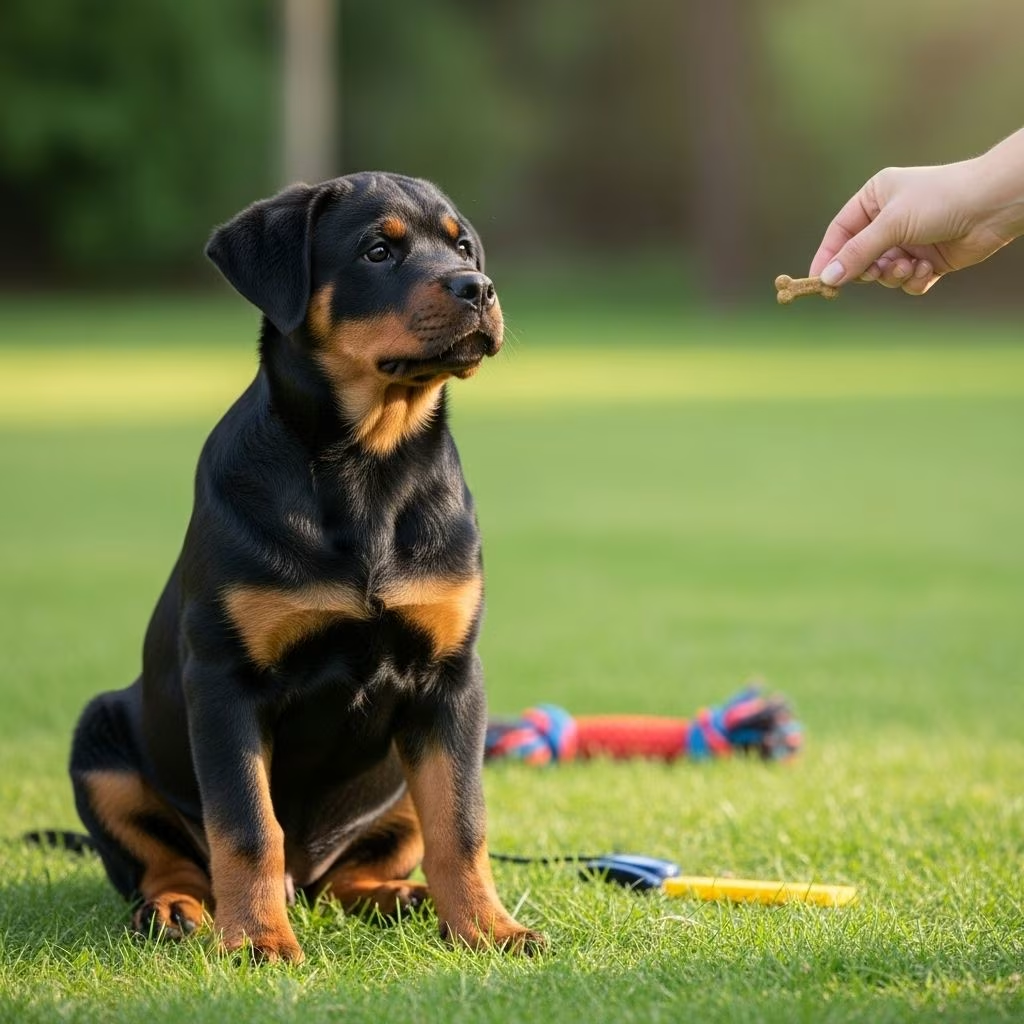
Sit: This is typically the easiest command for puppies to learn and serves as a foundation for impulse control. Hold a treat above your puppy’s nose and slowly move it back over their head. As their head goes up to follow the treat, their bottom will naturally lower to the ground.
Down: Once your puppy masters sit, you can introduce the down position by luring them from a sitting position to lying down with a treat moved from their nose to the ground between their paws.
Stand: This command is useful for grooming and veterinary examinations. From a sitting position, lure your puppy forward with a treat at nose level.
Off: This crucial command helps manage jumping behavior. When your puppy jumps on furniture or people, say ‘Off’ clearly and immediately offer a treat when all four feet are on the floor. If they stay off, provide another treat. If they jump back up, repeat the command and gently guide them off if necessary, then immediately reward. Rottweiler puppies learn this command very quickly when it’s consistently reinforced. This same phrase becomes invaluable when your dog encounters new people and has the natural instinct to jump up on them in excitement.
Additional commands: Roll over, speak, and shake a paw can be introduced as fun tricks that also provide mental stimulation and strengthen your bond.
Establishing Potty Training Foundations
Starting at five to eight weeks, Rottweiler puppies should have a designated area reserved specifically for bathroom needs. If puppies learn to eliminate indiscriminately on blankets, towels, or floors, it will make housebreaking significantly more challenging for the new owner. Consistency is paramount during this critical learning period.
Your primary responsibility is ensuring your puppy has plenty of opportunities to go outside on a regular basis. Puppies have small bladders and limited control, so they need frequent bathroom breaks. Take your puppy out first thing in the morning, after meals, after playtime, after naps, and before bedtime. By eight weeks, your dog should be capable of sleeping overnight in a crate for five to six hours, though individual puppies vary in their development.
When your puppy successfully eliminates in the appropriate location, offer immediate praise and a high-value treat. This positive reinforcement helps them understand that going potty outside results in wonderful rewards. Never punish accidents inside the house, as this can create fear and confusion rather than teaching the desired behavior.
Training Progress: Eight Weeks and Beyond
Once your Rottweiler puppy reaches eight weeks of age, training can become more structured and diverse. This is an exciting time when you can introduce new skills and begin shaping your puppy into the well-mannered companion you envision.
Introducing Leash Walking
There is no specific age requirement for leash training, though eight weeks is an ideal time to start. However, before attempting leash walking, ensure your puppy is comfortable wearing a collar. Put the collar on for short periods initially, allowing your puppy to adjust to the sensation. Once they stop scratching at it or showing irritation, you can attach a leash and begin the introduction process.
Start by simply following your puppy around while they wear the leash, allowing them to get accustomed to the feeling of something trailing behind them. This low-pressure introduction prevents negative associations with the leash. Once your dog appears comfortable, it’s time to reverse roles and encourage them to follow you. Most Rottweiler puppies naturally want to follow their owners, so use this instinct to your advantage. Use an encouraging, happy tone and apply only light pressure on the leash if they stop moving. Lots of encouragement, praise, and treats will make leash walking a positive experience.
Exploring Activities That Rottweilers Excel At
Rottweiler puppies are extraordinarily intelligent and can begin learning almost anything as early as eight weeks, provided they are physically capable of performing the activity. This breed thrives when given jobs to do and mental challenges to solve. Introducing your puppy to various activities not only provides essential mental stimulation but also helps you discover what your Rottweiler might excel at in the future.
Recommended activities for young Rottweilers include:
Small agility obstacles: Tunnels and dog walks are excellent for building confidence and coordination. Keep obstacles low and simple for young puppies.
Herding ducks: Tapping into the Rottweiler’s herding heritage can be incredibly fulfilling for the breed.
Swimming: Many Rottweilers enjoy water activities, which provide excellent low-impact exercise.
Tracking: This engages your puppy’s powerful nose and natural working instincts.
Obedience work: Formal obedience training helps reinforce commands and improve responsiveness.
Scent work: Rottweilers have excellent noses and often excel at scent detection activities.
Barn hunt foundational skills: This activity combines physical exercise with mental challenges.
Important safety note: Because your puppy is still growing and their growth plates remain open, it’s essential to avoid jumping exercises and heavy physical activities like long hikes. These can damage developing joints and bones, potentially causing lifelong problems. Stick to age-appropriate activities that provide mental stimulation without excessive physical strain.
Addressing Unwanted Behaviors Early
Rottweilers possess herding instincts that often manifest as biting pant legs or chasing moving objects. These behaviors are natural expressions of the breed’s working heritage and need to be discouraged, though not harshly punished. The key is addressing these issues early and consistently before they become ingrained habits.
For most nipping and biting behaviors, you can simply ignore the action or gently redirect your puppy’s mouth away from the off-limits object. Avoid making a big production out of these corrections, as excessive attention can actually reinforce the behavior. Instead, calmly and quietly redirect, then immediately praise when your puppy complies.
Managing guarding behavior: If your Rottweiler shows signs of resource guarding, take the item away using the word ‘Out’ and then give it back. This teaches your puppy that relinquishing objects results in positive outcomes rather than permanent loss. Practice this exercise regularly with toys, treats, and food bowls to prevent guarding from developing into a serious problem.
Consistency is absolutely critical when correcting behavioral issues. If you address these problems early and handle them consistently, your puppy likely won’t continue exhibiting them after four months of age. However, if you ignore these behaviors or handle them inconsistently, they can develop into lifelong problems that are much more difficult to resolve in an adult Rottweiler.
Key Milestones: Four Months
By the time your Rottweiler reaches four months of age, several important training milestones should be achieved or underway. This is a critical period for socialization with other dogs and formal training opportunities.
Socializing with Other Dogs
Once your dog is fully vaccinated, you can safely introduce your Rottweiler to other pets. Proper dog-to-dog socialization is crucial for developing appropriate canine social skills and preventing fear or aggression toward other animals. However, these interactions must be carefully supervised to ensure positive experiences.
When meeting other dogs, always supervise closely and ensure there is no bullying occurring. Watch for appropriate dog-to-dog behavior, including play bows, turn-taking during play, and respectful space-giving. If interactions become too rough or one-sided, intervene calmly and redirect to more appropriate activities. Your goal is to create positive associations with other dogs while teaching your Rottweiler proper social etiquette.
Enrolling in Obedience Classes
Because Rottweiler puppies should be fully vaccinated before being exposed to other puppies in a class environment, it’s best to wait until your dog is approximately 16 weeks old before enrolling in group obedience classes. These classes provide invaluable opportunities for socialization, professional guidance, and structured learning in a controlled environment.
If you want to begin expert training earlier, several safe alternatives exist. You can hire a private trainer to work with you and your puppy one-on-one in your home. You can also seek advice from your breeder, who should be an excellent resource for breed-specific training guidance. Virtual training classes have become increasingly popular and effective, allowing you to access professional instruction while maintaining safety. Choose the option that best fits your schedule, budget, and training goals.
Essential Training Principles for Success
Beyond specific training goals and timelines, certain fundamental principles apply to all successful Rottweiler training programs. Understanding and implementing these concepts will dramatically improve your training outcomes.
Use High-Value Treats
The quality of your training treats matters significantly. You will be amazed at how much harder your Rottweiler will work for a tiny piece of chicken breast, cheese, or liver compared to even premium store-bought treats. Standard treats may work adequately in distraction-free settings, but when the training environment becomes more challenging, you need to bring out the truly irresistible rewards. Training treats should be soft so you don’t have to wait for your dog to chew before continuing the lesson, keeping the training flow smooth and efficient.
Catch Your Dog Being Good
It’s remarkably easy to get caught up in correcting mistakes when your puppy is getting into trouble, but randomly rewarding your Rottweiler for good behavior lets them know they’re making the right choices. If you notice your puppy lying quietly instead of chewing furniture, reward that calm behavior. When your puppy chooses to play with their own toys rather than your shoes, praise and treat. This proactive approach to training is much more effective than only focusing on corrections.
Timing Is Everything
Being quick with treats and praise is absolutely essential for effective training. If the reward comes more than a few seconds after your puppy has performed the desired behavior, they have no idea what earned them the treat. You may inadvertently reward the wrong behavior entirely. Your Rottweiler is happy to take the treat regardless, but you’ve failed to reinforce what you were actually teaching. Practice your timing to ensure rewards follow immediately after correct responses.
Always Be Happy When Your Dog Comes to You
A common owner complaint involves dogs that don’t come when called. One major reason for this problem is owners who inadvertently punish their dogs for coming. Never correct, scold, or punish your Rottweiler when they come to you, no matter what they did beforehand. If your puppy chewed your favorite shoes and then comes when called, reward them for coming. Call your dog using a happy, playful tone and provide big rewards when they reach you, whether that’s treats, a favorite toy, or enthusiastic praise. This ensures your Rottweiler always associates coming to you with positive outcomes.
Maintain a Positive Attitude
If you’re feeling upset, frustrated, or angry during training, your Rottweiler knows it. Dogs are incredibly perceptive of human emotions and will respond to your emotional state. Training while stressed or angry will only create negative associations and slow learning progress. If you find yourself becoming frustrated, end the training session on a positive note with a command your dog knows well, then take a break. Return to training when you can approach it with patience and enthusiasm.
Provide Adequate Exercise and Mental Stimulation
Boring Rottweilers get into trouble. This intelligent, working breed needs both physical exercise and mental challenges to thrive. For young puppies, mental stimulation through training, puzzle toys, and new experiences is just as tiring as physical exercise and is actually safer for their growing bodies. Ensure your Rottweiler receives age-appropriate activity levels to prevent destructive behaviors born of boredom and excess energy.
Understanding Your Rottweiler’s Nature
Remember that you’re raising a dog, not a small human. It’s their ‘doggyness’ rather than their similarity to humans that makes them so lovable and unique. Dogs don’t think like humans do. They do not plot acts of revenge or manipulate situations intentionally. They are simply trying to do what makes them feel happy, safe, and comfortable. Understanding this fundamental truth helps you train more effectively and build a stronger relationship with your Rottweiler.
Dogs consistently do the things that we reinforce, whether intentionally or accidentally. Those behaviors you don’t appreciate often exist because owners inadvertently reinforce them. Owners unknowingly reinforce all kinds of undesirable behaviors, from excessive barking at the doorbell to counter surfing for food. If you keep leaving food within reach on the counter, your Rottweiler learns that checking the counter is worth the effort. Be mindful of what you’re actually reinforcing through your actions and responses.
Recognizing Your Puppy’s Developmental Stage
Understanding that a puppy is an infant dog rather than a miniature adult is crucial for setting appropriate expectations. Adjust your training goals and methods according to your Rottweiler’s physical and mental limitations at each stage of development. What seems like stubbornness or disobedience may actually be your puppy’s inability to perform a task they’re not yet developmentally ready for. Be patient, consistent, and realistic in your expectations.
Long-Term Training Success
Training your Rottweiler is not a short-term project with a definite endpoint. Rather, it’s an ongoing process that continues throughout your dog’s life. The foundations you establish during puppyhood will shape your Rottweiler’s behavior for years to come, but continued reinforcement, mental stimulation, and learning opportunities should remain part of your routine even after your dog reaches maturity.
Consider pursuing advanced training opportunities as your Rottweiler matures, such as the American Kennel Club’s Canine Good Citizen program. This certification demonstrates that your dog possesses good manners and can be trusted in public settings. Other options include competitive obedience, rally, protection sports, therapy dog certification, or any of the many dog sports where Rottweilers excel.
Frequently Asked Questions About Rottweiler Training
Q: At what age should I start training my Rottweiler puppy?
A: Training actually begins before you bring your puppy home, with the breeder providing early socialization starting at birth. Once your puppy arrives home at eight weeks, you should immediately begin basic training including commands, potty training, and leash introduction. The earlier you start, the better, as Rottweilers are highly intelligent and capable of learning from a very young age.
Q: How long should training sessions be for a Rottweiler puppy?
A: Keep training sessions short for young puppies, approximately five minutes per session. Rottweiler puppies have short attention spans despite their intelligence. Multiple short sessions throughout the day are more effective than one long session. As your puppy matures, you can gradually extend session length.
Q: Are Rottweilers difficult to train?
A: No, Rottweilers are actually highly intelligent and eager to please, making them relatively easy to train when proper methods are used. They respond exceptionally well to positive reinforcement and consistent discipline. The key is starting early, being consistent, and using firm but fair training methods without roughness.
Q: How do I stop my Rottweiler puppy from biting and nipping?
A: Biting and nipping are natural behaviors for Rottweilers due to their herding instincts. Address these early by calmly redirecting your puppy’s mouth away from inappropriate targets. Avoid making a big deal out of the behavior. With consistent correction, most puppies stop these behaviors by four months of age. If ignored, they can become lifelong problems.
Q: When can my Rottweiler puppy start socializing with other dogs?
A: Wait until your Rottweiler is fully vaccinated, typically around four months (16 weeks), before exposing them to other dogs in public settings or group classes. However, you can arrange controlled socialization with known, vaccinated dogs earlier. Always supervise interactions to ensure appropriate behavior and prevent bullying.
Q: What activities are best for young Rottweiler puppies?
A: Young Rottweilers can begin exploring various activities as early as eight weeks, including small agility obstacles, swimming, tracking, scent work, and basic obedience. Avoid jumping and heavy exercise like long hikes until growth plates close. Focus on activities that provide mental stimulation without excessive physical strain on growing joints.
Q: Should I use punishment when training my Rottweiler?
A: No, avoid punishment-based training methods. Rottweilers respond best to positive reinforcement, where desired behaviors are rewarded with treats, praise, and play. Discipline should be consistent, fair, and firm without being rough. Roughhousing may encourage aggression. Never punish your dog for coming when called, regardless of what they did before.
Q: When should I enroll my Rottweiler in obedience classes?
A: Wait until your Rottweiler is fully vaccinated at approximately 16 weeks before enrolling in group obedience classes. If you want professional guidance earlier, consider private training, breeder consultations, or virtual classes as safe alternatives that don’t expose your puppy to potential health risks.
References
- https://www.akc.org/expert-advice/dog-breeds/how-to-train-a-rottweiler-training-your-rottie-puppy/
- https://www.akc.org/dog-breeds/rottweiler/
- https://www.akc.org/expert-advice/training/
- https://www.youtube.com/watch?v=yYMClJtudSw
- https://www.akc.org/expert-advice/training/12-useful-dog-training-tips/