Jagdterrier Breed Origins and History
The Jagdterrier, also known as the German Hunting Terrier, is a fearless and robust working terrier developed in Germany in the late 1800s to early 1900s. It was bred primarily for hunting quarry both above and underground, including foxes, badgers, wild boar, and smaller game.
The breed’s foundation included crosses of Old German Fox Terriers, English Fox Terriers, Welsh Terriers, and other working Fox Terriers, with the goal of producing a game, vocal, and courageous hunting dog. Over decades, selective breeding focused on hunting ability, endurance, and a strong prey drive, resulting in the versatile, efficient, and intelligent Jagdterrier we know today.
Jagdterrier Physical Traits and Appearance
Jagdterriers are compact, muscular dogs, exhibiting strength and agility well beyond their modest size. Their typical appearance features:
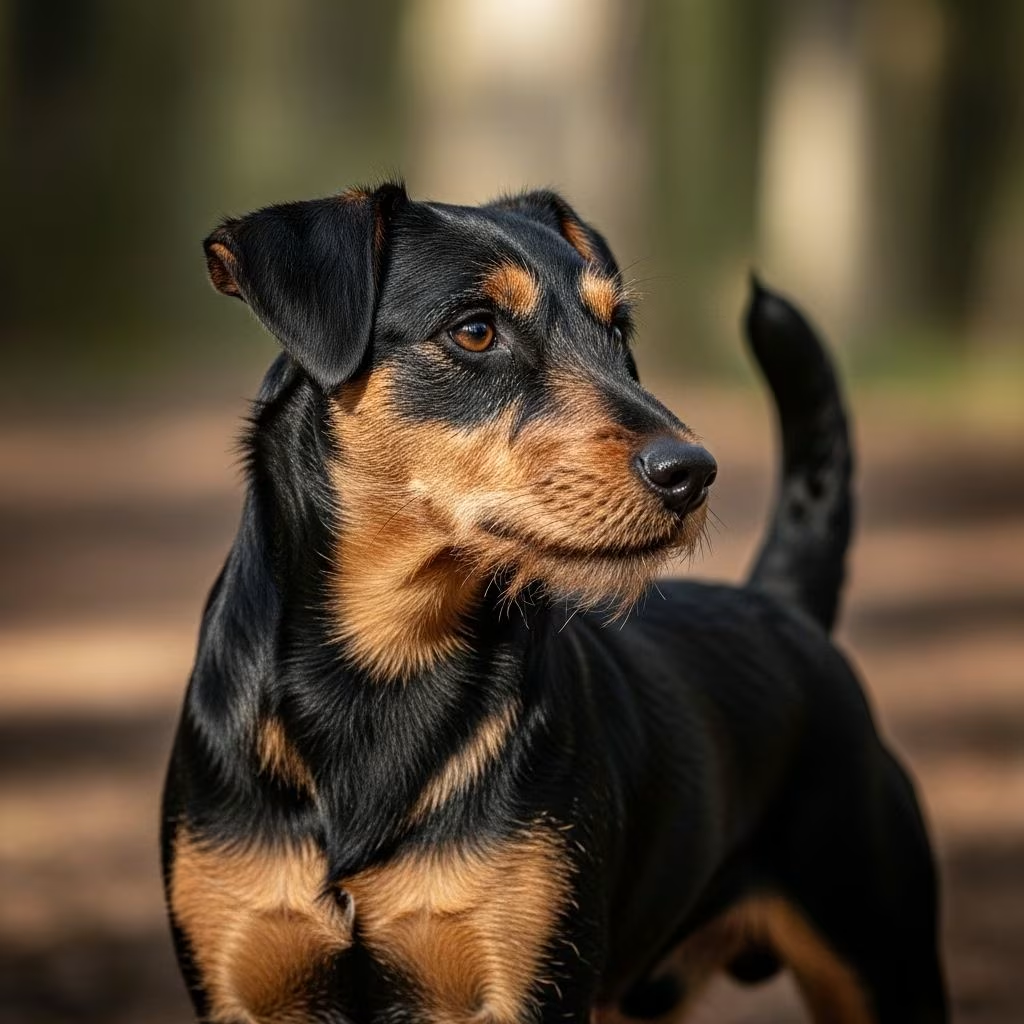
- Black and tan or chocolate brown coat, sometimes with gray, often with tan markings on the muzzle, chest, legs, and beneath the tail. White markings are possible but rare; pure black or brown-and-tan/rust are preferred in breeding.
- Dense, coarse, weather-resistant coat that may be smooth, broken, or wiry. All types shed moderately.
- Height at the shoulder: 13–16 inches (33–40 cm).
- Weight: 17–22 pounds (males typically 20–22 lbs, females 17–19 lbs).
- Wedge-shaped, elongated head with powerful jaws, expressive, deep-set eyes, and V-shaped drop ears. The tail is usually docked to two-thirds of its natural length.
Their square, athletic build makes them well-suited for dense underbrush and challenging terrain.
Temperament and Personality
Jagdterriers are renowned for their courage, intelligence, and relentless drive. Bred for hunting, they are tenacious, energetic, and highly motivated. While intensely loyal to their family, they can be reserved or wary with strangers and require early socialization for optimal behavior.
Key temperament traits include:
- Courageous and Fearless: Willing to confront much larger game, they exhibit remarkable bravery and determination in the field.
- Energetic and Playful: High energy levels demand regular mental and physical activity; this is not an apartment dog or a breed for sedentary lifestyles.
- Social and Loyal: Jagdterriers are affectionate with their human family and can be social with children and other pets if properly socialized.
- Intelligent and Trainable: Quick learners, they respond well to consistent, positive training methods but can be stubborn and independent.
- High Prey Drive: Their hunting instincts are strong; recall and supervision are essential outdoors.
Training and Exercise Requirements
Training a Jagdterrier requires patience, consistency, and early socialization. Due to their independent nature, positive reinforcement is most effective.
- Begin socialization and obedience training as a puppy to encourage adaptability and confidence.
- Provide daily vigorous exercise: long walks, hikes, runs, or participation in dog sports such as agility or tracking. Off-leash play should be in secure, fenced areas only.
- Engage their minds with puzzle toys, scent games, and interactive play to prevent boredom and destructive behavior.
With adequate stimulation, Jagdterriers are well-mannered, loyal companions.
Care and Grooming
Jagdterriers are relatively low-maintenance in grooming but require regular attention to keep them in top condition:
- Brush weekly to remove dead hair and maintain coat health.
- Bathe only as needed, using mild shampoo to preserve natural oils.
- Check and clean ears regularly to prevent infections, especially after outdoor activities.
- Trim nails monthly and brush teeth several times a week for overall health.
Nutritional Needs
Feed a high-quality, age-appropriate diet suitable for active, small to medium breeds. Monitor portions to prevent obesity, especially if not used for hunting.
Health Overview and Lifespan
Jagdterriers are generally healthy, hardy dogs with a lifespan of 10–12 years. However, like all breeds, they may be prone to certain health issues, including:
- Joint problems such as luxating patella (knee dislocation).
- Hip dysplasia, though not as common as in larger breeds.
- Eye conditions like glaucoma or cataracts.
- Allergies and skin issues; regular grooming helps catch early signs.
Routine veterinary check-ups, vaccinations, and parasite prevention are essential. Responsible breeders screen for hereditary conditions.
Jagdterriers in Hunting and Sports
The Jagdterrier’s primary role remains that of a working hunting dog. Their skills include:
- Tracking: Following scent trails and locating prey.
- Flushing and Bolting: Driving game from cover, often in dense underbrush.
- Treeing: Forcing quarry up trees for hunters.
- Blood Tracking: Trailing wounded game.
Today, Jagdterriers compete in various dog sports, including earthdog trials, tracking, and agility, excelling due to their intelligence and work ethic.
Jagdterriers as Family Pets
While bred as hunters, Jagdterriers have gained popularity as active family companions. They thrive in households that offer:
- Plenty of daily exercise and outdoor adventures.
- Firm, consistent leadership and training.
- Engagement in stimulating activities to satisfy their mental and physical needs.
They do best with experienced owners familiar with terrier temperament and energy. Early socialization is key to a well-rounded, family-friendly dog.
Living Conditions
Jagdterriers are not well-suited to apartment life due to their high energy and tendency to be vocal. They need:
- A securely fenced yard for safe play and exercise.
- Access to outdoor activities—hiking, hunting, or running.
- Mental stimulation to prevent boredom and the development of problem behaviors (digging, barking, chewing).
Jagdterrier vs. Other Terrier Breeds
| Breed | Size | Temperament | Prey Drive | Typical Use | Ease of Training |
|---|---|---|---|---|---|
| Jagdterrier | Small–Medium | Fearless, loyal, energetic | Very high | Hunting, family (active) | Intelligent but stubborn |
| Jack Russell Terrier | Small | Lively, clever, bold | High | Hunting, agility, family | Trainable, energetic |
| Patterdale Terrier | Small | Fearless, tough, hardy | High | Hunting, ratting | Trainable, independent |
Frequently Asked Questions (FAQs)
Q: Are Jagdterriers good with children?
A: When raised with children and properly socialized, Jagdterriers can be affectionate and playful. Their high energy may be overwhelming for very young children; supervision is recommended.
Q: How much exercise does a Jagdterrier need?
A: Jagdterriers require at least 60–90 minutes of vigorous exercise daily. They thrive on activities like running, hiking, hunting, and dog sports.
Q: Are Jagdterriers easy to train?
A: They are intelligent and respond well to consistent, positive training, but their independent streak means they need a firm, patient handler.
Q: Do Jagdterriers get along with other pets?
A: Early socialization is key. Their high prey drive may make them unsuitable for homes with small non-canine pets, but with proper training, they can coexist with dogs and, sometimes, cats.
Q: What health problems affect Jagdterriers?
A: They are generally healthy but can be prone to joint issues, eye conditions, and allergies. Regular vet check-ups are important.
Summary
The Jagdterrier is a dynamic, courageous, and loyal hunting breed with strong instincts and a need for active engagement. Best suited to experienced owners and active families, this breed delivers remarkable companionship when their physical and mental needs are met. Whether as a hunter or a lively family pet, the Jagdterrier excels with the right care, training, and environment.
References
- https://www.akc.org/dog-breeds/jagdterrier/pictures/
- https://www.petmd.com/dog/breeds/jagdterrier
- https://en.wikipedia.org/wiki/Jagdterrier
- https://www.ukcdogs.com/jagdterrier
- https://dogacademy.org/breeds/jagdterrier
- https://www.dogbreedinfo.com/germanhuntterrier.htm
- https://www.youtube.com/watch?v=iU2VUqK-eI8