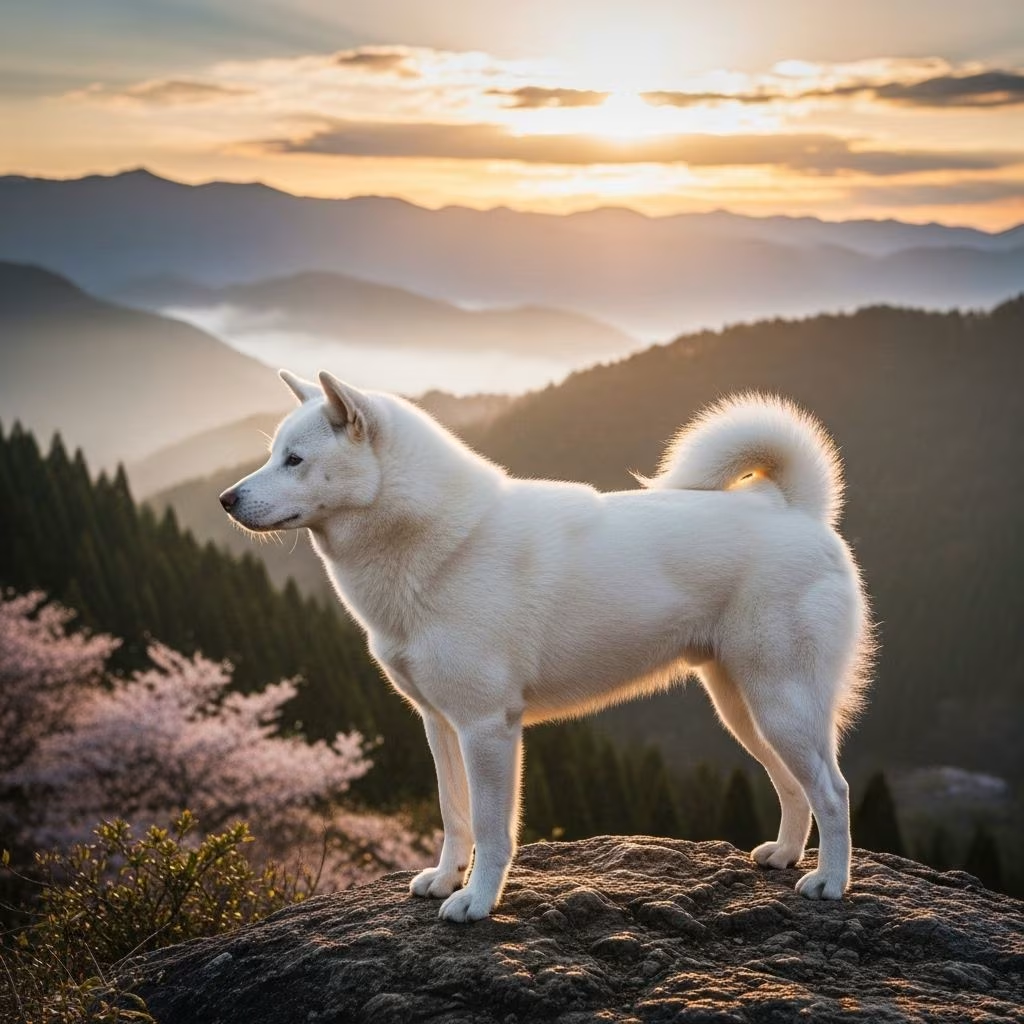
The Kishu Ken stands as one of Japan’s most treasured native dog breeds, embodying centuries of careful breeding and cultural significance. This medium-sized hunting dog, originating from the mountainous Kishu region of Japan, has captured the hearts of dog enthusiasts worldwide with its distinctive appearance, unwavering loyalty, and remarkable hunting abilities. Designated as a national natural monument in Japan in 1934, the Kishu Ken represents a living piece of Japanese heritage, combining noble dignity with practical working dog capabilities.
These exceptional dogs were historically prized for their ability to hunt wild boar and deer in the rugged terrain of the Kii Peninsula, particularly in areas like Kumano and Nachiurago. The traditional hunting style with Kishu Ken, known as “ichi-juu, ikku” (one gun, one dog), demonstrates the breed’s independence and reliability. Today, while fewer people engage in traditional hunting, the Kishu Ken has successfully transitioned to being a devoted family companion while retaining all the characteristics that made it such an effective working dog.
Physical Characteristics and Appearance
The Kishu Ken presents a striking and well-balanced appearance that immediately commands attention. Standing between 17 to 22 inches at the shoulder and weighing approximately 30 to 60 pounds, this medium-sized breed possesses a compact, muscular build that speaks to its endurance and athleticism. Males display distinctly masculine features, while females maintain a more refined, feminine appearance, though both sexes exude strength and capability.
One of the most distinctive features of the Kishu Ken is its coat coloring. The breed standard, established in 1934, permits only solid colors: white, red, or sesame. White has become the most common and preferred color, a practical choice that originated from hunting traditions—the white coat made it easier for hunters to distinguish their dogs from prey in the forest, preventing tragic accidents. The nose is typically black, though flesh-colored noses are permitted in white-coated dogs.
The Kishu Ken’s double coat provides excellent protection against the elements. The undercoat is soft and dense, providing insulation, while the outer coat consists of coarse, straight hair that sheds water and debris. The hair on the cheeks and tail grows longer than on other parts of the body, creating a distinctive fringe that adds to the breed’s elegant appearance. This coat requires regular maintenance, particularly during seasonal shedding periods.
Perhaps the most unique physical trait of the Kishu Ken is its eye shape, often described as “hamaguri” or clam-shaped. Unlike other Japanese breeds that have scalene triangle-shaped eyes, the Kishu Ken’s eyes feature a slight outward arc from the inner vertical line, creating a distinctive appearance not found in other Nihon Ken breeds. These fairly small, nearly triangular eyes are set well apart and are dark in color, contributing to the breed’s alert and intelligent expression.
The ears are small, triangular, firmly pricked, and inclined slightly forward, maintaining proportion with the head and overall dog size. The tail is either carried in a sickle shape or curled over the back, another characteristic shared with many Japanese spitz-type breeds. The overall impression is one of a dog built for endurance, agility, and purpose—a true working dog capable of navigating challenging terrain while maintaining grace and dignity.
Temperament and Personality Traits
The Kishu Ken possesses a temperament that beautifully balances nobility with practicality, making it both a capable working dog and a devoted companion. This breed is characterized by its remarkable loyalty, docility, and alertness—qualities that have been carefully preserved through generations of selective breeding. While they may appear calm and peaceful in daily life, their inner fighting spirit and determination are immeasurable, making them formidable when the situation demands.
One of the defining characteristics of the Kishu Ken is its tendency to form an exceptionally strong bond with one particular person in the family, though a properly socialized dog will be affectionate with all family members. This devoted nature makes them excellent companions for those willing to invest time in building a relationship with their dog. They are courageous and brave, traits that served them well as hunting dogs and now make them excellent watchdogs who are extremely alert to their surroundings.
The breed’s intelligence is notable, making them capable learners who can master complex commands and tasks. However, this intelligence comes paired with a strong-willed and headstrong nature that requires consistent, patient training from an experienced handler. Kishu Kens are not recommended for first-time dog owners, as their independent streak and determination can be challenging for those unfamiliar with working breeds. Early socialization and training are absolutely essential to ensure they develop into well-adjusted, obedient companions.
Around strangers, Kishu Kens typically range from aloof to shy, never displaying the immediate friendliness seen in some other breeds. They need time to assess new people and situations before warming up, and their powerful reactions to things deemed suspicious serve as an effective deterrent to potential threats. This natural wariness makes them excellent guard dogs who will alert their families to anything unusual in their environment.
With children, Kishu Kens can be good companions when raised together and properly socialized. Their patient and loyal nature makes them suitable for families, though supervision is always recommended due to their size and strength. They generally get along well with children who respect their boundaries and understand how to interact appropriately with dogs.
The breed’s strong prey drive represents one of the most significant considerations for potential owners. Developed over centuries of hunting wild boar and deer, this instinct remains powerful in modern Kishu Kens. They may be unpredictable around other dogs and can be aggressive toward smaller animals, viewing them as prey rather than companions. While some individuals have been known to coexist peacefully with cats if raised with them from puppyhood, this is the exception rather than the rule. When frustrated or when other dogs fail to respect their boundaries, Kishu Kens may become combative, requiring careful management in multi-dog households.
Exercise and Activity Requirements
As an active hunting breed, the Kishu Ken requires substantial daily exercise to maintain both physical health and mental well-being. These dogs were developed to traverse mountainous terrain for hours while hunting, and this stamina and energy level persist in modern representatives of the breed. Prospective owners must be prepared to provide at least 60 to 90 minutes of vigorous exercise daily, making the Kishu Ken an ideal companion for active individuals or families.
The Kishu Ken thrives on activities that engage both body and mind. Long hikes, jogging, and interactive play sessions are all excellent ways to meet their exercise needs. They particularly enjoy activities that tap into their natural hunting instincts, such as tracking games, scent work, or agility training. Without adequate physical and mental stimulation, Kishu Kens may develop behavioral problems, including destructiveness, excessive barking, or attempts to escape in search of adventure.
These dogs also appreciate having a job or purpose. Whether it’s learning new tricks, participating in dog sports, or engaging in training sessions, Kishu Kens benefit from activities that challenge their intelligent minds. They have a natural tendency to seek out high places from which to observe their surroundings, a behavior that reflects their watchful nature and desire to keep track of everything happening in their territory.
Training and Socialization Needs
Training a Kishu Ken requires patience, consistency, and experience with working dog breeds. While their intelligence makes them capable of learning quickly, their independent and strong-willed nature means they won’t simply follow commands without understanding the purpose behind them. Positive reinforcement methods work best with this breed, as harsh corrections can damage the trust between dog and handler.
Early socialization is absolutely critical for Kishu Kens. Puppies should be exposed to a wide variety of people, places, sounds, and situations during their critical socialization period (roughly 3 to 14 weeks of age). This early exposure helps them develop into confident, well-adjusted adults who can handle new experiences without excessive fear or aggression. Without proper socialization, Kishu Kens may become overly wary of strangers or reactive in unfamiliar situations.
House training is typically straightforward with Kishu Kens, as they are naturally clean dogs who quickly learn appropriate bathroom habits. However, training them to reliably recall off-leash can be challenging due to their strong prey drive. Many Kishu Ken owners choose to keep their dogs on leash or in securely fenced areas to prevent them from chasing wildlife or other animals.
Health and Care Considerations
The Kishu Ken is generally a healthy and robust breed, benefiting from centuries of natural selection in challenging mountain environments. With proper care, these dogs typically live between 11 to 13 years. However, like all breeds, they can be prone to certain health conditions that potential owners should be aware of.
Hip dysplasia, a genetic condition affecting the hip joint, can occur in Kishu Kens. Responsible breeders screen their breeding stock for this condition to minimize its occurrence. Regular veterinary check-ups, maintaining a healthy weight, and providing appropriate exercise can help manage or prevent joint problems.
Hypothyroidism, a condition where the thyroid gland doesn’t produce enough hormones, has been reported in the breed. Symptoms can include weight gain, lethargy, and skin problems. Fortunately, this condition is manageable with medication once diagnosed.
Eye problems, including progressive retinal atrophy and cataracts, may occur in some lines. Regular eye examinations by a veterinary ophthalmologist can help detect these conditions early.
Grooming and Maintenance
Despite their thick double coat, Kishu Kens are relatively low-maintenance in terms of grooming compared to many other breeds. Regular brushing, approximately two to three times per week, helps remove loose hair and distributes natural oils throughout the coat, keeping it healthy and lustrous. During seasonal shedding periods, which typically occur twice yearly, daily brushing may be necessary to manage the increased hair loss.
Bathing should be done as needed, typically every few months or when the dog becomes dirty. The Kishu Ken’s coat has natural water-resistant properties that help keep the dog clean, and over-bathing can strip these protective oils. When bathing is necessary, use a high-quality dog shampoo and ensure thorough rinsing to prevent skin irritation.
Regular nail trimming is essential, as overly long nails can cause discomfort and affect the dog’s gait. Teeth should be brushed several times weekly to prevent dental disease and maintain overall health. Ears should be checked regularly for signs of infection or excessive wax buildup, though the upright ear structure helps promote air circulation and reduces infection risk.
Living Environment and Adaptability
While Kishu Kens can adapt to various living situations, they do best in homes with securely fenced yards where they can patrol their territory and engage in regular exercise. Their strong prey drive and tendency to chase makes it unsafe to allow them off-leash in unfenced areas. The fence should be at least six feet tall, as these athletic dogs are capable jumpers when motivated.
Apartment living is possible for Kishu Kens, but only if their owners are committed to providing sufficient daily exercise and mental stimulation. Without adequate activity, these energetic dogs will become restless and may develop problematic behaviors. They are relatively quiet dogs that don’t bark excessively without reason, though they will alert their owners to unusual sounds or situations.
The breed’s double coat makes them adaptable to various climates, though they’re more comfortable in moderate to cool temperatures. In hot weather, exercise should be scheduled during cooler parts of the day, and access to shade and fresh water must always be available.
Nutrition and Feeding Guidelines
Kishu Kens require high-quality dog food appropriate for their age, size, and activity level. As an active breed, they benefit from a diet rich in protein to support their muscular build and energy needs. The specific amount of food will vary based on the individual dog’s metabolism, activity level, and age, but most adult Kishu Kens do well on two meals per day totaling approximately 2 to 3 cups of dry food.
Maintaining an appropriate weight is crucial for joint health and overall well-being. Owners should be able to feel but not prominently see the dog’s ribs, and there should be a visible waist when viewed from above. Regular weigh-ins and adjustments to food portions help prevent obesity, which can exacerbate joint problems and reduce lifespan.
Treats should be given in moderation and accounted for in the dog’s daily caloric intake. Many Kishu Ken owners use portions of their dog’s regular kibble as training treats, which helps prevent overfeeding while still providing motivation during training sessions.
The Kishu Ken as a Family Companion
For the right family, a Kishu Ken can be an incredibly rewarding companion. These dogs offer unwavering loyalty, impressive intelligence, and a dignified presence that makes them stand out from more common breeds. They form deep bonds with their families and can be quite affectionate with those they trust, though they express their affection in more reserved ways than some breeds.
The ideal Kishu Ken owner is active, experienced with dogs, and committed to providing consistent training and socialization. They should have the time and energy to meet the breed’s exercise needs and the patience to work with a strong-willed, independent dog. Those who appreciate the breed’s hunting heritage and respect their natural instincts will find the Kishu Ken to be a fascinating and fulfilling companion.
However, this breed is not suitable for everyone. First-time dog owners may find the Kishu Ken’s independent nature and training requirements overwhelming. Families with small pets should carefully consider whether they can safely manage the breed’s prey drive. Those seeking an immediately friendly dog who welcomes all strangers will be disappointed by the Kishu Ken’s natural reserve.
Frequently Asked Questions
Q: Are Kishu Kens good with other dogs?
A: Kishu Kens can coexist with other dogs if properly socialized from puppyhood, but they may become combative with dogs who don’t respect their boundaries or when frustrated. Careful management and supervision are recommended in multi-dog households.
Q: How much does a Kishu Ken shed?
A: Kishu Kens have a double coat that sheds moderately year-round and heavily during seasonal shedding periods, typically twice per year. Regular brushing helps manage shedding and keeps the coat healthy.
Q: Can Kishu Kens live in apartments?
A: While possible, apartment living for a Kishu Ken requires significant commitment to daily exercise and mental stimulation. They’re better suited to homes with securely fenced yards where they can move freely.
Q: Are Kishu Kens rare?
A: Yes, Kishu Kens are relatively rare, especially outside of Japan. They are designated as a national natural monument in Japan and are carefully bred to preserve the breed’s characteristics.
Q: What is the prey drive like in Kishu Kens?
A: Kishu Kens have a very strong prey drive due to their hunting heritage. They may chase small animals and should not be trusted off-leash in unfenced areas. Coexistence with cats or small pets is possible but requires early socialization and careful management.
Q: Do Kishu Kens make good guard dogs?
A: Yes, Kishu Kens are naturally alert and protective of their territory and family. They are wary of strangers and will alert their owners to unusual sounds or situations, making them effective watchdogs.
Q: How much exercise does a Kishu Ken need daily?
A: Kishu Kens require at least 60 to 90 minutes of vigorous exercise daily, including walks, runs, hikes, or interactive play sessions. They also benefit from mental stimulation through training and puzzle-solving activities.
The Kishu Ken represents a unique opportunity to own a piece of Japanese cultural heritage—a breed that has remained relatively unchanged for centuries while serving faithfully as both hunter and companion. Their combination of nobility, intelligence, and devotion makes them exceptional dogs for those who can meet their needs and appreciate their distinctive character. While they require experienced ownership and dedicated care, the rewards of sharing life with a Kishu Ken are immeasurable for those who understand and respect this remarkable breed.
References
- https://www.akc.org/dog-breeds/kishu-ken/
- https://www.wisdompanel.com/en-us/dog-breeds/kishu-ken
- https://www.petmd.com/dog/breeds/kishu-ken
- https://en.wikipedia.org/wiki/Kishu
- https://www.nihonken-hozonkai.or.jp/en/kishuken/
- https://boomlayshibas.com/about-kishu-ken/
- https://www.ukcdogs.com/kishu
- https://alaskadogworks.com/kishu-ken-the-loyal-and-elegant-japanese-hunting-dog/
- https://dogtime.com/dog-breeds/kishu-ken