Marble Bengal Cat: A Complete Guide
Bengal cats enchant cat lovers worldwide with their wild, exotic appearance, lively personalities, and remarkable intelligence. Among Bengal varieties, the marble Bengal cat stands out for its dramatic, swirling coat pattern that mimics marble stone—making each individual truly one-of-a-kind. This comprehensive guide dives deep into everything you need to know about the marble Bengal: from appearance and genetics, to personality, care, and frequently asked questions.
Marble Bengal Cat: Breed Overview
| Origin | United States (1960s, first bred from Asian Leopard Cat and domestic breeds) |
|---|---|
| Coat Pattern | Marbled (swirling, horizontal, and often glittered) |
| Size | Medium to large (6–15 lbs; males larger) |
| Energy Level | High |
| Affection | High, loyal |
| Intelligence | Very high |
| Lifespan | 12–16 years |
| Other Names | Marbled Bengal |
Appearance & The Stunning Marble Pattern
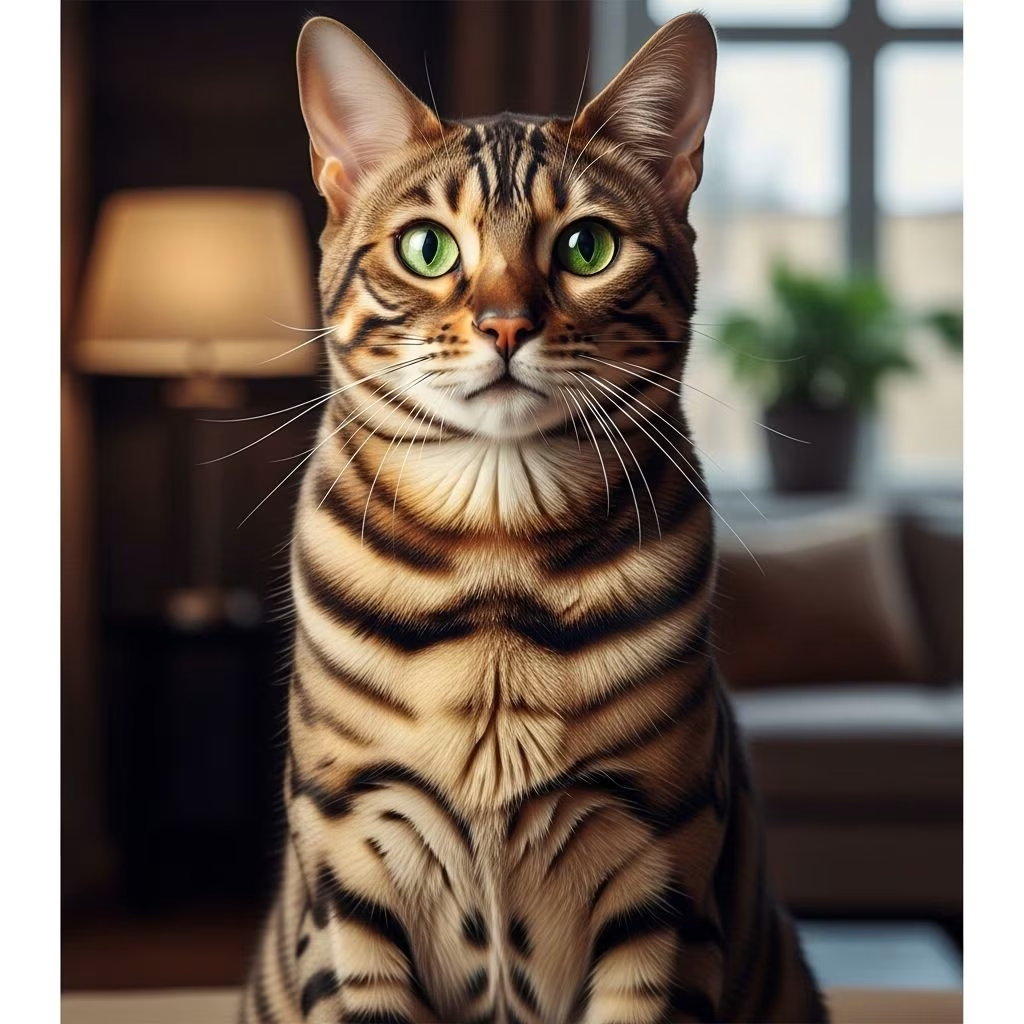
The marble Bengal cat’s most striking feature is its curvaceous, swirling coat pattern. Unlike the more common spotted or rosetted Bengals, marbles exhibit flowing, randomly arranged markings that blanket the cat’s sides and back in bold, horizontal rolls. No two marble Bengals look the same, as the exact shape, color, and placement of their markings depend on a complex interplay of genetics.
Key Features of the Marble Pattern
- Swirled, horizontal flow—patterns are reminiscent of marble or bullseye, but the best examples show more lateral movement rather than classic tabby circles.
- Black-outlined, brown-rich swirls—with intricate speckles within the brown areas.
- ‘Acreage’—the background coat color is visible between the markings, sometimes more than in spotted Bengals.
- Sheen or “glitter” effect—some marbled Bengals have a unique iridescence, making the coat sparkle in light.
- Undercoat ranges from ivory and golden to a warmer tawny, with marbling in dark brown, black, or charcoal.
Types of Marble Bengals
- Sheeted Marbles: Large, sweeping patterns with minimal background color; indicates closely related spotted cats.
- Classic Marbles: More obvious circular “bullseye” markings, now less desirable for breed standards.
- Modern Marbles: Emphasis on flow and horizontal movement, with broken-up circular patterns producing dramatic, wild looks.
Genetics Behind the Marble Pattern
- Marble is caused by a recessive gene; two carriers are needed to produce a marbled kitten.
- Pattern is genetically distinct from the spotted or rosetted Bengal but arises from the same domestic-wild hybrid ancestry.
- Complexity of pattern means each kitten’s markings are unpredictable and unique.
Personality & Temperament
Marble Bengal cats are celebrated for their intelligence, affection, and playfulness. The blend of wild cat ancestry and decades of selective breeding results in companion animals that are both beautiful and highly interactive.
- Highly intelligent: Marble Bengals learn tricks quickly and thrive on mental stimulation. They often enjoy puzzle toys, interactive play, and can even learn to walk on a leash.
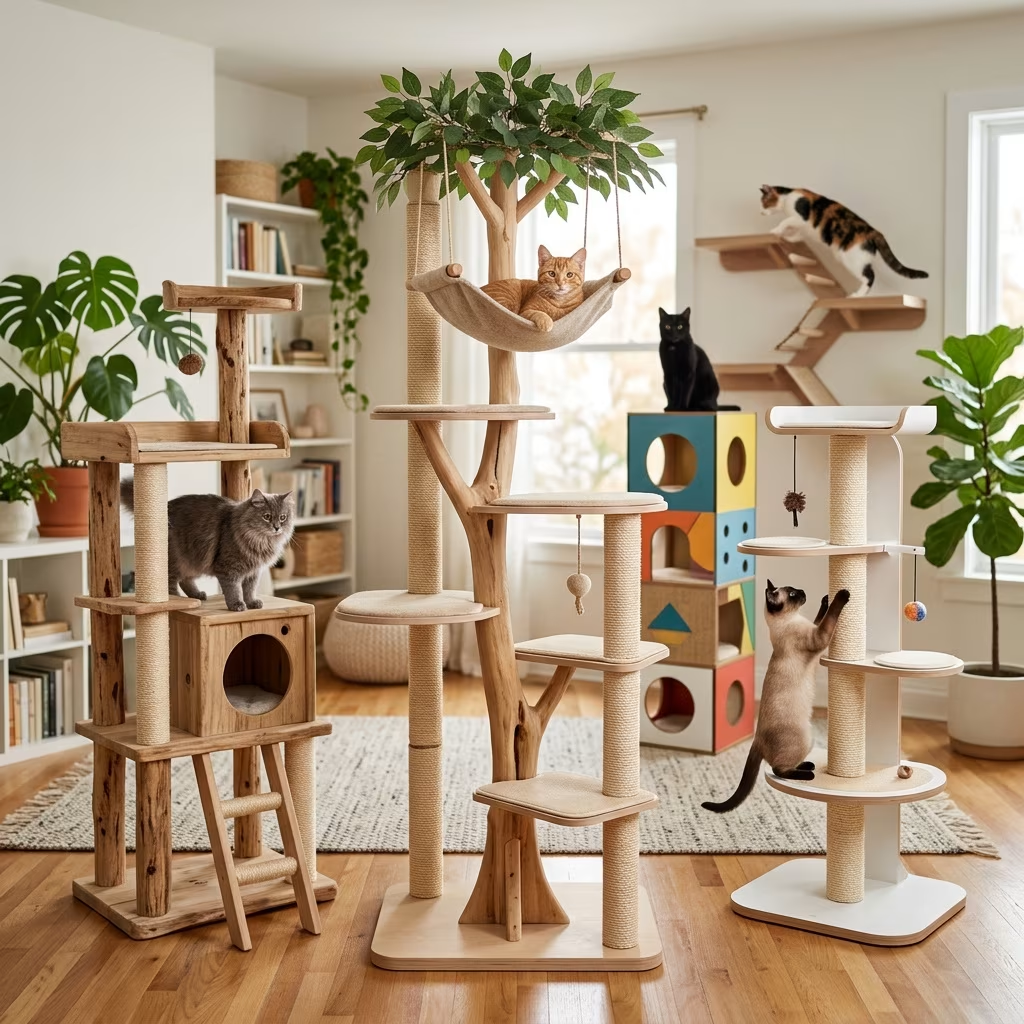
- Energetic and agile: Expect frequent climbing, jumping, and curious exploration. These cats need plenty of space and vertical territory—cat trees and shelves are enthusiastically used.
- Vocal & communicative: Marble Bengals are known for a range of vocalizations, from chirps and meows to yowls, and are not shy about letting you know what they want.
- Affectionate but on their own terms: While loyal and loving, marble Bengals tend to be lap cats only when they choose. They often follow their humans from room to room, wanting to be wherever the action is.
- Sociable: Generally good with dogs and other cats, though their hunting instincts mean smaller pets (like rodents or birds) should be closely protected.
Breed Origins & History
The Bengal breed originated in the 1960s when American breeders crossed the Asian leopard cat (Prionailurus bengalensis) with domestic cats to produce a hybrid with wild looks but companionable temperament. The marble pattern developed soon after, caused by a recessive gene carried by early foundation cats.
By the mid-1980s, Bengals were recognized as a distinct breed, with the International Cat Association (TICA) accepting them into breed registries and shows. Today, all registered Bengals—including marbles—are bred only from other Bengals; no new wild blood is added.
- Exotic ancestry: Adds to bold colors, high intelligence, and a love for water in most Bengals.
- Breed popularity: Bengals are among the top five most popular registered pedigree cats in the UK, and always highly ranked globally.
Care, Health & Grooming Needs
Marble Bengal cats are generally healthy and robust with few breed-specific health concerns, but their energetic nature and intelligence mean they require thoughtful care:
- Diet: A high-protein, grain-free diet is ideal. Bengals are often athletic and do best with food that supports an active lifestyle.
- Exercise: These cats need daily interactive play—at least 30–45 minutes twice daily—and climbing/scratching structures.
- Grooming: Their short, plush coat sheds very little and rarely mats, so weekly brushing is enough.
- Health Checks: Regular veterinary visits are important; some may be prone to certain conditions such as hypertrophic cardiomyopathy, but responsible breeders work to reduce risks.
- Mental stimulation: Provide puzzle feeders, rotate toys, and train new tricks to prevent boredom and destructive behavior.
Living With a Marble Bengal Cat
Bengal cats thrive in active households that can meet their social and physical needs. They are ideal for:
- Families with children (who respect animals)
- Homes with other pets (dogs, other cats)
- Owners seeking a highly interactive companion
Marble Bengals may not be well-suited for:
- People who want a low-activity, sedentary pet
- Households with small animals (birds, rodents) unless strictly separated
- Environments where cats cannot climb or play vigorously
Special Types: Marble Snow Bengal Cats
One of the most visually spectacular variants is the marble snow Bengal. This rare cat combines the marble pattern with a cream or frosty white base—a result of inheriting a color gene from Siamese or Burmese cats used in early Bengal outcrosses. Their markings swirl across a pale backdrop, creating a ghostly, elegant look prized by breeders and collectors.
- “Snow” refers to the pale color; “marble” to the pattern.
- The snow gene is relatively uncommon, and a marble snow Bengal is especially rare and coveted.
Marble Bengal Cats: Pros and Cons at a Glance
| Pros | Cons |
|---|---|
|
|
Frequently Asked Questions (FAQs)
Are marble Bengals more aggressive or wild than other cats?
No. Marble Bengals are fully domesticated, social, and affectionate. Their wild ancestry may show in energetic play and curiosity, but they are not naturally aggressive if well socialized.
What’s the difference between a marble and a spotted/riddled Bengal?
Marble Bengals feature swirling, horizontal patterns, whereas spotted or rosetted Bengals display distinct spots reminiscent of leopards or jaguars. Both patterns are equally recognized by Bengal breed standards.
Do marble Bengal cats shed?
They shed minimally. Their short coats rarely mat and are easy to maintain—a weekly brushing is usually sufficient.
Are marble Bengals hypoallergenic?
No cat is truly hypoallergenic, but many allergy sufferers find Bengals more tolerable due to their pelt-like, low-shedding coat. Sensitivity varies between individuals.
How much do marble Bengal cats cost?
Bengal cats, including marbles, are considered an exotic breed and can range from $1,000 to $3,000 or more, depending on pedigree, appearance, and breeder reputation.
Can they be outdoor cats?
Like most pedigreed cats, it is safest to keep marble Bengals indoors or in secure outdoor enclosures. Their intelligence can lead to mischief or accidental escapes otherwise.
Does the marble pattern change as kittens grow?
Yes, marble Bengal kittens’ patterns can change and develop until about a year of age, becoming more defined and vibrant over time.
Final Thoughts
Marble Bengal cats are an extraordinary choice for those seeking a visually stunning, intelligent, and affectionate companion. Their intricate coat patterns, versatile personalities, and energetic antics ensure they stand out in any home. With proper care, enrichment, and social interaction, marble Bengals reward their families with loyalty and delight for many years.
References
- https://baileyscbd.com/blogs/cat-breeds/exploring-the-coat-patterns-of-marble-bengal-cats
- https://quality-bengal-kittens.com/marble-bengal-cat-pattern
- https://www.chewy.com/education/cat/general/bengal-cat-breed-facts-temperament-and-care-info
- https://www.catster.com/cat-breeds/marble-bengal-cat/
- https://tica.org/breed/bengal/