Mastiff Breeds: An Overview
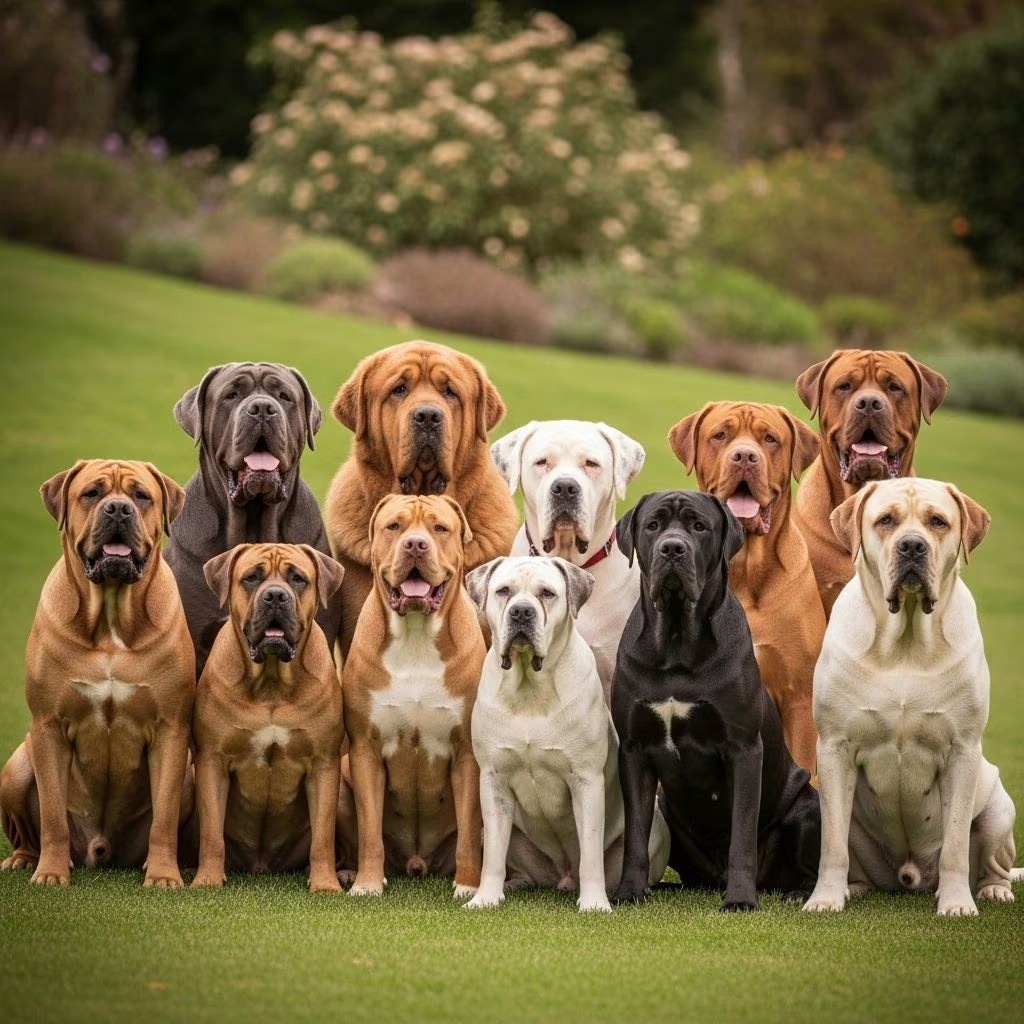
Mastiff breeds are renowned for their gigantic size, protective nature, and fierce loyalty, making them a popular choice for families and those seeking a gentle giant as a companion. While they haven’t reached the top of the canine popularity list, Mastiffs are beloved for their affectionate and loyal personalities.
Types of Mastiff Breeds
Mastiff breeds are diverse, each with unique characteristics and origins. Here are some of the most notable types:
– English Mastiff: Known for being the largest of the Mastiff breeds, English Mastiffs are massive, strong, and courageous yet sweet and dignified. They are often referred to as gentle giants and require thorough training and socialization as puppies.
– Dogue de Bordeaux (French Mastiff): This breed is affectionate and highly intelligent but can be prone to breathing problems due to its brachycephalic nature. They excel as watchdogs while being loving family members.
– Neapolitan Mastiff: With their distinctive wrinkled appearance, Neapolitan Mastiffs are muscular, brave, and strong-willed. They have been used as guard dogs since ancient Rome and are known for their loyal companionship.
– Tibetan Mastiff: Known for their fluffy double coat and lion-like appearance, Tibetan Mastiffs are excellent guard dogs with a territorial nature. They thrive in cold climates due to their thick coats.
– Pyrenean Mastiff: Originally from the Spanish Pyrenees, these dogs have a thick, fluffy coat and are natural guardians. They are gentle with family but may require time to warm up to strangers.
– Spanish Mastiff: Bred to protect livestock, Spanish Mastiffs are large, gentle towards trusted humans, but cautious with newcomers. They have a short, thick coat that comes in various colors.
– Bullmastiff: A cross between an English Mastiff and an Old English Bulldog, Bullmastiffs were bred as guard dogs. They are smaller than other Mastiffs but still powerful, requiring regular exercise and training.
– Italian Mastiff (Cane Corso): Known for their muscular build and short coat, Italian Mastiffs were used as bodyguards in ancient Rome. They are intelligent and versatile but require early socialization.
Temperament and Care
Mastiffs are known for their low energy levels and are generally good with children and other pets when properly socialized. However, they can suffer from joint issues, making them more suitable for low-key exercise routines. Here are some key care aspects:
– Exercise Needs: Mastiffs don’t require intense physical activity but need regular short walks to maintain health.
– Grooming Needs: Most Mastiffs have short coats, making them easy to groom, except for the Tibetan and Pyrenean Mastiffs, which require more attention due to their fluffy coats.
– Training: Early training and socialization are crucial for Mastiffs to become well-adjusted family pets.
Mastiff Mixed Breeds
Mastiff mixed breeds combine the unique qualities of Mastiffs with other dog breeds, creating interesting and varied companions.
– Mastiff Bernese Mountain Dog: This mix blends the intelligence and affection of both breeds, resulting in a large, friendly dog requiring regular grooming.
– Mastiff Great Pyrenees: Known for their gentle nature and protective instincts, these dogs are ideal for families but require plenty of socialization and grooming due to their long coats.
Frequently Asked Questions (FAQs)
Q: Are Mastiffs good with children?
A: Yes, Mastiffs can be great with children when properly socialized and supervised. Their large size means they require careful handling around young kids.
Q: How much exercise do Mastiffs need?
A: Mastiffs have low energy levels and don’t require extensive exercise. Short walks and playtime are sufficient for maintaining their health.
Q: Are Mastiffs good guard dogs?
A: Yes, many Mastiff breeds are naturally protective and can serve as excellent guard dogs due to their intimidating size and loyal nature.
References
- https://www.pawtracks.com/dogs/mastiff-breeds-guide/
- https://www.petmd.com/dog/general-health/mastiff-breeds
- https://a-z-animals.com/animals/mastiff/
- https://www.dogster.com/dog-breeds/mastiff-mixes
- https://www.akc.org/dog-breeds/mastiff/
- https://en.wikipedia.org/wiki/Mastiff
- https://worldanimalfoundation.org/dogs/top-mastiff-breeds/
- https://figopetinsurance.com/blog/mastiff-breed-guide