Majestic. Massive. Muscular: An Introduction to Mastiff Breeds
Mastiffs are among some of the oldest breeds known to humans, featuring in legend as well as recorded history. They were among the first canines to accompany humans on their migrations across the globe. The mastiff family is full of powerful breeds, each with its own unique personality and traits.
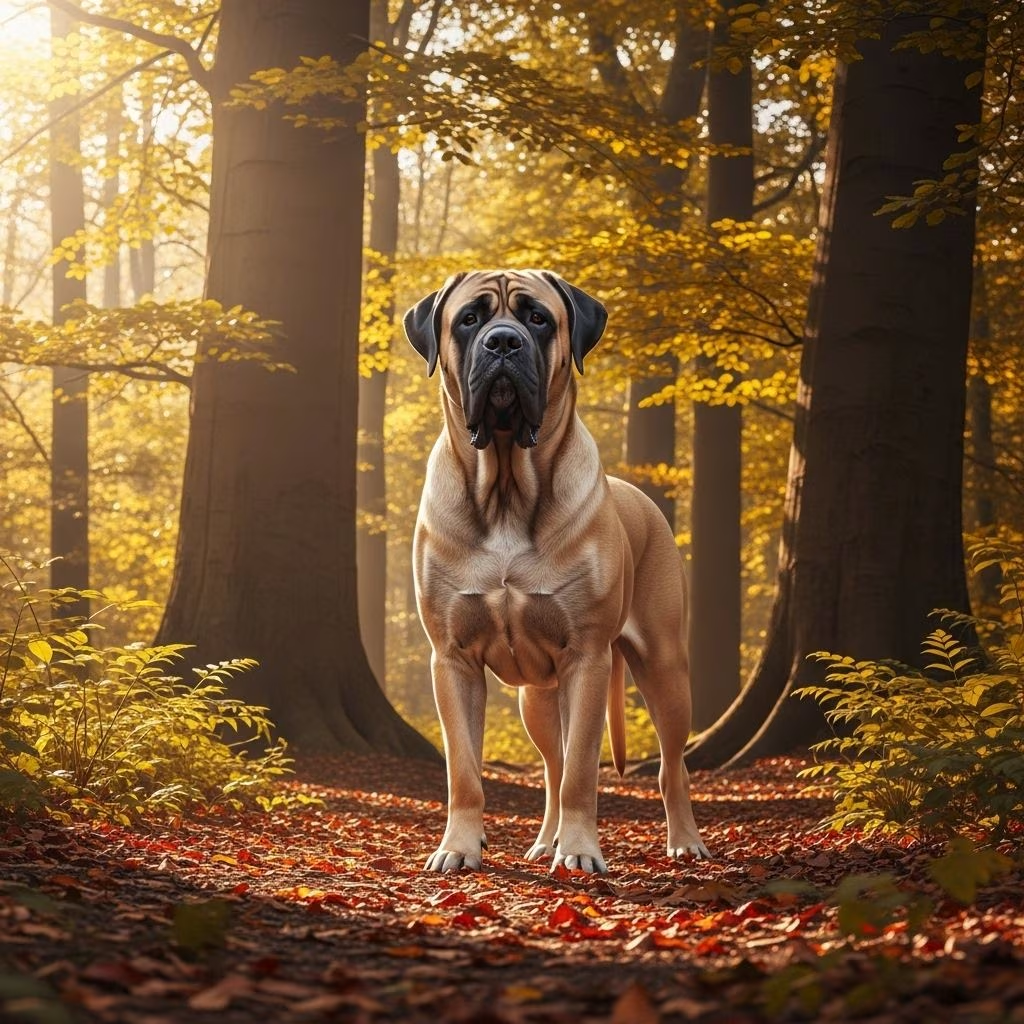
## History and UseMastiffs have been used as guard dogs, war dogs, and fighting dogs throughout the ages. Today, many of them reside in our homes as beloved members of our families, but they still take their jobs as family protectors seriously.### The Mastiff’s Role in History- Guard Dogs: Mastiffs were often used to protect homes and estates due to their size and protective instincts.- War Dogs: Participated in battles, showcasing their strength and bravery.- Fighting Dogs: Used in ancient dog fighting, though this practice is now widely discouraged and banned.## Characteristics of Mastiff BreedsWhile all Mastiff breeds share a common ancestry, each has distinct characteristics:### English MastiffThe English Mastiff is one of the largest dog breeds, with males weighing between 160-230 pounds (72-104 kg). They are known for their massive size, powerful build, and gentle disposition. The English Mastiff is a combination of grandeur and good nature, courage and docility, making them a beloved family pet despite their size.### Neapolitan MastiffThis Italian breed is recognized by its large, loose skin and heavy wrinkles on the face and body. Neapolitan Mastiffs are muscular and can weigh between 110-150 pounds (50-68 kg). They are protective and were used as guard dogs historically.### BullmastiffDeveloped in England by crossing Bulldogs with the Old English Mastiff in the 1860s, Bullmastiffs were designed to assist gamekeepers in protecting estates and game preserves from poachers. They are intelligent, brave, affectionate, and highly loyal dogs, weighing between 100-130 pounds (45-59 kg). Bullmastiffs are known for their athletic build and reliance on size rather than sound to deter intruders.### Other Mastiff Breeds- Tibetan Mastiff: Originating from Tibet, this ancient breed is known for its impressive appearance and protective nature. They have a thick double coat that protects them from harsh weather conditions and are independent and strong-willed.- Dogue de Bordeaux: Hailing from France, this breed is also known as the Bordeaux Mastiff or French Mastiff. They have a large, muscular build and a distinctive wrinkled face. Males typically weigh between 110-145 pounds (50-66 kg).- Brazilian Mastiff (Fila Brasileiro): Known for their strong prey drive and protective nature, Fila Brasileiros are large, athletic dogs, with males weighing between 110 and 200 pounds (50 and 90 kg).## Temperament and SocializationMastiffs are generally dignified, never shy or vicious, and exhibit a combination of grandeur and good nature. They are brave yet gentle, making them suitable as family pets. However, their large size and protective instincts require careful socialization and training.### Socialization Tips:- Early Exposure: Introduce your Mastiff to various people, places, and situations from an early age to ensure they grow into well-rounded dogs.- Training: Enroll your Mastiff in a puppy kindergarten class to help them develop good social skills.- Interaction: Regularly invite visitors, take your dog to parks and stores that allow dogs, and engage in leisurely strolls to help them become comfortable with new environments.## Choosing the Right Mastiff for Your FamilyOwning a mastiff is a significant responsibility, as these dogs are large and require ample space and care. Here are some factors to consider when choosing a Mastiff breed:- Size and Space: Ensure you have enough space in your home for these massive dogs.- Temperament Compatibility: Assess whether the breed’s temperament aligns with your family’s lifestyle.- Training Needs: Understand the training requirements to manage their protective instincts.## Frequently Asked Questions (FAQs)
Q: Are Mastiffs good with children?
Yes, Mastiffs can be good with children when well-socialized and supervised carefully. However, due to their size, they are not recommended for very young children.
Q: How much exercise do Mastiffs need?
Mastiffs require regular, moderate exercise to maintain health and happiness. This includes daily walks and playtime, though they are not overly demanding in terms of physical activity.
Q: Are Mastiffs noisy?
No, Mastiffs tend to bark infrequently, relying more on their size and presence to deter intruders.
Q: What is the average lifespan of a Mastiff?
The average lifespan of a Mastiff can vary, but generally, they live for about 7-10 years due to their large size and health challenges.
## ConclusionMastiffs are magnificent creatures that bring loyalty and protection to families around the world. Whether you’re considering an English Mastiff, Neapolitan Mastiff, or Bullmastiff, each breed offers unique characteristics that can enrich your life. However, their large size and protective nature demand careful consideration and commitment to proper care and socialization.