Introduction to the Peruvian Inca Orchid
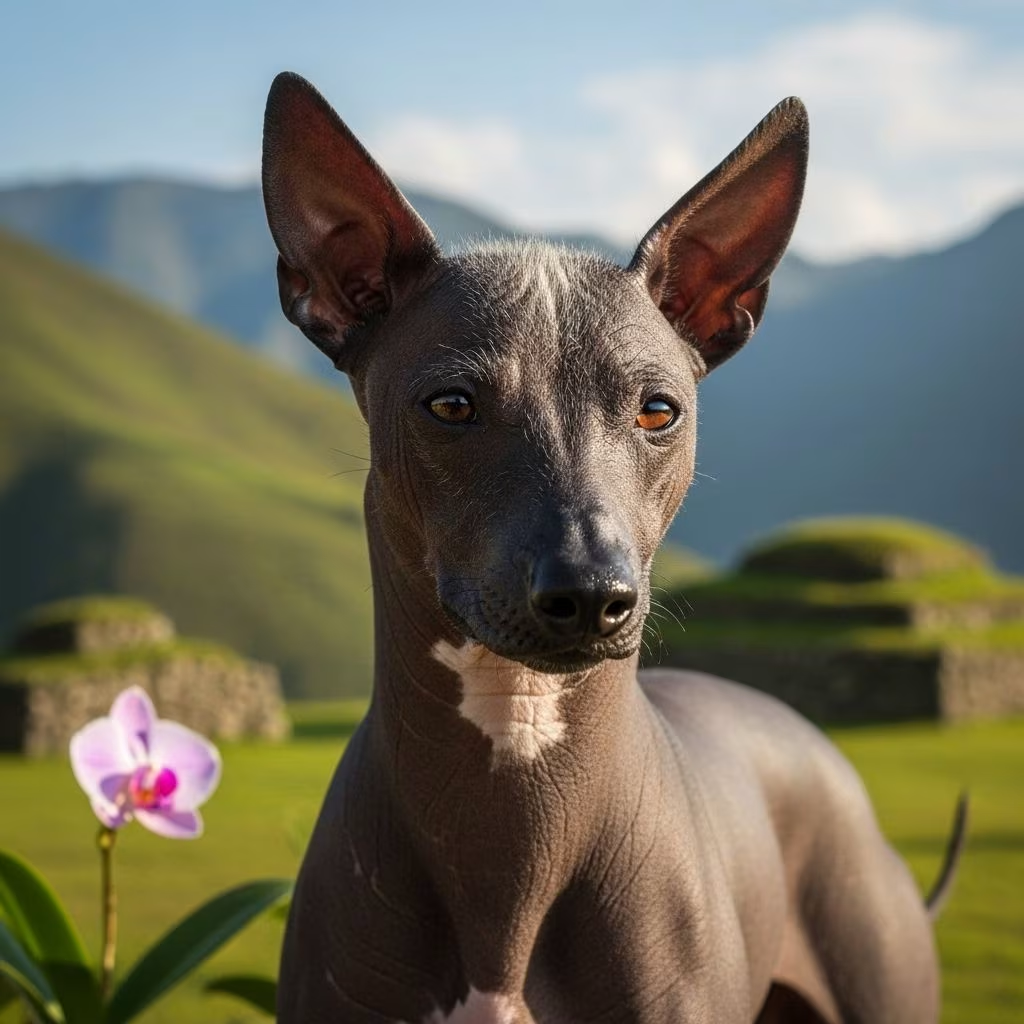
The Peruvian Inca Orchid, also known as Perro Sin Pelo del Perú in its native country, is a medium-sized, elegant sighthound breed with a history reaching back over a millennium. These dogs are best known for their unique appearance, coming in both hairless and coated varieties. Intelligent and affectionate, they form strong bonds with their families while remaining wary of strangers, making them excellent watchdogs.
Quick Breed Facts
- Official Breed Name: Peruvian Inca Orchid
- Alternate Names: Perro Sin Pelo del Perú, PIO
- Size: Small, medium, and large (10–26 inches at the shoulder; 9–55 lbs)
- Life Expectancy: 10–12 years
- Origin: Peru
Origin and History
The Peruvian Inca Orchid is an ancient breed, with roots tracing back to pre-Columbian civilizations in Peru. These dogs were depicted in pottery and art by the Moche, Chimú, and Inca cultures, often in ceremonial roles or as companions for nobility. They were believed to have healing properties, their warmth used to alleviate ailments like arthritis. The breed survived for centuries in relative isolation, its purity and traits preserved by the indigenous people of Peru. Today, it is recognized by major kennel clubs and remains a treasured symbol of Peruvian heritage.
Physical Characteristics
General Appearance
Peruvian Inca Orchids are sighthounds, built for speed and endurance. They have a slim, muscular build, a graceful gait, and a distinctive wedge-shaped head. Their square or slightly rectangular body is balanced and elegant, with a deep chest and long legs. Both hairless and coated varieties exist; hairless dogs are most common, with only sparse hair on the head, feet, and tail tip. The coated variety, though rarer, has a short to medium coat with feathering on the ears, neck, and body.
Size and Variations
| Size | Height | Weight |
|---|---|---|
| Small | 9.5–15.5 inches | 8.5–17.5 lbs |
| Medium | 15.5–19.5 inches | 17.5–26.5 lbs |
| Large | 19.5–25.5 inches | 26.5–55 lbs |
Height and weight can vary significantly, and both hairless and coated types may be found in all sizes.
Coat and Colors
- Hairless variety: Nearly hairless body, with short, sparse hair allowed on certain areas (head, feet, tail tip); skin can be any color (solid or spotted).
- Coated variety: Short to medium coat, with feathering; all colors and patterns accepted.
Distinctive Traits
- Ears: Hairless dogs have erect ears that may fold at rest; coated dogs have semi-prick ears.
- Teeth: Hairless dogs often have incomplete dentition (missing teeth), while coated dogs should have a full set.
- Expression: Alert, intelligent, and slightly reserved.
Temperament and Personality
With Family
Peruvian Inca Orchids are loyal and deeply affectionate with their immediate family. They bond closely with their people and thrive on attention. Larger individuals may even think of themselves as lap dogs, seeking closeness and touch. Historically, their warmth was prized for therapeutic purposes.
With Children
They are generally good with respectful, older children but may not tolerate rough handling or unpredictable behavior from very young kids. Supervision and gradual introductions are recommended.
With Other Animals
These dogs usually get along well with other dogs, especially if properly socialized. They can coexist with cats if introduced carefully, but their strong prey drive makes them unsuitable for homes with small animals like rabbits or rodents. Supervision is always advised.
With Strangers
They are naturally reserved and cautious around strangers, making them excellent watchdogs. They are not typically aggressive, but early socialization is important for a confident, well-mannered adult.
Trainability
- Intelligent and independent thinkers.
- Respond best to positive reinforcement and consistent, gentle training.
- Early socialization is crucial for well-adjusted dogs.
Activity Level
- Moderately active: enjoy daily walks, play, and mental stimulation.
- Not hyperactive, but need regular exercise to prevent boredom.
- Sighthound instincts mean they are fast and may chase small animals—leash walking is recommended in unsecured areas.
Barking Tendency
They are alert watchdogs and will bark to signal something unusual. Training can help manage excessive barking, especially in apartment settings.
Care and Maintenance
Grooming
The hairless variety requires special attention to skin care. Regular baths with mild, hypoallergenic shampoo are important to prevent dryness and acne. Sunscreen is necessary for outdoor activities to protect sensitive skin. The coated variety needs regular brushing to keep the coat healthy and free of mats.
Exercise
- Daily walks or play sessions.
- Secure, fenced areas for off-leash activity (due to prey drive).
- Mental stimulation through training, puzzle toys, and interactive play.
Feeding
High-quality dog food appropriate for their size, age, and activity level. Monitor weight to prevent obesity, especially in less active dogs.
Living Environment
They adapt well to apartment living if given enough exercise. They are sensitive to temperature extremes and should be kept indoors in moderate climates. Not suited for full-time outdoor living.
Health
General Health
Peruvian Inca Orchids are generally healthy, with a lifespan of 10–12 years. Responsible breeding has helped reduce the incidence of genetic health issues, but all dogs should have regular veterinary check-ups.
Common Health Concerns
- Dental Issues: Hairless dogs often have incomplete dentition; regular dental care is essential.
- Skin Problems: Sunburn, dryness, and acne in hairless dogs; allergies may also occur.
- Patellar Luxation: A common issue in small breeds.
- Eye Problems: Rare, but possible; regular eye checks advised.
Preventative Care
- Regular vet check-ups and vaccinations.
- Dental hygiene: brushing, professional cleanings as needed.
- Skin care: sunscreen, moisturizing, and protection from abrasions.
Training and Socialization
Basic Obedience
Start training early with positive reinforcement. They are intelligent but may be independent, so patience and consistency are key.
Socialization
Expose puppies to various people, animals, and environments to build confidence. Well-socialized dogs are more adaptable and less likely to develop fear-based behaviors.
Advanced Training
They excel in agility, lure coursing, and obedience. Their intelligence and athleticism make them versatile learners.
Suitability
Ideal Owners
- Families with older children
- Individuals or couples seeking an affectionate, loyal companion
- Those able to provide regular grooming and skin care
- People looking for a unique, conversation-starting breed
Not Ideal For
- Households with very young children
- Homes with small prey animals
- Owners who want a constantly playful or high-energy dog
- Those unable to provide skin care for hairless dogs
Adoption and Purchasing
Peruvian Inca Orchids are rare outside of Peru. Prospective owners should seek reputable breeders who prioritize health and temperament. Rescue organizations specializing in sighthounds may occasionally have PIOs available for adoption.
Frequently Asked Questions (FAQs)
Are Peruvian Inca Orchids aggressive?
No, they are generally not aggressive. They are reserved with strangers but devoted to their families. Proper socialization is key to a well-mannered dog.
Do they make good apartment dogs?
Yes, their moderate size and energy make them suitable for apartment living as long as they receive daily exercise and mental stimulation.
How much grooming do they need?
Hairless dogs require regular bathing, moisturizing, and sun protection. Coated dogs need routine brushing. Both benefit from regular nail trims and dental care.
Are they good with other pets?
They usually get along with dogs and can coexist with cats if introduced properly. Their prey drive means they may chase small animals.
How old is the breed?
The breed’s history dates back at least 1,000 years, with evidence in pre-Columbian Peruvian art.
Where can I find a Peruvian Inca Orchid?
They are rare in most countries. Look for responsible breeders through kennel clubs or sighthound rescue organizations.
Fun Facts
- Peruvian Inca Orchids were once thought to have healing powers—their warmth was used to treat ailments like arthritis.
- Both hairless and coated varieties can be born in the same litter.
- They are among the very few hairless dog breeds in the world.
Conclusion
The Peruvian Inca Orchid is a unique, ancient sighthound with a devoted, affectionate nature and striking appearance. They require dedicated skin care (if hairless) and thrive in loving, attentive homes. With proper socialization, training, and care, they make excellent companions for the right family.
References
- https://www.ukcdogs.com/peruvian-inca-orchid
- https://www.wisdompanel.com/en-us/dog-breeds/peruvian-inca-orchid
- https://dogacademy.org/breeds/peruvian-inca-orchid
- https://www.akc.org/dog-breeds/peruvian-inca-orchid/
- https://en.wikipedia.org/wiki/Peruvian_Hairless_Dog
- https://embarkvet.com/resources/dog-breeds/peruvian-inca-orchid/