Pica in Dogs: Causes, Symptoms, Diagnosis, and Treatment
Pica in dogs is a behavioral or medical disorder where dogs have the persistent compulsion to eat non-food items such as rocks, dirt, fabric, plastic, wood, or even metal. While chewing and minor exploration is natural in dogs, especially puppies, true pica involves the actual consumption—not just mouthing—of inappropriate items. This condition poses serious health risks and often requires veterinary intervention to diagnose and treat both the underlying cause and its effects.
What Is Pica in Dogs?
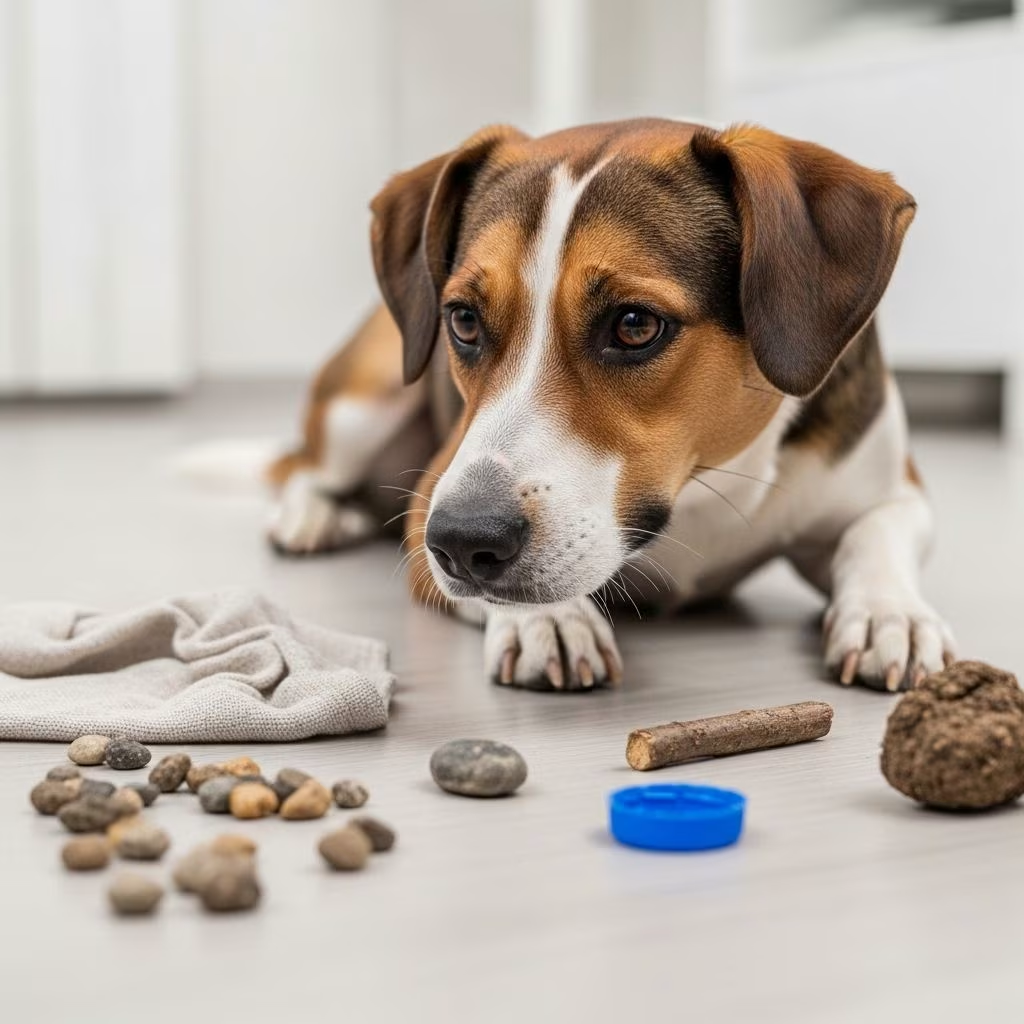
Pica is defined as the habitual ingestion of non-nutritive, non-food substances. Dogs displaying pica may eat a wide variety of objects, including:
- Rocks and gravel
- Sticks and wood chips
- Plastic objects and wrappers
- Cloth, socks, and towels
- Papers, string, and rubber bands
- Soil and sand
- Metal objects and coins
Pica is considered problematic and potentially harmful because ingestion of these objects can cause digestive blockages, poisoning, or injury to the digestive tract. It can sometimes be confused with coprophagia (eating feces), which is generally viewed as a separate condition but may overlap with pica behaviors in some cases.
Causes of Pica in Dogs
The causes of pica are usually divided into two categories: medical and behavioral.
Medical Causes
- Nutritional deficiencies (e.g., iron, minerals)
- Endocrine disorders (diabetes, thyroid disease)
- Parasitic infections (e.g., hookworms, tapeworms)
- Gastrointestinal diseases (malabsorption, inflammatory bowel disease)
- Chronic diseases (e.g., liver, kidney disease)
- Anemia
- Side effects from medications, such as steroids or anti-seizure drugs
- Tumors in the digestive tract
- Neurological disorders
- Teething (in puppies)
Behavioral Causes
- Boredom or lack of mental stimulation
- Anxiety or separation anxiety
- Stress (life changes, environmental stressors, new pets or children)
- Attention-seeking behaviors
- Depression
- Lack of exercise or inadequate outlets for natural chewing behaviors
Which Dogs Are More Prone to Pica?
While pica can affect dogs of any breed, age, or gender, certain risk factors increase the likelihood:
- Puppies—because of natural curiosity and teething
- Dogs left alone for long periods
- High-energy breeds without sufficient physical or mental activity
- Dogs with chronic health issues or on certain medications
Sometimes, trauma or early weaning may predispose a dog to compulsive behaviors, including pica.
Symptoms of Pica in Dogs
The hallmark sign of pica is repeated ingestion of non-food items, but there are often associated clinical symptoms, especially if the items cause digestive upset or harm.
| Common Symptoms | Possible Medical Complications |
|---|---|
| Chewing and eating objects | Gastrointestinal upset (vomiting, diarrhea) |
| Lethargy | Intestinal blockage |
| Poor or changeable appetite | Internal injuries or perforation |
| Bad breath | Infection or poisoning (if toxic items consumed) |
| Excessive drooling or salivation | Respiratory difficulties (if objects get lodged in airway) |
| Constipation, straining, or dark/tarry stools | Liver or kidney damage (from toxins) |
| Bloating, abdominal pain | Shock or death (in extreme untreated cases) |
Warning signs of an emergency include:
- Intractable vomiting or dry heaving
- Straining or inability to defecate
- Sudden lethargy, collapse, or pale gums
- Signs of abdominal pain (crying out, hunching, trembling)
- Coughing, gagging, or breathing difficulty (if object is in airway)
If you notice any of these, seek veterinary care immediately.
How Veterinarians Diagnose Pica
Diagnosis of pica often starts with a thorough behavior and health history provided by the dog’s owner. Key steps in the diagnostic process may include:
- Detailed discussion of ingestive behaviors (how often, when, what objects)
- Physical exam to check for abdominal pain, bloating, or palpable foreign objects
- Blood tests to rule out anemia, organ dysfunction, or metabolic disorders
- Fecal tests for evidence of parasites
- Imaging (X-rays or ultrasound) if digestive blockage or internal damage is suspected
- Evaluation for nutritional deficiencies
- Behavioral assessment for signs of anxiety, compulsive behavior, or lack of stimulation
It is important to identify whether the pica is a symptom of an underlying medical or behavioral issue, as effective treatment hinges on addressing the root cause.
Treatment of Pica in Dogs
Treatment is customized based on what is driving the behavior—whether medical, nutritional, or behavioral. Often, a multi-pronged approach is needed.
Medical and Nutritional Treatment
- If a medical issue is identified (like parasites, malabsorption, thyroid disorder), targeted treatment is initiated.
- Nutritional deficiencies may require diet improvement, supplements, or changing feeding routines based on veterinary advice.
- Gastrointestinal blockages are medical emergencies—immediate hospitalization and surgical removal of the object may be needed.
- If pica started as a side effect from medication, adjusting or changing the medication under veterinary supervision might resolve the behavior.
Behavioral and Environmental Management
- Reduce access: Dog-proof your home and remove items your dog is drawn to ingest.
- Provide safe chew toys and stimulating activities: Mental and physical enrichment helps relieve boredom and stress.
- Consistent exercise: Sufficient physical activity and engaging walks help manage anxiety and burn excess energy.
- Behavioral training: Redirect your dog’s attention, reinforce positive behaviors, and consider obedience training to discourage inappropriate chewing or eating.
- Treat underlying psychological factors: For dogs with anxiety or compulsion, techniques like counter-conditioning, desensitization, or in some cases, medication for anxiety prescribed by a veterinary behaviorist may be helpful.
- Monitor environmental stressors: Changes in the household, new pets, or children can create stress and worsen pica.
Professional Support
- Your veterinarian will partner with you to develop a tailored treatment plan.
- Referral to a veterinary behaviorist may be advised for cases driven by complex behavioral issues or compulsive disorders.
- Consider collaborating with a dog trainer or canine enrichment expert for behavioral modification strategies.
Risks and Complications of Pica
Pica can quickly escalate into a severe medical emergency if the ingested item causes a blockage, poisoning, or injury. Major risks include:
- Digestive obstruction (the most common and life-threatening risk)
- Perforation of the GI tract leading to peritonitis (severe infection of the abdominal cavity)
- Toxicity from ingesting poisonous plants, chemicals, or batteries
- Dental damage from chewing on hard objects like rocks or metal
- Weight loss, malnutrition if food intake is compromised
As some objects may take time to cause a blockage or poisoning, dogs with repeated unexplained vomiting, changes in appetite, lethargy, or abdominal pain should always be evaluated by a veterinarian without delay.
Pica in Puppies vs. Adult Dogs
In puppies, chewing and even eating non-food objects is often part of exploration, especially during teething or development. However, pica that persists past puppyhood or occurs in adult dogs is more worrisome and should be thoroughly investigated.
- If your puppy chews but doesn’t swallow and shows no GI upset, increased supervision and more appropriate chew toys may suffice.
- If chewing progresses to actual eating, or your puppy/adult dog repeatedly consumes dangerous items, intervention is needed to prevent harm.
How to Prevent Pica in Dogs
Although not all cases of pica can be prevented, especially those rooted in deep medical or compulsive causes, many steps can reduce the risk or break the cycle:
- Keep tempting non-food objects out of reach and monitor your dog closely, especially when outdoors.
- Offer a variety of safe chew toys and rotate them for novelty.
- Ensure your dog receives regular and balanced nutrition as advised by your veterinarian.
- Engage your dog mentally with training sessions, puzzle feeders, and interactive play.
- Set and maintain a predictable daily routine to reduce anxiety and stress.
- Provide ample, appropriate exercise for your dog’s breed and age.
- Address sources of stress or conflict in the home.
For dogs with persistent or severe pica, never hesitate to seek veterinary and behavioral guidance, as self-management alone may be insufficient and risky.
Frequently Asked Questions about Pica in Dogs
What objects do dogs with pica most commonly eat?
Dogs may eat almost anything, but common items include rocks, sticks, socks, underwear, plastics, paper, dirt, and mulch. The specific items consumed can vary by individual and can also depend on what’s accessible in the environment.
Is pica in dogs dangerous?
Yes, pica can be very dangerous. It frequently leads to gastrointestinal obstructions, poisoning, infection, and other severe conditions requiring emergency veterinary care. Early intervention is crucial to prevent life-threatening complications.
Can pica in dogs be cured?
Some cases of pica can be managed or eliminated if the underlying cause is found and addressed. For others—especially those rooted in severe anxiety, compulsion, or chronic medical conditions—management is long-term and may require ongoing supervision and professional intervention.
Should I punish my dog for eating non-food items?
No, punishment is not effective or humane for treating pica. It may worsen anxiety or stress, fueling further compulsive behaviors. Focus on removing access, redirecting to safe objects, and using positive reinforcement-based training.
When should I take my dog to the vet for pica?
Any time your dog ingests non-food objects, schedule a veterinary exam. Seek urgent care if there are signs of obstruction, pain, vomiting, loss of appetite, lethargy, difficulty breathing, or ingestion of potentially toxic substances.
Key Takeaways
- Pica in dogs is the compulsive consumption of non-food objects, and may be behavioral, medical, or both in origin.
- Serious health risks include gastrointestinal blockage, poisoning, infection, and internal injury.
- Diagnosis usually involves behavioral assessment, medical tests, and sometimes advanced imaging.
- Treatment is tailored to the underlying cause and usually involves a combination of medical intervention and environmental/behavioral modification.
- Prevention is based on removing access, enrichment, sufficient exercise, and prompt attention to any medical or behavioral changes.
References
- https://www.pawlicy.com/blog/pica-in-dogs/
- https://www.goodrx.com/pet-health/dog/pica-in-dogs-causes
- https://thevalleyanimalhospital.com/pica-in-dogs/
- https://gsvs.org/blog/dog-pica-urgent-symptoms/
- https://www.akc.org/expert-advice/health/pica-in-dogs/
- https://www.petmd.com/dog/conditions/behavioral/pica-dogs
- https://vetster.com/en/symptoms/dog/pica-compulsive-eating-of-non-food-items-in-dogs
- https://www.vetmed.ucdavis.edu/sites/g/files/dgvnsk491/files/inline-files/Unusual_eating_habits.pdf
- https://wagwalking.com/condition/pica