Pomeranian Dog Breed Overview
The Pomeranian is a vibrant, intelligent, and charismatic toy dog breed adored for its spunky personality and extravagant coat. Despite their small stature, Pomeranians possess the confidence and personality of a much larger dog and thrive as loyal companions for those who appreciate their lively nature and unique charm.
History and Origin of Pomeranian
Pomeranians are descended from spitz-type sled dogs hailing from the Pomerania region in Northern Europe, notably Germany and Poland. Originally much larger, their size was reduced through selective breeding, resulting in the adorable toy breed recognized today. Among their most famous admirers was Queen Victoria, whose love for the breed further popularized Pomeranians in the 19th century.
- Country of Origin: Germany/Poland
- Developed as: Companion dogs
- Key historical event: Queen Victoria’s influence on breed popularity
Physical Characteristics
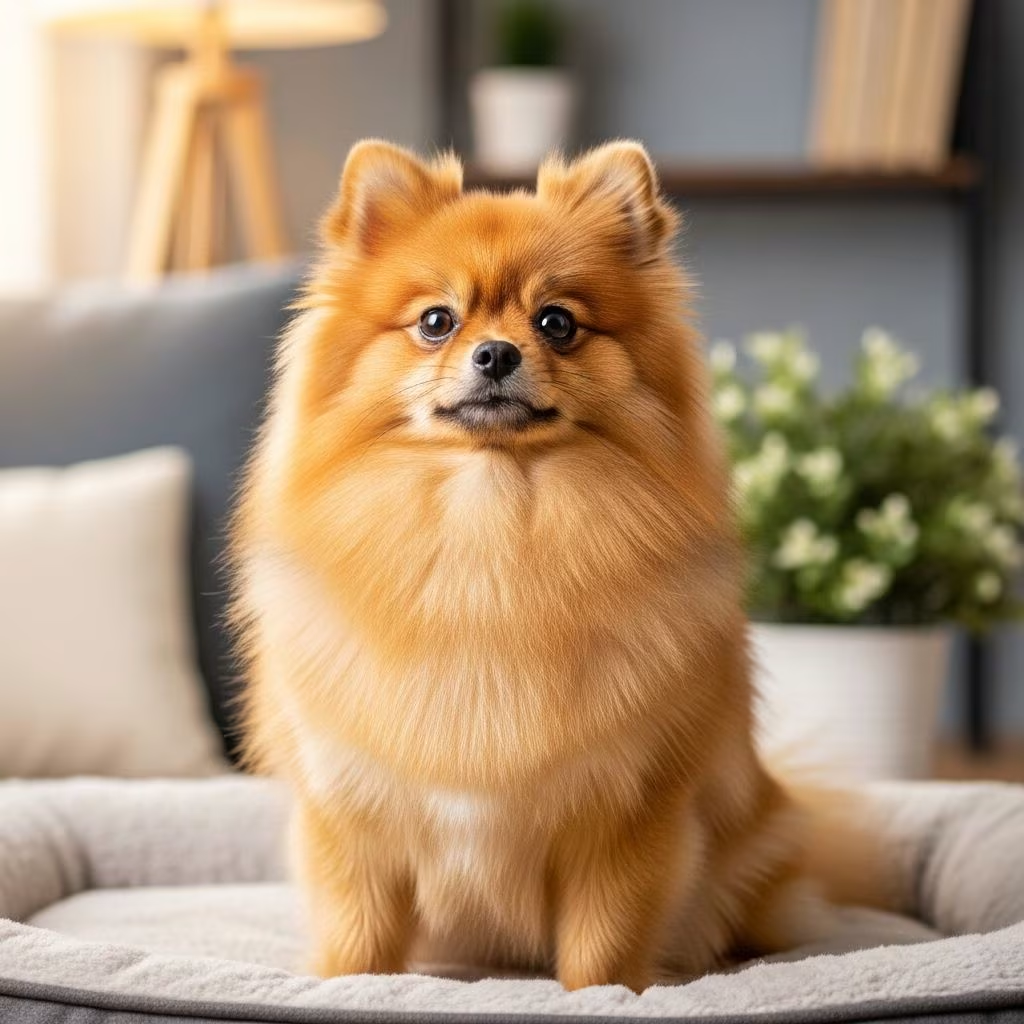
Pomeranians are easily recognized by their luxurious double coats, fox-like faces, and alert, pointed ears. Their compact, square bodies and plume-like tails give them a distinctive silhouette in the toy breed group.
| Characteristic | Description |
|---|---|
| Height | 7 to 12 inches (18 to 30 cm) |
| Weight | 3 to 7 pounds (1.4 to 3.2 kg) |
| Coat | Long, double, and fluffy |
| Colors | Red, orange, cream, white, black, blue, sable, chocolate, and more |
| Distinguishing Features | Fox-like face, erect ears, curled tail over back |
Pomeranian Temperament and Personality
Pomeranians pack an outsized personality within their small frame, often described as sassy, spunky, playful, and fiercely loyal. They have a commanding presence and are highly intelligent and curious, making them eager learners but sometimes stubborn.
- Playful & Energetic: Always ready for games and activities.
- Loyal & Affectionate: Bond strongly with their family and enjoy companionship.
- Alert & Watchful: Excellent watchdogs, quick to sound the alarm if they sense unusual activity.
- Outgoing: Enjoy socializing but may be reserved or bark at strangers.
- Intelligent & Curious: Positive traits for training and interactive play.
Pomeranians may develop a “Napoleon complex,” acting like big dogs with little fear, sometimes challenging larger breeds or demanding attention from everyone in their environment.
Pomeranian Puppy Behavior
Puppies inherit the same core traits as adults, displaying unbounded energy, curiosity, and a tendency for mischief. Early socialization and training are essential to mold them into well-adjusted adults.
Living With a Pomeranian
Pomeranians adapt well to various living situations, from apartments to houses with yards. Their small size makes them suitable for urban environments, but they are clever escape artists, capable of slipping through gaps or climbing fences, so secure boundaries are necessary.
- Exercise Needs: Daily walks and indoor play suffice for most Poms.
- Companionship: Thrive on human interaction and can suffer from separation anxiety if left alone for long periods.
- Compatibility: Generally good with older children and other pets, though supervision is advised as they are delicate and can be injured by rough play.
Training and Socialization Tips
Pomeranians are intelligent and eager to learn, excelling in obedience, trick training, and canine sports such as agility. However, their independent streak calls for patience, consistency, and positive reinforcement.
- Start Early: Socialize puppies to various people, sounds, and settings.
- Use Positive Reinforcement: Treats, praise, and clicker training work well.
- Address Barking: Teach “Quiet” commands to moderate excessive vocalization.
- Crate Training: Provides a safe haven and aids in housetraining.
- Short Sessions: Maintain engagement with brief, fun lessons.
Grooming and Care
Pomeranians require regular grooming to keep their plush double coat free of mats and tangles. Shedding is moderate, and brushing two to three times weekly is recommended with more frequent grooming during seasonal sheds.
- Brushing: At least twice per week, daily during heavy shedding periods.
- Bathing: Every three to four weeks, or as needed.
- Ear, Teeth & Nail Care: Clean ears, brush teeth several times per week, and trim nails monthly.
- Eye Care: Wipe eyes gently to prevent tear stains.
Routine grooming is essential not just for aesthetics, but for the overall health of your Pom, preventing skin issues and keeping them comfortable.
Nutritional Needs
Pomeranians should be fed a high-quality, age-appropriate dog food. Obesity can become an issue due to their small size and love for treats. It’s important to measure their food, avoiding free feeding, and select foods suitable for active toy breeds.
- Main Diet: High-quality commercial or homemade diet approved by a veterinarian.
- Meal Frequency: Two to three small meals per day.
- Treats: Use sparingly to avoid weight gain.
- Hydration: Fresh water should always be available.
Health and Lifespan
Pomeranians are generally long-lived, with a life expectancy of 12 to 16 years. While robust for their size, they are predisposed to certain health concerns which responsible owners should monitor:
| Common Health Issues | Description |
|---|---|
| Dental Disease | Small mouths present a higher risk for dental problems; regular brushing is crucial. |
| Luxating Patella | Knee joint slips out of place, common in small breeds. |
| Tracheal Collapse | Weakened airway can cause coughing; avoid neck pressure from collars. |
| Hypothyroidism | Thyroid deficiency; monitor for symptoms such as lethargy or coat changes. |
| Heart Disease | Monitor for cardiac symptoms especially as the dog ages. |
| Eye Conditions | Cataracts and progressive retinal atrophy are possible. |
- Routine Vet Visits: Annual checkups and timely vaccinations.
- Parasite Prevention: Flea, tick, and heartworm prevention recommended.
- Spaying/Neutering: Often suggested to prevent unwanted litters and some health conditions.
Living Environment and Activities
Pomeranians adapt well to apartment living due to their size, but they appreciate a secure yard for play. They are active and benefit from daily walks and mentally stimulating games. Popular activities for this breed include obedience, rally, and agility. They can also excel as therapy dogs due to their loving nature.
Pomeranian Pros and Cons
| Pros | Cons |
|---|---|
|
|
Fun Facts About Pomeranians
- Pomeranians were once royal favorites, with Queen Victoria playing a pivotal role in their modern popularity.
- Despite their size, Poms possess a “big dog” attitude, often fearless around larger breeds.
- Their bark is impressively loud, making them effective alarm dogs.
- Pomeranians enjoy being the center of attention and crave human interaction.
- This breed comes in almost two dozen recognized coat colors and patterns.
Frequently Asked Questions (FAQs)
Q: Are Pomeranians good with children?
A: Pomeranians can be good family dogs but are delicate and may not be suitable for homes with very young children. Supervision is advised to ensure safe, gentle play.
Q: Do Pomeranians bark a lot?
A: Yes, Pomeranians are known for their yappy bark, which can be excessive. Consistent training is essential to manage their vocal tendencies.
Q: How much exercise does a Pomeranian need?
A: Poms require daily walks and active playtime. Their exercise needs can be met through indoor activities and short walks around the block.
Q: What is the average lifespan of a Pomeranian?
A: The breed typically lives 12 to 16 years, with proper care, regular vet checkups, and good nutrition.
Q: Is the Pomeranian easy to train?
A: Pomeranians are intelligent and eager to learn, but they can be headstrong. Positive reinforcement and short, engaging training sessions work best.
Q: Do Pomeranians shed?
A: Yes, Pomeranians shed moderately throughout the year and more heavily during seasonal changes. Regular brushing helps manage shedding and maintain their coat.
Is the Pomeranian Right For You?
Pomeranians make delightful companions for those prepared to keep up with their spirited nature and grooming needs. They excel in homes where they receive ample interaction, mental stimulation, and gentle handling. Their fierce devotion and lively personality ensure they leave a lasting impression on anyone lucky enough to share their home with this entertaining toy breed.
References
- https://pomeranian.org/blog/2022/05/01/pomeranian-temperament/
- https://www.purina.com/dogs/dog-breeds/pomeranian
- https://www.aspcapetinsurance.com/resources/fun-facts-about-pomeranians/
- https://www.hillspet.com/dog-care/dog-breeds/pomeranian
- https://pomeranian.org/blog/2024/04/26/getting-a-pomeranian/
- https://www.akc.org/dog-breeds/pomeranian/
- https://en.wikipedia.org/wiki/Pomeranian_dog
- https://www.petmd.com/dog/breeds/pomeranian