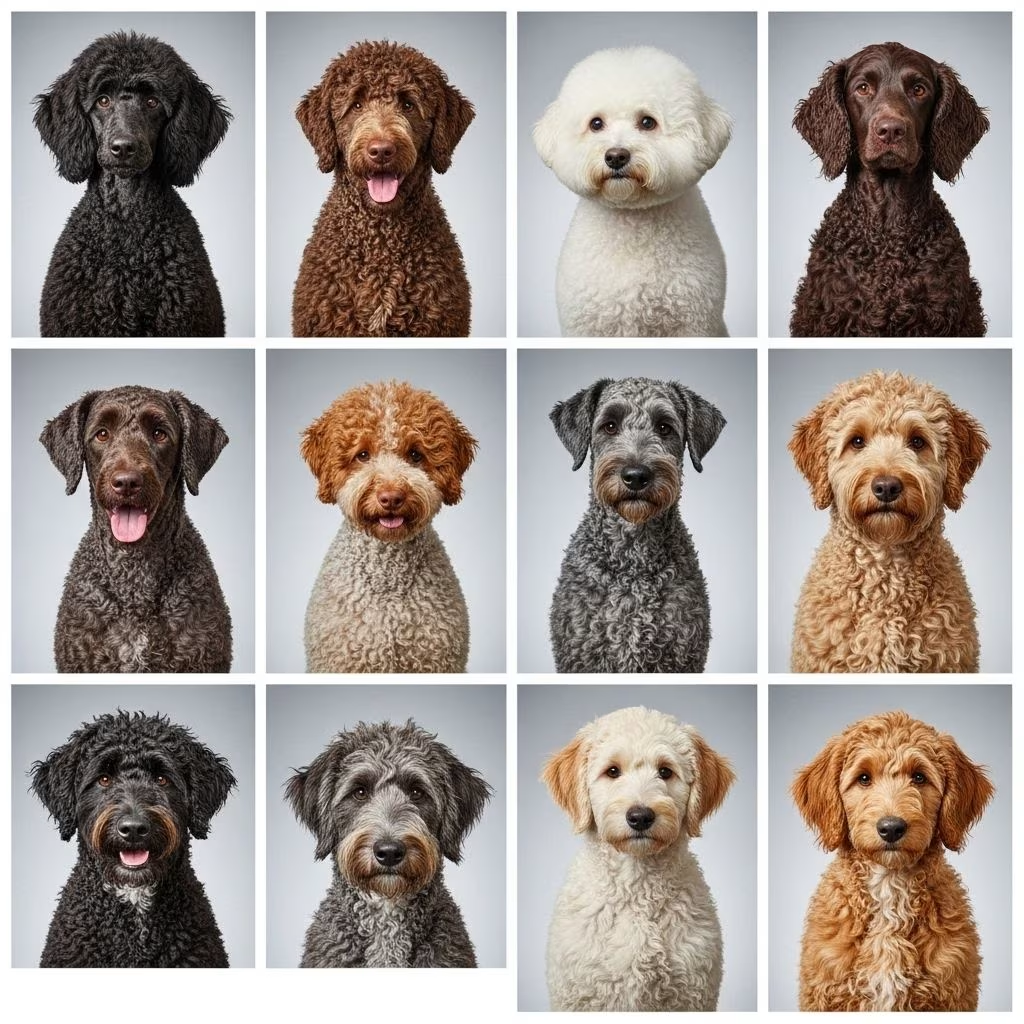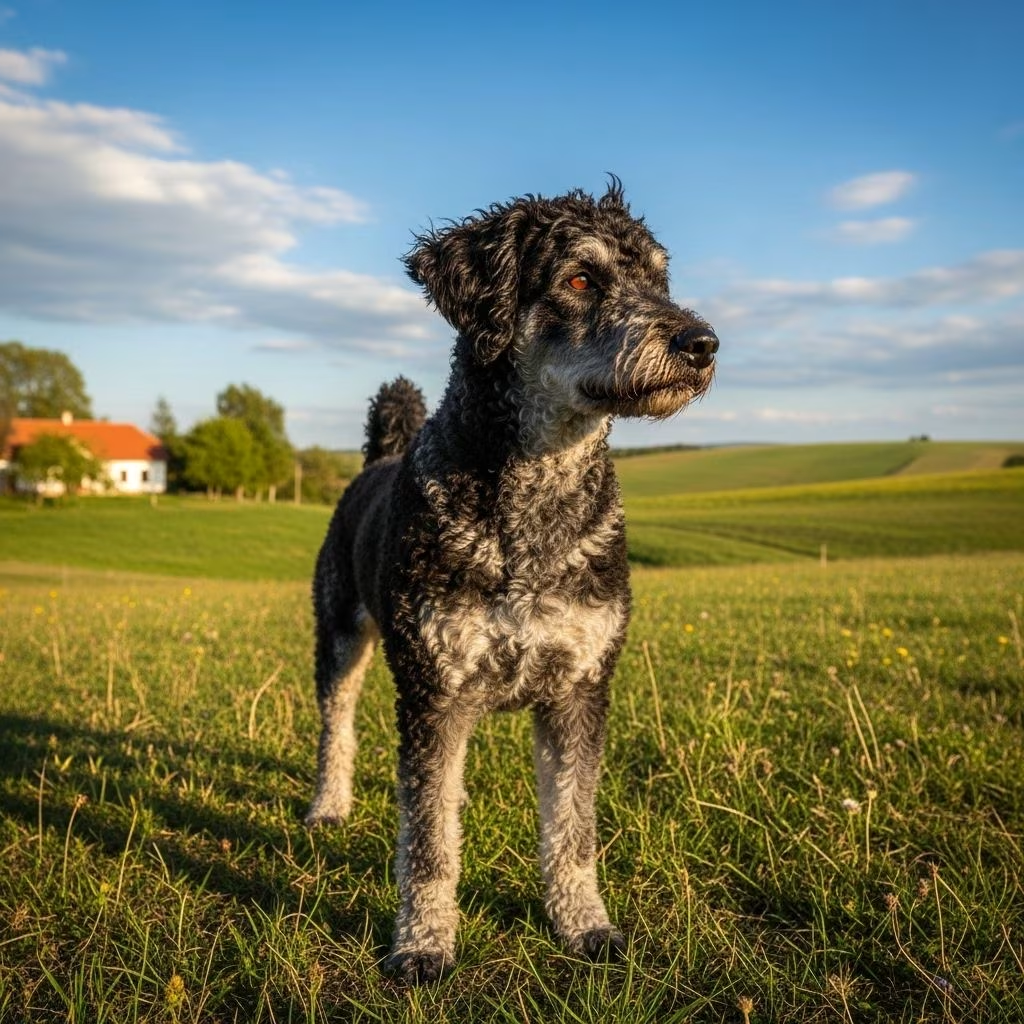
The Pumi is a compact, alert, and intelligent herding dog native to Hungary. Easily recognizable by its corkscrew-curled coat, whimsical expression, and unique, semi-erect ears, the Pumi is prized for its agility, enthusiasm, and devoted nature. This breed excels not only as a working herder but also as an energetic companion suited for active families.
Breed Overview
| Origin | Hungary |
|---|---|
| Group | Herding |
| Size | Medium-small |
| Height | 16–18.5 inches (males), 15–17.5 inches (females) at shoulder |
| Weight | 22–29 pounds (average) |
| Coat | Dense, wavy to corkscrew-curled, medium length, double coat |
| Color | Black, white, gray, or fawn |
| Lifespan | 12–13 years (average) |
The Pumi is a nimble-footed herder developed for agility, quick thinking, and independent work. Highly regarded for its intelligence, this breed requires an engaged and active lifestyle—ideally with jobs to do or sports to play.
History and Origin
The Pumi’s story begins in the Hungarian countryside, emerging from centuries of shepherds’ selective breeding. Its ancestry is a blend of the ancient Hungarian Puli and herding dogs from France and Germany, which were brought to Hungary in the 17th and 18th centuries during livestock trade (the plural in Hungarian is “Pumik”). These crossbreedings produced a dog that could herd difficult livestock, manage tight pastures, and navigate wooded or narrow roads with confidence and speed.
- Early Breeders: Shepherds selectively bred for agility, stamina, intelligence, and the ability to control semi-wild livestock such as Hungarian Grey cattle.
- Recognition: The Pumi was recognized as a distinct breed by the early 20th century and had its official standard approved in Hungary in 1935.
- Modern Day: The breed is still found herding across Hungary and has grown in popularity in Finland, Sweden, the United States, and other regions since the late 20th century.
Full recognition by the American Kennel Club (AKC) came in July 2016, making the Pumi the AKC’s 190th breed.
Physical Appearance
The Pumi unmistakably stands out for its compact, square build, lively expression, and distinctive ears that are set high with the top third bending forward. The breed’s overall appearance is athletic and well-proportioned, reflecting its herding roots and ability to move with precision and speed.
- Head: The head is moderately long, with an elongated, tapered muzzle. The face is expressive, framed by alert, v-shaped ears.
- Ears: The breed’s unique ears are erect at the base with the top third bending forward, always appearing ready for action.
- Eyes: Oval, dark brown eyes convey intelligence and curiosity.
- Body: The breed is square and muscular, with a straight back and a tail that curves forward over the back.
- Coat: The double coat is medium in length, with a mix of wavy and corkscrew curls. This coat is weatherproof and aids the dog in working outdoors throughout the year.
- Colors: Most commonly seen in black, gray, white, or varying shades of fawn.
| Trait | Description |
|---|---|
| Size | Medium-small; males 16–18.5 inches, females 15–17.5 inches at shoulder |
| Build | Square, compact, athletic |
| Distinguishing Features | Corkscrew-curled coat, alert expression, semi-erect, mobile ears |
Faults in conformation for show dogs include a head that is too round or Puli-like, completely upright or floppy ears, and incorrect jaw alignment.
Temperament and Personality
Pumik are active, bold, and highly intelligent—traits essential for an independent working herder. They are notably lively, love to play, and require ample physical and mental stimulation. The Pumi’s temperament makes it:
- Energetic and Agile: Always on the lookout for action, the breed thrives when given a job or sport.
- Devoted: Forms strong bonds with its family and enjoys participating in all household activities.
- Alert and Vocal: Naturally attentive and quick to alert owners to anything unusual. They can be vocal, often “talking” through barks when excited or curious.
- Slightly Aloof with Strangers: Typically reserved but not shy. The breed may be wary around new people.
- Good with Kids and Pets: Generally does well with respectful children and other companion animals when properly socialized early.
This breed’s high energy and intelligence mean it is not suited for a sedentary lifestyle, but it can excel as a loyal and loving household companion with the right family.
Care, Exercise, and Training
Due to their boundless energy and intelligence, Pumik need regular mental and physical engagement to prevent boredom and destructive behaviors. Essential care considerations include:
- Exercise: At least 45–60 minutes of vigorous activity daily, such as herding, running, hiking, agility training, or interactive play.
- Mental Stimulation: Puzzle toys, obedience tasks, advanced trick training, and herding or canine sports are excellent outlets.
- Training: Responds well to positive, reward-based training techniques. The breed is a quick learner but can be independent, so consistency is important.
- Socialization: Early and ongoing exposure to different environments, people, and other dogs is vital to develop a balanced temperament.
- Family Involvement: Pumik thrive when included in daily family activities and routines.
Failure to provide both physical and mental challenges can result in a bored or mischievous Pumi. Their agility and focus make them standouts in canine sports like agility, obedience, and even dog dancing.
Health and Lifespan
The Pumi is known for good overall health, enjoying a lifespan of around 12–13 years. Nonetheless, like all breeds, some genetic conditions can be present:
- Hip Dysplasia: Screening is recommended for breeders.
- PRA (Progressive Retinal Atrophy): A degenerative eye disorder that can occur in the breed.
- Patellar Luxation: Slipping kneecap, less common but possible.
- Dental Health: Due to jaw structure, regular dental care is important.
Routine veterinary care, responsible breeding practices, and preventive health screenings are crucial for maintaining long-term breed health. Most Pumik will live healthy lives given proper care, exercise, and regular checkups.
Grooming Needs
Pumik have a distinctive double coat that protects them from the elements and lends them their signature “corkscrew”-curl appearance. While they are not a low-maintenance breed in terms of grooming, their coats are less prone to matting compared to some similar breeds.
- Brushing: Regular brushing at least once a week to prevent tangling and remove debris.
- Bathing: Bathe as needed, typically every 6–8 weeks depending on activity levels.
- Trimming: Shaping the coat by hand or with thinning shears every few months is ideal (never clipper-cut; this ruins the coat texture).
- Ears & Nails: Check and clean ears regularly; trim nails every 2–3 weeks.
This breed is considered low-shedding, making it a better choice for people with allergies, but routine grooming is still required to keep the coat healthy and beautiful.
Living with a Pumi
Pumik are best suited for families or individuals who lead active lifestyles and can dedicate time every day to their dog’s mental and physical needs. They thrive in homes where they are part of the action, included in activities, and given plenty of opportunities to learn, play, and explore.
- Home Environment: Adapt well to both rural and urban environments provided they get adequate exercise.
- Space: Moderately sized homes with access to a securely fenced yard are ideal.
- Interaction: This breed needs regular interaction and should not be left alone for extended periods.
- Children & Pets: With proper socialization, Pumik are typically excellent with older children and other household pets, though their herding instincts might give them the urge to “round up” family members!
- Barking: Can be quite vocal. Training can help moderate barking behaviors.
Breed Recognition and Status
The Pumi is well known in Hungary but remains relatively rare outside its native country. However, its recognition is steadily growing thanks to its charm, working abilities, and adaptability.
- AKC Recognition: Officially added to the American Kennel Club’s Herding Group in 2016 as breed number 190.
- UK Kennel Club: Recognized the breed standard in 2015.
- Other Countries: Popular as an agility and obedience competitor in Finland and Sweden.
- Clubs: The Hungarian Pumi Club of America and dedicated breed clubs in various countries support education, breeding, and activities for Pumik.
Although registrations are increasing in North America and Western Europe, the breed’s numbers are still comparatively low, making it a unique addition to any canine-loving household.
Frequently Asked Questions
Q: Are Pumik good for first-time dog owners?
A: The Pumi is best for owners ready to offer structured training, regular exercise, and ample mental stimulation. First-time owners can succeed if they commit to active participation and ongoing learning with their Pumi.
Q: What kind of activities do Pumik enjoy most?
A: Pumik love herding, agility, obedience, rally, and interactive games. They excel at canine sports and enjoy outdoor pursuits like hiking and running alongside their owners.
Q: Do Pumik shed a lot?
A: Pumik are considered low-shedding and may be suitable for some allergy sufferers, provided they’re regularly groomed.
Q: How vocal are Pumik?
A: Pumik are known for being talkative and alert. Early training can help manage excessive barking, especially if they are in a quieter neighborhood.
Q: Are Pumik good with children and other pets?
A: Yes, with proper socialization, Pumik make affectionate, playful companions for respectful children and can get along well with other pets. Care should be taken due to their natural herding instinct, which might cause them to try to herd small children or animals.
Q: Is the Pumi a recognized breed in all countries?
A: The Pumi is recognized by major kennel clubs in Hungary, the United States, the United Kingdom, and Finland, among others. However, it is still relatively rare in many regions.
In Summary
The Pumi combines whimsy, intelligence, energy, and devotion into a remarkably compact and athletic package. With the right family—one prepared for daily engagement, plenty of exercise, and spirited adventures—the Pumi can be a treasured companion, sports partner, and friend for many years.
References
- https://www.akc.org/dog-breeds/pumi/
- https://www.akc.org/expert-advice/lifestyle/meet-the-pumi-the-new-dog-on-the-block/
- https://www.akc.org/expert-advice/news/more-to-the-pumi-than-meets-the-eye/
- https://en.wikipedia.org/wiki/Pumi_dog
- https://pumiclub.org/about-the-pumi/
- https://www.ukcdogs.com/pumi
- https://wamu.org/story/16/06/22/intelligent_and_whimsical_the_pumi_dog_breed_gains_full_us_recognition/