


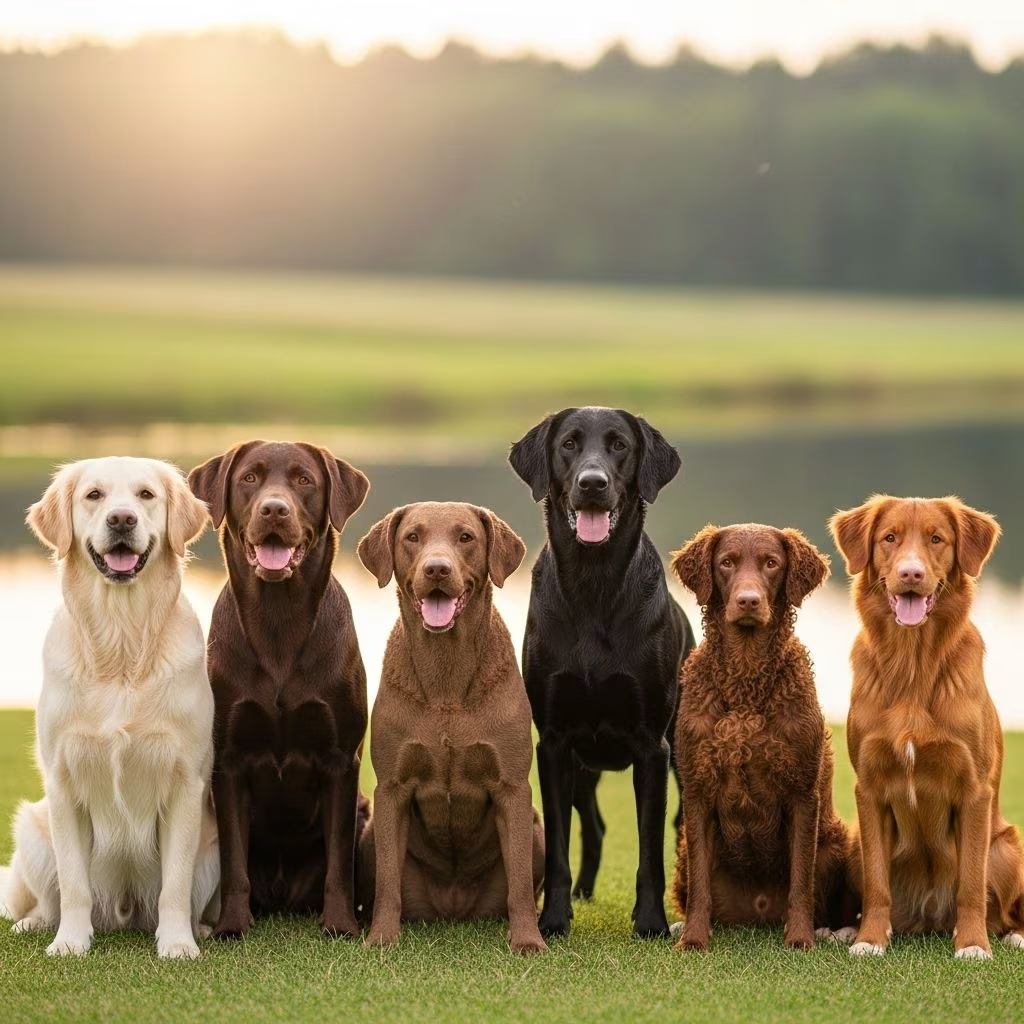
Introduction to Retriever Dog Breeds
Retriever breeds represent some of the most beloved and capable companion dogs worldwide. Originally bred to help hunters retrieve birds and game from both land and water, these breeds are renowned for their intelligence, athleticism, and exceptionally gentle nature. Each retriever breed possesses a “soft mouth,” making them ideal for carrying prey without damage, while their energy, trainability, and strong bond with humans have made them perennial favorites in homes and sporting fields alike.
What Is a Retriever?
The term retriever refers to a group of gundogs developed to locate and bring back (or “retrieve”) shot game, especially waterfowl, to their owner. Key attributes include:
- Gentle Mouth: Ability to carry game gently without causing harm.
- Strength and Endurance: Capability to traverse rugged terrain and swim in water.
- Intelligent and Willing Nature: Eager to obey and work alongside humans.
- Highly Trainable: Quick learners, adaptable in various roles including service, rescue, and companionship.
Over generations, retriever breeds have retained these qualities, making them not only skilled working dogs but also exceptional family companions.
The Six Retriever Breeds Recognized by the AKC
The American Kennel Club (AKC) recognizes six distinct breeds under the Sporting Group as retrievers. Each has a fascinating history and a set of characteristics that distinguish it from the others. Let’s explore what makes each breed unique.
| Breed Name | AKC Popularity (2020) | Typical Size (Height/Weight) | Main Coat Colors |
|---|---|---|---|
| Labrador Retriever | 1 | 21–25″ 55–80 lbs | Black, Yellow, Chocolate |
| Golden Retriever | 4 | 21–24″ 55–75 lbs | Golden |
| Chesapeake Bay Retriever | 50 | 21–26″ 55–80 lbs | Brown, Sedge, Deadgrass |
| Flat-Coated Retriever | 102 | 22–24.5″ 60–70 lbs | Black, Liver |
| Curly-Coated Retriever | 159 | 23–27″ 60–95 lbs | Black, Liver |
| Nova Scotia Duck Tolling Retriever | 90 | 17–21″ 35–50 lbs | Red with White Markings |
Chesapeake Bay Retriever
The Chesapeake Bay Retriever, or “Chessie,” is the only American-bred retriever. The breed originated on the Maryland coastline in the early 19th century after two St. John’s Newfoundland puppies—rescued from a shipwreck—were crossed with local dogs and other retriever and hound breeds. The resulting dog was bred for strength, stamina, and the ability to withstand icy, choppy waters, making them indispensable to Chesapeake Bay’s duck hunters.
- Physical Features: Distinctive wavy, waterproof coat in straw, brown, or “deadgrass” shades; muscular, powerful build.
- Temperament: Bold, tireless, loyal, and protective—often described as more reserved and watchful, making excellent watchdogs and hunting partners.
- Special Abilities: Noted for courage and perseverance in challenging weather, Chessies are excellent retrievers of waterfowl, capable of swimming for long distances in freezing water.
- Family Life: Affectionate with family, may be wary of strangers, and should be socialized early for best results.
Curly-Coated Retriever
The Curly-Coated Retriever is among the oldest retriever breeds, developed in England through crosses of English Water Spaniel, St. John’s Newfoundland, and, later, the Poodle. The breed’s signature feature is its tight, water-resistant curls, making it ideally suited for retrieving in marshes, lakes, and rivers.
- Physical Features: Medium to large build; curly black or liver coat.
- Temperament: Highly intelligent, confident, and somewhat independent; may be more reserved with strangers but always eager to please their handler.
- Special Abilities: Excellent swimmer, persistent worker in tough environments, and a versatile hunting companion.
- Family Life: Loyal family dog; early socialization is recommended to balance their independent streak.
Flat-Coated Retriever
Developed in 19th-century England, the Flat-Coated Retriever emerged from crossbreeding Newfoundlands, Setters, Sheepdogs, and Water Dogs. They are closely related to the Labrador Retriever but have a sleeker, more elegant build and a flowing coat.
- Physical Features: Lean, athletic frame; flat-lying, shiny coat in solid black or liver; feathering on legs and tail; long head and expressive eyes.
- Temperament: Known for their perpetual “puppy-like” enthusiasm, sociable, optimistic, and affectionate with everyone.
- Special Abilities: Adaptable for both land and water retrieves, energetic, and tireless in the field — an excellent choice for active families and hunters.
- Family Life: Excellent with children and other pets, thrives on companionship and engagement.
Golden Retriever
The Golden Retriever was created in Scotland in the late 1800s by Dudley Marjoribanks, later known as Lord Tweedmouth. By crossing a yellow Wavy-Coated Retriever with the now-extinct Tweed Water Spaniel, he established a line of superb working dogs prized for both their performance and beauty. Today, Goldens are as celebrated for their gentle family disposition and intelligence as they are for their field prowess.
- Physical Features: Medium-large size, sturdy build, dense feathery golden coat, and expressive “smile.”
- Temperament: Exceptionally friendly, affectionate, eager to please, and highly trainable. Famous for their patience with children and people of all ages.
- Special Abilities: Excel in obedience, therapy work, search and rescue, and assistance roles.
- Family Life: Outstanding family pets, require daily exercise and regular grooming; thrive on being involved in household activities.
Labrador Retriever
The Labrador Retriever has long held the title of America’s most popular dog breed. Originating from the fishing dogs of Newfoundland, Labradors were refined in England into the dog we know today. Their affable nature, adaptability, and intelligence have made them a top choice not just for hunters, but also as service, guide, and therapy dogs.
- Physical Features: Strong, athletic build; short, dense, water-resistant coat in black, yellow, or chocolate; characteristic broad head and expressive eyebrows.
- Temperament: Gentle, tolerant, outgoing, and sociable—Labradors typically get along with everyone, including children and other animals.
- Special Abilities: Versatile working ability, outstanding swimmers, excel in sport, service roles, and as dependable family companions.
- Family Life: Love being part of household activities, benefit from substantial daily exercise, and need mental stimulation to stay content.
Nova Scotia Duck Tolling Retriever
The Nova Scotia Duck Tolling Retriever (“Toller”) is the smallest of the retriever breeds. Developed in Nova Scotia, Canada, the Toller was bred to lure (or “toll”) and retrieve ducks. They are prized for their exuberant energy, agility, and distinctive red coat with white markings.
- Physical Features: Compact, athletic frame; red or orange coat often with white patches; almond-shaped eyes.
- Temperament: Alert, playful, and highly energetic; forms strong bonds with family; eager to work and play.
- Special Abilities: Skilled both at “tolling” (luring waterfowl) and retrieving, excellent at canine sports.
- Family Life: Fits in well with active families, enjoys outdoor and sporting activities; needs plenty of exercise to channel energy.
Retriever Breeds Comparison Table
| Breed | Best Suited For | Coat Care | Family Compatibility |
|---|---|---|---|
| Chesapeake Bay | Experienced dog owners, hunters, watchdogs | Moderate Occasional bathing, regular brushing | Loyal, protective, requires early socialization |
| Curly-Coated | Active singles/families, handlers preferring independence | Low to moderate Minimal trimming, brushing for debris removal | Loyal, reserved, good with respectful children |
| Flat-Coated | Active families, those seeking playful, young-at-heart dogs | Moderate Brushing several times a week | Very social, loves children and other dogs |
| Golden | Families, therapy/service roles, obedience competitors | High Daily brushing to manage shedding | Exceptionally gentle and patient |
| Labrador | All-round families, first-time owners, service dog handlers | Low to moderate Occasional brushing, more during shedding | Friendly, tolerant, sociable |
| Nova Scotia Toller | Sporting enthusiasts, active households | Moderate Regular brushing, especially in shedding season | Alert, affectionate, good with energetic families |
Common Retriever Traits
Despite their differences, all retriever breeds share certain essential attributes:
- Intelligence: Quick learners capable of complex tasks and advanced training.
- Willingness to Please: Strong bond with owners, eager for guidance and praise.
- Athleticism: Built for stamina and agility, requiring regular exercise and activity.
- Kind, Stable Temperament: Even-tempered and gentle, especially with family.
- Love for Water: All retrievers are drawn to water, a reflection of their origins as waterfowl retrievers.
Choosing the Right Retriever Breed for You
Each retriever breed brings its own history, personality, and set of needs. Finding the right fit depends on your lifestyle, experience level, family structure, and goals for your dog. Consider:
- Activity Level: Some breeds, like Tollers and Flat-Coats, have boundless energy; Goldens and Labs are versatile but still need daily activity.
- Coat Maintenance: Goldens and Flat-Coats require frequent grooming; Labs and Curlies are lower maintenance but should still be brushed regularly.
- Family Compatibility: Most retrievers are superb with children and other pets; some, like Chessies, are more reserved and require attentive socialization.
- Experience Level: Labs and Goldens suit first-time owners; Chessies and Curlies may be better fits for experienced dog handlers.
- Purpose: Hunters may lean toward Chessies or Tollers, while active families may prefer Goldens or Labs for their flexibility and gentle nature.
Frequently Asked Questions About Retriever Breeds
Q: What is the difference between a Golden Retriever and a Labrador Retriever?
A: While Labs and Goldens are similar in size and temperament—both are friendly and outgoing—they differ in coat type and some background traits. Labs have a short, dense coat and a slightly stockier build, while Goldens have a longer, feathery golden coat and are often seen as more “smiley.” Both excel in family, service, and sporting roles.
Q: Do all retrievers love water?
A: Yes, all recognized retrievers were bred for water work, with strong swimming abilities and water-resistant coats. Their affinity for water remains a hallmark trait.
Q: Which retriever breed is best for families?
A: Labrador and Golden Retrievers are especially renowned for their patient, gentle natures with children and their adaptability to a variety of home environments. However, all retriever breeds can make good family pets when socialized properly.
Q: Are retrievers good for first-time dog owners?
A: Labrador and Golden Retrievers are recommended for novice owners due to their trainability and even temperaments. Some of the less common breeds, like the Chesapeake Bay or Curly-Coated, may suit experienced handlers better due to their independent tendencies.
Q: How much exercise do retriever breeds need?
A: All retrievers are athletic and require daily exercise, including walks, play, and, ideally, swimming. Insufficient activity can lead to boredom and behavioral issues.
Conclusion: Why Retrievers Remain America’s Sweethearts
From the resilient Chesapeake Bay Retriever to the exuberant Flat-Coat, from the compact Toller to the ever-popular Labrador and Golden, the retriever breeds combine work ethic, intelligence, and a loving spirit. Their dedication in field and home—and devotion to their human companions—has guaranteed their enduring popularity. With the right match of breed and family, a retriever can become the heart of a household for years to come.
References
- https://www.akc.org/expert-advice/dog-breeds/retriever-breeds/
- https://www.akc.org/dog-breeds/golden-retriever/
- https://www.akc.org/dog-breeds/labrador-retriever/
- https://www.akc.org/expert-advice/lifestyle/fun-facts-golden-retriever/
- https://www.akc.org/expert-advice/dog-breeds/golden-retriever-versus-labrador-retriever/
- https://www.akc.org/expert-advice/dog-breeds/golden-retriever-history/
- https://plexidors.com/types-of-retriever/
- https://amchessieclub.org/wp-content/uploads/2021/01/Outline-By-Janet-Horn.pdf
- https://www.akc.org/expert-advice/dog-breeds/golden-retriever-right-for-you/


