The Schipperke is a distinctive and energetic small dog breed that combines a rich Belgian heritage with an outgoing personality, making it a favorite among dog lovers around the world. Characterized by its fox-like face, alert demeanor, and famously tailless black coat, the Schipperke brings a captivating blend of history, intelligence, and devotion to every household it joins.
Breed Overview
The Schipperke (pronounced SHEEP-er-ker or commonly SKIP-er-kee) is a small, robust dog breed that originated in Belgium several centuries ago. Known for their agility and lively spirits, Schipperkes are often called “the little captain” due to their long-standing reputation as vigilant helpers on Belgian barges and canals.
| Breed Name | Schipperke |
|---|---|
| Country of Origin | Belgium |
| Group (AKC) | Non-Sporting |
| Average Lifespan | 13–15 years |
| Typical Height | 10–13 inches (males); 10–12 inches (females) |
| Typical Weight | 10–16 lbs (4.5–7.2 kg) |
| Coat | Double-coated, dense, straight; primarily black |
| Energy Level | High |
| Kid-Friendly | Yes (with supervision) |
| Trainability | Intelligent, independent; can be stubborn |
History and Origins
The Schipperke’s story begins in the Low Countries of medieval Europe, particularly Belgium, where it became a familiar sight along the bustling waterways. First documented in writings from the late 1600s, the breed’s name comes from the Flemish word “schipperke,” meaning “little boatman” or “little captain.” Contrary to the common belief that these dogs were solely barge companions, the Schipperke historically served as a vigilant watchdog and rat-catcher for tradespeople, shopkeepers, and sailors in cities like Brussels and Antwerp.
Some historical theories propose that the Schipperke descended from the black sheepdog known as the Leauvenaar, believed to be a common ancestor to both the Schipperke and the larger Belgian Shepherd Dog (Groenendael). Despite frequent associations with the Spitz-type breeds due to their pointed ears and thick coats, DNA studies have linked Schipperkes both to the Spitz family and their shepherd dog origins, reflecting a blend of influences.
By the late 19th century, formal breed standards were established in Belgium, and Schipperkes began appearing in dog shows and international exhibitions. The American Kennel Club (AKC) recognized the Schipperke in 1904, and dedicated breed clubs emerged across Europe and North America to preserve and promote this extraordinary little dog. During World War II, they even played a role as message runners for the Belgian Resistance, demonstrating their intelligence and loyalty in action.
Physical Characteristics
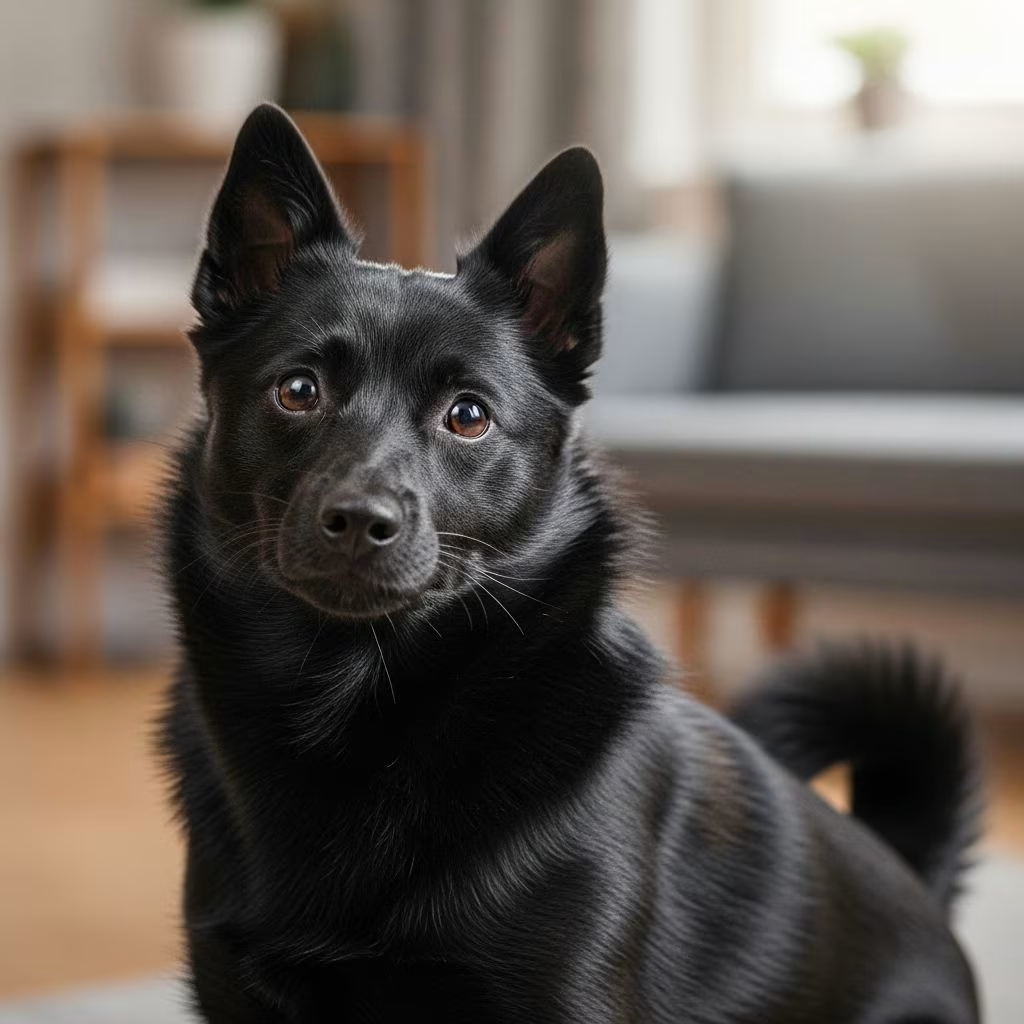
The Schipperke is compact and solidly built. Its striking silhouette is characterized by its square body, densely coated neck ruff, fox-like face, and pointed, upright ears.
- Size: Generally 10–13 inches at the shoulder, with males slightly larger than females
- Weight: 10–16 pounds (4.5–7.2 kg)
- Coat: Double-layered; short, soft undercoat with a harsher, longer outer coat. A pronounced ruff around the neck, fuller on males.
- Color: Jet black is most common (and preferred in show dogs), but some Schipperkes may be blonde or cream, though less frequently
- Tail: Traditionally tailless, though tails may occasionally be present
- Face and Eyes: Expressive, with a mischievous, alert look. Dark brown eyes are standard.
Particularly notable is their unique “culottes”— longer feathering on the thighs and rear legs— and the sparkly, intelligent expression that defines the breed’s playful personality.
Personality and Temperament
The Schipperke is famed for its lively and inquisitive nature. Endearingly referred to as the “little black devil” in its homeland, this breed is animated, alert, and sometimes mischievous—yet always loyal. Their strong-willed and independent streak is balanced by an affectionate disposition toward their families.
- Intelligent and Curious: Always eager to explore, solve puzzles, or watch over their domain.
- Natural Watchdog: Instinctively protective and quick to sound the alarm when strangers approach.
- Energetic and Playful: Loves active play and has abundant stamina for walks, games, or agility courses.
- Affectionate with Family: Bonds closely with household members and thrives on companionship and involvement in daily life.
- Independent but Trainable: Can be stubborn, so consistent and positive training methods work best.
- Good with Children (with supervision): Enjoys interactive play, but their herding instinct may lead them to “herd” youngsters if not properly guided.
While Schipperkes are friendly and social with those they trust, they may be wary or aloof with strangers until properly introduced. Their innate self-assurance and confidence contribute to their reputation as vigilant, determined companions.
Living With a Schipperke
Schipperkes adapt well to a variety of living situations as long as their exercise and mental stimulation needs are met. They do well in apartments, suburban homes, or rural settings, provided they get daily activity and interaction. Important factors for Schipperke owners include:
- Supervised Outdoor Time: Their high prey drive and natural curiosity mean they may wander if not securely fenced.
- Interactive Play: Schipperkes love toys, fetch, hide-and-seek, and agility games that keep their minds and bodies active.
- Routine: Predictable schedules for feeding, bathroom breaks, and exercise help keep them focused and happy.
- Companionship: They form strong attachments and may develop boredom or separation anxiety if left alone for long periods.
- Socialization: Early and ongoing socialization with people and other dogs ensures they remain well-mannered and confident.
Care and Grooming
Schipperkes are relatively low-maintenance, but their lush coats and active personalities benefit from regular grooming and attentive care:
- Brushing: Weekly brushing helps control shedding and keeps the dense undercoat healthy.
- Bathing: Only as needed—too frequent washing can strip natural oils.
- Shedding: Moderate, with heavier shedding typically in spring and fall.
- Nail Trimming: Monthly trimming recommended, as these active dogs can sometimes wear their nails down naturally.
- Ear and Dental Care: Regular checks and cleaning help prevent infections and dental disease.
- Exercise: Daily walks, play sessions, or agility work help channel their energy and intelligence constructively.
Owners should be mindful of the breed’s strong prey drive when outdoors, as well as their tendency to dig or chase if bored or understimulated.
Health and Common Issues
Generally robust and long-lived, most Schipperkes enjoy good health. Responsible breeders test for genetic conditions, and regular veterinary care can help maintain overall well-being. Potential health concerns include:
- Luxating Patella: A knee-joint condition common in small breeds
- Legg-Calvé-Perthes Disease: A degeneration of the femoral head at the hip joint
- Epilepsy: Seizure disorders occasionally reported in the breed
- Hypothyroidism: May cause weight gain, lethargy, or skin issues if untreated
- MPS IIIB (Mucopolysaccharidosis Type IIIB): A rare hereditary neurological disorder, for which responsible breeders screen breeding dogs
- Eye Issues: Such as progressive retinal atrophy (PRA) and cataracts
Routine checkups, a quality diet, appropriate exercise, and preventative veterinary care all contribute to a healthy life. Many Schipperkes live 13–15 years or even longer when well cared for.
Training and Exercise
Training a Schipperke can be a rewarding challenge. Their intelligence and energy make them fast learners, yet their independence sometimes calls for patience and creativity:
- Positive Reinforcement: Use praise, treats, and rewards to encourage good behavior.
- Early Socialization: Expose puppies to a range of sights, sounds, people, and other dogs from a young age.
- Obedience Training: Consistent routines help curb their tendency for willfulness.
- Engaging Activities: Schipperkes excel in agility, obedience, rally, and even scent work.
- Mental Stimulation: Puzzle toys, advanced tricks, and interactive games help keep them focused and calm.
Remember, these alert little dogs love a job to do—idle time can lead to mischievous behavior or excessive barking. Proper training and enrichment are essential for a happy, balanced Schipperke.
Frequently Asked Questions (FAQs)
Q: Are Schipperkes good family pets?
A: Yes, Schipperkes are devoted to their families and typically get along well with children and adults. Supervision is recommended with young children due to the dog’s herding instincts and spirited energy.
Q: Do Schipperkes get along with other pets?
A: They can coexist with other dogs and even cats, especially if raised together from puppyhood. However, their strong prey drive may urge them to chase smaller animals, so introductions should be supervised.
Q: How much exercise does a Schipperke need?
A: Daily moderate to vigorous activity is best. Schipperkes need more stimulation than a sedentary lapdog, thriving with walks, playtime, and challenging games.
Q: Are Schipperkes hypoallergenic?
A: No, Schipperkes are not considered hypoallergenic. They shed year-round and seasonally, which can affect allergy sufferers.
Q: Do Schipperkes bark a lot?
A: Schipperkes are alert watchdogs and may bark in response to unfamiliar sounds or sights. Proper training and enrichment can help moderate excessive vocalization.
Q: What is the best environment for a Schipperke?
A: They thrive in homes that offer affection, activity, and structure. Whether in apartments or houses, they need a secure yard or frequent outdoor exercise and should not be left unsupervised where wandering is possible.
Conclusion
The Schipperke brings boundless charm, intelligence, and history to the world of dog breeds. With the right blend of training, attention, and affection, these little captains make steadfast, entertaining, and deeply loyal companions for individuals and families alike.
References
- https://www.akc.org/expert-advice/dog-breeds/schipperke-history-little-captain-docks/
- https://en.wikipedia.org/wiki/Schipperke
- https://schipperkeclubofamerica.org/all-about-schipperkes/
- https://www.schipperkeclub.co.uk/history-of-the-schipperke/
- https://schipperkeclubofamerica.org/the-breed/
- https://www.petmd.com/dog/breeds/schipperke
- https://www.akc.org/dog-breeds/schipperke/
- https://www.orvis.com/schipperke.html