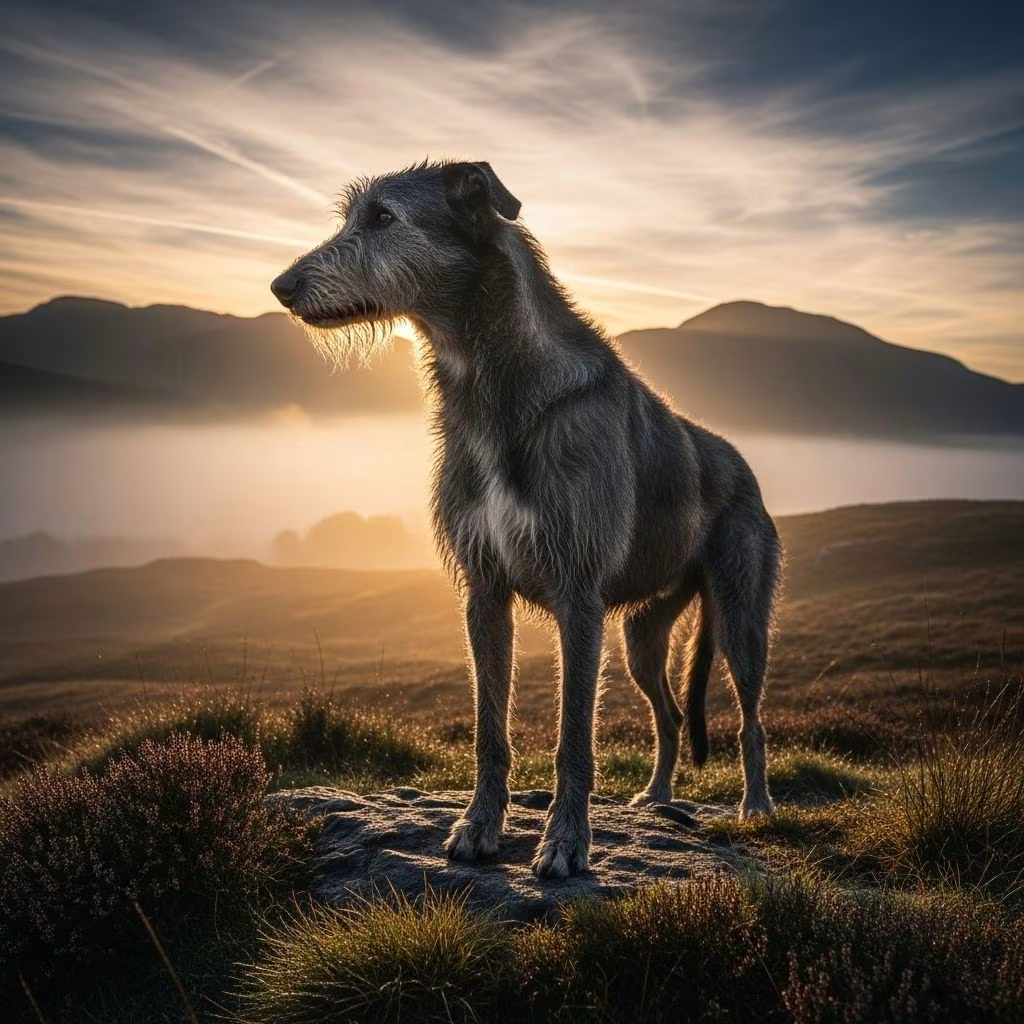
The Scottish Deerhound, often called the “Royal Dog of Scotland,” is a powerful and dignified sight hound—one of the tallest in the dog world and steeped in rich Scottish heritage. Bred to hunt the formidable red deer over rugged terrain, this breed is a living connection to ancient traditions and noble pursuits. Today, Scottish Deerhounds are admired for their grace, affectionate nature, and timeless appearance, making them a coveted breed for those who appreciate both beauty and history in their canine companions.
Breed Overview
- Group: Hound
- Height: 28–32 inches (male), 26–29 inches (female)
- Weight: 85–110 pounds (male), 75–95 pounds (female)
- Coat: Harsh and wiry with softer hair on the head, belly, and chest
- Colors: Blue-gray, gray, brindle, sandy red, black, fawn, occasional white markings
- Lifespan: 8–11 years
- Key Traits: Gentle, loyal, dignified, athletic, affectionate
History and Origin
The origins of the Scottish Deerhound stretch so far into the past that their existence is believed to predate the earliest Scottish clans. Ancient records trace similar sight hounds to as far back as the third century, but the breed as we recognize it emerged distinctly in the 16th and 17th centuries. At that time, the dogs were highly prized for their prowess in hunting red deer, known for their speed, courage, and stamina in bringing down prey weighing over 400 pounds with massive antlers.
During the Middle Ages and Renaissance, Deerhounds were not merely hunting dogs but also coveted symbols of status. Only the nobility—those ranked as earls or higher—were permitted to own one, leading to the moniker “Royal Dog of Scotland.” Such exclusivity nearly led to the breed’s extinction when political upheaval and changing hunting practices diminished their numbers.
Efforts in the 19th century—championed by breeders like Archibald and Duncan McNeill—helped revive the Deerhound population. The formation of the first breed clubs in the 1860s contributed to the breed’s survival and codification. Today’s Scottish Deerhound closely resembles those depicted in historical records, reflecting the breed’s legacy and careful preservation over centuries.
Appearance & Characteristics
With a noble, commanding presence, the Scottish Deerhound is often described as a rough-coated, larger version of the Greyhound. The breed’s body combines elegance with substantial bone and muscle, perfectly suited for speed and strength in the pursuit of deer over rough terrain.
- Head: Long, broad at the ears, tapering to the eyes; skull flat rather than round.
- Eyes: Dark (brown or hazel), with a gentle yet alert expression.
- Ears: Set high, folded back when at rest, semi-erect when alert.
- Muzzle: Long, pointed, with a strong jaw.
- Body: Deep chest, long back, ribs well-sprung, slightly longer than tall for optimal stamina and speed.
- Tail: Long, tapering, reaching almost to the ground; carried low with an occasional upward sweep.
- Coat: Harsh and wiry (3–4 inches), with softer fur on the head, belly, and chest—protection against harsh Scottish climates.
- Colors: Predominantly blue-gray, but also seen in other shades of gray, brindle, sandy red, black, and fawn. White markings are rare but permissible on the chest, feet, and tail tip.
Temperament & Personality
The Scottish Deerhound is renowned for its gentle, dignified, and affectionate temperament. Despite their imposing stature, Deerhounds are graceful companions—reserved yet loving with their families and friends. They are famously patient with children and generally sociable with other dogs, reflecting the balanced nature of a true noble hound.
They possess an easy-going, almost lazy demeanor when indoors. They enjoy lounging—often claiming the comfiest spots around the house. Deerhounds are not highly demonstrative or playful like some breeds, but their steadfast attachment and unwavering loyalty shine through in more subtle ways.
While typically quiet and not inclined to bark, their mere size may be a deterrent to strangers. However, they are not considered effective watchdogs due to their gentle and non-territorial nature.
Key Personality Traits
- Polite and calm indoors; sprightly and energetic outside, particularly when running in open spaces.
- Affectionate and loving towards their families, forming strong bonds with their owners.
- Usually reserved with strangers but very rarely aggressive.
- Good with children and known for their tolerant, patient demeanor.
- May have a strong prey drive; supervision around small pets is advisable.
Living With the Scottish Deerhound
Scottish Deerhounds are best suited for households that can accommodate their size and need for exercise. Homes with large, securely fenced yards, or access to wide open spaces, are ideal for these athletic hounds to stretch their legs and maintain their health.
- Despite their size, Deerhounds are content to lounge indoors if exercised regularly.
- They require daily opportunities to run—off-leash in a secured area or on a long lead.
- Apartment living is not recommended unless owners can provide ample outdoor exercise.
- They are friendly to other dogs but may instinctively chase small animals.
- Rarely nuisance barkers, they tend to be unobtrusive companions.
Care: Exercise, Grooming, and Nutrition
Exercise Needs
Scottish Deerhounds are high-endurance athletes, bred for chasing and capturing game over long distances. While they relish soft lounging at home, daily vigorous exercise is essential for their well-being.
- Daily off-leash sprints—ideally in secure, spacious areas—are crucial for their physical and mental health.
- Routine walks may not fully satisfy their exercise needs but do help maintain socialization and general fitness.
Grooming Requirements
The harsh, wiry coat is relatively low maintenance compared to many other breeds. However, regular grooming sessions are recommended:
- Weekly brushing with a slicker or pin brush removes dirt, debris, and loose hair.
- Bathing is needed only occasionally, unless the dog becomes especially dirty.
- Check ears regularly for debris and signs of infection, trim nails as needed, and maintain good dental hygiene.
Nutrition and Feeding
- Feed a high-quality commercial or home-prepared diet under veterinary guidance.
- Because of their deep chest, Deerhounds can be prone to bloat (gastric torsion); multiple small meals and slow-feed bowls are helpful prevention strategies.
- Monitor weight to avoid obesity, particularly as their lounging tendency may lead to easy weight gain.
Health and Lifespan
The Scottish Deerhound is a generally robust breed but exhibits specific vulnerabilities common to large, deep-chested sight hounds.
Common Health Issues
- Dilated Cardiomyopathy: A heart condition seen in several large breeds.
- Osteosarcoma: Bone cancer is a higher risk compared to many other breeds.
- Bloat (Gastric Torsion): Life-threatening stomach twisting; prompt medical attention is vital if symptoms develop.
- Liver Shunt (Portosystemic Shunt): Congenital concern affecting liver blood flow.
- Anesthesia Sensitivity: Deerhounds can be sensitive due to their lean body mass; always consult an experienced veterinarian before surgery or procedures requiring anesthesia.
Lifespan: The typical Scottish Deerhound lives 8–11 years, with attentive care, a healthy diet, and routine veterinary check-ups supporting optimal longevity.
Training and Socialization
Training the Scottish Deerhound is typically an enjoyable experience due to their eagerness to please, though patience and gentle handling yield the best results.
- Begin socialization and obedience training early to instill good manners.
- Positive reinforcement, consistency, and encouragement are most effective.
- Recall (coming when called) can be a challenge outdoors due to their sighthound instinct to chase moving objects—reliable fencing is crucial.
- Early and continued exposure to children, other dogs, and various environments will produce a confident, well-adjusted adult.
Breed Standard & Recognition
The breed standard for Scottish Deerhounds—a formal written description of the ideal specimen—has remained almost unchanged since the late 19th century, reflecting a commitment to tradition and integrity. According to breed authorities, the Deerhound should closely resemble a rough-coated Greyhound of heavier bone and greater size, exhibiting balance, athleticism, and natural dignity.
Scottish Deerhounds are recognized by leading kennel clubs worldwide, including the American Kennel Club (AKC), which has maintained breed standards that trace back to British sources from the 1800s. Dedicated breed clubs continue to protect and promote these standards, ensuring the breed’s classic characteristics are preserved for future generations. The breed is currently ranked 135th out of 155 AKC-recognized breeds for popularity, highlighting its status as a treasured but uncommon companion.
Fun Facts about Scottish Deerhounds
- Scottish Deerhounds may have existed even before recorded Scottish history, with possible ancestors in the third century.
- Once, only noblemen (earls and above) could own the breed, underscoring its royal heritage.
- The Deerhound’s imposing yet gentle nature led to repeated near-extinction due to strict ownership laws and changes in hunting practices.
- Often confused for Irish Wolfhounds, Deerhounds differ in size, build, and head shape.
- In 2011, a Scottish Deerhound named Foxcliffe Hickory Wind made history by winning Best in Show at the famed Westminster Kennel Club Dog Show.
- The breed’s galloping silhouette was designed for stamina and agility, not just sheer speed.
Scottish Deerhound vs. Irish Wolfhound: A Quick Comparison
| Feature | Scottish Deerhound | Irish Wolfhound |
|---|---|---|
| Height | 28-32 in. (male) | 32 in. & up (male) |
| Build | Lean, lighter | Heavier, more massive |
| Head | Long, narrower | Broader, heavier skull |
| Main Use | Stag hunting | Wolf hunting |
| Temperament | Gentle, dignified | Gentle, placid |
Is the Scottish Deerhound Right for You?
The Scottish Deerhound is best for owners who appreciate large, dignified dogs and can offer them space, companionship, and structured exercise. Their quiet presence and loving demeanor make them loyal household members, but a basic understanding of their size, strength, and hunting legacy is crucial.
- Ideal for families with large, fenced yards, or rural homes.
- Requires daily exercise and regular grooming—but is not high-maintenance overall.
- Thrives with loving, consistent leadership and participation as a cherished member of the family.
- Not suited for homes with small, fast-moving pets, except with early and careful socialization.
Frequently Asked Questions (FAQs)
Q: Are Scottish Deerhounds good with children?
A: Yes, Scottish Deerhounds are generally gentle and tolerant with children. They are patient and dignified, but due to their size, interactions with very young children should always be supervised.
Q: How much exercise does a Scottish Deerhound need?
A: Deerhounds require daily vigorous exercise to stay healthy and happy. They are happiest in large, secure spaces where they can run freely.
Q: Is the Scottish Deerhound easy to train?
A: While eager to please and intelligent, Deerhounds respond best to gentle, consistent training methods. Early socialization and positive reinforcement yield the best results.
Q: Do Scottish Deerhounds get along with other pets?
A: They generally get along with other dogs but have a strong instinct to chase. Care should be taken with small pets unless socialized from a young age.
Q: What are some notable health risks for Scottish Deerhounds?
A: The breed is susceptible to certain conditions, including bloat, dilated cardiomyopathy, osteosarcoma, and anesthesia sensitivity. Regular veterinary care and awareness of breed-specific health issues are essential.
Q: What is their average lifespan?
A: Scottish Deerhounds typically live 8–11 years, with good care and regular veterinary attention improving their quality and length of life.
Conclusion
The Scottish Deerhound is an enduring symbol of Scotland’s noble heritage—a breed as powerful and swift as it is compassionate and loyal. Their graceful lines, quiet dignity, and gentle affection make them extraordinary companions for those able to meet their unique needs. Whether racing across Scottish moors or curled up in a family living room, the Scottish Deerhound remains a timeless testament to the best qualities of canine companionship.
References
- https://www.akc.org/dog-breeds/scottish-deerhound/
- https://www.akc.org/expert-advice/dog-breeds/9-fun-facts-scottish-deerhounds/
- https://www.akc.org/expert-advice/dog-breeds/scottish-deerhound-history/
- https://vcahospitals.com/know-your-pet/scottish-deerhound
- https://www.petful.com/dog-breeds/breed-profile-scottish-deerhound/
- https://georgiapuppiesfromheaven.com/breed-info/hound/scotdeer/