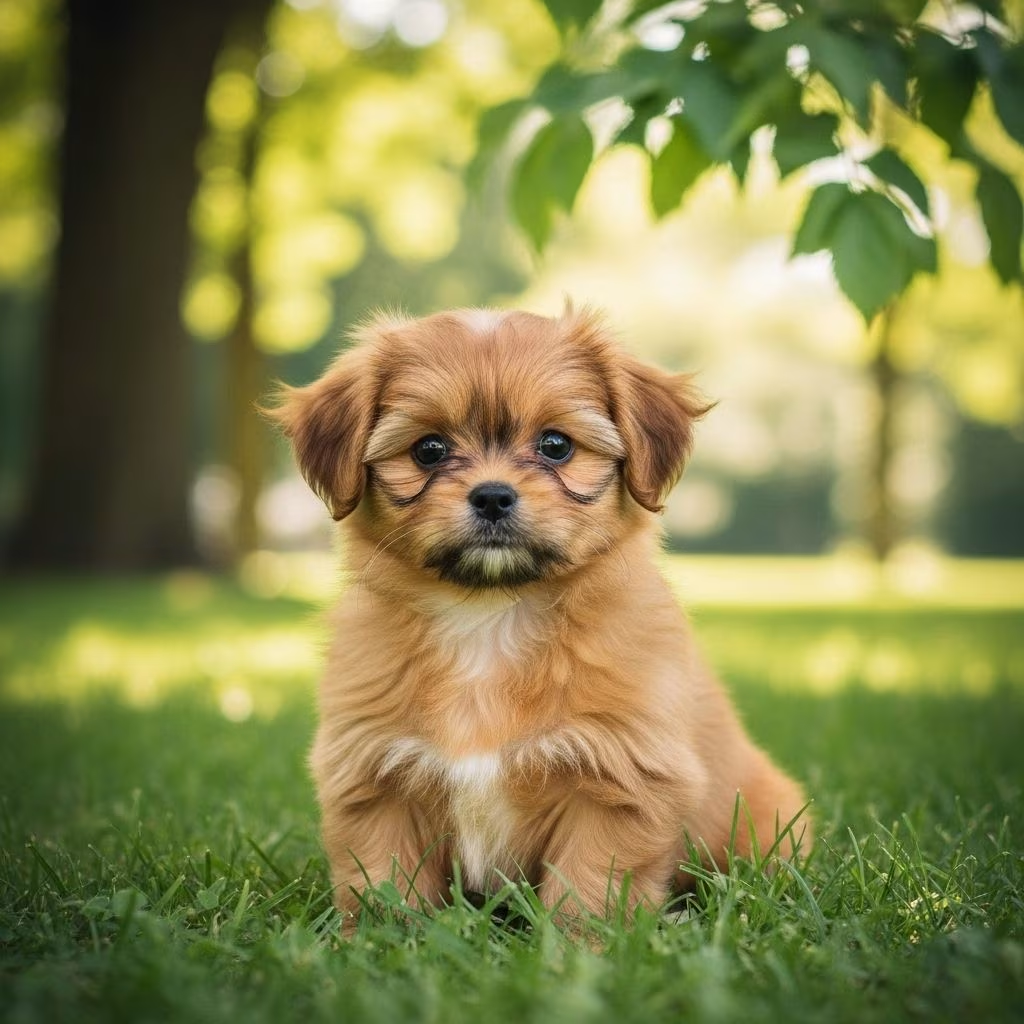
The Shiranian—also known as the Shih-Pom, Pom-Tzu, or Shih A Pom—is a lovable, toy-sized mixed dog breed resulting from a cross between the Shih Tzu and the Pomeranian. Cherished for its companionship, the Shiranian combines the gentle affection of the Shih Tzu with the playful vivacity of the Pomeranian, making it an ideal house pet for many families and individuals.
Breed Overview: Key Characteristics
| Height | 7 to 10 inches |
|---|---|
| Weight | 4 to 13 pounds |
| Lifespan | 12 to 16 years |
| Colors | Chocolate, black, red, sable, orange, multicolor, brindle |
| Temperament | Calm, playful, affectionate, friendly, sensitive |
| Suitable for | Families, singles, seniors, apartment dwellers |
Origins and History
The Shiranian is a designer hybrid dog bred from the Shih Tzu and the Pomeranian, two long-established toy breeds.
- Shih Tzu: Known for its loyal and outgoing personality, the Shih Tzu originated in Tibet and China as a companion to royalty.
- Pomeranian: A Spitz-type breed from Central Europe, Pomeranians are lively, intelligent, and famous for their luxurious coats.
The goal in crossing these breeds is to blend the Shih Tzu’s warmth and the Pomeranian’s spunk, producing a companionable, small dog with a plush, attractive coat and a friendly disposition.
Appearance and Coat
Shiranians display a delightful variety in appearance, heavily influenced by the parent breeds’ genes. Most feature a small, sturdy frame and a face that often blends the Pomeranian’s fox-like muzzle with the soft, round features of the Shih Tzu.
- Size: These dogs typically reach 7–10 inches (18–25 cm) in height and weigh between 4–13 pounds (1.8–6 kg).
- Coat: The Shiranian’s coat is usually long, double-layered, and soft, requiring consistent grooming. Coat texture can be either straight, slightly wavy, or even a bit curly.
- Colors: This breed comes in a broad palette, including black, brown, red, orange, sable, chocolate, brindle, cream, and multi-colored combinations.
- Eyes and Ears: Eyes are often round and expressive, while ears can be erect like a Pomeranian’s or floppy like a Shih Tzu’s.
Distinctive Features
- Compact, toy-sized body with a fluffy, plumed tail.
- Friendly, eager expression and typically an alert posture.
- Considerable variation in appearance, even within a litter, adds to their charm and individuality.
Personality and Temperament
The Shiranian is prized for its affectionate, playful, and sociable temperament. These dogs quickly form strong bonds with their people and thrive on companionship and attention.
- Playful and Cheerful: Shiranians enjoy active play but are just as happy curled up in your lap for a nap.
- Sociable: They are generally good with children and friendly toward strangers, making them poor watchdogs but great companions.
- Bright and Alert: Highly perceptive, Shiranians pick up on household routines quickly and respond well to positive training.
- Sensitive: These dogs can be affected by the mood and presence of their families, sometimes suffering from separation anxiety if left alone for long periods.
- Variable Personality: Individuals may lean toward Pomeranian exuberance or Shih Tzu tranquility, but most fall somewhere in-between.
Family Suitability
- Excellent for families, singles, and seniors wanting a loving indoor companion.
- Best for homes where someone is often home, as Shiranians dislike long separations.
- Generally friendly with children and other small pets if socialized early.
Living Requirements
Thanks to their small size and gentle energy, Shiranians adapt well to apartment living and homes of all sizes.
- Indoors: Best suited for indoor life; not recommended as outdoor-only pets due to their small size and sociable nature.
- Space: Although they appreciate outdoor play, they do not require large yards. Regular indoor games are suitable.
- Companionship: Prolonged solitude can lead to boredom, anxiety, or nuisance barking.
Grooming Needs
The Shiranian’s luxurious double coat needs consistent care to stay healthy and tangle-free.
- Brushing: Brush at least 2–3 times per week—daily is ideal—to prevent matting and reduce shedding.
- Bathing: Bathe every 4–6 weeks using a gentle dog shampoo.
- Trimming: Occasional trims by a professional groomer help maintain a neat, manageable coat and avoid tangles in longer-haired Shiranians.
- Other Care: Regularly clean ears, brush teeth several times a week, and trim nails monthly.
With routine grooming and proper care, Shiranians are minimal to moderate shedders, and they do not drool excessively, keeping your home cleaner compared to many breeds.
Exercise and Activity Needs
Shiranians are moderately energetic. Their exercise requirements are manageable yet essential to their overall health and happiness.
- Daily Walks: Short to moderate daily walks are ideal.
- Indoor Play: Play sessions, fetch, tug-of-war, and interactive toys help to stimulate body and mind.
- Rest: Shiranians love naps as much as play—balance is key.
These dogs are typically content with activity suited for their size, making them especially well-matched for people living in apartments or those with limited mobility.
Training and Socialization
With the right approach, Shiranians can be intelligent and eager to please, though they may sometimes display a streak of independence or stubbornness, inherited from either parent breed.
- Start Early: Early socialization and training are crucial to foster good manners and build trust.
- Positive Reinforcement: Use treats, affection, and praise for best results. Harsh training methods should be avoided.
- Crate Training: Can help with housebreaking, though patience and consistency are required.
- Socialization: Gently expose your Shiranian to new people, places, and other animals to reduce shyness or nervousness.
While most Shiranians respond well to training, continued encouragement and mental stimulation will help channel their energy into positive behaviors.
Health and Potential Concerns
Shiranians are generally robust, but, as with all breeds, they may inherit some health risks from their parent breeds. With responsible breeding, healthy diet, and regular veterinary care, they often enjoy long, happy lives.
Common Health Considerations
- Cataracts: Clouding of the eye’s lens can occur, particularly in older dogs.
- Hypoglycemia: Low blood sugar, especially notable in very small or young puppies.
- Allergies: Susceptibility to skin and food allergies in some individuals.
- Hypothyroidism: Refers to an underactive thyroid gland; regular blood tests can check for this condition.
- Dental Issues: Their small jaws can mean crowded teeth—consistent dental care is essential.
Maintaining regular veterinarian visits, a quality diet, and proper exercise can mitigate many issues and catch health problems early.
Lifespan
- 12 to 16 years: With good care, Shiranians often reach the upper end of this lifespan, making them a long-term companion.
Feeding and Nutrition
Proper nutrition is fundamental for a healthy, thriving Shiranian.
- Feed a high-quality, age-appropriate kibble, formulated for small or toy breeds.
- Control portion sizes to prevent obesity, which can strain a small dog’s joints.
- Fresh water should be available at all times.
- Monitor for any sensitivities or allergies, adjusting diet with guidance from your vet if needed.
Adopting a Shiranian
Whether adopting from a rescue, shelter, or purchasing from a breeder, prospective Shiranian owners should:
- Research thoroughly to ensure the breed matches your lifestyle and expectations.
- Choose responsible breeders who test for hereditary conditions and raise pups in home environments.
- Visit shelters and rescue organizations specializing in small and mixed breeds; many Shiranians end up in rescues due to their popularity as companion dogs.
Shiranian: Pros and Cons
| Pros | Cons |
|---|---|
| Affectionate and loyal companion | Prone to separation anxiety if left alone frequently |
| Small, manageable size | Requires regular grooming and coat care |
| Generally good with children and pets | May be stubborn during training/housebreaking |
| Suitable for apartments and small living spaces | Moderate exercise needs to avoid restlessness |
| Usually robust and healthy with proper care | Potential genetic health concerns from both parent breeds |
Shiranian vs. Similar Breeds
| Breed | Parent Breeds | Key Traits |
|---|---|---|
| Maltipoo | Maltese & Poodle | Affectionate, intelligent, curly coat, suitable for allergy sufferers |
| Yorkiepoo | Yorkshire Terrier & Poodle | Playful, sociable, smart, and hypoallergenic |
| Shiranian | Shih Tzu & Pomeranian | Gentle, lively, loyal, fluffy coat, thrives on attention |
Frequently Asked Questions (FAQs)
What are common names for the Shiranian?
Other names include Shih Pom, Pom Tzu, and Shih A Pom.
Do Shiranians get along with other pets?
Yes, with early socialization, most Shiranians are friendly to other dogs and even cats. Their playful nature generally makes them good companions for other friendly animals.
Are Shiranians hypoallergenic?
While no dog is truly hypoallergenic, Shiranians tend to shed less than some breeds, but allergy sufferers should spend time with them before committing.
Is the Shiranian suitable for first-time owners?
Shiranians are generally suitable for motivated first-time owners prepared for a moderate grooming schedule and willing to provide plenty of companionship.
How often do Shiranians need exercise?
Recommended is 20–30 minutes of physical activity per day, via walks or indoor play sessions, to keep them healthy and content.
How long do Shiranians live?
The average lifespan is 12–16 years with proper care, reflecting the longevity of both parent breeds.
Are Shiranians good guard dogs?
No, Shiranians are affectionate and tend to greet strangers eagerly rather than act as watchdogs.
Conclusion
The Shiranian is a delightful blend of devotion, energy, and charm, making it a wonderful companion for those seeking a small, affectionate, and lively pet. With their adaptable nature, manageable size, and loving personalities, Shiranians bring joy and warmth to a wide variety of households. Understanding their care needs, health considerations, and temperament ensures you and your Shiranian enjoy the happiest life together.