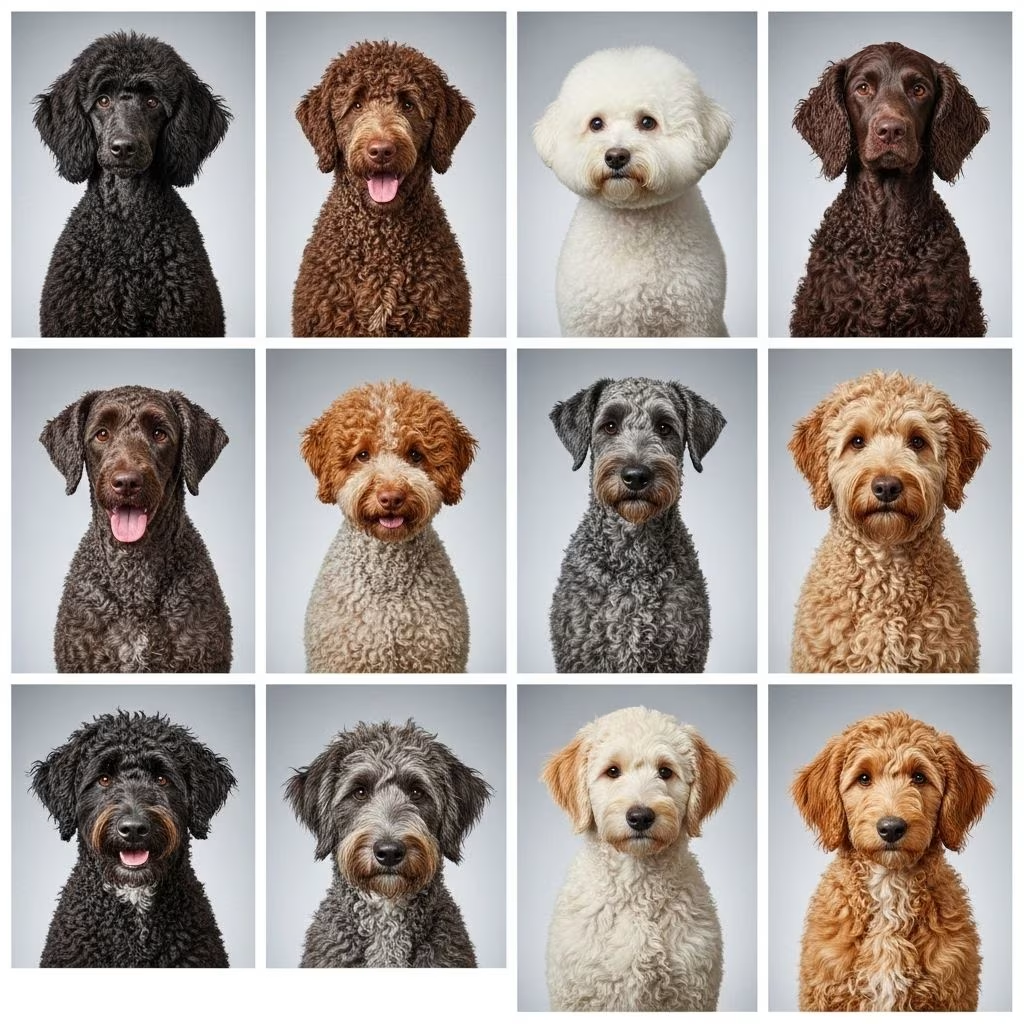
Dogs have long fascinated humans with their remarkable ability to learn, problem solve, and work alongside us. Among hundreds of recognized dog breeds, some stand out not just for their looks or loyalty, but for their exceptional intelligence. This comprehensive guide examines the world’s smartest dog breeds, explains how canine intelligence is measured, and gives insights into why these breeds excel in various roles, from working dogs to beloved companions.
Measuring Canine Intelligence
What exactly makes a dog ‘smart’? Canine intelligence isn’t just about obeying commands — it also involves the ability to adapt, solve problems, learn new things quickly, and even show emotional understanding. Researchers such as Dr. Stanley Coren, author of “The Intelligence of Dogs,” developed a widely respected ranking system by assessing how quickly breeds learn new commands and perform specific tasks.
Generally, canine intelligence is evaluated using three main criteria:
- Working and Obedience Intelligence: How quickly and accurately a dog obeys instructions and performs tasks.
- Adaptive Intelligence: The ability to solve problems independently.
- Instinctive Intelligence: A breed’s natural aptitude for specific jobs, such as herding, retrieving, or guarding.
Many of the breeds topping intelligence lists are those developed for complex tasks requiring quick thinking and a strong work ethic. Read on to discover which breeds are widely recognized as the most intelligent in the canine world.
Ranking the Smartest Breeds
After extensive testing and research, Dr. Coren and other canine experts frequently cite the following breeds among the top performers in canine intelligence. These breeds often excel at training, agility, and specialized work.
1. Border Collie
The Border Collie is globally recognized as the most intelligent dog breed. Known for their extraordinary herding capabilities and boundless energy, Border Collies are legendary for their quick learning and remarkable focus. This breed requires intense mental and physical stimulation; without it, their intelligence may lead to restlessness or destructive behaviors. Many owners and trainers note that Border Collies have nearly human-like problem-solving skills and can learn hundreds of words, as demonstrated by famous examples like “Rico,” a Border Collie who recognized over 200 words.
- Height: 18–22 inches
- Weight: 30–55 lbs
- Life Expectancy: 12–15 years
- Known for: Athleticism, herding instinct, work ethic
2. Poodle
Poodles, in their Standard, Miniature, and Toy varieties, combine style with substance. These curly-coated canines are adept at learning new commands swiftly, responding well to positive, consistent training. Originally bred for water retrieving, Poodles are agile, eager to please, and renowned for excelling in obedience, agility, and even performances in circuses and dog sports.
- Height: 10–24 inches (Toy to Standard)
- Life Expectancy: 10–18 years
- Known for: Versatility, eagerness to learn, hypoallergenic coats
3. German Shepherd Dog
The German Shepherd Dog (GSD) is prized worldwide as a top service, police, and military dog. This breed stands out for its courage, confidence, and sharp intelligence. GSDs thrive when given jobs to do, whether it’s working as a guide dog, detecting odors, or performing on a sports field. Their high trainability and capacity to discriminate between friend and foe make them one of the most dependable working breeds.
- Height: 22–26 inches
- Weight: 50–90 lbs
- Life Expectancy: 12–14 years
- Known for: Loyalty, trainability, protective instincts
4. Golden Retriever
With their friendly faces and gentle personalities, Golden Retrievers are more than just family favorites — they’re exceptionally intelligent. Golden Retrievers are known for their adaptability, eagerness to please, and successful careers in everything from search-and-rescue to therapy work. Quick to learn commands, they often outshine competitors in obedience trials, and their even temperament makes training a joy.
- Height: 21.5–24 inches
- Weight: 55–75 lbs
- Life Expectancy: 10–12 years
- Known for: Affectionate nature, adaptability, strong work ethic
5. Doberman Pinscher
The Doberman Pinscher combines elegance and muscle with a keen mind. Developed as a fearless protector by Louis Dobermann in Germany, Dobermans exhibit strong loyalty and a sharp intellect, making them standouts in obedience and personal protection work. Their sensitivity to their surroundings, coupled with their strong bond with owners, means they require regular socialization and firm, positive leadership.
- Height: 24–28 inches
- Weight: 60–100 lbs
- Life Expectancy: 10–12 years
- Known for: Alertness, energy, guardian instincts
6. Shetland Sheepdog
The charming Shetland Sheepdog, or “Sheltie,” condenses brains and energy into a compact frame. Originally bred to herd sheep in the Shetland Islands, Shelties excel at agility and obedience competitions. These dogs develop strong attachments to their owners, are highly trainable, and delight in herding just about anything — including children.
- Height: 13–16 inches
- Weight: 15–25 lbs
- Life Expectancy: 12–14 years
- Known for: Speed, agility, loyalty
7. Labrador Retriever
One of the world’s most beloved breeds, the Labrador Retriever is prized for its intelligence, enthusiasm, and gentle spirit. Labs quickly pick up on training, making them superb guide dogs and loyal companions. Originally bred for retrieving waterfowl, their abilities extend to a variety of service and therapy dog roles.
- Height: 21.5–24.5 inches
- Weight: 55–80 lbs
- Life Expectancy: 10–12 years
- Known for: Friendliness, versatility, trainability
8. Papillon
The only Toy Group breed ranked among the top for intelligence, the Papillon (French for “butterfly”) wows with its rapid learning and agility. Despite their diminutive size, Papillons excel in a variety of canine sports and are remarkably responsive, earning them a reputation as both clever and athletic.
- Height: 8–11 inches
- Weight: 5–10 lbs
- Life Expectancy: 12–16 years
- Known for: Agility, alertness, lively character
9. Rottweiler
With a legacy dating back to Roman times, the Rottweiler impresses with its strength and mental acuity. Highly perceptive and deeply loyal, Rottweilers excel in police, military, and protection work. They respond best to consistent, clear leadership and firm, positive reinforcement.
- Height: 22–27 inches
- Weight: 80–135 lbs
- Life Expectancy: 9–10 years
- Known for: Confidence, protective instincts, decisiveness
What Drives Dog Intelligence?
Several factors influence a breed’s intellectual ranking:
- Herding and Working Backgrounds: Breeds developed to herd animals or complete challenging tasks are often the fastest learners.
- Trainability: Willingness to please and enthusiasm for structured activity make some breeds quick studies, while others are more independent.
- Problem-Solving Skills: Dogs that can independently adapt and find solutions often rank among the smartest.
- Social Intelligence: The ability to read human cues and emotions is another important aspect of dog smarts.
Why Is Intelligence Important in Dogs?
A dog’s intelligence impacts their suitability for certain jobs, their responsiveness to training, and their potential behavioral challenges. Smart dogs often excel as service or therapy animals, in competitive sports, and as loving family pets — but they may also require more attention and stimulation than other breeds.
| Rank | Breed | Group | Main Qualities |
|---|---|---|---|
| 1 | Border Collie | Herding | Trainability, problem-solving, energy |
| 2 | Poodle | Non-Sporting | Versatile, eager, quick learner |
| 3 | German Shepherd | Herding | Loyalty, courage, adaptability |
| 4 | Golden Retriever | Sporting | Friendly, quick learner, adaptable |
| 5 | Doberman Pinscher | Working | Protective, alert, obedient |
| 6 | Shetland Sheepdog | Herding | Agility, loyalty, responsiveness |
| 7 | Labrador Retriever | Sporting | Friendly, versatile, smart |
| 8 | Papillon | Toy | Agile, alert, energetic |
| 9 | Rottweiler | Working | Confident, loyal, perceptive |
Bringing Out the Best in Your Dog
A smart dog’s abilities shine brightest when matched with an equally dedicated owner. Here are some tips for nurturing your intelligent dog’s mind and keeping them happy:
- Keep Training Consistent: Regular sessions help reinforce learning and prevent boredom.
- Incorporate Puzzle Toys and Games: Interactive toys challenge their minds and reduce behavioral issues.
- Provide Adequate Physical Exercise: Most intelligent breeds need plenty of daily activity.
- Try New Activities: Agility, obedience, scent work, and even therapy dog tasks provide new challenges and help highly intelligent breeds thrive.
Remember: Clever dogs may find creative ways to occupy themselves if their brains aren’t stimulated — which can sometimes mean mischief!
Frequently Asked Questions (FAQs)
Q: How is dog intelligence measured?
A: Most experts assess canine intelligence using trainability, ability to quickly learn new commands, problem-solving skills, and instincts for particular tasks. Dr. Stanley Coren’s rankings are based primarily on how many repetitions a breed needs to learn new commands and how reliably they obey.
Q: Are all smart breeds easy to train?
A: While intelligent breeds can pick up tasks quickly, their intelligence can sometimes make them independent or mischievous if they’re bored. Consistent, positive training is key to success.
Q: Is intelligence the most important factor when choosing a dog?
A: Not always. While intelligence makes training and certain activities easier, energy level, temperament, and lifestyle compatibility should also guide your choice.
Q: Are mixed breeds less intelligent than purebreds?
A: Not at all! Many mixed-breed dogs display exceptional intelligence. Environment, training, and individual factors play a big role — mixed breeds can be just as smart as their purebred counterparts.
Q: Do intelligent dogs need special care?
A: Yes. Highly intelligent breeds often need more mental and physical stimulation than others. Failing to provide outlets for energy and smarts can lead to boredom-driven behavioral issues.
Key Takeaways
- Border Collies, Poodles, and German Shepherds regularly top intelligence rankings due to their rapid learning and adaptability.
- Smart breeds often require more engagement and stimulation to prevent problem behaviors.
- Canine intelligence is multidimensional, encompassing not just obedience but problem-solving, social skills, and instinctual abilities.
Choosing an intelligent dog breed offers wonderful benefits, from fast training to impressive skills — but remember, a sharp mind must be matched with dedication, effort, and love.
References
- https://www.akc.org/expert-advice/dog-breeds/smartest-dog-breeds/
- https://www.chewy.com/education/dog/general/the-smartest-dog-breeds-ranked
- https://www.nasdaq.com/articles/top-20-smartest-dog-breeds
- https://www.akc.org/expert-advice/lifestyle/worlds-smartest-dog/
- https://www.akc.org/dog-breeds/smartest-dogs/
- https://www.akc.org/dog-breeds/smartest-breeds-of-dog/
- https://www.akc.org/dog-breeds/smartest-dogs/page/2/