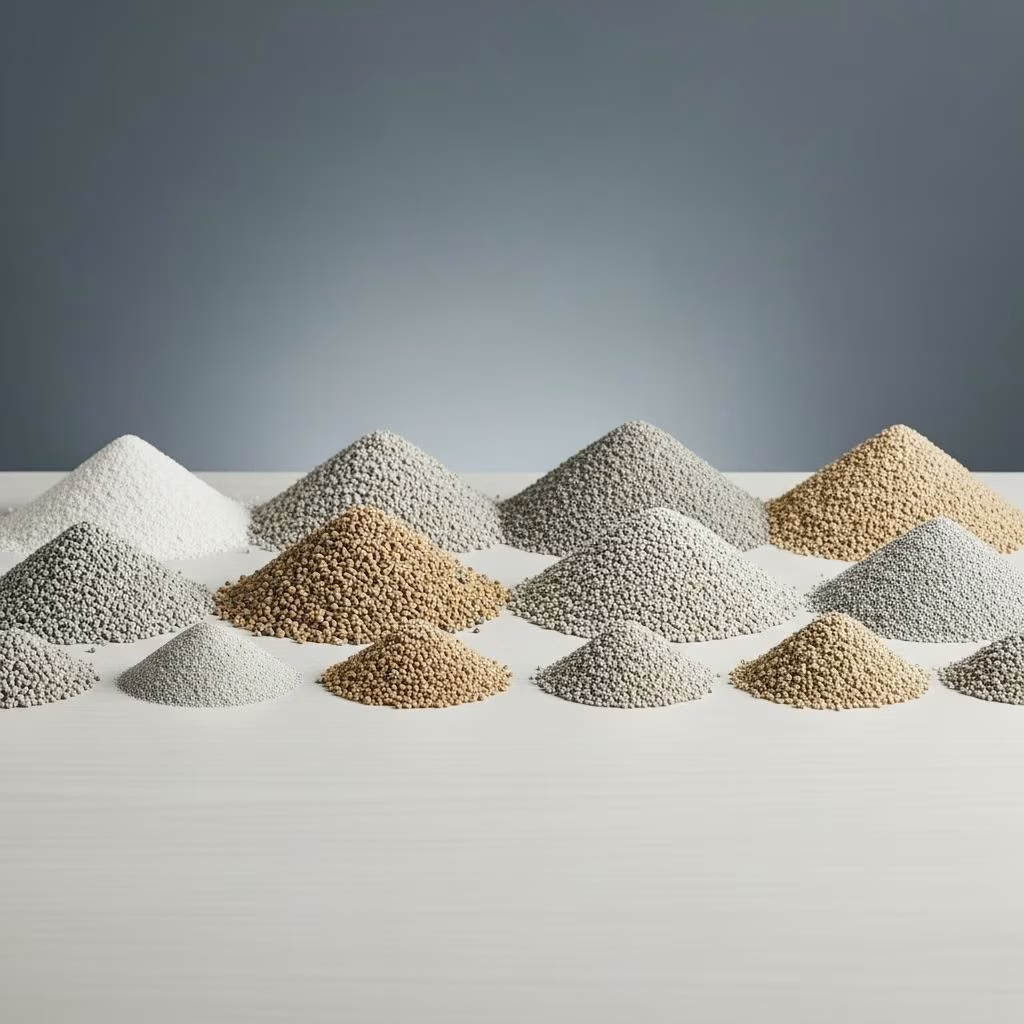
Choosing the right cat litter is a crucial decision for every cat owner, affecting your pet’s comfort, health, and your home’s cleanliness. Over the years, the market has expanded to offer a wide variety of options—each with unique compositions, characteristics, and advantages. Understanding these choices helps ensure a happier, healthier cat and a fresher environment. This guide explores all major types of cat litter, their features, benefits, drawbacks, and tips to help you select the best one for your needs.
Understanding Cat Litter Categories
Cat litter is broadly classified by its origin and functionality. Most litters fall into two overarching categories:
- Clumping vs. Non-Clumping: Refers to whether the litter forms scoopable clumps upon contact with moisture.
- Organic vs. Inorganic: Describes whether the litter’s ingredients are plant-based/natural or mineral/synthetic.
Your ideal litter will depend on a mix of your cat’s preferences, their health, your cleaning routine, and any environmental concerns you may have.
1. Clumping Clay Cat Litter
Clumping clay litter is the most commonly used type. It contains sodium bentonite clay, which forms solid masses when it comes into contact with liquid, allowing for easy removal of both urine and feces.
- Pros:
- Simple daily maintenance—removes just the soiled parts.
- Widely available, often cost-effective.
- Offers strong odor control due to clump removal.
- Cons:
- Often dusty, which may irritate the respiratory systems of sensitive cats or humans.
- Heavy and can track outside the box.
- Non-biodegradable and sourced from strip mining, raising environmental concerns.
Some clumping formulas may also contain fragrances, which can be off-putting for cats with keen noses or allergies.
2. Non-Clumping Clay Cat Litter
Non-clumping clay litters predate the clumping formulas. Instead of forming wet clumps, they absorb urine in place and encase solid waste, requiring the entire box to be changed frequently.
- Pros:
- More affordable per bag or box than clumping clay.
- Simple, traditional solution.
- Cons:
- Requires complete litter changes more often (to control lingering odors and bacteria).
- Can become muddy and difficult to clean as it becomes saturated.
- Produces dust, similar environmental drawbacks as its clumping counterpart.
Non-clumping litters may be a good choice for kittens, since there’s no risk of ingesting hard clumps, but are less popular among adult-cat households due to higher maintenance.
3. Silica Gel or Crystal Cat Litter
Silica gel crystal litter uses porous silica beads or crystals that soak up liquid and lock away odors. These do not clump, but the beads change color as they become saturated, indicating when to change the litter.
- Pros:
- Exceptional odor absorption and moisture-locking ability.
- Virtually dust-free and gentle on sensitive systems.
- Flood-resistant and lightweight compared to clay.
- Can last weeks without a complete change.
- Cons:
- More expensive per pound, though uses less litter overall.
- The crystal texture may not appeal to all cats.
- Not biodegradable and not flushable.
Silica gel is particularly popular for single-cat households or for pet owners looking for a low-dust, low-maintenance solution.
4. Natural and Biodegradable Cat Litters
The increasing demand for eco-friendly and biodegradable products has led to a surge in natural cat litter options. These plant-based or renewable resource litters offer lower environmental impact, are often flushable, and generally break down in landfills or compost piles. The most common types include:
- Pine Litter: Made from compressed sawdust pellets or shavings. It has a natural pine scent and is low in dust.
- Paper Litter: Created from recycled paper, typically formed into pellets. Gentle on sensitive paws and suitable for post-surgical cats or those with allergies.
- Corn Litter: Uses ground corn kernels or cobs, sometimes clumping and sometimes non-clumping. Lightweight and renewable.
- Wheat Litter: Milled wheat absorbs moisture; offers some clumping, minimal dust, and a natural scent.
- Walnut Litter: Ground walnut shells provide strong odor absorption and a darker color that conceals waste.
- Grass Litter: A renewable, plant-based, moderately clumping option, soft underfoot and dust-free.
Each natural option has unique benefits depending on your priorities. While generally more sustainable, these litters may not always match clay or silica for odor control or clumping strength.
Pine Cat Litter
- Advantages: Renewable, fresh scent, low dust, minimally processed.
- Drawbacks: Bulkier pellets, texture sensitivity for some cats, may require a special scoop.
Paper Cat Litter
- Advantages: Soft on paws, lightweight, made from recycled materials.
- Drawbacks: Needs frequent changing, limited odor control, can become soggy.
Corn Cat Litter
- Advantages: Plant-based, lightweight, some brands are flushable.
- Drawbacks: Sensitive to humidity and mold, some risk for cats with grain allergies.
Wheat Cat Litter
- Advantages: Minimal dust, natural scent, clumps moderately.
- Drawbacks: Less effective for strong odors, could attract insects.
Walnut Cat Litter
- Advantages: Effective odor containment, sustainable, rich natural color hides waste.
- Drawbacks: Can be rough or abrasive for some cats, less widely available.
Grass Cat Litter
- Advantages: Biodegradable, lightly clumping, soft on paws.
- Drawbacks: Can be costly and less available; tracking might be an issue.
5. Specialty Litters and Emerging Types
- Crystal (Silica Gel) Litter: Innovative yet established, these ultra-absorbent beads are ideal for maximum odor lock and low-maintenance households.
- Natural Pebble Litter: Typically made from diatomaceous earth, non-clumping, highly absorbent, and safe; useful for those seeking a dust-free, chemical-free option.
Emerging alternatives also include combinations of materials and unique substrates such as bamboo or tofu-based litters, though their availability and cost vary by region.
6. Key Considerations When Choosing Cat Litter
Selecting the right litter involves balancing multiple factors that impact both cats and their owners. Here’s what to consider:
- Your Cat’s Preference: Cats can be fussy and may refuse to use unfamiliar textures or strong scents. Introduce new litter gradually.
- Odor Control: Crucial for multi-cat houses or sensitive noses. Clumping clay and silica gel offer the best results, but some natural litters work well too.
- Dust and Tracking: Low-dust, low-tracking litters keep homes cleaner and reduce respiratory risks.
- Environmental Impact: Natural and biodegradable litters are best for eco-conscious owners.
- Cleaning and Maintenance: How often do you want to scoop or change the box? Clumping litters need daily spot cleaning; non-clumping types require more frequent dumps.
- Cost and Availability: Popular types come in various price ranges. Consider local access and long-term affordability.
- Health Considerations: Cats with respiratory, paw, or immune issues may require hypoallergenic, unscented, or extra-soft litters.
Cat Litter Type Comparison Table
| Type | Material | Clumping | Odor Control | Eco-Friendly | Cost |
|---|---|---|---|---|---|
| Clumping Clay | Bentonite Clay | Yes | High | No | Low-Moderate |
| Non-Clumping Clay | Clay | No | Moderate | No | Low |
| Silica Gel (Crystal) | Silica Beads | No | Very High | No | High |
| Pine | Wood/Pine | No/Some | Moderate | Yes | Moderate |
| Corn | Corn | Yes/No | Moderate | Yes | Moderate-High |
| Wheat | Wheat | Some | Moderate | Yes | Moderate |
| Walnut | Walnut Shells | Yes/No | Moderate | Yes | Moderate-High |
| Grass | Grass | Yes | Moderate | Yes | High |
| Paper | Recycled Paper | No | Low | Yes | Moderate |
| Pebble/Diatomaceous Earth | Mineral | No | Moderate | Maybe | High |
Tips for Transitioning to a New Cat Litter
- Mix new and old litter gradually over a week to prevent refusal.
- Observe your cat’s behavior; avoid perfumed or highly textured options if they appear hesitant.
- Stick with unscented, simple formulas for kittens or sensitive cats.
- Consult your veterinarian if you notice litter box avoidance or allergic reactions.
It’s normal to try a few different types before finding the ideal match for both you and your furry friend.
Maintaining Your Cat’s Litter Box
- Scoop clumped waste and feces daily for optimal hygiene.
- Replace non-clumping litter and fully wash the box at least once per week.
- Keep the box in a quiet, accessible location away from food and water dishes.
- Use a box appropriate for your cat’s size and easily accessible for elderly or disabled pets.
Regular litter changes are key to odor control and your cat’s happiness with their toilet area.
Frequently Asked Questions (FAQs)
Q: How often should I change my cat’s litter?
A: Clumping litters require daily scooping and a full change every 2–3 weeks. Non-clumping and natural litters often require twice-weekly full box changes to keep things fresh.
Q: Are natural litters safe for kittens?
A: Yes—unscented natural litters (like paper or pine) are usually safe for kittens, especially since they may try eating the litter. Clay-based clumping litters should be avoided for young kittens.
Q: What is the most eco-friendly litter?
A: Litters made from renewable materials like corn, wheat, pine, paper, or grass are the best for minimizing environmental impact, especially if they’re compostable or biodegradable.
Q: What litter controls odor best?
A: Silica gel (crystal) and clumping clay are the most effective for odor control, though many natural litters now offer strong protection with low dust and minimal scent additives.
Q: My cat is avoiding the box since I changed litter. What should I do?
A: Go back to the previous litter immediately, then transition more slowly by mixing the new and old litters, allowing your cat time to adjust. Sensitivity to scent or texture is common.
Final Thoughts
The world of cat litter is vast and continually evolving. Evaluate clumping, non-clumping, clay, silica, and plant-based litters based on your cat’s needs and your lifestyle. A little research goes a long way toward ensuring both cleanliness and your cat’s satisfaction.
References
- https://boxiecat.com/blogs/litter-learning-center/what-are-the-different-types-of-cat-litter
- https://okcvetcampus.com/types-of-cat-litter-which-one-is-best-for-your-cat/
- https://www.petsafe.com/blog/cat-litter-types-complete-guide/
- https://ritareimers.com/cat-behaviors/litter-box-avoidance/choosing-the-right-cat-litter/
- https://www.tuftandpaw.com/blogs/cat-guides/the-ultimate-guide-to-different-types-of-cat-litter
- https://www.drelseys.com/2024/09/24/cat-litter-types-the-ultimate-guide-to-choosing-a-litter/
- https://vcahospitals.com/pediatric/kitten/prep-supplies/different-types-of-cat-litter
- https://cats.com/best-cat-litter