


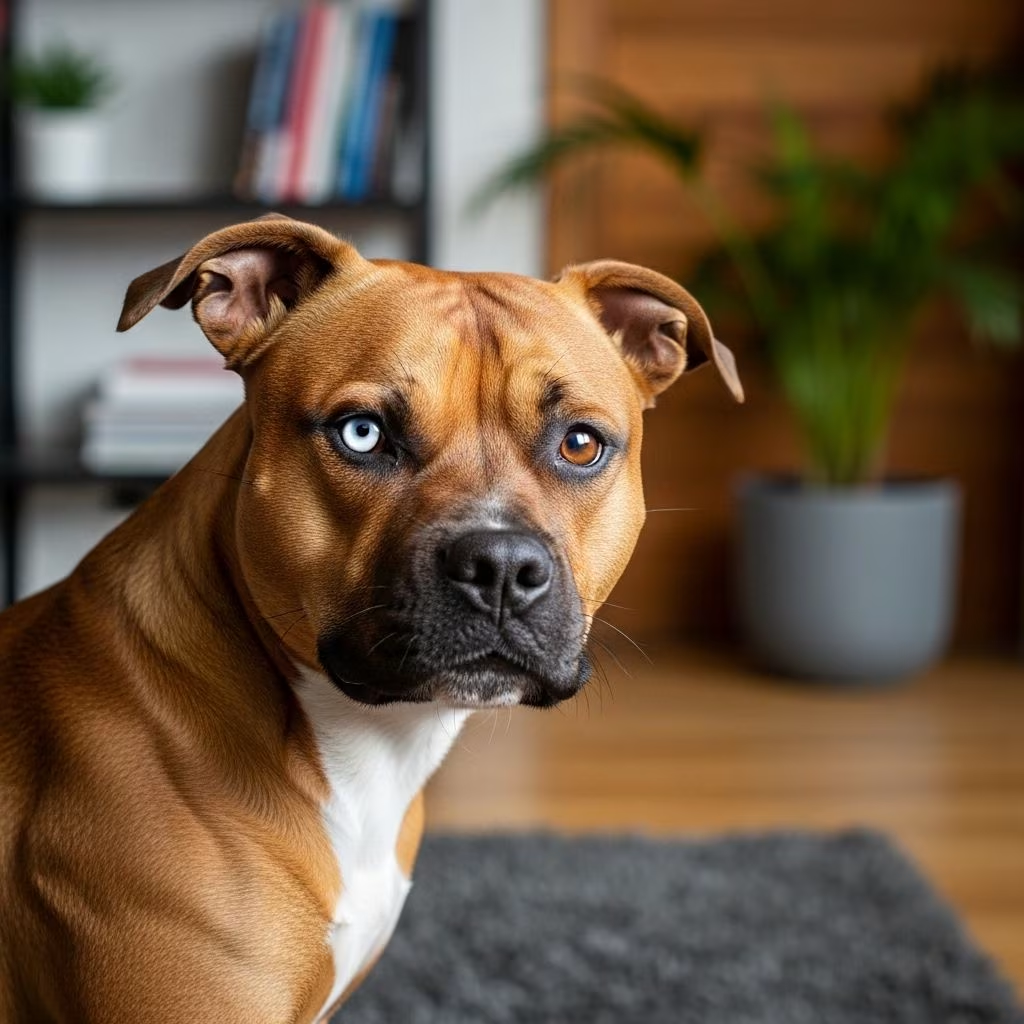
The Subtle Art of the Dog Side-Eye
Our dogs have an entire language of their own, spoken through barks, tail wags, and an impressive range of facial expressions. Among these, few are as curious—or as meme-worthy—as the side-eye. That sideways glance, loaded with unspoken meaning, is more than just a quirky look. Understanding what your dog is saying with this expression can help you strengthen your bond and ensure your pet’s well-being.
What Exactly Is the Dog Side-Eye?
The dog side-eye refers to those moments when your pup turns their head slightly away while keeping their eyes fixed on something or someone. Often, the whites of their eyes become partially visible, leading some to call it the “whale eye”—though, as we’ll see below, these terms have important differences.
- Side-eye: Characterized by a subtle turn of the head with a sidelong glance, often revealing just a sliver of white.
- Whale eye: A more exaggerated version, where a wide band of sclera (the white of the eye) is clearly visible, usually signaling stronger emotion.
Both expressions are windows into your dog’s mood—but what exactly are they communicating?
Why Do Dogs Give the Side-Eye?
Canine side-eye is a powerful tool for expressing a range of emotions and intentions. Context is crucial:
- Discomfort or Anxiety: Dogs may avert their heads and glance sideways when they feel uneasy or want to avoid confrontation. This subtle cue can be spotted at the vet or when meeting strangers.
Example: A dog in a crowded room may give a side-eye to a stranger approaching too quickly, signaling, “I’d rather you keep your distance.” - Caution or Wariness: Dogs often use the side-eye to monitor potential threats or changes in their environment while maintaining a low profile. It’s their way of keeping tabs without escalating the situation.
- Aggression or Warning: Sometimes, a side-eye is a prelude to more overt signs of aggression—especially if accompanied by growling, stiff posture, or guard-like behavior.
- Playful Communication: In relaxed settings, that sideways look might be your dog’s way of playfully gauging your reaction, often as a gentle nudge to start a game or request attention.
Side-Eye vs. Whale Eye: Understanding the Difference
| Expression | Appearance | Common Meaning |
|---|---|---|
| Side-Eye | Slight head turn, partial whites of eyes visible | Intrigue, skepticism, mild annoyance, caution |
| Whale Eye | Large portion of eye white exposed, often intense stare | Fear, anger, threat response, severe stress |
Side-eye is typically less intense, and may simply mean your dog is curious, keeping tabs on something, or slightly disapproving. Whale eye, by contrast, is a more dramatic display—often seen when a dog is frightened or on edge. Recognizing the difference helps prevent misunderstandings that can lead to escalation.
Breaking Down the Causes: Context Matters
Let’s look closer at the most common scenarios for side-eye and whale eye in dogs:
- Meeting New People or Animals
- Side-eye may signal cautious curiosity or social uncertainty.
- Repeated or exaggerated whale eye suggests mounting stress—give your dog space and watch for further signs of fear.
- Resource Guarding
- If your dog guards food, toys, or a favorite spot, side-eye can serve as an early warning.
- Whale eye here means “Back off, I’m uncomfortable and may defend my resource.”
- During Play
- Some dogs will flash the side-eye during play, especially with humans. If paired with a wagging tail and relaxed body, it’s likely a playful tease.
- If tension mounts, look for stiff posture or exposed whale eye as a sign your dog is starting to feel overwhelmed.
- At the Vet or in Unfamiliar Places
- Anxiety often triggers side-eye as dogs try to monitor the situation while feeling vulnerable.
- Prominent whale eye, rapid breathing, or trembling means your dog is under significant stress and needs comfort and reassurance.
Reading the Rest of Your Dog’s Body Language
While the eyes are important, body language as a whole gives a more accurate picture of your dog’s mood. Pay attention to:
- Ears: Flattened or pinned back ears often signal anxiety or fear. Perked ears signal curiosity or arousal.
- Tail: A tucked tail is a sign of fear, while a relaxed wag suggests contentment.
- Mouth: Yawning, lip licking, or a tightly closed mouth can be stress cues.
- Body Tension: A stiff, frozen body often signals your dog is on edge, especially when combined with whale eye.
Always consider the complete context—what’s happening around your dog, recent experiences, and other physical cues—when interpreting a side-eye or whale eye gesture.
What Should You Do When Your Dog Gives Side-Eye?
Understanding is step one, but responding appropriately is crucial for your dog’s comfort and safety. Here’s what pet parents should do:
- Give Space: If your dog seems wary or uncomfortable, back off and give them time to relax.
- Reduce Stressors: Remove or minimize whatever is causing anxiety—whether it’s another animal, loud noise, or an unfamiliar person.
- Watch for Escalation: If side-eye shifts into whale eye, stiff posture, or vocalizations (growl, snarl), step away and let your dog decompress.
- Offer Comfort—But Don’t Force: Reassure your dog with gentle words and, if welcomed, calm petting. Never force them into contact when they’re signaling distress.
- Practice Positive Reinforcement: If side-eye happens in predictable situations (like nail-trimming or vet visits), pair those experiences with treats and gradual exposure to reduce stress over time.
Common Myths and Misconceptions About Canine Eye Contact
Myth 1: Side-eye is always playful or funny.
Fact: While sometimes humorous, side-eye can also be a warning signal. Take note of accompanying body language.
Myth 2: Direct eye contact with your dog is best.
Fact: In dog social dynamics, prolonged direct staring can be interpreted as a threat. Side glances are often an attempt to diffuse tension or signal submission.
Myth 3: If my dog gives me the side-eye, I’ve done something wrong.
Fact: Not necessarily! Dogs use side-eye to communicate a variety of feelings, from curiosity to mild annoyance. It’s just one part of their expressive toolkit.
Can Side-Eye Indicate a Health Problem?
Rarely, persistent changes in eye appearance can be linked to medical issues:
- Sudden, long-lasting visibility of the whites of the eyes—without obvious context—could signal discomfort or pain.
- If your dog’s eyes seem irritated (redness, discharge, swelling) or they’re squinting frequently, consult a vet.
For the vast majority of cases, however, side-eye is about mood, not health. But as always, when in doubt, have your pup checked by a veterinary professional.
Tips to Better Communicate with Your Dog
- Observe patterns: Notice when and where your dog gives side-eye—is it during certain activities, or in crowded places?
- Respond calmly: Avoid scolding or confronting a dog showing side-eye or whale eye; it can escalate fear or aggression.
- Train with positive experiences: If certain situations reliably cause stress, use treats, gentle exposure, and encouragement to build confidence.
- Socialize thoughtfully: Proper, gradual socialization from puppyhood onward reduces the likelihood that new situations will prompt side-eye anxiety.
Frequently Asked Questions (FAQs)
What does it mean if my dog gives me the side-eye during play?
If your dog’s body is relaxed, tail wagging, and mouth open or “smiling,” side-eye is likely part of playful teasing. However, watch for changes—if tension or growling starts, it’s time to pause play.
Should I be concerned if my dog often shows whale eye?
Regular displays of whale eye suggest your dog is encountering stress or fear more often than is healthy. Work on building safe, positive associations with stressful triggers and consult a professional trainer or veterinarian for guidance if needed.
What’s the best way to calm a stressed dog displaying side-eye or whale eye?
Step back and give your dog physical and psychological space. Speak in a low, soothing voice, and avoid direct eye contact or physical restraint—both can amplify stress.
Can I train my dog to stop giving side-eye?
Rather than trying to “remove” this behavior, focus on understanding what’s causing your dog’s discomfort and addressing those root causes. Side-eye is a helpful communication signal; it tells you how your dog is feeling before things escalate.
Is the side-eye expression the same in all breeds?
While the side-eye gesture is common across breeds, physical appearance (such as eye shape and coat color) can influence how obvious it appears. Some breeds may naturally show more sclera, making side-eye more noticeable.
Supporting a Happy, Trusting Relationship
Learning to read your dog’s subtle cues—including the famous side-eye—builds a foundation of trust. When you honor what your pup is telling you, you help foster a home where your dog feels safe, understood, and truly part of the family. Every sideways glance is a chance to listen, learn, and love even more deeply.
References
- https://www.24petwatch.com/blog/dog-side-eye-meaning
- https://www.dognerdly.com/basics/body-language/dog-side-eye/
- https://devildogpetco.com/blogs/the-devil-dog-blog/dog-side-eye
- https://vetster.com/en/wellness/why-is-my-dog-giving-me-side-eye
- https://busterbox.com/blog/why-is-my-dog-giving-me-the-side-eye/
- https://www.countryliving.com/life/kids-pets/a64364241/dog-side-eye/
- https://www.servicedogtrainingschool.org/blog/why-your-dog-giving-you-side-eye
- https://www.kinship.com/dog-behavior/why-does-my-dog-side-eye-me


